
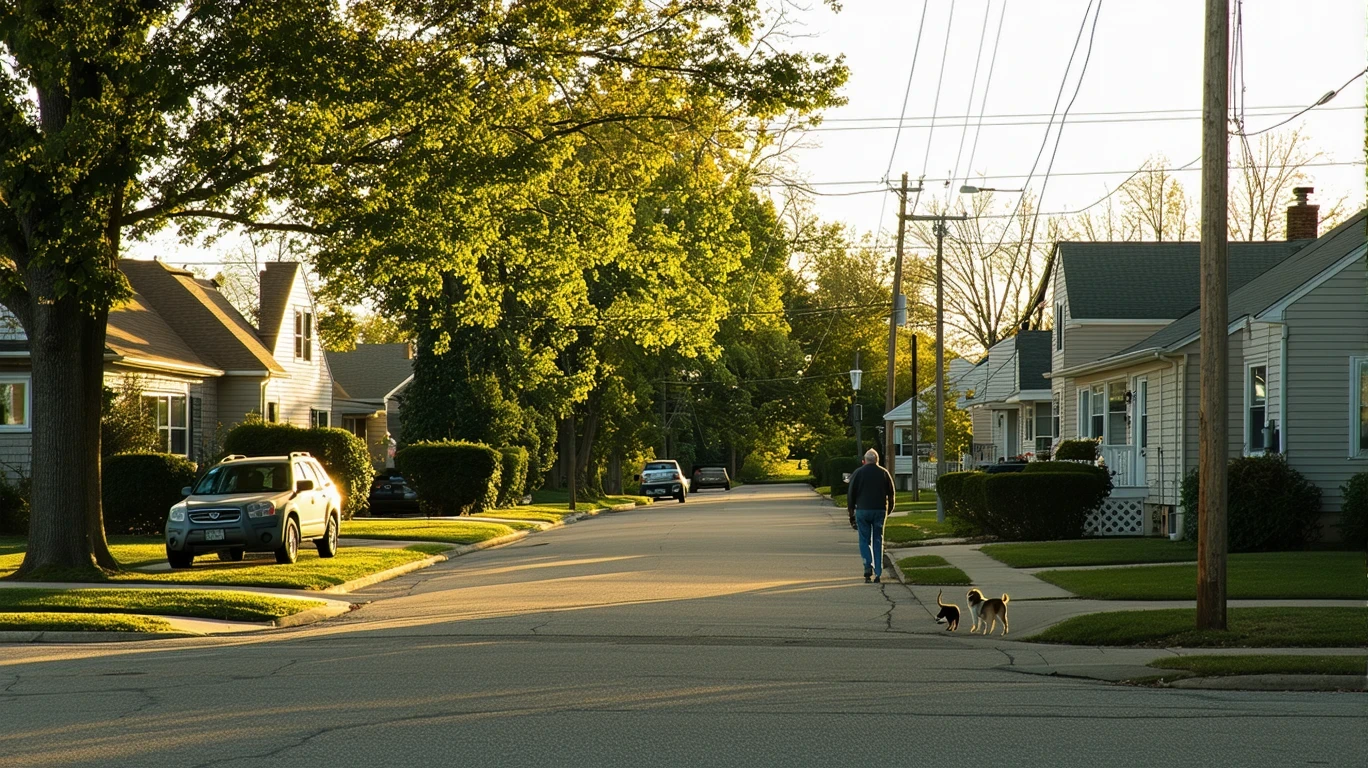
Carmel and Lawrence sit just miles apart in the Indianapolis metro, share the same utility providers, and pull from the same regional job market. Yet the financial experience of living in each city diverges sharply—not because one is universally cheaper, but because cost pressure concentrates in different places for different households. In 2026, choosing between them means deciding which tradeoffs matter most: housing entry barriers vs. ongoing flexibility, infrastructure texture vs. baseline rent, and predictability vs. exposure to variability.
Both cities serve as suburban anchors for Indianapolis commuters, but they occupy different positions in the regional housing ladder. Carmel attracts dual-income professionals and families prioritizing parks, walkability, and civic amenities. Lawrence draws renters, first-time buyers, and households managing tighter monthly budgets who need lower baseline costs. The decision isn’t about finding the objectively cheaper option—it’s about identifying where your household’s specific cost sensitivities align with each city’s structural realities.
This comparison explains how housing, utilities, transportation, groceries, taxes, and daily logistics behave differently in Carmel and Lawrence, and which households feel those differences most acutely. It does not calculate total cost of living or declare a winner. Instead, it clarifies where money goes, what drives volatility, and how the same income can feel stable in one city and stretched in the other.
Housing Costs
Housing is where Carmel and Lawrence diverge most dramatically. Carmel’s median home value sits at $425,900, while Lawrence’s median is $193,100—a gap of more than $232,000 that reshapes every downstream decision. For renters, the difference is equally stark: Carmel’s median gross rent is $1,499 per month compared to Lawrence’s $1,064. These aren’t minor variations in market positioning—they represent fundamentally different cost structures that affect entry barriers, monthly obligations, and long-term flexibility.
In Carmel, housing cost is front-loaded. Buyers face substantial down payment requirements and higher monthly mortgage obligations, but they gain access to neighborhoods with integrated park systems, notable cycling infrastructure, and mixed-use development patterns that reduce reliance on driving for daily errands. Renters in Carmel pay a premium for access to the same infrastructure texture, which can offset some transportation and convenience costs depending on household habits. The housing stock skews newer, which often translates to better insulation and lower utility volatility, though the larger square footage typical of higher-priced homes can erase those gains.
Lawrence distributes housing pressure differently. Lower home values and rents preserve cash flexibility month-to-month, making it easier for single-income households, recent graduates, or families managing variable income to absorb unexpected expenses. The tradeoff is less predictability in the rental market—turnover, maintenance responsiveness, and neighborhood stability vary more widely at lower price points. For buyers, the lower entry cost means smaller down payments and more manageable mortgage payments, but it also means less equity accumulation in markets where home values appreciate more slowly than higher-tier suburbs.
| Housing Type | Carmel | Lawrence |
|---|---|---|
| Median Home Value | $425,900 | $193,100 |
| Median Gross Rent | $1,499/month | $1,064/month |
| Typical Entry Barrier | High down payment, stricter qualification | Lower down payment, more accessible entry |
| Ongoing Predictability | More stable, newer stock | More variable, older stock |
For first-time buyers, Lawrence offers a realistic path to ownership without requiring dual six-figure incomes or years of aggressive saving. For families prioritizing space, school access, and outdoor amenities, Carmel’s higher cost buys infrastructure that reduces friction in daily logistics—fewer trips, shorter distances, more walkable errands. For renters sensitive to month-to-month cash flow, Lawrence provides breathing room; for renters who value neighborhood walkability and access to parks, Carmel’s premium may feel justified.
Housing takeaway: Carmel concentrates cost pressure at entry but delivers infrastructure that reduces ongoing transportation and convenience spending. Lawrence keeps baseline obligations lower but requires more intentional planning around commute, errands, and access to amenities. Households with stable dual incomes and long-term ownership plans absorb Carmel’s front-loaded cost more easily. Households managing variable income, single earners, or those prioritizing near-term flexibility benefit from Lawrence’s lower monthly floor.
Utilities and Energy Costs
Carmel and Lawrence share identical utility rate structures—17.34¢ per kWh for electricity and $14.78 per thousand cubic feet for natural gas. This means differences in utility costs emerge entirely from usage patterns, which are shaped by housing stock age, home size, and household behavior rather than provider pricing. In practice, this creates more volatility in Carmel and more baseline predictability in Lawrence, though individual outcomes vary widely.
Carmel’s higher-priced housing stock tends to be newer, larger, and better insulated. Newer construction reduces heating and cooling losses, but the square footage typical of homes in the $400,000+ range increases total energy demand. Families heating and cooling 2,500–3,500 square feet face higher absolute bills even with efficient HVAC systems, and seasonal swings—especially during Indiana’s cold winters and humid summers—amplify that exposure. Apartments and townhomes in Carmel benefit from shared walls and smaller footprints, which moderate usage, but renters in these units still pay the same per-unit rate as everyone else.
Lawrence’s older, smaller housing stock creates a different cost profile. Older homes often lack modern insulation, leading to higher per-square-foot energy loss, but the smaller total area keeps absolute usage lower. A 1,200-square-foot ranch in Lawrence may cost less to heat than a 3,000-square-foot two-story in Carmel, even if the Lawrence home is less efficient. The tradeoff is less control: older windows, aging HVAC systems, and minimal attic insulation mean Lawrence households experience more weather-driven volatility and fewer opportunities to reduce usage through efficiency upgrades without significant upfront investment.
Household size and daily routines matter as much as housing stock. Single adults or couples working from home in either city face baseline electricity loads from computers, lighting, and climate control that don’t scale with home size. Families with multiple occupants, laundry cycles, and after-school activity schedules see higher usage regardless of location. In Carmel, larger homes mean more space to heat and cool; in Lawrence, older infrastructure means less efficiency per square foot. Both cities experience the same seasonal extremes, so the primary difference is whether cost pressure comes from volume (Carmel) or inefficiency (Lawrence).
Utility takeaway: Carmel households face higher absolute utility costs driven by home size, but newer construction offers more control through programmable thermostats, better insulation, and energy-efficient appliances. Lawrence households experience lower baseline usage due to smaller homes, but older stock introduces more volatility and fewer efficiency levers. Families in large homes feel Carmel’s volume-driven exposure most acutely. Single adults or couples in older Lawrence homes face unpredictability but lower total bills. Renters in newer Carmel apartments enjoy the best of both worlds—moderate usage and modern efficiency.
Groceries and Daily Expenses
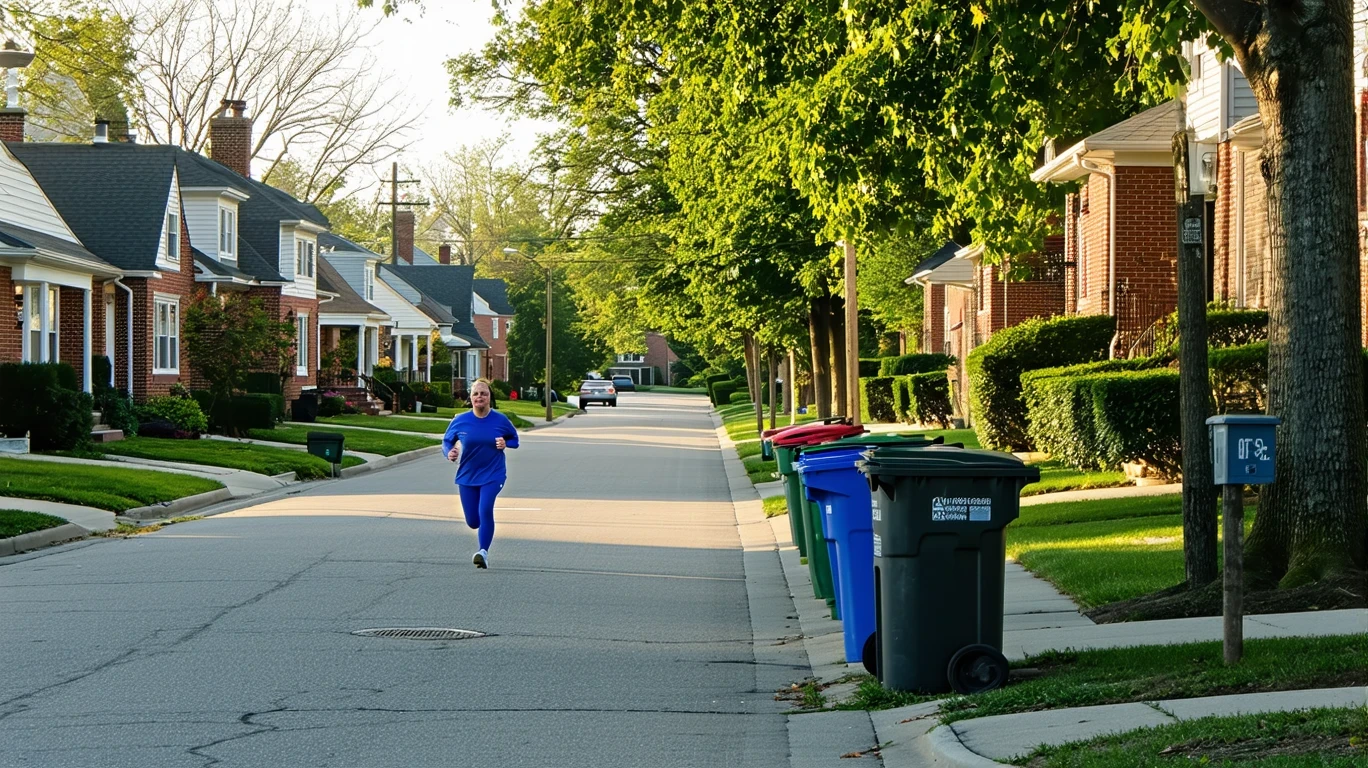
Carmel and Lawrence share the same regional price parity index (95), meaning grocery staples, household goods, and everyday purchases cost the same at the register. The difference isn’t in prices—it’s in how access, convenience, and spending habits interact with each city’s infrastructure to create friction or flexibility. In Carmel, food and grocery options cluster along corridors with moderate density, supported by walkable pockets and notable bike infrastructure. In Lawrence, without detailed infrastructure signals, grocery access depends more heavily on car-based errands and intentional trip planning.
In Carmel, the presence of mixed-use development and pedestrian-friendly infrastructure means some households can walk or bike to grocery stores, coffee shops, and prepared food options. This doesn’t eliminate grocery costs, but it reduces the hidden expenses of convenience: fewer impulse stops at drive-throughs, less reliance on last-minute takeout when a quick errand is walkable, and more opportunities to consolidate trips. Families managing tight schedules benefit from this texture—being able to grab milk on foot after school pickup or stop for bread on a bike ride home reduces both time cost and the temptation to overspend on convenience.
Lawrence’s lower housing costs leave more room in monthly budgets for groceries and discretionary spending, but the infrastructure requires more planning. Without walkable access to daily errands, households rely on weekly bulk shopping trips, which can reduce per-item costs through big-box discounts but increase the risk of food waste and reduce flexibility. Single adults and couples who cook infrequently may find themselves choosing between driving 15 minutes for a single ingredient or defaulting to takeout, which quietly inflates monthly food spending. Families with predictable routines and storage space benefit from bulk purchasing; smaller households or those with variable schedules face more friction.
Dining out and convenience spending follow similar patterns. Carmel’s corridor-clustered food options create more opportunities for casual dining, coffee runs, and quick meals, which can either enhance quality of life or quietly erode budgets depending on household discipline. Lawrence’s car-dependent layout naturally limits impulse spending on dining out—every meal requires a deliberate trip—but it also reduces flexibility when time is tight. Households that value spontaneity and walkable dining options absorb Carmel’s convenience premium willingly; households prioritizing budget control and meal planning benefit from Lawrence’s structural friction.
Groceries takeaway: Carmel’s walkable pockets and corridor-clustered food access reduce errand friction and create flexibility, but they also introduce more opportunities for convenience spending. Lawrence’s lower baseline costs preserve budget room for groceries, but car dependence requires more planning and reduces spontaneity. Families managing complex schedules benefit from Carmel’s infrastructure; budget-conscious households and bulk shoppers benefit from Lawrence’s lower housing cost and big-box access. Single adults and couples face the starkest tradeoff: Carmel offers convenience at a premium, Lawrence offers savings with more planning burden.
Taxes and Fees
Property taxes in both Carmel and Lawrence are assessed at the county level, but the financial impact differs sharply due to the gap in median home values. A home assessed at $425,900 in Carmel generates a significantly higher annual property tax bill than a home assessed at $193,100 in Lawrence, even at identical millage rates. For homeowners, this means Carmel’s higher entry cost extends into ongoing obligations—not just mortgage payments, but also tax bills that recur every year and adjust with assessed value changes.
Renters don’t pay property taxes directly, but landlords pass those costs through in monthly rent. Carmel’s $1,499 median rent reflects not only higher property values but also the tax burden embedded in ownership costs. Lawrence’s $1,064 median rent benefits from lower assessed values and correspondingly lower tax obligations. The difference is structural: in Carmel, taxes are part of the premium for access to well-maintained parks, cycling infrastructure, and civic services; in Lawrence, lower taxes reflect a more modest baseline of public amenities.
Beyond property taxes, both cities impose fees for utilities, trash collection, and stormwater management, though the specifics vary by neighborhood and housing type. In Carmel, homeowners associations (HOAs) are more common, particularly in newer subdivisions, and fees can range from modest (covering landscaping and snow removal) to substantial (including pool access, clubhouse maintenance, and exterior home upkeep). These fees add predictability—services are bundled and managed—but they also add rigidity. Households that don’t use HOA amenities still pay for them, and fee increases are harder to control than discretionary spending.
Lawrence has fewer HOA-governed neighborhoods, which means lower recurring fees but more variability in service quality and neighborhood upkeep. Homeowners manage their own landscaping, snow removal, and exterior maintenance, which can save money for those with time and tools but creates friction for dual-income households or families managing tight schedules. Renters in both cities typically see trash and water billed separately or included in rent, but the transparency and predictability of those charges vary more in Lawrence’s older rental stock.
Taxes and fees takeaway: Carmel’s higher home values generate higher property tax obligations, which homeowners pay directly and renters absorb indirectly. HOA fees add predictability and bundled services but reduce flexibility. Lawrence’s lower home values mean lower tax bills and fewer HOA fees, preserving cash flexibility but requiring more self-management. Long-term homeowners in Carmel face higher fixed costs but gain stable, managed services. Budget-conscious buyers and renters in Lawrence benefit from lower baseline obligations but must plan for more variable upkeep and service costs.
Transportation & Commute Reality
Carmel and Lawrence share the same regional gas price—$2.83 per gallon—but the cost of getting around diverges based on infrastructure texture and daily logistics. In Carmel, walkable pockets and notable bike infrastructure mean some households can reduce car dependence for errands, school runs, and recreational trips. The pedestrian-to-road ratio exceeds high thresholds, and the bike-to-road ratio signals well-developed cycling routes. This doesn’t eliminate the need for a car, especially for commuting to Indianapolis, but it reduces the frequency of short, high-friction trips that quietly inflate transportation costs.
For Carmel households living near mixed-use corridors or within neighborhoods with integrated parks and schools, daily errands—grabbing groceries, dropping kids at school, meeting friends for coffee—can happen on foot or by bike. This shifts transportation spending away from gas and toward time savings and convenience. Families managing multiple schedules benefit from this flexibility: one parent can bike a child to school while the other drives to work, reducing the need for a second car or cutting weekly mileage. Single adults and couples who work remotely or have flexible schedules can structure their routines around walkable access, further lowering transportation exposure.
Lawrence lacks detailed infrastructure signals, which suggests a more car-dependent layout typical of suburban Indianapolis. Without walkable errands or notable cycling infrastructure, most trips require driving: grocery runs, school pickups, medical appointments, and social activities all add mileage. For households commuting to Indianapolis or other regional job centers, this means higher baseline transportation costs—not just gas, but also wear on vehicles, oil changes, tire replacements, and the eventual need for a second car as household complexity grows. The lower housing cost in Lawrence preserves budget room for these expenses, but the transportation burden is less flexible.
Commute patterns matter as much as infrastructure. Carmel’s proximity to northern Indianapolis suburbs and its own local employment base mean some residents work locally, reducing daily mileage. Lawrence sits farther east, which can lengthen commutes to downtown Indianapolis or western suburbs. The time cost of commuting—measured in hours per week rather than dollars per gallon—affects household logistics, childcare needs, and the ability to manage errands during the workday. Carmel’s infrastructure reduces some of that friction; Lawrence’s lower housing cost compensates for higher transportation exposure, but only if households plan accordingly.
Transportation takeaway: Carmel’s walkable pockets and bike infrastructure reduce car dependence for daily errands, lowering mileage and creating flexibility for households managing complex schedules. Lawrence’s car-dependent layout increases transportation exposure, requiring more intentional planning and higher baseline vehicle usage. Families with multiple drivers and tight schedules benefit from Carmel’s infrastructure texture. Single adults, couples, and households prioritizing lower fixed costs benefit from Lawrence’s housing savings, but must budget for higher transportation spending and longer commutes.
Cost Structure Comparison
Housing dominates the cost experience in both cities, but the pressure shows up differently. In Carmel, housing cost is front-loaded into entry barriers—higher down payments, stricter income qualifications, and elevated monthly obligations for both buyers and renters. Once inside, households gain access to infrastructure that reduces friction: walkable errands, integrated parks, cycling routes, and hospital presence. In Lawrence, housing cost is distributed across lower baseline obligations, preserving monthly flexibility but requiring more intentional management of transportation, errands, and access to amenities.
Utilities introduce more volatility in Carmel due to larger home sizes, even though newer construction offers better efficiency and control. Lawrence’s smaller, older housing stock keeps absolute usage lower but reduces the ability to manage seasonal swings through insulation or programmable systems. For families heating and cooling large homes, Carmel’s volume-driven exposure matters most. For single adults or couples in older homes, Lawrence’s inefficiency creates unpredictability but lower total bills.
Transportation patterns matter more in Lawrence, where car dependence is structural rather than optional. Carmel’s walkable pockets and bike infrastructure don’t eliminate the need for a car, but they reduce the frequency of short, high-cost trips and create flexibility for households managing multiple schedules. Lawrence’s lower housing cost leaves room for transportation spending, but the burden is less flexible—every errand, every school run, every social activity requires driving.
Groceries and daily expenses cost the same at the register, but Carmel’s corridor-clustered food access and mixed-use development create more opportunities for convenience spending—both helpful and risky depending on household discipline. Lawrence’s car-dependent layout naturally limits impulse dining and coffee runs, but it also increases planning burden and reduces spontaneity. Families with predictable routines benefit from Lawrence’s structure; households valuing flexibility and walkable access benefit from Carmel’s infrastructure premium.
Taxes and fees reflect the housing value gap. Carmel’s higher property taxes and more common HOA fees add predictability and bundled services but reduce flexibility. Lawrence’s lower tax obligations and fewer HOA fees preserve cash control but require more self-management. Long-term homeowners in Carmel absorb higher fixed costs in exchange for stable, managed services. Budget-conscious buyers and renters in Lawrence benefit from lower baseline obligations but must plan for variable upkeep.
The better choice depends on which costs dominate your household. Households sensitive to entry barriers and monthly fixed costs may prefer Lawrence’s lower baseline, even if it means higher transportation exposure and more planning burden. Households sensitive to time cost, errand friction, and daily logistics may prefer Carmel’s infrastructure premium, even if it means higher housing and tax obligations. For dual-income families with complex schedules, the difference is less about price and more about predictability and control.
How the Same Income Feels in Carmel vs Lawrence
Single Adult
In Carmel, higher baseline rent reduces flexibility, but walkable errands and bike infrastructure can offset some transportation costs if work and daily routines align with mixed-use corridors. The premium feels justified if you value spontaneity and convenience; it feels restrictive if you’re managing variable income or prioritizing savings. In Lawrence, lower rent preserves cash flexibility month-to-month, but car dependence increases transportation exposure and planning burden. The savings feel real if you’re disciplined about bulk shopping and meal prep; they disappear quickly if convenience spending fills the gap.
Dual-Income Couple
In Carmel, dual income can absorb higher housing costs if both partners value integrated parks, cycling routes, and walkable dining options. The infrastructure reduces friction in managing two schedules, but the front-loaded cost limits flexibility during income transitions or single-income periods. In Lawrence, lower housing costs create a buffer for other priorities—travel, savings, or discretionary spending—but car dependence increases coordination costs and reduces spontaneity. The flexibility feels valuable if both partners have stable commutes; it feels limiting if one partner works remotely or has variable hours.
Family with Kids
In Carmel, higher home values require substantial down payments and elevated monthly obligations, but integrated parks, school infrastructure, and walkable neighborhoods reduce the logistical burden of managing multiple schedules. The cost feels justified if both parents work and value time savings; it feels prohibitive if one parent stays home or if income is variable. In Lawrence, lower entry costs make ownership accessible on single or modest dual incomes, but car dependence increases the complexity of school runs, extracurriculars, and errands. The savings feel meaningful if you have time to manage logistics; they feel insufficient if both parents work full-time and need infrastructure to reduce friction.
Decision Matrix: Which City Fits Which Household?
| Decision Factor | If You’re Sensitive to This… | Carmel Tends to Fit When… | Lawrence Tends to Fit When… |
|---|---|---|---|
| Housing entry + space needs | Down payment size, monthly mortgage or rent obligations, qualification requirements | You have stable dual income, prioritize long-term ownership, and value infrastructure over baseline cost | You need lower entry barriers, prioritize monthly flexibility, or are managing single or variable income |
| Transportation dependence + commute friction | Daily mileage, time cost of errands, need for second car, commute predictability | You value walkable errands, bike infrastructure, and reducing car dependence for daily logistics | You’re willing to plan around car dependence and can absorb higher mileage in exchange for lower housing cost |
| Utility variability + home size exposure | Seasonal bill swings, heating and cooling costs, efficiency control, square footage impact | You’re heating or cooling a larger home but value newer construction and efficiency levers | You’re in a smaller or older home and prioritize lower absolute usage over efficiency control |
| Grocery strategy + convenience spending creep | Walkable food access, impulse dining, meal planning discipline, bulk shopping habits | You value spontaneity, walkable dining, and corridor-clustered food options despite convenience premium | You’re disciplined about meal planning, bulk shopping, and limiting impulse convenience spending |
| Fees + friction costs (HOA, services, upkeep) | Predictability vs control, bundled services vs self-management, recurring obligations | You value bundled services, managed amenities, and predictable fees over cash flexibility | You prefer lower baseline fees, self-managed upkeep, and control over discretionary service spending |
| Time budget (schedule flexibility, errands, logistics) | Household complexity, dual schedules, childcare coordination, errand consolidation | You’re managing multiple schedules and value infrastructure that reduces daily logistical friction | You have time to plan around car dependence and prioritize lower fixed costs over convenience |
Lifestyle Fit
Carmel and Lawrence offer distinct lifestyle textures shaped by infrastructure, civic investment, and regional positioning. Carmel’s integrated park system, hospital presence, and mixed-use development create a suburban environment where daily life can unfold on foot or by bike for households living near walkable corridors. Families benefit from school infrastructure and playgrounds that meet density thresholds, reducing the need to drive kids to recreational activities. The city’s investment in cycling infrastructure and pedestrian pathways signals a commitment to reducing car dependence, though most residents still rely on vehicles for commuting to Indianapolis or accessing regional amenities.
Lawrence’s lifestyle centers more heavily on car-based routines and intentional trip planning. Without detailed infrastructure signals for walkability, transit, or cycling, daily errands—groceries, medical appointments, social activities—require driving. This doesn’t make Lawrence less livable, but it does mean households must plan around transportation logistics more deliberately. The lower cost of entry creates budget room for other priorities: travel, hobbies, savings, or discretionary spending that would be squeezed out by Carmel’s higher housing obligations. For families with predictable routines and time to manage logistics, Lawrence’s structure works well. For dual-income households managing tight schedules, the lack of walkable infrastructure increases friction.
Both cities experience the same regional climate—cold winters, humid summers, and seasonal swings that affect outdoor activity patterns and utility usage. Carmel’s integrated green space and water features provide more accessible outdoor recreation within city limits, reducing the need to drive to regional parks or trails. Lawrence residents rely more on regional amenities, which adds mileage but also preserves budget flexibility. Cultural and recreational differences are less about what’s available and more about how accessible it is: Carmel’s infrastructure brings amenities closer to daily routines, while Lawrence’s lower cost base leaves room to seek them out intentionally.
Carmel median household income: $132,859 per year. Lawrence median household income: $70,762 per year. These figures reflect the income distribution typical of each city’s housing market, not affordability thresholds. Carmel’s higher income base supports the elevated housing costs and infrastructure investment. Lawrence’s more modest income distribution aligns with lower baseline obligations and greater reliance on budget discipline and planning.
Carmel unemployment rate: 3.3%. Lawrence unemployment rate: 4.5%. Both cities maintain relatively stable employment conditions within the Indianapolis metro, though Lawrence’s slightly higher unemployment rate suggests more economic variability and a workforce more exposed to regional economic shifts.
Frequently Asked Questions
Is Carmel or Lawrence cheaper for renters in 2026?
Lawrence offers lower baseline rent—$1,064 per month compared to Carmel’s $1,499—which preserves monthly cash flexibility. Carmel’s higher rent buys access to walkable errands, integrated parks, and bike infrastructure that can reduce transportation and convenience costs depending on household routines. Renters sensitive to monthly fixed costs benefit from Lawrence’s lower floor; renters valuing infrastructure and reduced car dependence may find Carmel’s premium justified.
How do transportation costs differ between Carmel and Lawrence in 2026?
Both cities share the same gas price ($2.83/gallon), but transportation exposure differs based on infrastructure. Carmel’s walkable pockets and notable bike infrastructure reduce car dependence for daily errands, lowering mileage and creating flexibility for households managing multiple schedules. Lawrence’s car-dependent layout increases baseline vehicle usage, requiring more planning and higher transportation spending. Families with complex schedules benefit from Carmel’s infrastructure; budget-conscious households benefit from Lawrence’s lower housing cost but must absorb higher transportation exposure.
Which city is better for first-time homebuyers in 2026, Carmel or Lawrence?
Lawrence’s median home value ($193,100) creates a more accessible entry point for first-time buyers, requiring smaller down payments and more manageable monthly mortgage obligations. Carmel’s median home value ($425,900) demands substantial upfront capital and higher ongoing costs, but it delivers infrastructure—parks, cycling routes, walkable errands—that reduces friction in daily logistics. First-time buyers prioritizing ownership access benefit from Lawrence; those with stable dual incomes prioritizing long-term infrastructure benefit from Carmel.
Do utilities cost more in Carmel or Lawrence in 2026?
Utility rates are identical (17.34¢/kWh for electricity, $14.78/MCF for natural gas), so differences emerge from usage patterns. Carmel’s larger, newer homes increase absolute usage but offer better