
Median household income in Canal Winchester sits at $111,119 per year—nearly double Columbus’s $62,994—yet that gap doesn’t make the cost decision simple. Both cities share the same regional price environment and utility rates, but housing entry barriers, commute patterns, and the texture of daily errands create fundamentally different cost experiences. For families prioritizing space and school access, Canal Winchester’s higher baseline housing costs may align with long-term goals. For singles or couples managing tighter monthly budgets, Columbus offers lower rent and ownership thresholds with shorter average commutes. The better choice in 2026 depends less on which city costs more overall and more on which cost pressures your household can absorb—and which you can’t.
Canal Winchester functions as a commuter suburb within the Columbus metro, offering low-rise residential neighborhoods with strong family infrastructure and parks distributed throughout. Columbus serves as the regional hub, with broader housing stock variety and shorter baseline commute times. Both cities experience Ohio’s four-season climate, with cold winters requiring heating and warm summers driving cooling costs. Utility rate structures are identical across both locations, so differences in energy expenses stem from housing size, age, and insulation rather than pricing. Transportation costs hinge on commute distance and car dependence, which vary meaningfully between the two.
This comparison explains where cost pressure concentrates in each city, how different households experience those pressures, and which tradeoffs matter most when deciding between suburban space and urban proximity in 2026.
Housing Costs
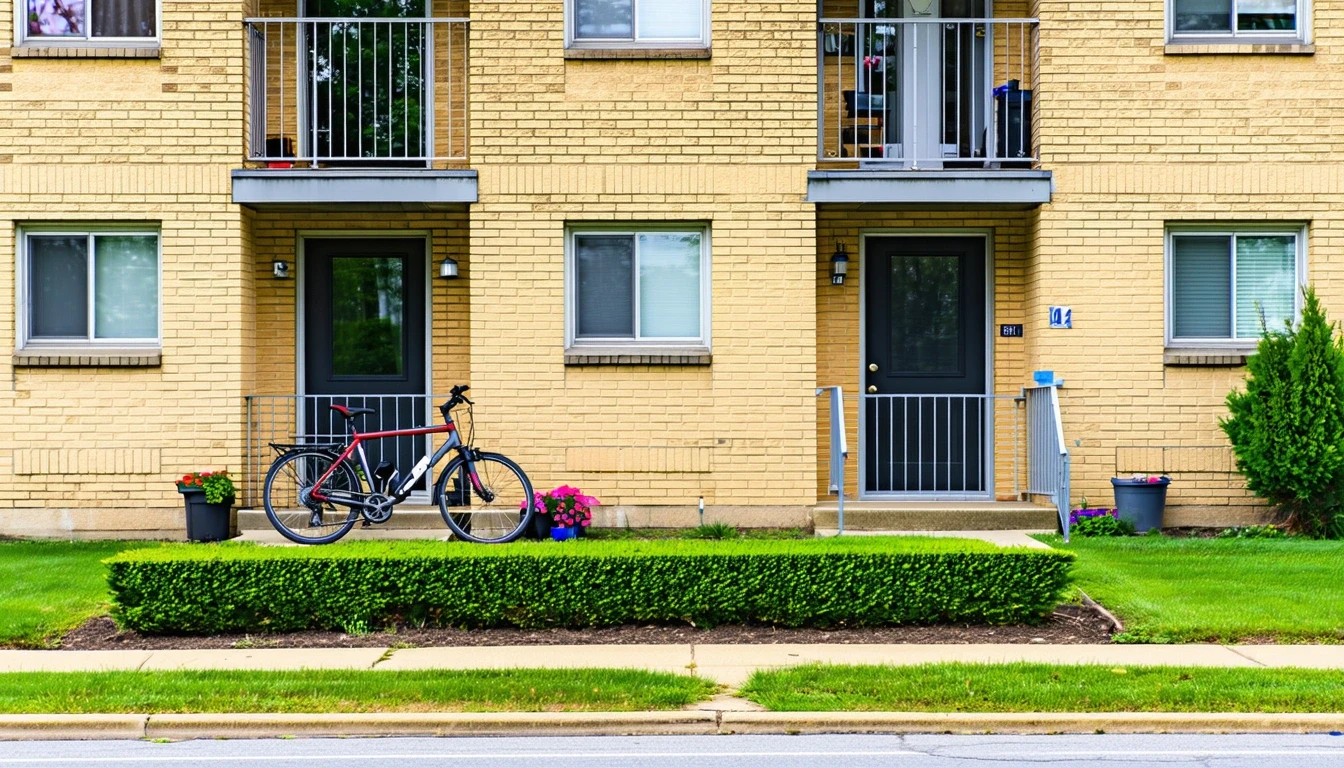
Median home values in Canal Winchester reach $271,900, compared to $212,500 in Columbus—a structural difference that shapes entry barriers for buyers. Median gross rent follows a similar pattern: $1,525 per month in Canal Winchester versus $1,161 per month in Columbus. These figures reflect market positioning rather than quality alone. Canal Winchester’s housing stock skews toward single-family homes on larger lots, built more recently and designed for families seeking space. Columbus offers a broader mix of apartments, townhomes, and older single-family properties, creating more options at lower price points.
For renters, the monthly obligation difference is immediate and ongoing. A household paying $1,525 in Canal Winchester faces higher baseline housing pressure than one paying $1,161 in Columbus, even if both units offer comparable square footage. Renters in Canal Winchester often prioritize school districts, yard space, and quieter streets—tradeoffs that justify the premium for families but may feel misaligned for singles or couples without children. Columbus renters gain flexibility: more neighborhoods, more unit types, and lower entry thresholds for those testing the market or managing variable income.
Homebuyers confront the difference as a down payment and financing hurdle. A $271,900 purchase in Canal Winchester requires more upfront capital than a $212,500 home in Columbus, and monthly mortgage obligations scale accordingly. Buyers in Canal Winchester typically prioritize long-term stability, betting that newer construction, lower density, and family-oriented infrastructure justify the higher entry cost. Columbus buyers gain access to urban amenities, shorter commutes, and lower monthly obligations, though older housing stock may introduce higher maintenance and utility exposure over time.
| Housing Type | Canal Winchester | Columbus |
|---|---|---|
| Median Home Value | $271,900 | $212,500 |
| Median Gross Rent | $1,525/month | $1,161/month |
First-time buyers face the starkest tradeoff. Canal Winchester’s higher entry cost may delay homeownership or require larger household income, but it delivers predictability: newer homes, established neighborhoods, and lower near-term maintenance risk. Columbus offers faster entry and lower monthly obligations, appealing to buyers prioritizing liquidity or planning shorter ownership timelines. Families with children often lean toward Canal Winchester for school access and playground density, even when it stretches the budget. Singles and couples without school-age children frequently find Columbus more aligned with their priorities, especially when commute time and walkable errands matter more than yard space.
Housing takeaway: Canal Winchester imposes higher entry barriers and ongoing rent obligations, favoring households with stable income and long-term family plans. Columbus provides lower baseline housing costs and faster market entry, fitting households sensitive to monthly obligations or prioritizing proximity over space. The decision hinges on whether your household absorbs cost pressure better at the front end (down payment, higher rent) or over time (older housing stock, potential maintenance).
Utilities and Energy Costs
Electricity rates in both Canal Winchester and Columbus sit at 17.85¢ per kWh, and natural gas prices match at $23.03 per MCF. Rate parity eliminates pricing as a differentiator—what changes is how much energy households consume, driven by housing size, age, and insulation quality. Canal Winchester’s newer, larger single-family homes often feature better insulation and modern HVAC systems, reducing energy waste but increasing total usage due to square footage. Columbus’s older housing stock spans a wider range: some units benefit from recent efficiency upgrades, while others leak heat in winter and cool air in summer, amplifying seasonal volatility.
Winter heating dominates utility exposure in both cities, as Ohio’s cold season stretches from November through March. Homes relying on natural gas for heating face predictable but substantial bills during peak months, especially in older properties with poor insulation or drafty windows. Larger homes in Canal Winchester consume more energy in absolute terms, but per-square-foot efficiency often offsets the size penalty. Smaller, older units in Columbus may show lower total bills but higher per-square-foot costs, particularly in properties with outdated furnaces or minimal weatherization.
Summer cooling introduces a secondary cost spike, though less intense than winter heating. Air conditioning usage peaks in July and August, when Ohio’s humidity and heat drive consistent system runtime. Households in Canal Winchester with larger homes and modern central air systems experience higher absolute cooling costs, but predictable performance and programmable thermostats offer control. Columbus residents in older apartments or homes without central air may rely on window units, which cost less to run but cool less efficiently, creating discomfort-versus-cost tradeoffs during heat waves.
Household size and housing type determine utility exposure more than location. A family of four in a 2,500-square-foot Canal Winchester home will spend more on heating and cooling than a single adult in a 900-square-foot Columbus apartment, even with identical rates. The Canal Winchester household gains space and comfort but accepts higher baseline energy obligations. The Columbus household sacrifices square footage for lower utility volatility and smaller seasonal swings. Renters in both cities benefit when landlords cover water, trash, or gas, but those savings vary by lease structure rather than city policy.
Utility takeaway: Identical rates mean energy cost differences stem from housing size and age, not pricing. Canal Winchester households with larger, newer homes face higher absolute usage but better efficiency and predictability. Columbus households in older, smaller units experience lower total bills but higher per-square-foot exposure and greater seasonal volatility. Families prioritizing space accept higher energy obligations; singles and couples in smaller units trade comfort for lower baseline costs.
Groceries and Daily Expenses
Grocery shopping in Canal Winchester clusters along commercial corridors, with food and grocery establishments concentrated rather than evenly distributed. Households often drive to larger stores or regional chains for weekly stock-ups, reducing per-trip costs but increasing reliance on car access and time planning. Columbus offers broader grocery accessibility, with more neighborhood options and shorter distances between home and store. The structural difference isn’t price—both cities share the same regional price environment—but convenience and trip frequency.
Families managing larger grocery volumes often prefer Canal Winchester’s big-box access, where bulk purchasing and one-stop shopping reduce per-unit costs and trip frequency. A household buying for four people benefits from warehouse clubs and large-format grocers, even if the drive takes longer. Singles and couples in Columbus gain flexibility: smaller trips, more frequent stops, and the ability to walk or bike to nearby stores when needed. This reduces the need for large pantry storage and allows for more responsive meal planning, though per-unit prices may run slightly higher at smaller neighborhood stores.
Dining out and convenience spending follow similar patterns. Canal Winchester’s corridor-clustered layout means fewer casual dining options within walking distance, pushing households toward planned restaurant visits or takeout runs. Columbus’s mixed land use and denser commercial presence make spontaneous dining, coffee stops, and quick errands more accessible, which can either reduce costs (by enabling smaller, targeted purchases) or increase them (by lowering friction for impulse spending). Households disciplined about meal planning may find Canal Winchester’s layout helpful in avoiding convenience creep. Those who value flexibility and variety often appreciate Columbus’s walkable access to cafes, bakeries, and casual dining.
Price sensitivity matters more than location for grocery costs. A household committed to discount chains, meal prep, and bulk buying will spend similarly in either city, adjusting for trip logistics. A household prioritizing organic produce, specialty items, or frequent prepared meals will face higher costs regardless of location, though Columbus’s broader store variety may offer more competitive options. The real difference lies in how much time and planning each city’s layout demands: Canal Winchester requires more intentional trips and car dependence, while Columbus allows for more spontaneous, smaller-scale errands.
Grocery takeaway: Canal Winchester’s corridor-clustered grocery access favors households with cars, larger storage capacity, and planned shopping routines. Columbus’s broader accessibility fits households prioritizing walkability, smaller trips, and spontaneous errands. Families managing high grocery volumes often find Canal Winchester’s big-box access efficient; singles and couples benefit from Columbus’s neighborhood store density and reduced car dependence for daily needs.
Taxes and Fees
Property taxes in both Canal Winchester and Columbus reflect Ohio’s reliance on local levies to fund schools, infrastructure, and services, but the effective burden varies by home value and assessment practices. Canal Winchester’s higher median home value ($271,900) translates to higher absolute property tax bills for homeowners, even if millage rates align closely with Columbus. A household buying at the median in Canal Winchester accepts a larger annual tax obligation than one purchasing at Columbus’s $212,500 median, simply due to assessed value. This front-loads cost pressure for Canal Winchester buyers, who must budget for both higher mortgage payments and higher property taxes.
Renters in both cities don’t pay property taxes directly, but landlords pass those costs through in rent. Canal Winchester’s higher property values and taxes likely contribute to its $1,525 median rent, while Columbus’s lower property tax base supports its $1,161 median. Renters don’t control this variable, but they feel its effect in baseline monthly obligations. Long-term homeowners in either city face property tax increases as assessments rise, though the rate of increase depends on local levy outcomes and housing market trends rather than predictable schedules.
Sales taxes apply uniformly across the Columbus metro area, eliminating city-level differentiation for everyday purchases. Both Canal Winchester and Columbus residents pay the same combined state and local sales tax on groceries, dining, and retail goods. This parity means consumption-based tax pressure doesn’t favor one city over the other—households spending more on taxable goods pay more in taxes, regardless of location.
Recurring fees such as trash collection, water, and sewer services vary by provider and housing type rather than city boundaries. Homeowners in Canal Winchester may encounter HOA fees if purchasing in planned developments, which can bundle landscaping, snow removal, and shared amenities into monthly or annual dues. Columbus homeowners in older neighborhoods typically avoid HOA fees but may face higher direct costs for yard maintenance and snow removal. Renters in both cities often see water, trash, and sewer included in rent, though lease structures vary widely.
Tax and fee takeaway: Canal Winchester’s higher home values drive higher property tax obligations for owners, concentrating cost pressure at the ownership stage. Columbus’s lower property values reduce baseline tax exposure, favoring first-time buyers and households managing tighter budgets. Sales taxes apply equally across both cities, so consumption-based tax differences depend on household spending habits rather than location. HOA fees in Canal Winchester add predictability but increase monthly obligations; Columbus’s older neighborhoods avoid HOAs but shift maintenance responsibility directly to homeowners.
Transportation and Commute Reality
Average commute times in Canal Winchester reach 30 minutes, compared to 25 minutes in Columbus. That five-minute difference compounds over weeks and months, translating into more time spent in the car, more fuel consumed, and less flexibility for households managing tight schedules. Canal Winchester’s 25.0% long-commute percentage—meaning one in four workers faces a commute exceeding 45 minutes—signals that many residents accept significant time costs in exchange for suburban space and family infrastructure. Columbus’s 17.0% long-commute rate suggests shorter, more predictable travel patterns for most workers, reducing the friction of daily logistics.
Gas prices sit at $2.58 per gallon in both cities, so fuel cost differences stem from distance traveled rather than pricing. A Canal Winchester household commuting 30 minutes each way likely covers more miles than a Columbus household with a 25-minute commute, especially if the Canal Winchester route involves highway driving to reach Columbus’s employment centers. Over a full year, those extra miles add up—not just in fuel costs, but in vehicle wear, maintenance frequency, and the mental load of longer drives. Households with two working adults double that exposure, making commute length a primary cost driver even when housing feels more affordable on paper.
Transit options in Canal Winchester include bus service, but coverage remains limited compared to Columbus. Most Canal Winchester residents rely on personal vehicles for commuting, errands, and household logistics, which increases baseline transportation obligations. Columbus offers broader bus service and more walkable neighborhoods, allowing some households to reduce car dependence for daily errands even if they still drive to work. The difference isn’t about eliminating car ownership—both cities remain car-oriented—but about how often households must drive and how much flexibility exists for non-car trips.
Work-from-home rates in Canal Winchester (4.7%) and Columbus (3.4%) remain low, indicating that most workers in both cities commute regularly. For households where remote work isn’t an option, commute time becomes a fixed cost—paid in time rather than dollars, but no less real. Canal Winchester’s longer average commute and higher long-commute exposure make it less suitable for households where both adults work full-time in Columbus, especially if school pickups, after-work errands, or evening activities add logistical complexity. Columbus’s shorter commutes and lower long-commute risk fit households prioritizing time flexibility and reduced daily friction.
Transportation takeaway: Canal Winchester’s 30-minute average commute and 25% long-commute exposure create higher time costs and fuel consumption for households working in Columbus. Columbus’s 25-minute average and 17% long-commute rate reduce daily friction and improve schedule flexibility. Both cities require car ownership for most households, but Canal Winchester demands more driving for commutes and errands, while Columbus offers slightly more walkable access and shorter baseline travel times.
Cost Structure Comparison
Housing dominates the cost experience in Canal Winchester, where higher entry barriers and ongoing rent obligations shape household budgets from the start. Families prioritizing space, school access, and playground density often accept that front-loaded pressure, betting that long-term stability and family infrastructure justify the premium. Columbus distributes cost pressure more evenly: lower housing thresholds reduce baseline monthly obligations, but shorter commutes and broader grocery accessibility introduce different tradeoffs around convenience and time.
Utilities introduce similar exposure in both cities due to identical rate structures, but housing size and age determine actual bills. Canal Winchester households in larger, newer homes face higher absolute energy costs but benefit from better insulation and predictable performance. Columbus households in older, smaller units experience lower total utility bills but higher per-square-foot exposure and greater seasonal volatility. For families managing larger homes, Canal Winchester’s utility profile feels manageable; for singles and couples in smaller spaces, Columbus’s lower baseline usage aligns better with tighter budgets.
Transportation patterns matter more in Canal Winchester, where longer average commutes and higher long-commute exposure add time costs and fuel consumption. Households with two working adults feel this pressure acutely, especially when daily logistics include school pickups, errands, and evening activities. Columbus’s shorter commutes and slightly better transit coverage reduce friction, making it easier to manage dual-income schedules and spontaneous errands without constant car dependence.
Daily living costs—groceries, dining, convenience spending—shift based on access patterns rather than pricing. Canal Winchester’s corridor-clustered layout rewards planned, bulk shopping trips but increases car dependence and time investment. Columbus’s broader grocery accessibility and mixed land use allow for smaller, more frequent trips, which can either reduce costs (by enabling targeted purchases) or increase them (by lowering friction for impulse spending). Households disciplined about meal planning may find Canal Winchester’s structure helpful; those valuing flexibility often prefer Columbus’s walkable errands and neighborhood store density.
The better choice depends on which costs dominate your household. For families sensitive to school quality, playground access, and long-term housing stability, Canal Winchester’s higher entry costs and commute friction may feel justified. For singles and couples prioritizing lower monthly obligations, shorter commutes, and walkable errands, Columbus’s cost structure aligns better with day-to-day priorities. The decision isn’t about which city costs less overall—it’s about which cost pressures your household can absorb and which create friction you’d rather avoid.
How the Same Income Feels in Canal Winchester vs Columbus
Single Adult
Housing becomes the first non-negotiable cost, and Canal Winchester’s $1,525 median rent consumes a larger share of take-home pay than Columbus’s $1,161. Flexibility shrinks when baseline obligations climb, leaving less room for savings, discretionary spending, or emergency buffers. Canal Winchester’s longer commute adds time costs that compress evening routines and weekend errands, while Columbus’s shorter average commute and walkable access to groceries and dining reduce daily friction. For a single adult managing one income stream, Columbus’s lower housing threshold and reduced car dependence create more breathing room.
Dual-Income Couple
Housing pressure eases with two incomes, but commute friction intensifies when both adults work full-time. Canal Winchester’s 30-minute average commute and 25% long-commute exposure mean more time spent driving, more fuel consumed, and less flexibility for spontaneous plans or shared errands. Columbus’s 25-minute average and lower long-commute risk make it easier to coordinate schedules, meet for lunch, or handle mid-day tasks without sacrificing work hours. Grocery and dining access in Columbus allows for smaller, more frequent trips, reducing the need for large weekend stock-ups. Canal Winchester rewards couples who prioritize space and plan logistics carefully, while Columbus fits those who value time flexibility and reduced car dependence.
Family with Kids
School access and playground density become non-negotiable, and Canal Winchester’s strong family infrastructure—high playground density and moderate school coverage—justifies higher housing costs for many families. Larger homes accommodate growing households, and newer construction reduces near-term maintenance risk, even as energy costs rise with square footage. Columbus offers lower entry barriers and shorter commutes, but families must weigh those savings against reduced space and less concentrated family amenities. Canal Winchester’s longer commutes add friction for dual-income families managing school pickups and after-school activities, while Columbus’s shorter baseline travel times ease daily logistics. The tradeoff hinges on whether your family absorbs cost pressure better through higher housing obligations or through tighter space and longer-term maintenance exposure.
Decision Matrix: Which City Fits Which Household?
| Decision factor | If you’re sensitive to this… | Canal Winchester tends to fit when… | Columbus tends to fit when… |
|---|---|---|---|
| Housing entry + space needs | Down payment size, monthly rent obligations, square footage per dollar | You prioritize long-term stability, family space, and newer construction over lower baseline costs | You need faster market entry, lower monthly obligations, and flexibility over square footage |
| Transportation dependence + commute friction | Daily drive time, fuel consumption, schedule flexibility, long-commute risk | You work locally or remotely and value suburban space over proximity to Columbus employment centers | You commute to Columbus for work and prioritize shorter drive times and reduced long-commute exposure |
| Utility variability + home size exposure | Seasonal bill swings, heating and cooling costs, energy efficiency of housing stock | You prefer larger, newer homes with predictable efficiency even if total usage is higher | You prioritize lower absolute utility bills and can manage seasonal volatility in older, smaller units |
| Grocery strategy + convenience spending creep | Trip frequency, car dependence for errands, impulse spending risk, walkable access | You plan bulk shopping trips and prefer big-box access over spontaneous neighborhood errands | You value walkable grocery access, smaller trips, and reduced car dependence for daily needs |
| Fees + friction costs (HOA, services, upkeep) | Predictable monthly fees, maintenance responsibility, bundled services vs direct control | You accept HOA fees for bundled services and prefer newer developments with lower near-term maintenance risk | You avoid HOA fees and manage maintenance directly, accepting higher variability in older housing stock |
| Time budget (schedule flexibility, errands, logistics) | Commute length, errand accessibility, dual-income coordination, after-work activities | You have flexible schedules or work locally and prioritize space over proximity to urban amenities | You manage tight schedules with dual incomes or kids and need shorter commutes and walkable errands |
Lifestyle Fit
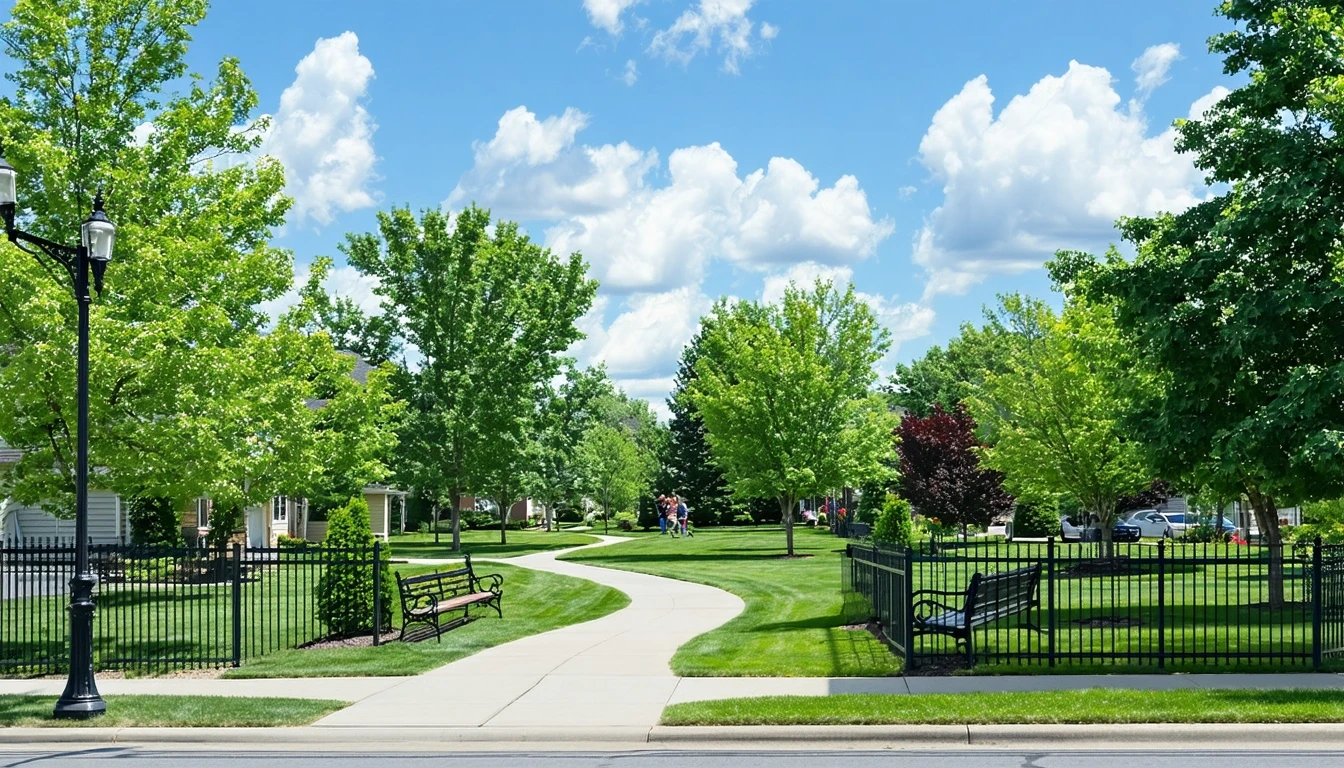
Canal Winchester offers low-rise residential neighborhoods with strong family infrastructure, including high playground density and moderate school coverage. Parks are distributed throughout the city, and water features add outdoor variety for families seeking green space. The city’s mixed mobility texture—moderate pedestrian infrastructure alongside car-oriented roads—means most errands require driving, but sidewalks and bike lanes exist in pockets. Bus service provides limited transit options, though most residents rely on personal vehicles for commuting and daily logistics. Grocery and food establishments cluster along commercial corridors, rewarding planned shopping trips and bulk purchasing over spontaneous stops.
Columbus functions as the regional hub, with broader housing stock variety, shorter average commutes, and more walkable access to dining, groceries, and services. The city’s employment centers, cultural institutions, and entertainment options create a more urban lifestyle, even in residential neighborhoods. Commute times average 25 minutes, and the lower long-commute percentage (17%) suggests more predictable travel patterns for most workers. Columbus’s mixed land use allows for more spontaneous errands and dining, reducing car dependence for daily needs even though most households still own vehicles.
Recreation and outdoor access differ in texture rather than availability. Canal Winchester’s parks and water features support family-oriented activities—playgrounds, walking trails, and open space—while Columbus offers broader cultural and entertainment options alongside its park system. Families with young children often prioritize Canal Winchester’s playground density and quieter streets, while singles and couples may prefer Columbus’s walkable neighborhoods and proximity to restaurants, bars, and live music venues. Both cities experience Ohio’s four-season climate, with cold winters and warm, humid summers shaping outdoor activity patterns year-round.
Lifestyle factors indirectly affect costs in both cities. Canal Winchester’s car dependence increases fuel and maintenance expenses, while its newer housing stock reduces near-term repair costs. Columbus’s walkable errands and shorter commutes lower transportation expenses, but older housing stock may introduce higher utility bills and maintenance needs. Families prioritizing space and school quality often find Canal Winchester’s lifestyle tradeoffs worthwhile, while singles and couples valuing convenience and urban access lean toward Columbus.
Canal Winchester’s average commute time is 30 minutes, with 25% of workers facing long commutes over 45 minutes.
Columbus’s median household income sits at $62,994 per year, compared to Canal Winchester’s $111,119.
Frequently Asked Questions
Is Canal Winchester or Columbus cheaper for renters in 2026?
Columbus offers lower baseline rent obligations, with median gross rent at $1,161 per month compared to Canal Winchester’s $1,525. That difference creates more breathing room for singles and couples managing tighter budgets, though Canal Winchester’s higher rent often reflects newer construction, larger units, and family-oriented neighborhoods. Renters prioritizing lower monthly costs and shorter commutes typically find Columbus more aligned with their needs, while those seeking space and school access may justify Canal Winchester’s premium.
How do commute times between Canal Winchester and Columbus affect household costs in 2026?
Canal Winchester’s 30-minute average commute and 25% long-commute exposure add time costs and fuel consumption compared to Columbus’s 25-minute average and 17% long-commute rate. Households with two working adults feel this pressure more acutely, as longer drives compound over weeks and months, increasing vehicle wear and reducing schedule flexibility. Columbus’s shorter commutes reduce daily friction and improve time budgets, making it easier to manage dual-income logistics and after-work errands.
Do Canal Winchester and Columbus have different utility costs in 2026?
Electricity and natural gas rates are identical in both cities—17.85¢ per kWh and $23.03 per MCF—so utility cost differences stem from housing size and age rather than pricing. Canal Winchester’s larger, newer homes consume more energy in absolute terms but benefit from better insulation and efficiency. Columbus’s older, smaller units show lower total bills but higher per-square-foot exposure and greater seasonal volatility. Families in larger homes accept higher baseline energy costs, while singles and couples in smaller spaces prioritize lower total usage.
Which city is better for families with kids: Canal Winchester or Columbus in 2026?
Canal Winchester offers strong family infrastructure, with high playground density, moderate school coverage, and low-rise neighborhoods designed for suburban family life. Higher housing costs and longer commutes create tradeoffs, but families prioritizing space, school access, and outdoor amenities often find those pressures justified. Columbus provides lower housing entry barriers and shorter commutes, easing dual-income logistics, though families must weigh those benefits against reduced space and less concentrated family infrastructure. The better fit depends on whether your family absorbs cost pressure better through higher housing obligations or through tighter space and longer-term maintenance exposure.
How do grocery and daily expenses compare between Canal Winchester and Columbus in 2026?
Both cities share the same regional price environment, so grocery cost differences stem from access patterns rather than pricing. Canal Winchester’s corridor-clustered grocery layout favors planned, bulk shopping trips and big-box access, reducing per-unit costs but increasing car dependence. Columbus’s broader grocery accessibility and mixed land use allow for smaller, more frequent trips and walkable errands, which can either reduce costs through targeted purchases or increase them by lowering friction for impulse spending. Families managing high grocery volumes often prefer Canal Winchester’s big-box efficiency, while singles and couples benefit from Columbus’s neighborhood store density.
Conclusion
Canal Winchester and Columbus offer fundamentally different cost structures, shaped by housing entry barriers, commute patterns, and the texture of daily logistics. Canal Winchester’s higher median home value ($271,900) and rent ($1,525 per month) create front-loaded pressure, favoring families with stable income, long-term plans, and tolerance for longer commutes. Columbus’s lower housing thresholds ($212,500 median home value, $1,161 median rent) and shorter average commute times (25 minutes versus 30) reduce baseline monthly obligations and daily friction, fitting singles, couples, and dual-income households prioritizing flexibility and proximity. Utilities cost the same in both cities due to identical rates, but housing size and age determine actual bills—larger, newer homes in Canal Winchester drive higher absolute usage, while older, smaller units in Columbus introduce seasonal volatility.
The better choice depends on which cost pressures your household can absorb. Families prioritizing space, school access, and playground density often find Canal Winchester’s higher entry costs and commute friction justified by strong family infrastructure and newer housing stock. Singles and couples managing tighter budgets or dual-income schedules typically prefer Columbus’s lower monthly obligations, shorter commutes, and walkable