
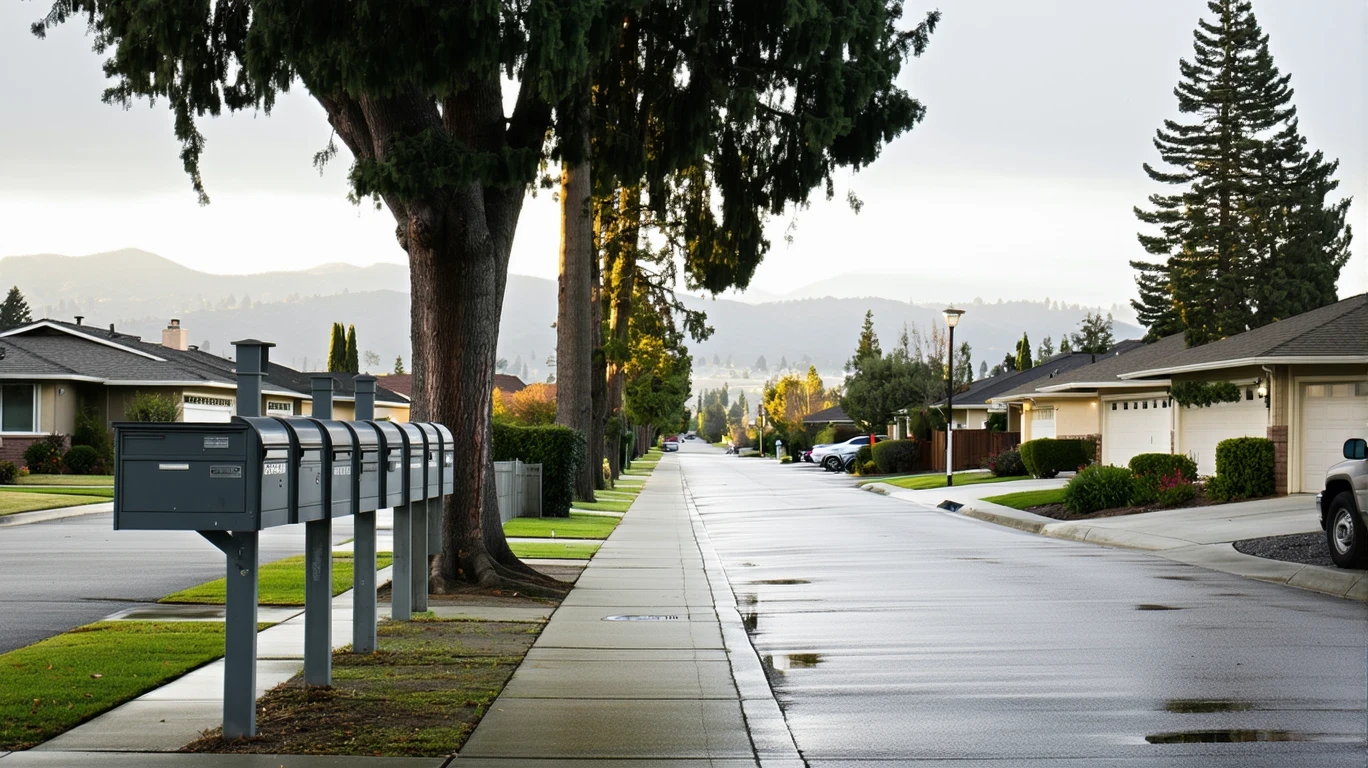
Campbell’s median rent sits at $2,619 per month while Santa Clara’s reaches $2,841—a difference that matters less than where cost pressure concentrates once you’re inside each city. Both sit in Silicon Valley’s high-cost core, share identical utility rates, and face the same gas prices at the pump. The decision between them in 2026 isn’t about which is “cheaper overall”—it’s about whether your household is more exposed to ongoing rent obligations, commute friction, or the daily logistics of errands, schools, and getting around without burning time in the car. Campbell offers walkable pockets with rail access and integrated parks; Santa Clara presents a different trade-off in commute time and income context. For households sensitive to car dependency, time cost, or family infrastructure density, the structural differences define the experience more than the rent gap.
This comparison explains how cost pressure behaves differently in each city—not which one costs less in total, but where expenses concentrate, what drives volatility, and which households feel the differences most acutely. If you’re deciding between Campbell and Santa Clara, the answer depends on what your household can’t negotiate away: housing entry barriers, daily errands friction, commute exposure, or the density of family-oriented amenities. Both cities demand high income to access; the question is which cost structure aligns with how you actually live.
Housing Costs in Campbell vs Santa Clara
Campbell’s median home value of $1,473,700 sits above Santa Clara’s $1,440,200, but the difference in entry barrier is less meaningful than the ongoing obligation gap for renters. Santa Clara’s median gross rent of $2,841 per month runs $222 higher than Campbell’s $2,619, a structural difference that compounds month after month for households locked into the rental market. For renters, that gap represents increased exposure to lease renewals, rent escalation cycles, and reduced flexibility when income volatility hits. Campbell’s lower rent doesn’t make it affordable—it makes the ongoing obligation slightly less rigid for households already stretched thin by Silicon Valley’s housing pressure.
Homeownership entry barriers in both cities remain severe, with median values well above $1.4 million. The $33,500 difference in median home value between Campbell and Santa Clara translates into marginally different down payment requirements and monthly mortgage obligations, but both cities demand substantial equity and income documentation to access ownership. For first-time buyers, the distinction matters less than the shared reality: both markets favor cash-heavy offers, dual high incomes, and tolerance for older housing stock or smaller lot sizes. Families seeking single-family homes with yards face similar constraints in both cities, though Campbell’s stronger family infrastructure (high school density, integrated parks) may justify the slightly higher entry cost for households prioritizing walkable access to schools and playgrounds.
The housing decision between Campbell and Santa Clara depends on whether your household is more exposed to rent volatility or ownership entry barriers. Renters face higher ongoing obligations in Santa Clara, with less month-to-month flexibility when other costs spike. Buyers face marginally higher entry costs in Campbell but gain access to denser family amenities and walkable errands infrastructure that reduces car dependency over time. For households planning to stay several years, Campbell’s pedestrian-to-road ratio and rail access may offset the higher purchase price by lowering transportation and time costs. For households prioritizing income flexibility and shorter commutes, Santa Clara’s lower home values and 23-minute average commute present a different trade-off.
Utilities and Energy Costs
Both Campbell and Santa Clara share identical electricity rates at 33.60¢/kWh and natural gas prices at $21.94/MCF, eliminating any structural cost difference in utility exposure between the two cities. What differs is how housing stock, building age, and household size interact with those rates. Older single-family homes in both cities—common in neighborhoods built before modern insulation standards—experience higher heating and cooling loads during Silicon Valley’s warm, dry summers and mild but occasionally chilly winters. Apartments and newer townhomes, more common in Santa Clara’s denser corridors, tend to buffer temperature swings through shared walls and tighter building envelopes, reducing baseline electricity usage even when rates stay constant.
Cooling dominates summer utility exposure in both cities, with extended warm seasons driving air conditioning usage from late spring through early fall. Households in larger single-family homes face higher cumulative usage simply due to square footage, while smaller units in multi-family buildings experience lower absolute bills despite identical per-kilowatt-hour costs. Heating exposure remains modest compared to colder climates, but natural gas costs still rise during winter months for homes relying on forced-air systems. The predictability of utility costs in both cities depends more on housing type and size than on rate differences—because the rates don’t differ at all.
For single adults or couples in apartments, utility costs in both Campbell and Santa Clara remain relatively predictable and modest, with most volatility tied to summer cooling rather than winter heating. Families in larger homes face greater exposure to seasonal swings, particularly if the home was built before energy efficiency became standard practice. Campbell’s mixed building height character and Santa Clara’s similar housing stock mean that utility cost exposure tracks household size and home age more than city boundaries. Households moving from older single-family homes to newer apartments can expect lower utility volatility in either city; those moving in the opposite direction should anticipate higher baseline usage and less predictable monthly bills, regardless of which city they choose.
Groceries and Daily Expenses
Both Campbell and Santa Clara operate within the same regional price parity index, meaning grocery staples, household goods, and everyday essentials cost effectively the same in both cities. The structural difference isn’t in prices—it’s in how accessibility, store density, and convenience spending patterns interact with daily routines. Campbell’s high food and grocery establishment density means households can reach multiple shopping options without driving long distances, reducing the friction cost of comparison shopping or making quick trips for missing ingredients. Santa Clara offers similar access in commercial corridors, but the distribution and walkability of those options vary by neighborhood, making car dependency more variable depending on where within the city you live.
Convenience spending—coffee shops, takeout, prepared foods—concentrates differently in each city, with Campbell’s walkable pockets and mixed land use creating more opportunities for spontaneous spending on meals and drinks. Households sensitive to lifestyle creep may find that Campbell’s pedestrian-friendly commercial strips encourage more frequent small purchases, while Santa Clara’s more car-oriented errands patterns tend to consolidate trips and reduce impulse stops. For families managing larger grocery volumes, the difference matters less than for single adults or couples whose spending flexibility hinges on whether grabbing dinner or coffee requires intentional planning or just happens along the walk home.
Single adults and couples in Campbell benefit from broadly accessible food options that reduce the need to plan every meal in advance, lowering the time cost of daily errands even if prices stay constant. Families with kids face similar grocery prices in both cities but may find Campbell’s integrated parks and walkable errands infrastructure make it easier to combine trips—picking up groceries on the way home from school or the playground without adding separate car trips. Santa Clara households relying on big-box stores or warehouse clubs for bulk purchasing face similar access in both cities, but the trade-off between unit price savings and convenience spending depends more on household routine than city structure. The decision isn’t about which city has cheaper groceries—it’s about whether your household’s daily rhythm aligns better with walkable, frequent small trips or consolidated, car-dependent shopping runs.
Taxes and Fees
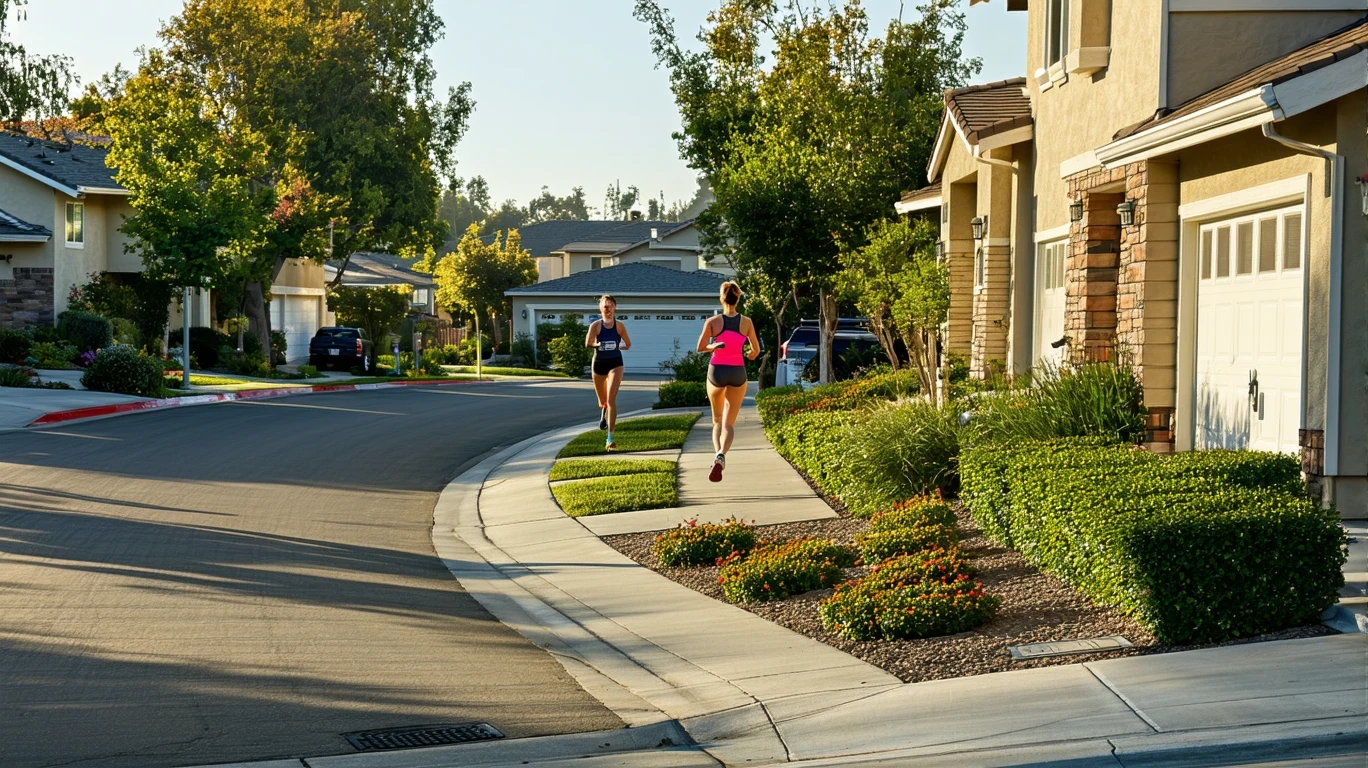
Property taxes in both Campbell and Santa Clara follow California’s Proposition 13 structure, capping assessed value increases at 2% annually for existing owners while resetting to market value upon sale. This creates a two-tier system where long-term residents experience predictable, modest tax growth, while recent buyers face substantially higher annual obligations based on purchase price. For homeowners in both cities, the primary tax exposure comes at the point of purchase—buying a $1,473,700 home in Campbell or a $1,440,200 home in Santa Clara locks in a higher baseline property tax than a neighbor who bought the same house a decade earlier. The difference in median home values translates into marginally different tax bills for new buyers, but the structural dynamic—front-loaded tax exposure at purchase, stable growth thereafter—remains identical.
Sales taxes, local fees, and service charges operate similarly in both cities, with most variation coming from HOA fees, special assessments, and utility billing structures rather than city-imposed levies. Homes in planned communities or condo complexes in either city may carry HOA fees that bundle landscaping, water, trash, or shared amenities, adding predictable monthly costs that don’t appear in rent or mortgage figures. Older single-family homes in both Campbell and Santa Clara typically avoid HOA fees but may face higher maintenance and utility costs due to aging infrastructure. Renters in both cities remain insulated from property tax volatility but indirectly absorb those costs through rent levels set by landlords managing their own tax obligations.
For recent buyers, property tax exposure in Campbell runs marginally higher due to the higher median home value, but the difference is modest compared to the shared reality of California’s tax structure. Long-term homeowners in both cities benefit equally from Proposition 13’s growth cap, making tax predictability a function of tenure rather than city choice. Renters face no direct property tax obligation in either city, but the indirect effect—landlords passing tax costs into rent—affects both markets similarly. Households planning to stay several years should focus less on the marginal tax difference and more on whether the housing stock, commute patterns, and daily errands structure justify the entry cost in each city. Taxes and fees in Campbell vs Santa Clara differ in magnitude by small amounts; they differ in structure not at all.
Transportation & Commute Reality
Campbell’s average commute time of 25 minutes sits just two minutes longer than Santa Clara’s 23 minutes, a difference too small to define the transportation decision between the two cities. What matters more is how car dependency, transit viability, and daily errands friction interact with where you work and how you move through the day. Campbell’s rail access and high pedestrian-to-road ratio mean that households living near transit corridors or walkable commercial strips can reduce car trips for errands, social outings, and short-distance travel, even if the primary commute still requires driving. Santa Clara’s shorter average commute suggests slightly less time exposure for workers heading to nearby tech campuses, but the city’s experiential signals data isn’t available, leaving transit and walkability patterns less defined.
Gas prices at $4.22 per gallon affect both cities identically, meaning fuel cost exposure depends entirely on how many miles your household drives daily. Campbell’s 37.7% long commute percentage (trips over 45 minutes) runs higher than Santa Clara’s 30.8%, indicating that a larger share of Campbell workers face extended drive times despite the modest average. For households with one or both adults commuting to distant job sites, that long-tail exposure matters more than the two-minute average difference. Campbell’s work-from-home percentage of 6.4% sits slightly above Santa Clara’s 4.7%, suggesting marginally more flexibility to avoid commute costs entirely, though both figures remain low compared to post-pandemic national trends.
For households where one adult works remotely or within walking distance, Campbell’s walkable pockets, notable bike infrastructure, and rail presence reduce the need for a second car or constant driving for daily errands. Families managing school drop-offs, grocery runs, and weekend activities benefit from Campbell’s integrated parks and broadly accessible food options, which allow more trips to be combined or completed on foot. Santa Clara households relying on cars for most errands face similar fuel costs but may experience less friction if their daily destinations cluster near major roads or commercial centers. The transportation decision between Campbell and Santa Clara depends less on commute time averages and more on whether your household can leverage Campbell’s pedestrian and transit infrastructure to reduce car dependency—or whether Santa Clara’s slightly shorter average commute and lower long-commute percentage better match your work location and daily routine.
Cost Structure Comparison
Housing pressure dominates the cost experience in both Campbell and Santa Clara, but the structure differs in ways that matter for specific households. Campbell’s lower median rent of $2,619 per month reduces ongoing obligation exposure for renters compared to Santa Clara’s $2,841, a difference that compounds over lease cycles and affects flexibility when income volatility hits. For buyers, Campbell’s higher median home value of $1,473,700 creates a marginally steeper entry barrier than Santa Clara’s $1,440,200, but both cities demand substantial down payments and high dual incomes to access ownership. Renters prioritizing month-to-month flexibility face lower ongoing costs in Campbell; buyers willing to absorb higher entry costs gain access to denser family infrastructure and walkable errands that reduce car dependency over time.
Utilities introduce identical rate exposure in both cities—33.60¢/kWh for electricity and $21.94/MCF for natural gas—but volatility depends on housing type and size rather than city boundaries. Older single-family homes in both Campbell and Santa Clara experience higher seasonal swings due to less efficient building envelopes, while newer apartments and townhomes buffer temperature extremes through shared walls and tighter construction. Families in larger homes face greater baseline usage and less predictable monthly bills; single adults or couples in smaller units experience lower absolute costs and more stable utility obligations regardless of which city they choose.
Transportation patterns matter more in Campbell for households that can leverage its walkable pockets, rail access, and high pedestrian-to-road ratio to reduce car trips. Santa Clara’s two-minute shorter average commute and lower long-commute percentage (30.8% vs 37.7%) suggest slightly less time exposure for workers heading to nearby job sites, but the lack of experiential signals data makes it harder to assess transit viability or errands accessibility. For households where both adults drive long distances daily, the commute difference is negligible; for households where one adult works remotely or locally, Campbell’s infrastructure reduces the need for constant driving. Grocery and daily expense prices remain effectively identical in both cities, meaning cost pressure comes from convenience spending patterns and how much friction your household tolerates in accessing food, services, and social destinations.
The better choice depends on which costs dominate your household’s budget and which trade-offs you can absorb. Households sensitive to ongoing rent obligations may prefer Campbell’s lower monthly rent, even if home values run slightly higher. Households prioritizing shorter commutes and higher income context may find Santa Clara’s 23-minute average and $165,352 median household income more aligned with their work patterns. For families with kids, Campbell’s strong school density, integrated parks, and walkable errands infrastructure justify the trade-offs in entry cost and slightly longer average commute. For single adults or couples prioritizing predictable costs and minimal car dependency, Campbell’s rail access and broadly accessible food options reduce daily friction in ways that Santa Clara’s structure may not match—though without experiential signals data for Santa Clara, that conclusion remains partially inferred rather than definitive.
How the Same Income Feels in Campbell vs Santa Clara
Single Adult
For a single adult, rent becomes the non-negotiable cost that defines flexibility in both cities, with Campbell’s $2,619 median leaving slightly more room than Santa Clara’s $2,841 after housing is covered. Utilities remain predictable in smaller apartments regardless of city, but transportation costs diverge based on whether you can walk or bike to work, errands, and social destinations. Campbell’s walkable pockets and rail access reduce car dependency for those living near commercial corridors, lowering fuel and parking exposure; Santa Clara’s shorter average commute benefits those driving to nearby tech campuses but offers less clarity on transit viability. Grocery and convenience spending pressure stays constant across both cities, but Campbell’s broadly accessible food options make it easier to avoid the time cost of planning every meal or trip in advance.
Dual-Income Couple
A dual-income couple faces higher baseline rent in Santa Clara but gains a shorter average commute and access to a higher-income labor market, reducing the relative burden of housing costs if both adults work locally. Campbell’s lower rent and walkable infrastructure create more flexibility for couples where one adult works remotely or prioritizes errands accessibility over commute speed. Utility costs remain similar in both cities for apartment dwellers, but couples moving into single-family homes face greater exposure to seasonal swings and baseline usage regardless of location. The decision hinges on whether both adults commute long distances—favoring Santa Clara’s time savings—or whether one adult’s schedule allows leveraging Campbell’s pedestrian and transit infrastructure to eliminate a second car or reduce fuel costs.
Family with Kids
Families face the steepest housing entry barriers in both cities, but Campbell’s strong school density, integrated parks, and walkable errands infrastructure reduce the daily logistics burden of managing drop-offs, pickups, and weekend activities. Santa Clara’s higher rent compounds ongoing obligations for renting families, while Campbell’s marginally higher home values affect buying families at the point of purchase but stabilize thereafter under California’s property tax structure. Utility costs rise with home size in both cities, but families in newer construction or smaller townhomes experience less volatility than those in older single-family homes. The transportation trade-off depends on whether both parents commute long distances—where Santa Clara’s shorter average helps—or whether one parent’s flexibility allows combining errands, school runs, and park visits on foot or by bike in Campbell’s denser family-oriented corridors.
Decision Matrix: Which City Fits Which Household?
| Decision factor | If you’re sensitive to this… | Campbell tends to fit when… | Santa Clara tends to fit when… |
|---|---|---|---|
| Housing entry + space needs | You’re renting and need month-to-month flexibility or buying and prioritizing family infrastructure density | Lower ongoing rent obligations and access to walkable schools and parks justify marginally higher home values | Lower home values reduce entry barriers for buyers and shorter commutes offset higher rent for renters |
| Transportation dependence + commute friction | You want to reduce car trips for errands or one adult works remotely | Rail access and high pedestrian-to-road ratio allow households to eliminate second car or reduce fuel costs | Shorter average commute and lower long-commute percentage reduce time exposure for dual-driver households |
| Utility variability + home size exposure | You’re moving into a larger or older home and want predictable monthly bills | Mixed building height and apartment options buffer seasonal swings for smaller households | Similar housing stock and identical rates mean exposure depends on home type not city choice |
| Grocery strategy + convenience spending creep | You prefer frequent small trips over bulk shopping or want walkable food access | Broadly accessible food options and walkable commercial strips reduce planning friction and support spontaneous errands | Prices remain identical but car-dependent errands patterns may reduce impulse convenience spending |
| Fees + friction costs (HOA, services, upkeep) | You’re buying and want to avoid unpredictable assessments or bundled service fees | Older single-family homes avoid HOA fees but may face higher maintenance costs over time | Similar housing stock means fee exposure depends on property type not city boundaries |
| Time budget (schedule flexibility, errands, logistics) | You manage school runs, weekend activities, or daily errands without burning hours in the car | Integrated parks and strong family infrastructure allow combining trips and reducing logistics complexity | Shorter commute saves time for work travel but errands accessibility remains less defined without experiential data |
Lifestyle Fit: What Daily Life Feels Like
Campbell’s walkable pockets and rail presence create a different daily rhythm than Santa Clara’s more car-oriented structure, particularly for households that can live near commercial corridors or transit stops. The city’s high pedestrian-to-road ratio and notable bike infrastructure mean that errands, coffee runs, and social outings don’t always require driving, reducing the time cost of daily logistics even when fuel prices stay constant. Integrated parks and strong family infrastructure—high school density and accessible playgrounds—make Campbell a natural fit for families managing school drop-offs, weekend activities, and the constant motion of kids’ schedules. For single adults or couples prioritizing walkability and transit access, Campbell’s mixed land use and broadly accessible food options reduce the friction of daily life in ways that show up in time saved, not just money spent.
Santa Clara’s shorter average commute of 23 minutes and lower long-commute percentage suggest less time exposure for workers heading to nearby tech campuses, a meaningful advantage for dual-income households where both adults drive daily. The city’s higher median household income of $165,352 reflects its position within Silicon Valley’s high-earning labor market, though that figure represents market context rather than a guarantee of affordability. Without experiential signals data for Santa Clara, transit viability and errands accessibility remain less defined, but the city’s commercial corridors and proximity to major employers create opportunities for households whose work and daily routines cluster near those centers. For households prioritizing commute speed and income context over walkability, Santa Clara’s structure aligns with a car-dependent but time-efficient lifestyle.
Both cities share Silicon Valley’s mild, dry climate, with warm summers driving cooling costs and rare cold snaps requiring minimal heating compared to northern or inland regions. Outdoor recreation access in Campbell benefits from integrated parks and water features, supporting active lifestyles without requiring long drives to trailheads or open space. Santa Clara’s proximity to regional parks and tech campuses offers similar access, though the density and walkability of those amenities vary by neighborhood. For families, Campbell’s strong school density and playground access create a more cohesive daily experience; for professionals prioritizing work proximity and income potential, Santa Clara’s labor market context and shorter commute present a different trade-off. Campbell’s 25-minute average commute sits just two minutes longer than Santa Clara’s 23 minutes, a negligible difference for most households. Campbell’s 6.4% work-from-home percentage exceeds Santa Clara’s 4.7%, offering slightly more flexibility to avoid commute costs entirely.
What People Ask When Comparing Campbell and Santa Clara in 2026
Is Campbell or Santa Clara more affordable for renters in 2026?
Campbell’s median gross rent of $2,619 per month runs $222 lower than Santa Clara’s $2,841, reducing ongoing obligation exposure for renters who prioritize month-to-month flexibility. The difference compounds over lease cycles and matters most for households already stretched thin by Silicon Valley’s housing pressure. Santa Clara’s higher rent doesn’t make it unaffordable—it makes the ongoing cost structure slightly more rigid when income volatility or unexpected expenses hit. For renters, Campbell’s lower rent and walkable errands infrastructure reduce both cash outflow and the time cost of daily logistics, while Santa Clara’s shorter average commute and higher-income labor market context may offset the rent gap for dual-earner households working nearby.
Which city has lower housing entry costs for buyers, Campbell or Santa Clara?
Santa Clara’s median home value of $1,440,200 sits $33,500 below Campbell’s $1,473,700, creating a marginally lower entry barrier for buyers, though both cities demand substantial down payments and high dual incomes to access ownership. The difference in purchase price translates into modestly different mortgage obligations and property tax baselines, but the shared reality—both markets favor cash-heavy offers and compete within Silicon Valley’s severe housing shortage—defines the experience more than the gap. For families prioritizing walkable schools, integrated parks, and strong family infrastructure, Campbell’s higher entry cost may justify the trade-off; for buyers focused on minimizing upfront capital and accessing a higher-income labor market, Santa Clara’s lower home values and shorter commute present a different calculation.
Do Campbell and Santa Clara have different utility costs in 2026?
No—both cities share identical electricity rates at 33.60¢/kWh and natural gas prices at $21.94/MCF, eliminating any structural cost difference in utility exposure. What differs is how housing type, building age, and household size interact with those rates. Older single-family homes in both cities experience higher seasonal swings due to less efficient insulation and larger square footage, while newer apartments and townhomes buffer temperature extremes and reduce baseline usage. Families in larger homes face greater utility volatility in both Campbell and Santa Clara; single adults or couples in smaller units experience lower absolute costs and more predictable monthly bills regardless of city choice. The utility decision depends on the home you choose, not the city boundary.
Is it easier to live without a car in Campbell or Santa Clara?
Campbell’s rail access, high pedestrian-to-road ratio, and notable bike infrastructure make it easier to reduce car dependency for households living near transit corridors or walkable commercial strips. The city’s broadly accessible food options and mixed land use mean that errands, social outings, and short-distance travel don’t always require driving, lowering fuel costs and time spent in traffic. Santa Clara’s transit viability and walkability patterns remain less defined due to the absence of experiential signals data, but the city’s shorter average commute and proximity to major tech employers suggest a car-dependent but time-efficient structure. For households where one adult works remotely or locally, Campbell’s infrastructure reduces the need for a second car; for dual-driver households commuting to nearby campuses, Santa Clara’s shorter average commute may matter more than transit access.
Which city is better for families with kids, Campbell or Santa Clara in 2026?
Campbell’s strong school density, integrated parks, and walkable errands infrastructure create a more cohesive daily experience for families managing school drop-offs, weekend activities, and the constant logistics of kids’ schedules. The city’s high pedestrian-to-road ratio and accessible playgrounds allow families to combine trips and reduce car dependency, lowering both fuel costs and the time burden of daily routines. Santa Clara’s higher median rent and less-defined family infrastructure make it harder to assess fit without experiential signals data, though the city’s shorter average commute and higher-income labor market context may offset housing costs for dual-earner families. For families prioritizing walkable schools and parks, Campbell’s cost structure aligns better with daily logistics; for families where both parents commute long distances, Santa Clara’s time savings and income potential present a different trade-off.
Conclusion: Choosing Between Campbell and Santa Clara
The decision between Campbell and Santa Clara in 2026 depends on which cost pressures dominate your household and which trade-offs you can absorb. Campbell’s lower median rent of $2,619 reduces ongoing obligations for renters, while its walkable pockets, rail access, and strong family infrastructure make it easier to reduce car dependency and manage daily logistics without constant driving. Santa Clara’s higher rent of $2,841 and marginally lower home values create a different structure—higher ongoing costs for renters, slightly lower entry barriers for buyers, and a shorter average commute that benefits dual-driver households working nearby. Both cities share identical utility rates, similar housing stock, and the same regional price parity for groceries, meaning the cost differences concentrate in housing obligations, transportation patterns, and the friction cost of daily errands.
For families with kids, Campbell’s integrated parks, high school density, and walkable errands infrastructure reduce the time and logistics burden of managing school runs, weekend activities, and household routines. For single adults or couples prioritizing transit access and walkability, Campbell’s rail presence and broadly accessible food options lower car dependency and convenience spending friction. For dual-income households where both adults commute to nearby tech campuses, Santa Clara’s shorter average commute and higher-income labor market context may justify the higher rent and less-defined transit viability. Neither city is “cheaper overall”—both demand high incomes and substantial housing capital to access. The better choice depends on whether your household is more exposed to ongoing rent obligations, commute time, or the daily friction of getting around, running errands, and managing family logistics in a car-dependent region. Campbell fits households that can leverage its walkable infrastructure to reduce transportation costs and time exposure; Santa Clara fits households prioritizing commute speed and income potential over pedestrian access and family amenity density.
How this article was built: In addition to public economic data, this article incorporates location-based experiential signals derived from anonymized geographic patterns—such as access density, walkability, and land-use mix—to reflect how day-to-day living actually feels in Campbell, CA.