
Buena Park is considered expensive in 2026, with median home values at $702,600 and median rent at $2,012 per month. The value proposition depends on housing entry cost versus transportation flexibility—rail access and walkable pockets reduce car dependence more than typical Orange County suburbs.
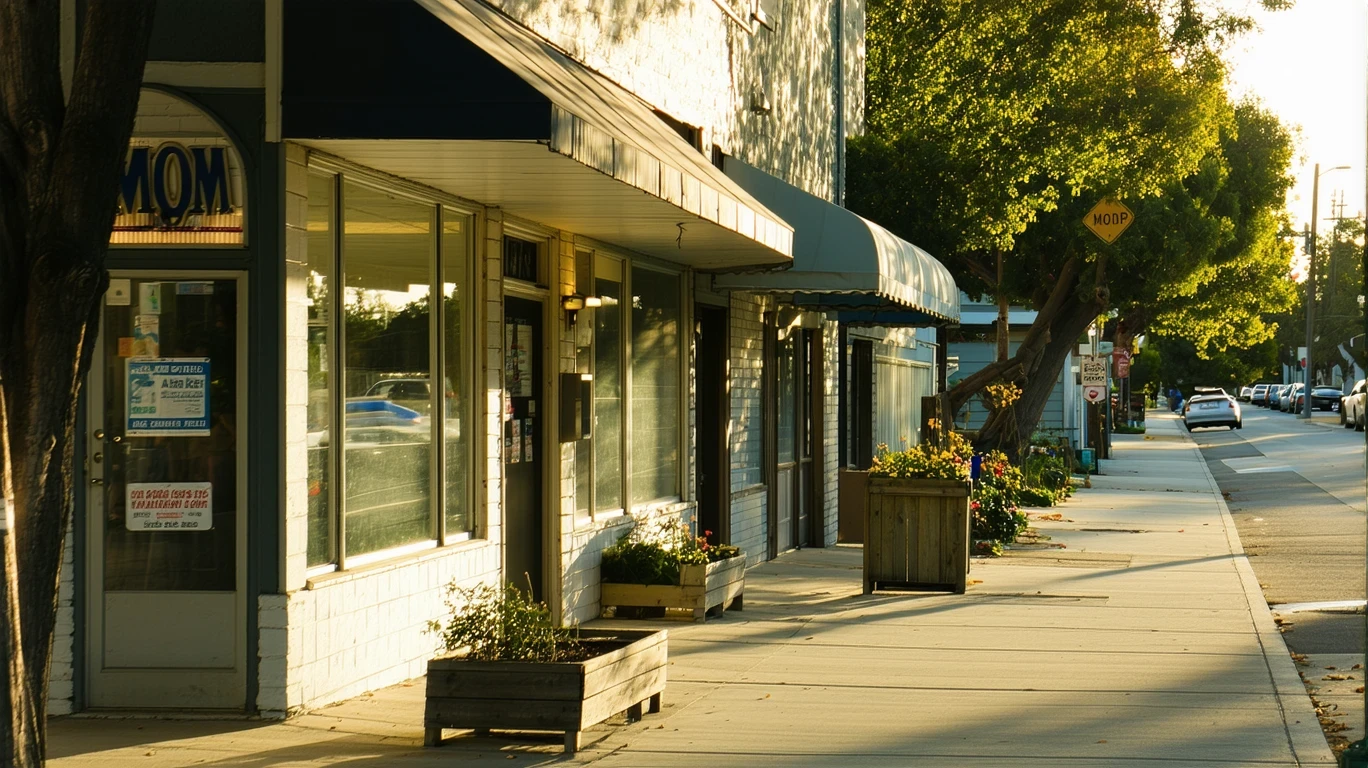
Is the True Cost of Living Higher Than You Think?
Buena Park sits in Orange County’s dense suburban core, where housing dominates household budgets but infrastructure offers more transportation choice than the region’s car-centric reputation suggests. The city’s cost structure reflects California’s broader housing pressure, but its transit connectivity and compact errands landscape create meaningful offsets for households willing to use them. Understanding what drives expenses here—and where structural features reduce friction—determines whether the city’s price tag translates to financial strain or manageable tradeoffs.
Overall Cost of Living Snapshot
Buena Park’s regional price parity index sits at 100, indicating costs align closely with the broader California baseline. Housing anchors the expense profile: $702,600 median home values place ownership out of reach for many without substantial equity or dual incomes, while $2,012 monthly rent reflects Orange County’s tight rental market. Electricity rates run 33.60¢/kWh—well above national norms—and gas prices hover at $4.20/gallon, adding recurring pressure to vehicle-dependent households.
Yet the city’s structure introduces cost-mitigating features often absent in comparable suburbs. Rail transit service provides a viable alternative to solo driving for regional commutes, and high-density food and grocery establishments mean most errands stay local. Walkable pockets with substantial pedestrian infrastructure reduce the need for short-distance car trips, cutting fuel and maintenance exposure. The surprise isn’t the sticker price—it’s that Buena Park’s layout offers more control over transportation and errands costs than its suburban label implies.
Driver verdict: Housing entry cost dominates, but transit access and errands density create structural relief for households that adapt their routines. Surprises come from utility seasonality and the gap between assumed car dependence and actual transit viability.
Housing Costs (Primary Driver)
At $702,600, median home values in Buena Park require significant down payments and mortgage capacity. A conventional 20% down payment means $140,520 upfront, with monthly principal and interest payments scaling with prevailing rates. Property taxes, insurance, and maintenance add recurring layers—ownership here is a long-term commitment suited to stable, higher-income households or those leveraging existing equity.
Renting offers a lower entry threshold but no equity accumulation. At $2,012 per month median gross rent, annual housing costs exceed $24,000 before utilities. Renters avoid maintenance volatility and property tax exposure but face lease renewal risk in a market where landlords hold pricing power. The rental stock skews toward multifamily buildings with mixed height character and integrated land use, meaning walkability and errands access come standard—renters gain structural convenience without ownership’s capital burden.
Buena Park functions as a transitional city for many: renters who prioritize transit access and walkable errands over ownership, and buyers who accept high entry costs in exchange for Orange County’s job market proximity and established family infrastructure. The housing tradeoffs hinge on whether you value liquidity and flexibility (rent) or long-term stability and equity (own).
| Housing Type | Cost Anchor | What That Buys You |
|---|---|---|
| Median Home Value | $702,600 | Ownership equity, property tax exposure, maintenance control, long-term stability |
| Median Gross Rent | $2,012/month | Lower entry cost, lease flexibility, no maintenance burden, renewal risk |
Utilities & Energy Risk
Electricity in Buena Park costs 33.60¢ per kilowatt-hour, reflecting California’s high energy rates and the state’s grid investment costs. Coastal proximity moderates temperature extremes—current conditions sit at 63°F—but summer heat still drives air conditioning usage, and older housing stock without efficient insulation amplifies consumption. Households in poorly sealed units face higher bills during extended cooling seasons, though the climate rarely demands heating intensity seen in colder regions.
Natural gas runs $21.94 per thousand cubic feet (MCF), or roughly 100 therms. Gas usage peaks in winter months for heating and year-round for water heating and cooking, but mild winters keep consumption lower than inland or northern California cities. The bigger exposure comes from rate volatility—natural gas prices swing with supply conditions and regulatory changes, making winter bills less predictable than summer electricity costs.
Risk classification: moderate. Utility volatility is present but manageable. Households in newer, well-insulated units with efficient appliances face lower exposure. Those in older buildings or units with poor airflow should budget for seasonal spikes, particularly during summer afternoons when grid demand peaks and tiered pricing kicks in.
Groceries & Daily Costs
Buena Park’s grocery landscape reflects California’s elevated food costs, shaped by the state’s regional price parity and supply chain structure. Bread runs $1.83 per pound, eggs $2.71 per dozen, ground beef $6.69 per pound, and milk $4.05 per half-gallon. These figures derive from national baselines adjusted for regional price parity—not observed local prices—but they signal the directional pressure households face when stocking kitchens.
What matters more than individual item prices is the city’s infrastructure for daily errands. Food and grocery establishment density exceeds high thresholds, meaning most households live within short distances of multiple shopping options. This broad accessibility reduces the need for long drives to restock, cutting fuel costs and time friction. Stores such as regional chains and independent grocers cluster along commercial corridors, and mixed land use means residential neighborhoods sit adjacent to shopping districts. The result: grocery costs run high by national standards, but the effort required to access them stays low.
For cost-conscious households, the density of options creates competition and choice. Discount grocers, ethnic markets, and bulk retailers coexist within the same geography, allowing households to shop strategically without adding miles or complexity.
Transportation Reality
Buena Park’s average commute runs 29 minutes, with 47.6% of workers facing long commutes and only 13.3% working from home. These figures suggest most residents travel outside the city for employment, a common pattern in Orange County’s polycentric job market. Yet the city’s transit infrastructure—specifically rail service—offers a structural alternative to solo driving that many suburban cities lack.
Rail transit connects Buena Park to regional employment centers, reducing the need for daily vehicle use among commuters willing to adapt their routines. Bus service supplements rail coverage, and the city’s walkable pockets mean short trips to errands or transit stops don’t require a car. For households with one vehicle or those seeking to avoid peak-hour freeway congestion, transit becomes a cost-control lever: lower fuel consumption, reduced parking fees, and deferred maintenance.
But car dependency remains the default for many. At $4.20 per gallon, fuel costs add up quickly for multi-vehicle households or those commuting long distances without transit access. The city’s structure supports both car-oriented and transit-oriented lifestyles—the cost difference hinges on which mode a household commits to. Cycling infrastructure exists in pockets, offering another low-cost option for short trips, though it’s not yet comprehensive citywide.
Transportation as recurring exposure: Households locked into long solo commutes face sustained fuel and vehicle costs. Those near rail lines or within walkable errands zones gain structural cost relief. The city’s layout rewards adaptation more than it penalizes car use, but the savings require intentional routing and mode choice.
How Place Structure Shapes Daily Costs
Buena Park’s physical layout directly influences how households move, shop, and manage logistics—and those patterns shape monthly expenses in ways price lists alone don’t capture. The city’s pedestrian-to-road ratio exceeds high thresholds in certain areas, creating walkable pockets where sidewalks, crossings, and mixed-use blocks reduce the need for short car trips. Residents in these zones can walk to grocery stores, pharmacies, and schools without planning around vehicle availability, cutting fuel costs and freeing up time.
Rail transit service adds another structural advantage: commuters can bypass freeway congestion and parking fees, reducing both direct costs and the wear-and-tear exposure that comes with daily driving. Food and grocery density exceeds high thresholds citywide, meaning most households live within a short distance of multiple shopping options—this accessibility reduces the “grocery run” from a planned expedition to a quick errand, lowering the friction and cost of restocking essentials.
Park density also exceeds high thresholds, and water features are present, giving families low-cost outdoor recreation options without needing to drive to regional parks. School and playground density both sit in the medium band, supporting family logistics without requiring long drop-off commutes. For families, this infrastructure translates to fewer miles driven per week and more flexibility in how they structure daily routines.
The city’s building height profile sits in the mixed range, and both residential and commercial land use types are present throughout, creating a compact, interwoven environment. This isn’t a sprawling suburb where every task requires a car—it’s a denser, more accessible layout where households can choose lower-cost modes for many trips. The cost benefit isn’t automatic, but it’s available to those who align their routines with the city’s structure.
Cost Exposure Profiles
Cost pressure in Buena Park concentrates in housing entry and transportation dependence, but exposure varies sharply based on household structure and mode choice. Renters face lower upfront costs but higher lease renewal risk and no equity accumulation—monthly rent consumes a significant share of income without building long-term wealth. Owners absorb property taxes, insurance, and maintenance volatility but gain stability and equity growth, making ownership a better fit for households with stable income and long time horizons.
Transportation exposure splits along infrastructure use. Households near rail lines or within walkable pockets can reduce vehicle costs substantially by shifting commutes and errands to transit, biking, or walking. Those in car-dependent zones or with long commutes to areas without transit access face sustained fuel, maintenance, and parking costs—multi-vehicle households see this exposure multiply. The city’s structure supports both modes, but the cost gap between them widens with distance and trip frequency.
Utility exposure remains moderate across the city, driven more by housing quality than geography. Households in older, poorly insulated units face higher electricity bills during summer cooling and gas bills during winter heating. Those in newer, efficient buildings with sealed windows and modern HVAC systems see lower seasonal swings. The climate’s mildness limits extreme exposure, but rate volatility—especially for natural gas—introduces unpredictability that budgeting must account for.
Low-exposure situations: renters in walkable zones near rail, using transit for commutes and walking for errands, living in efficient units. High-exposure situations: owners with long solo commutes, multiple vehicles, older housing stock, and no transit access. The city’s cost structure rewards households that align their routines with its infrastructure and penalizes those who default to car-centric, energy-intensive patterns without considering alternatives.
Frequently Asked Questions
Is Buena Park more affordable than nearby Orange County cities in 2026? Buena Park’s median home value of $702,600 and median rent of $2,012 per month place it in the expensive range for Orange County, though rail access and walkable errands infrastructure offer cost-control levers less common in purely car-dependent suburbs. Affordability depends on whether a household can leverage transit and density to offset housing costs.
What does a typical cost profile look like in Buena Park? Housing dominates, with ownership requiring substantial down payments and renters facing tight lease markets. Transportation costs vary widely—households using rail and walkable errands zones spend far less than those commuting long distances by car. Utilities run moderate, with electricity rates high but mild climate reducing extreme seasonal exposure.
Do utilities cost more in Buena Park than nearby areas? Electricity rates at 33.60¢/kWh reflect California’s statewide pricing structure, so Buena Park aligns with regional norms rather than standing out as unusually high. Natural gas at $21.94/MCF also tracks with Southern California averages, though rate volatility introduces seasonal unpredictability.
What costs tend to surprise newcomers in Buena Park? Many expect pure car dependence given the suburban setting, but rail transit and high errands density mean transportation costs can be lower than anticipated for households willing to adapt. Conversely, grocery prices and electricity rates run higher than national averages, catching those relocating from lower-cost states off guard.
Are property taxes higher in Buena Park than nearby cities? Property taxes in California are governed by Proposition 13, capping base rates at 1% of assessed value plus voter-approved local bonds and assessments. Buena Park’s effective tax rate aligns closely with other Orange County cities, though newer buyers face higher assessments than long-term owners due to the measure’s acquisition-value structure.
How does Buena Park’s cost structure compare to other Orange County suburbs? Buena Park’s housing costs sit in the expensive range, similar to much of Orange County, but its rail connectivity and walkable pockets distinguish it from sprawling, car-only suburbs. Households prioritizing transit access and errands density may find better cost control here than in cities lacking that infrastructure.
What’s the biggest cost lever households can control in Buena Park? Transportation mode choice offers the widest cost variance. Households that shift commutes to rail and errands to walking or biking can cut fuel, parking, and maintenance costs significantly. Housing type—renting versus owning—determines long-term wealth accumulation but offers less month-to-month flexibility once committed.
Does Buena Park’s climate create unusual utility exposure? The mild coastal climate limits extreme heating and cooling demand, keeping utility exposure moderate relative to inland California cities with triple-digit summers or northern regions with long heating seasons. Seasonal bills fluctuate, but the swings are smaller and more predictable than in climate extremes.
How this article was built: In addition to public economic data, this article incorporates location-based experiential signals derived from anonymized geographic patterns—such as access density, walkability, and land-use mix—to reflect how day-to-day living actually feels in Buena Park, CA.