

Buena Park and Anaheim sit just miles apart in Orange County, share the same utility providers, and draw from the same regional job market. Yet the financial experience of living in each city feels different—not because one is universally cheaper, but because cost pressure concentrates in different places depending on household structure, income margin, and daily logistics. In 2026, families weighing these two cities aren’t choosing between expensive and affordable; they’re choosing between different versions of Orange County suburban life, each with its own tradeoffs in housing entry costs, rental availability, commute flexibility, and the friction of managing a household.
Both cities offer rail transit access, walkable pockets, and strong family infrastructure. Both require car ownership for most households. The meaningful differences emerge in how housing costs interact with household income, how commute patterns shape daily schedules, and how the built environment either simplifies or complicates errands, school runs, and weekend routines. This comparison explains where cost pressure shows up in each city, which households feel it most acutely, and why the better choice depends entirely on what your household can’t compromise on.
For a couple debating whether to rent in Anaheim or stretch toward homeownership in Buena Park, the decision hinges less on monthly totals and more on whether they value lower entry barriers now or long-term predictability later. For a family choosing between similar single-family homes in both cities, the question becomes whether a slightly shorter commute or a neighborhood with better walkability to parks and schools reduces the invisible costs of time, coordination, and stress.
Housing Costs in Buena Park vs Anaheim
Buena Park’s median home value sits at $702,600, while Anaheim’s reaches $713,600. That difference reflects not affordability, but housing stock composition, lot sizes, and proximity to employment centers or entertainment districts. Buena Park’s lower entry point may appeal to first-time buyers prioritizing space or yard access, while Anaheim’s higher values often correspond to neighborhoods closer to transit nodes, newer developments, or areas with denser retail and dining infrastructure. Neither city offers a clear advantage for buyers—both require substantial down payments and expose owners to property tax obligations, insurance premiums, and maintenance costs that grow with home age and size.
Rental markets tell a different story. Buena Park’s median gross rent stands at $2,012 per month, compared to Anaheim’s $1,958. The modest difference suggests that renters in Anaheim may access slightly lower baseline costs, but the practical experience depends heavily on unit type, building age, and whether the rental includes parking, utilities, or access to shared amenities. In both cities, renters face limited flexibility once locked into a lease—annual increases, building turnover, and competition for desirable units create pressure that doesn’t show up in median figures. Renters prioritizing proximity to rail transit or walkable errands may find Anaheim’s denser corridors offer more options, while those seeking quieter residential blocks with yard space may prefer Buena Park’s layout.
For families, the housing decision extends beyond price to include school access, park density, and whether the neighborhood supports walking or biking for daily errands. Both cities show strong family infrastructure, with schools and playgrounds meeting density thresholds. The choice between them often comes down to whether a household values a slightly lower purchase price in Buena Park or the potential for shorter commutes and denser amenities in Anaheim. Single adults and couples without children may prioritize rental flexibility and proximity to dining or entertainment, making Anaheim’s slightly lower rent and mixed-use corridors more appealing. First-time buyers stretching toward ownership will find Buena Park’s lower entry barrier meaningful, but only if they can absorb the ongoing costs of maintenance, utilities, and property taxes that come with single-family homeownership.
| Housing Type | Buena Park | Anaheim |
|---|---|---|
| Median Home Value | $702,600 | $713,600 |
| Median Gross Rent | $2,012/month | $1,958/month |
Housing takeaway: Buena Park offers a lower entry barrier for ownership, which matters most for buyers prioritizing space or yard access over proximity to denser commercial corridors. Anaheim’s rental market shows slightly lower baseline costs, but the practical difference depends on unit type and location within the city. Families choosing between similar single-family homes in both cities will find that the decision hinges more on commute tolerance, school boundaries, and neighborhood walkability than on purchase price alone. Renters sensitive to lease renewal volatility should focus on building age, landlord practices, and whether the unit’s location reduces transportation or convenience costs enough to offset any rent premium.
Utilities and Energy Costs
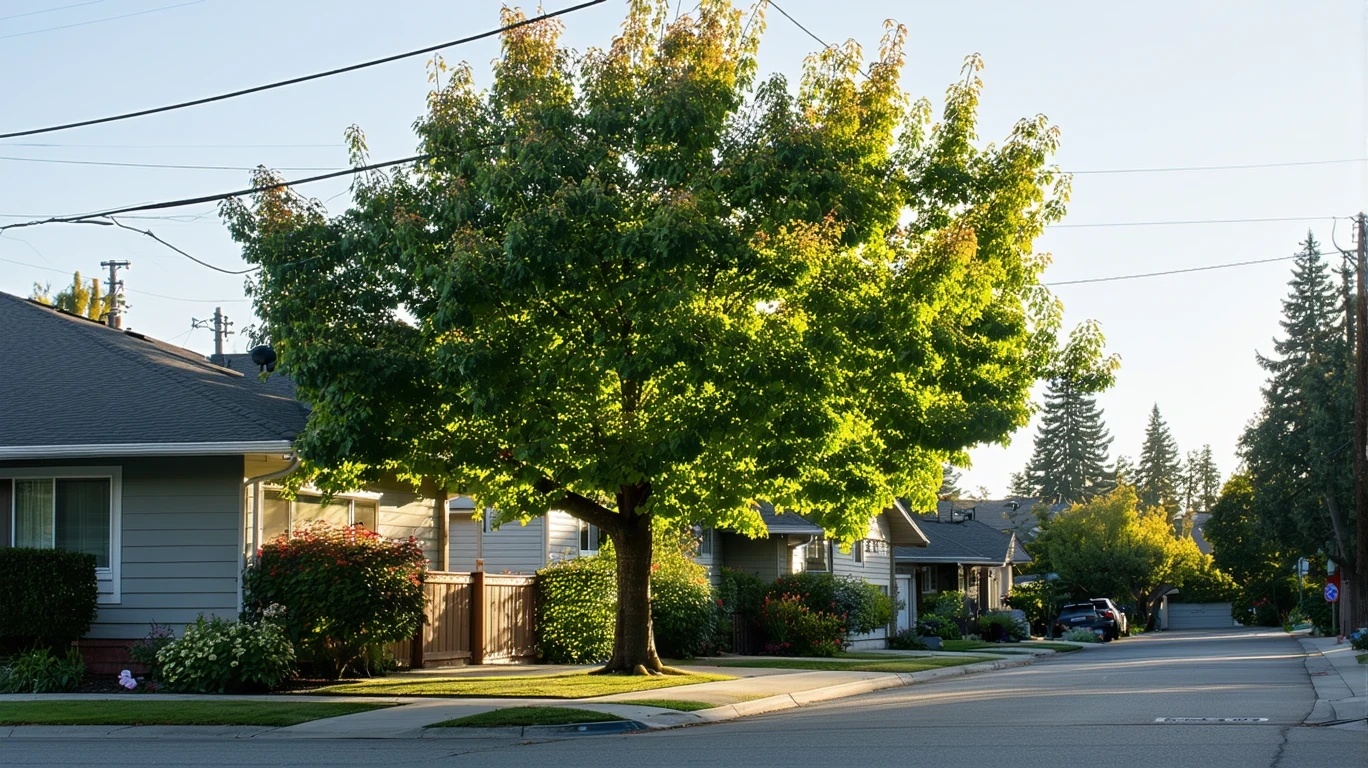
Both Buena Park and Anaheim share identical utility rate structures: electricity costs 33.60¢ per kWh, and natural gas runs $21.94 per MCF. This eliminates any rate-based advantage and shifts the comparison entirely to how housing stock, household size, and daily routines drive actual consumption. In both cities, cooling dominates summer utility bills due to extended warm seasons, while heating needs remain minimal. The meaningful differences emerge in how home age, insulation quality, and square footage amplify or dampen seasonal exposure.
Older single-family homes in both cities—common in established neighborhoods—tend to lack modern insulation, efficient HVAC systems, or double-pane windows. These homes experience higher baseline usage regardless of household behavior, making utility costs less predictable and more volatile during peak summer months. Newer apartment complexes or townhomes, more prevalent in Anaheim’s denser corridors, often include energy-efficient construction and shared-wall benefits that reduce cooling loads. Families in larger single-family homes face higher absolute usage, but the cost per person may feel more manageable than for a couple in an older, poorly insulated rental where inefficiency concentrates exposure.
Household size and daily routines also shape utility pressure. A family with school-age children running air conditioning throughout the day, managing multiple loads of laundry, and keeping lights and devices active will experience higher usage than a dual-income couple who leaves the home empty during work hours. Remote workers in either city face elevated daytime cooling costs, particularly in homes without programmable thermostats or zoned climate control. Renters often lack control over efficiency upgrades, leaving them exposed to the building’s inherent inefficiency. Homeowners can invest in insulation, HVAC upgrades, or solar panels, but those improvements require upfront capital and years to offset through lower bills.
Utility takeaway: Neither Buena Park nor Anaheim offers a structural advantage in utility costs—both cities share the same rate environment and climate exposure. Households in older, larger single-family homes will experience higher volatility and less predictability, regardless of which city they choose. Renters in newer apartment complexes, more common in Anaheim’s mixed-use areas, may benefit from energy-efficient construction that reduces cooling loads. Remote workers and families with daytime occupancy should prioritize housing with modern HVAC systems and insulation, as behavioral adjustments alone won’t overcome inefficient building stock. The primary cost driver is housing form and age, not city of residence.
Groceries and Daily Expenses
Both Buena Park and Anaheim show high food and grocery establishment density, meaning residents in either city have broad access to supermarkets, discount chains, and specialty stores without needing to drive long distances. This eliminates the friction costs that plague less dense suburbs, where limited options force households into either premium pricing or time-consuming trips to distant stores. In both cities, the grocery experience is shaped more by household strategy—whether you prioritize bulk buying, frequent small trips, or reliance on prepared foods—than by structural access differences.
Single adults and couples often face higher per-person grocery costs because smaller households struggle to use bulk quantities before spoilage and lack the time to cook from scratch consistently. Convenience spending—grabbing coffee, ordering takeout, or picking up prepared meals—adds up quickly in both cities, particularly in Anaheim’s denser commercial corridors where dining and retail options cluster along walkable streets. Families managing larger grocery volumes benefit from bulk purchasing power and the ability to cook in larger batches, but they also face pressure from children’s snack preferences, school lunch needs, and the time cost of meal planning and preparation.
The structural difference between the two cities lies in how retail and dining options distribute across neighborhoods. Anaheim’s mixed-use corridors and proximity to entertainment districts create more opportunities for spontaneous spending—stopping for a meal after errands, grabbing a drink while walking, or picking up non-grocery items during routine trips. Buena Park’s layout, with more residential blocks separated from commercial zones, may reduce convenience spending simply by adding friction: if you have to drive to a store, you’re less likely to make impulse purchases. Households sensitive to lifestyle creep—where small, frequent purchases erode budgets—may find Buena Park’s structure imposes helpful discipline, while those who value walkable access to dining and retail may prefer Anaheim’s density.
Grocery takeaway: Neither city imposes structural grocery cost disadvantages—both offer high establishment density and access to discount and specialty options. The meaningful difference lies in how built environment and daily routines shape convenience spending. Households prone to frequent takeout, coffee runs, or spontaneous retail purchases may experience higher daily expenses in Anaheim’s walkable, mixed-use areas, where proximity reduces friction but increases temptation. Families prioritizing bulk shopping and home cooking will find both cities equally accessible, with the primary cost driver being household discipline rather than store availability. Single adults and couples should focus on whether their routines support meal planning or default to convenience, as that behavior—not city choice—will determine grocery pressure.
Taxes and Fees
California’s property tax structure applies uniformly across both Buena Park and Anaheim, with Proposition 13 capping base rates and limiting annual assessment increases for existing owners. This creates predictability for long-term homeowners but shifts the burden onto recent buyers, who face higher assessments based on current purchase prices. In both cities, property taxes represent a significant ongoing obligation for homeowners, compounding the entry barrier already imposed by high home values. Renters don’t pay property taxes directly, but landlords pass those costs through in rent, particularly in buildings with recent ownership changes or high turnover.
Beyond property taxes, both cities impose local fees for services like trash collection, water, and sewer. These fees vary by housing type—single-family homeowners typically pay separately for each service, while apartment renters may see some costs bundled into rent or charged as flat monthly fees. Homeowners in neighborhoods with homeowner associations face additional monthly or annual dues, which can range widely depending on amenities, landscaping, and shared infrastructure. HOA fees add predictability in some ways—covering exterior maintenance, landscaping, and sometimes insurance—but they also represent non-negotiable costs that persist regardless of household income changes.
Sales taxes in California remain high across both cities, affecting every purchase from groceries to gas to household goods. This consumption-based tax structure means that larger households or those with higher spending volumes bear more absolute tax burden, even if their income remains modest. Families managing multiple children, frequent car use, and regular household purchases will feel sales tax pressure more acutely than single adults or couples with lower consumption. The lack of local income tax in California shifts the burden toward property and consumption, making homeownership and household size the primary drivers of tax exposure rather than earnings alone.
Tax and fee takeaway: Neither Buena Park nor Anaheim offers a structural tax advantage—both operate under California’s statewide property and sales tax framework. Homeowners face significant property tax obligations that grow with purchase price, making recent buyers more exposed than long-term residents who benefit from Proposition 13 protections. Renters avoid direct property tax payments but absorb those costs indirectly through rent, particularly in newer buildings or those with recent ownership changes. Households with higher consumption volumes—families, frequent drivers, or those with active lifestyles—will feel sales tax pressure more acutely in both cities. HOA fees, where applicable, add predictability but also inflexibility, making them a better fit for households prioritizing low-maintenance living over cost control.
Transportation & Commute Reality
Buena Park’s average commute clocks in at 29 minutes, compared to Anaheim’s 28 minutes. The difference is negligible in isolation, but the broader commute picture reveals more meaningful distinctions. Buena Park shows 47.6% of workers facing long commutes, while Anaheim’s figure sits at 45.2%. Both cities expose nearly half of all workers to extended travel times, reflecting Orange County’s sprawling job distribution and reliance on freeway networks. The real differentiation comes from remote work adoption: 13.3% of Buena Park workers operate from home, compared to just 9.4% in Anaheim. That gap suggests Buena Park’s housing stock or neighborhood character may better support home-based work, reducing transportation pressure for a meaningful segment of residents.
Both cities offer rail transit access, providing a non-car option for commuters heading to regional employment centers or entertainment districts. However, rail coverage alone doesn’t eliminate car dependency—most households still need a vehicle for errands, school runs, and trips outside transit corridors. Gas prices sit at $4.20 per gallon in Buena Park and $4.22 in Anaheim, a difference too small to influence decision-making. The transportation cost experience in both cities is shaped more by commute distance, frequency, and whether a household can reduce car trips through walkability or remote work than by fuel price variations.
Families managing school drop-offs, extracurricular activities, and weekend errands face higher transportation demands regardless of commute length. Both cities show walkable pockets and cycling infrastructure, but car ownership remains essential for most households. The presence of rail transit matters most for commuters whose jobs align with station locations and schedules, while everyone else defaults to driving. Remote workers in Buena Park gain the most meaningful transportation advantage—eliminating daily commutes entirely and reducing vehicle wear, fuel costs, and time lost to traffic. Households in Anaheim with lower remote work prevalence face more consistent transportation exposure, making commute distance and traffic patterns more consequential.
Cost Structure Comparison
Housing dominates the cost experience in both Buena Park and Anaheim, but the pressure manifests differently depending on whether you’re renting or buying. Buena Park’s lower median home value creates a more accessible entry point for ownership, which matters most for first-time buyers prioritizing space or yard access. Anaheim’s slightly lower median rent offers modest relief for renters, but the practical difference depends heavily on unit type, building age, and location within the city. Neither city offers a universal housing advantage—buyers face steep entry barriers in both, while renters contend with limited flexibility and annual increase exposure regardless of baseline rent.
Utilities introduce identical rate exposure in both cities, eliminating any structural cost difference and shifting the burden entirely to housing form and household behavior. Older single-family homes in either city amplify utility volatility through poor insulation and inefficient HVAC systems, while newer apartment complexes in Anaheim’s denser corridors may reduce cooling loads through shared-wall benefits and modern construction. Families in larger homes face higher absolute usage, but the cost per person may feel more manageable than for a couple in an inefficient rental where poor building quality concentrates exposure.
Transportation patterns matter more in Buena Park, where higher remote work adoption reduces commute frequency and vehicle costs for a meaningful segment of residents. Anaheim’s lower remote work prevalence means more households face consistent transportation exposure, making commute distance and traffic patterns more consequential. Both cities offer rail transit and walkable pockets, but car ownership remains essential for most households, particularly families managing school runs and errands. The transportation difference isn’t about cost per mile—it’s about whether your household can eliminate trips entirely through remote work or must absorb the time and fuel costs of daily commuting.
Daily living costs—groceries, dining, and convenience spending—show no structural difference between the cities. Both offer high food establishment density and broad access to discount and specialty options. The meaningful distinction lies in how built environment shapes spending behavior. Anaheim’s mixed-use corridors and walkable retail clusters create more opportunities for spontaneous purchases, while Buena Park’s residential-commercial separation adds friction that may reduce convenience spending. Households prone to lifestyle creep may find Anaheim’s density increases temptation, while those prioritizing discipline may benefit from Buena Park’s layout.
The decision between Buena Park and Anaheim isn’t about which city costs less—it’s about which cost structure aligns with your household’s priorities and vulnerabilities. Households sensitive to housing entry barriers may prefer Buena Park’s lower home values, while renters prioritizing baseline affordability may lean toward Anaheim. Remote workers gain meaningful transportation advantages in Buena Park, while car-dependent commuters face similar exposure in both cities. Families managing larger homes and higher utility usage will experience volatility in either city, with housing age and efficiency determining outcomes more than location. The better choice depends entirely on which costs dominate your household’s financial experience and which tradeoffs you’re willing to accept.
How the Same Income Feels in Buena Park vs Anaheim
Single Adult
Housing becomes the first non-negotiable cost, consuming a large share of income before any other expenses enter the picture. In Anaheim, slightly lower baseline rent may free up modest margin for transportation or convenience spending, but only if the unit’s location reduces commute distance or allows walkable errands. In Buena Park, higher rent may feel more burdensome unless remote work eliminates commute costs entirely, shifting the value equation toward time savings rather than cash outflow. Flexibility disappears quickly when rent, utilities, and car ownership lock in most of the budget, leaving little room for unexpected expenses or lifestyle spending.
Dual-Income Couple
The primary decision becomes whether to rent in Anaheim at a slightly lower baseline or stretch toward ownership in Buena Park with a lower entry barrier. Renting preserves flexibility and avoids maintenance obligations, but it also exposes the household to annual lease increases and landlord decisions beyond their control. Buying in Buena Park trades upfront capital and ongoing maintenance risk for long-term predictability, but only if both incomes remain stable and the couple plans to stay several years. Commute friction matters more for dual-income households—if both partners face long drives, the time cost compounds, making Buena Park’s higher remote work prevalence or Anaheim’s denser transit options more consequential than rent differences.
Family with Kids
Housing costs escalate from baseline rent or mortgage to include space for children, proximity to schools, and access to parks and playgrounds. Both cities offer strong family infrastructure, so the decision hinges on whether the family prioritizes yard space and quieter residential blocks in Buena Park or walkable access to amenities and shorter commutes in Anaheim. Utility costs rise with household size and daytime occupancy, particularly in older single-family homes where inefficiency concentrates exposure. Transportation becomes more complex—school runs, extracurricular activities, and weekend errands require car ownership regardless of city, but remote work in Buena Park may reduce one parent’s commute burden, freeing up time for household logistics. Grocery and daily expenses grow with children, but the cost driver is household discipline and meal planning rather than store access, as both cities offer broad retail density.
Decision Matrix: Which City Fits Which Household?
| Decision factor | If you’re sensitive to this… | Buena Park tends to fit when… | Anaheim tends to fit when… |
|---|---|---|---|
| Housing entry + space needs | You’re a first-time buyer prioritizing yard access or a family needing more square footage | Lower home values reduce the entry barrier and offer more residential space per dollar | You’re a renter prioritizing baseline affordability or prefer proximity to denser commercial corridors |
| Transportation dependence + commute friction | You work remotely or want to minimize daily driving | Higher remote work prevalence suggests housing and infrastructure that support home-based work | Your job aligns with rail transit routes or you prioritize shorter average commute times |
| Utility variability + home size exposure | You’re a family in a larger home or concerned about seasonal cooling costs | Utility exposure depends entirely on housing age and efficiency, not city choice | Newer apartment complexes in mixed-use areas may offer energy-efficient construction that reduces volatility |
| Grocery strategy + convenience spending creep | You’re prone to spontaneous takeout or retail purchases | Residential-commercial separation adds friction that may reduce impulse spending | Walkable mixed-use corridors increase convenience but also temptation for frequent purchases |
| Fees + friction costs (HOA, services, upkeep) | You’re a homeowner managing ongoing obligations or a renter avoiding unpredictable fees | Cost structure depends on housing type and HOA presence, not city-level differences | Denser housing options may bundle some services, reducing separate billing but limiting control |
| Time budget (schedule flexibility, errands, logistics) | You’re managing school runs, extracurriculars, or complex household logistics | Remote work prevalence may free up one parent’s schedule for household coordination | Walkable errands and denser amenities may reduce trip frequency and consolidate logistics |
Lifestyle Fit
Both Buena Park and Anaheim offer rail transit access, walkable pockets, and strong family infrastructure, making them functionally similar for households prioritizing parks, schools, and basic errands. The lifestyle distinction emerges in how daily routines unfold. Buena Park’s higher remote work adoption and residential-commercial separation create a quieter, more home-centered experience, where households spend more time in their neighborhoods and less time navigating dense retail corridors. Anaheim’s mixed-use areas and proximity to entertainment districts introduce more spontaneity—walkable dining, retail clusters, and cultural attractions become part of the weekly routine rather than occasional outings.
Families in both cities benefit from integrated green space and playground access, with park density exceeding high thresholds in each location. Water features add to the outdoor environment, supporting weekend recreation and active lifestyles. The practical difference lies in whether a family values yard space and quieter streets—more common in Buena Park’s residential blocks—or prefers walkable access to amenities and shorter distances to commercial hubs, which Anaheim’s denser layout provides. Neither city eliminates car dependency, but Anaheim’s structure may reduce trip frequency for households comfortable with walking or biking for errands, while Buena Park’s layout assumes most trips require driving.
Commute times hover near 28-29 minutes in both cities, but the experience differs based on remote work prevalence and daily logistics. Buena Park’s higher percentage of home-based workers reduces transportation pressure for a meaningful segment of residents, freeing up time for household coordination and reducing vehicle wear. Anaheim’s lower remote work adoption means more households face consistent commute exposure, making traffic patterns and freeway access more consequential. Both cities show similar long commute percentages, reflecting Orange County’s sprawling job distribution, but the ability to eliminate commutes entirely through remote work creates a lifestyle advantage in Buena Park that doesn’t show up in average commute figures.
Quick facts: Both cities show rail transit access and walkable pockets, but car ownership remains essential for most households. Buena Park’s 13.3% remote work rate exceeds Anaheim’s 9.4%, suggesting housing and infrastructure that better support home-based work.
Outdoor access: Both cities offer integrated green space with park density exceeding high thresholds and water features present, supporting active lifestyles and weekend recreation without requiring long drives.
Frequently Asked Questions
Is Buena Park or Anaheim cheaper for renters in 2026?
Anaheim shows a slightly lower median gross rent at $1,958 per month compared to Buena Park’s $2,012, but the practical difference depends heavily on unit type, building age, and location within each city. Renters prioritizing walkable access to dining and retail may find Anaheim’s denser corridors offer more options, while those seeking quieter residential blocks may prefer Buena Park’s layout. Neither city offers a clear affordability advantage—both expose renters to annual lease increases and limited flexibility once locked into a lease.
Which city has lower home prices, Buena Park or Anaheim?
Buena Park’s median home value sits at $702,600, compared to Anaheim’s $713,600. That difference reflects housing stock composition, lot sizes, and proximity to employment or entertainment districts rather than universal affordability. First-time buyers prioritizing space or yard access may find Buena Park’s lower entry point more accessible, while Anaheim’s higher values often correspond to neighborhoods closer to transit nodes or denser amenities. Both cities require substantial down payments and expose owners to ongoing property tax, insurance, and maintenance obligations.
How do commute costs compare between Buena Park and Anaheim in 2026?
Average commute times differ by just one minute—29 minutes in Buena Park versus 28 in Anaheim—and gas prices sit nearly identical at $4.20 and $4.22 per gallon. The meaningful difference lies in remote work prevalence: 13.3% of Buena Park workers operate from home, compared to 9.4% in Anaheim. Remote workers in Buena Park eliminate daily commute costs entirely, reducing vehicle wear, fuel expenses, and time lost to traffic. Car-dependent commuters face similar exposure in both cities, with long commute percentages hovering near 45-47%.
Do Buena Park and Anaheim have different utility costs?
Both cities share identical utility rate structures—33.60¢ per kWh for electricity and $21.94 per MCF for natural gas. This eliminates any rate-based advantage and shifts the comparison entirely to housing form and household behavior. Older single-family homes in either city amplify utility volatility through poor insulation and inefficient HVAC systems, while newer apartment complexes may reduce cooling loads through shared-wall benefits and modern construction. The primary cost driver is housing age and efficiency, not city of residence.
Which city is better for families, Buena Park or Anaheim?
Both cities show strong family infrastructure, with school and playground density meeting thresholds and integrated green space supporting outdoor activities. The decision hinges on whether a family prioritizes yard space and quieter residential blocks in Buena Park or walkable access to amenities and shorter commutes in Anaheim. Remote work prevalence in Buena Park may reduce one parent’s commute burden, freeing up time for household logistics, while Anaheim’s denser layout may consolidate errands and reduce trip frequency. Neither city offers a universal family advantage—the better choice depends on household priorities and daily routines.
Conclusion
Buena Park