
Imagine this: You’ve just accepted a solid job offer in the Austin metro, and Buda keeps coming up in your housing search—affordable by Austin standards, parks everywhere, a small-town feel with big-city access. The income looks like it should work. But then you start wondering: will it actually feel comfortable, or will you be managing tradeoffs every month?
That’s the question this article answers—not with a magic number, but with the clarity you need to judge whether your income and expectations align with how life actually works in Buda.
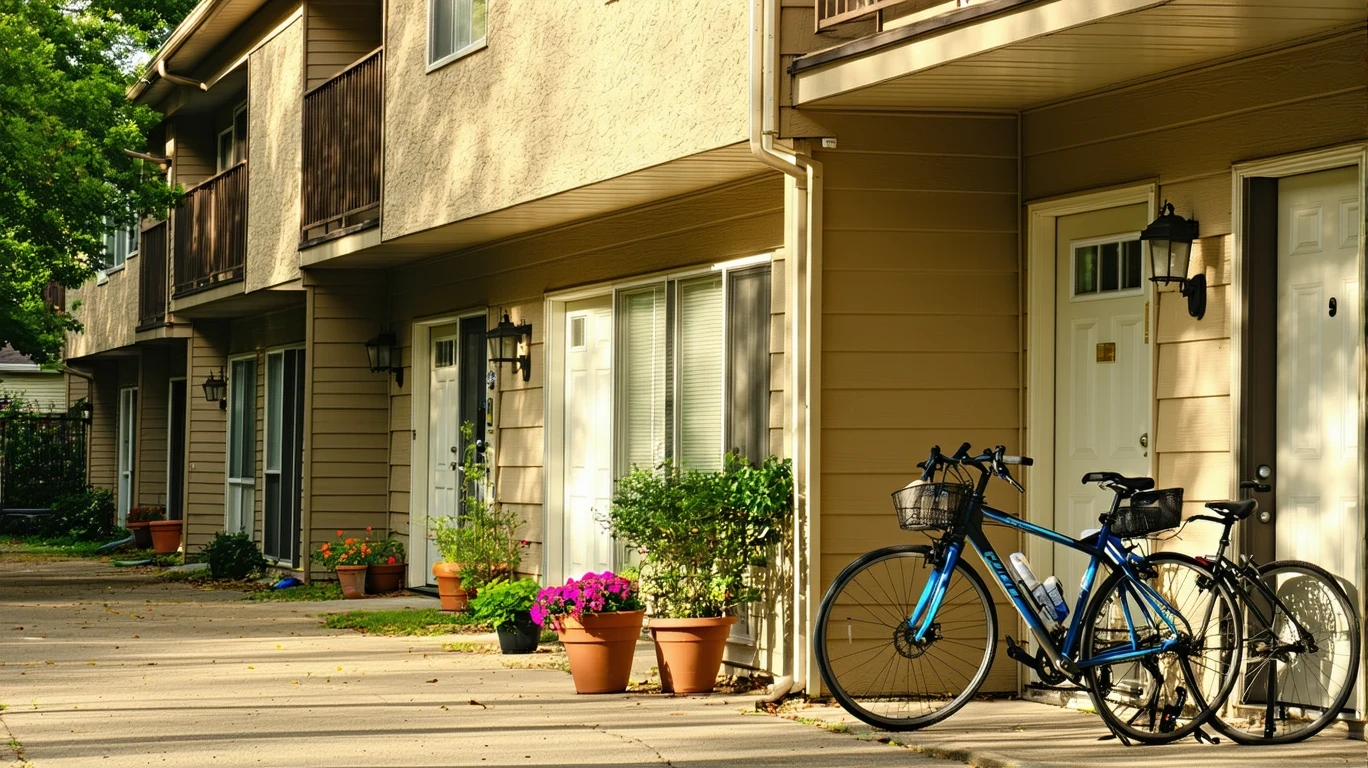
What “Living Comfortably” Means in Buda
Comfort isn’t universal. In Buda, it’s shaped by a specific set of expectations: space matters, climate control isn’t optional during triple-digit summer heat, and getting around almost always means driving. People here expect yards, quiet streets, and access to parks—and they get those things. But comfort also means having enough margin that a surprise AC repair or a jump in your insurance premium doesn’t derail your month.
Living comfortably in Buda means your housing doesn’t consume every dollar of flexibility you have. It means you can absorb seasonal utility swings without rethinking your grocery list. It means you’re not constantly calculating whether an extra errand is worth the gas. And for families, it often means accepting that school access and extracurricular logistics will require planning and driving, because the infrastructure for those needs is limited compared to larger suburbs.
Comfort here is less about luxury and more about predictability and choice. If your income allows you to make decisions without constant tradeoffs, you’ll likely feel comfortable. If it doesn’t, Buda’s affordability advantage starts to feel thin.
Where Income Pressure Shows Up First
In Buda, income pressure doesn’t announce itself with one big expense—it builds across several categories that interact in ways that aren’t obvious until you’re living here.
Housing tradeoffs dominate. The median home value sits at $358,600, and median gross rent is $1,648 per month. For renters, that’s a significant monthly obligation that leaves less room for other costs. For buyers, the home price is accessible compared to Austin proper, but it still requires a substantial income to stay within traditional affordability guidelines. The pressure isn’t just the payment—it’s that housing absorbs so much of your budget that everything else has to fit into what’s left.
Even though Buda’s regional price parity index is 98—essentially in line with the national baseline—housing costs don’t feel neutral. They feel like the anchor that determines how much flexibility you have everywhere else.
Utility volatility adds unpredictability. Electricity rates in Buda are 16.11¢ per kWh, and during the long cooling season, usage climbs. Air conditioning isn’t a luxury—it’s a necessity when summer temperatures routinely hit triple digits. That means bills swing seasonally, and households without cushion feel that swing as pressure. Natural gas, priced at $30.71 per MCF, plays a smaller role but still factors in during the occasional cold snap.
The issue isn’t that utilities are expensive by national standards—it’s that they’re variable, and variability requires margin.
Transportation is a time-versus-money equation. Gas prices in Buda are currently $2.42 per gallon, which is manageable. But the real cost of transportation here isn’t just fuel—it’s the expectation that you’ll drive for nearly everything. While some parts of Buda have walkable pockets where pedestrian infrastructure is strong, most errands, work commutes, and family logistics still require a car. Groceries and daily errands are clustered along corridors rather than evenly distributed, which means planning trips and accepting that convenience has a distance cost.
For families, transportation pressure multiplies. School density in Buda is below typical thresholds, meaning parents often face longer drives for school drop-offs, pickups, and activities. That’s not just a money cost—it’s a time cost that limits flexibility and adds logistical complexity.
Family-specific pressure is real. Buda offers excellent access to parks—density exceeds high thresholds, and water features are present throughout the area—but family infrastructure is limited. School access requires more planning and driving than in denser suburbs, and that creates a friction cost that doesn’t show up in budget calculators. Families feel this as a daily logistics burden, and it compounds when both parents work or when extracurriculars are spread across multiple locations.
How the Same Income Feels Different by Household
Income pressure in Buda isn’t uniform—it’s shaped by household composition, expectations, and how much flexibility you need day to day.
Single adults often find Buda manageable, especially if they’re earning near or above the median household income of $105,378 per year. Rent at $1,648 per month is a significant share of income, but it’s absorbable if other costs stay predictable. The challenge for single adults isn’t usually affordability—it’s lifestyle fit. Buda rewards people who value space, quiet, and outdoor access over walkable urban amenities. If you’re comfortable driving for errands and social life, the income math works. If you expect spontaneity and density, the tradeoff feels steeper than the rent savings suggest.
Couples, especially dual-income households, tend to feel the most comfortable in Buda. With two incomes, housing becomes accessible without dominating the budget, and there’s enough margin to absorb utility swings, transportation costs, and occasional surprises. Couples also benefit from Buda’s outdoor access and quieter pace without facing the same school logistics burden that families navigate. For this group, Buda often delivers exactly what it promises: space, parks, and a suburban lifestyle within reach of Austin’s job market.
Families face the most nuanced pressure. On paper, a household earning near the median income can afford Buda’s housing. In practice, families encounter costs and frictions that aren’t captured in averages. School infrastructure is limited, meaning more driving and less walkability for daily routines. Extracurriculars, playdates, and errands require coordination and time. Utility costs hit harder when cooling or heating a larger home. And the need for flexibility—whether it’s childcare, medical appointments, or last-minute schedule changes—means families need more margin than couples or single adults.
Households at similar income levels often experience very different pressure depending on how many people are sharing that income, how much driving and logistics they’re willing to manage, and whether they have cushion for the costs that don’t fit neatly into categories.
The Comfort Threshold (Qualitative)
There’s a point where income stops feeling like a constraint and starts feeling like a tool. In Buda, that threshold isn’t a number—it’s a shift in how you experience daily decisions.
Below the comfort threshold, you’re managing tradeoffs constantly. Housing is affordable, but it takes up enough of your income that utility swings matter. You can cover transportation, but you’re thinking about gas prices when you plan your week. You have access to parks and outdoor space, but family logistics feel like a second job. Surprises—whether it’s a car repair, a medical bill, or an insurance increase—require adjustment, not absorption.
Above the comfort threshold, those tradeoffs ease. You’re not worried about whether you can afford Buda—you’re deciding whether Buda fits your lifestyle. Bills don’t dictate behavior. You can save, plan, and make choices based on preference rather than necessity. The logistics burden of driving for errands and schools doesn’t disappear, but it stops feeling like a financial strain and becomes just a characteristic of the place.
The threshold isn’t the same for everyone. A single adult might cross it at a lower income than a family of four. A couple without kids might feel comfortable sooner than a household managing school-age children and extracurriculars. But the transition is recognizable: it’s when your income gives you enough margin that Buda’s tradeoffs feel like choices, not compromises.
Why Online Cost Calculators Get Buda Wrong
If you’ve plugged Buda into a cost-of-living calculator, you’ve probably seen a number that looks reasonable—maybe even appealing compared to Austin. But those calculators miss the texture of how costs actually behave here, and that’s why people often feel surprised after moving.
Calculators treat housing, utilities, and transportation as static line items. They don’t account for the fact that housing absorbs a large share of income even when it’s “affordable,” or that utility costs swing seasonally in ways that require margin, or that transportation isn’t just about gas prices—it’s about the expectation that you’ll drive for nearly everything.
They also don’t capture the friction costs that shape daily life. Buda has walkable pockets and strong pedestrian infrastructure in some areas, but errands and groceries are clustered along corridors rather than distributed evenly. That means convenience requires planning, and spontaneity has a distance cost. For families, the limited school infrastructure means more driving and logistics complexity, which doesn’t show up as a dollar amount but absolutely shows up as pressure.
Calculators give you totals. They don’t tell you how those totals interact, or which households feel pressure and which don’t, or what happens when your income is technically sufficient but your expectations don’t match the place. That’s why people earning what “should” be enough sometimes struggle, and why others earning less feel fine—it’s not just about the number, it’s about how the number fits your household and your life.
How to Judge Whether Your Income Fits Buda
Instead of asking “Is my income enough?”, ask yourself these questions. Your answers will tell you more than any calculator.
How sensitive are you to housing tradeoffs? Can you accept that housing will take a significant share of your income, even if it’s less than Austin? Are you comfortable with the space and location you can afford, or will you feel like you’re settling?
Can you absorb seasonal utility swings? Do you have enough margin that a high summer cooling bill doesn’t force you to adjust other spending? Or will variability in utilities create monthly stress?
Is time or money your limiting factor? Buda rewards people who have time to drive and plan logistics. If your schedule is tight or you value spontaneity and walkability, the car dependency here will feel like a cost even if gas prices are reasonable.
How much flexibility do you expect month to month? Can you handle surprises—repairs, insurance increases, medical bills—without derailing your budget? Or are you operating close enough to your limit that unpredictability feels risky?
If you have kids, are you prepared for the logistics burden? School access in Buda requires more driving and planning than in denser suburbs. Extracurriculars, playdates, and errands add up. Are you okay with that being part of your routine, or will it feel like a constant friction cost?
These aren’t pass-fail questions. They’re designed to help you see where your income and expectations might align with Buda’s reality—and where they might not.
FAQs About Living Comfortably in Buda
Is Buda affordable compared to Austin?
Yes, in the sense that housing costs less. But “affordable” depends on your income and household size. What feels comfortable for a dual-income couple might feel tight for a family of four, even at the same income level. Buda’s affordability advantage is real, but it doesn’t eliminate tradeoffs—it just shifts them.
Can you live in Buda without a car?
Technically possible, but not practical for most people. While some areas have strong pedestrian infrastructure and walkable pockets, errands and groceries are clustered along corridors, and school access requires driving. Public transit options are limited. If you don’t have a car, daily logistics become significantly harder.
How much do utilities actually cost in Buda?
That depends on your home size, insulation, and cooling habits. Electricity rates are 16.11¢ per kWh, and summer cooling drives usage up during the long, hot season. Expect variability, and plan for higher bills in summer months. If you’re budgeting tightly, that variability can create pressure.
Is Buda a good fit for families?
It can be, but with caveats. Buda offers excellent park access and outdoor space, which families value. But school density is limited, meaning more driving and logistics complexity for parents. If you’re prepared for that and have the income margin to absorb the time and cost, Buda works well. If you’re expecting walkable school access and easy extracurricular logistics, you’ll feel the gap.
What income level feels “comfortable” in Buda?
There’s no single number, because comfort depends on household size, expectations, and flexibility needs. A single adult earning near the median household income of $105,378 per year will likely feel comfortable. A family of four at the same income might feel more pressure, especially if they’re managing school logistics and need margin for surprises. Comfort isn’t about hitting a threshold—it’s about having enough margin that your income supports your lifestyle without constant tradeoffs.
How this article was built: In addition to public economic data, this article incorporates location-based experiential signals derived from anonymized geographic patterns—such as access density, walkability, and land-use mix—to reflect how day-to-day living actually feels in Buda, TX.
The Bottom Line
Buda can work well for some households—but only if expectations match reality. It’s not a place where income alone determines comfort. It’s a place where income, household composition, logistics tolerance, and lifestyle expectations all interact to shape whether you feel comfortable or stretched.
If you value space, parks, and access to Austin’s job market, and you have the income margin to absorb housing costs, utility swings, and car dependency, Buda delivers. If you’re operating close to your financial limit, or if you expect urban density and walkable convenience, the tradeoffs will show up faster than the affordability advantage suggests.
The question isn’t whether Buda is affordable. The question is whether your income and expectations align with how life actually works here. Answer that honestly, and you’ll know whether Buda fits.