
Is Buckeye the Right Place to Spend Your Golden Years?
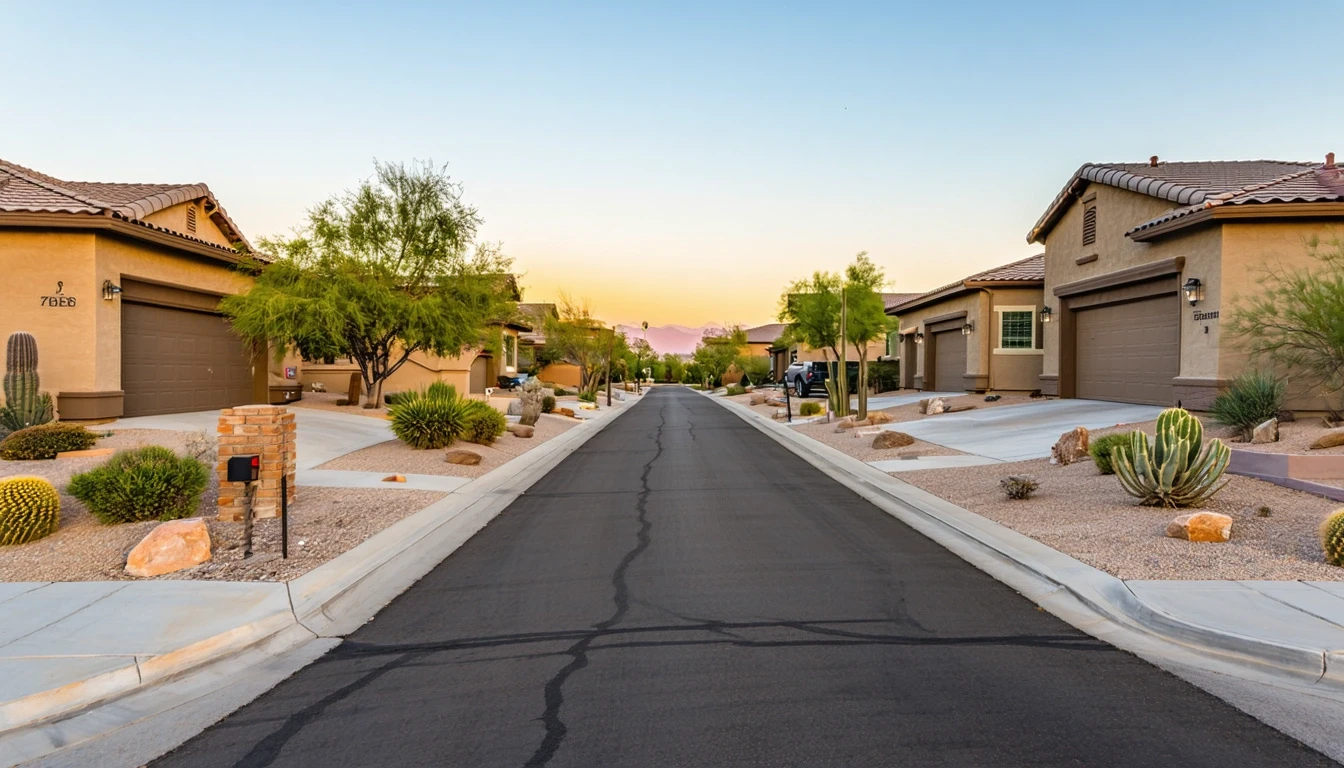
Retirement destinations aren’t one-size-fits-all, and Buckeye presents a distinct profile that appeals to some retirees while creating friction for others. Compared to popular Arizona retirement hubs like Scottsdale or Tucson—where median home values often exceed $450,000—Buckeye’s $341,700 median home value offers meaningful savings. But affordability alone doesn’t tell the whole story. The city’s low-density, car-oriented structure and sparse daily errands accessibility create a different kind of retirement experience than walkable, amenity-rich communities. For active retirees with reliable transportation who prioritize housing affordability and warm, dry climate over pedestrian convenience, Buckeye earns a retirement suitability score of 68 out of 100. That score reflects real strengths—economic stability (unemployment at 3.1%), moderate park access, and lower housing costs—but also honest limitations around car dependency, grocery accessibility, and on-site hospital care.
Buckeye’s appeal rests on a tradeoff: you gain financial breathing room and consistent sunshine, but you take on the logistics of a place where nearly every errand requires a car and where daily conveniences aren’t within walking distance. For retirees who’ve always driven and don’t mind planning weekly shopping trips, that’s a manageable exchange. For those facing mobility changes or who prefer spontaneous access to services, the structure creates friction that compounds over time.
Healthcare Access for Seniors in Buckeye
Healthcare infrastructure in Buckeye operates on a routine-local model: clinics and pharmacies handle everyday needs, but hospital services require travel to nearby regional systems. This isn’t unusual for growing suburban cities, but it’s a critical planning factor for retirees. Local clinics provide primary care, prescription management, and routine diagnostics, and pharmacy access supports Medicare Part D coordination. For healthy retirees managing chronic conditions like hypertension or diabetes through regular monitoring, this setup works—appointments are accessible, and prescription refills don’t require long drives.
The gap appears when needs escalate. There’s no hospital facility within Buckeye’s boundaries, meaning emergency care, surgical procedures, and specialist consultations typically involve drives to larger systems in the Phoenix metro area. Depending on where you live in Buckeye and which facility you’re directed to, that can mean 20 to 40 minutes under normal traffic conditions. For retirees requiring frequent cardiology follow-ups, orthopedic care, or oncology treatment, that distance adds time burden and coordination complexity. It’s not insurmountable, but it’s also not the same as having a full-service hospital ten minutes away.
Medicare acceptance rates in the region are generally strong, and most clinics participate in Medicare Advantage networks. However, retirees should verify that their specific plan includes local providers and understand referral pathways to metro-area specialists. Prescription access is straightforward—national pharmacy chains operate in Buckeye, and mail-order options through Medicare Part D plans remain widely used. Physical therapy and rehabilitation services exist locally, though availability can be more limited than in denser metro submarkets. The healthcare picture isn’t a dealbreaker, but it rewards retirees who are proactive, mobile, and comfortable managing appointments across a wider geographic footprint.
Senior-Friendly Amenities and Services
Buckeye’s amenity landscape reflects its rapid growth and low-density structure. Senior centers and organized programs exist, but they’re not as densely distributed as in long-established retirement communities. Recreational facilities—parks, walking paths, and water features—are present and accessible by car, offering opportunities for outdoor activity in a climate that supports year-round use outside the intense summer months. The city’s moderate park density and presence of water features provide some variety for walkers and casual exercisers, though the pedestrian infrastructure remains limited. Most residents drive to trailheads or parks rather than walking from home.
Transportation options skew heavily toward personal vehicles. Bus service is present, but the network is designed for commuter routes rather than dense neighborhood circulation. For retirees who no longer drive or prefer not to, ride services and volunteer driver programs become essential. Some senior-focused organizations and faith communities offer transportation assistance, but it’s not a comprehensive public system. This is where Buckeye’s car-oriented texture has the most direct impact on daily life: grocery shopping, medical appointments, social activities, and errands all assume you’re driving. Retirees who rely on others for rides face scheduling constraints and reduced spontaneity.
Shopping accessibility follows the same pattern. Grocery stores, pharmacies, and retail centers exist, but they’re corridor-clustered rather than neighborhood-integrated. That means planning: you don’t walk to the store for a forgotten ingredient, you drive and consolidate trips. Grocery delivery services have expanded in recent years and can offset some of this friction, particularly for retirees with mobility limitations. Meal programs—both senior nutrition sites and volunteer meal delivery—are available through county and nonprofit channels, though coverage varies by neighborhood.
Lifelong learning opportunities exist through community partnerships and regional programs. Libraries offer programming, and nearby community colleges provide non-credit courses and workshops that attract older learners. Social infrastructure is growing but still developing—Buckeye doesn’t yet have the deep network of hobby clubs, walking groups, and senior social organizations found in cities with decades-long retirement populations. Retirees who thrive on structured social calendars may need to be more proactive in seeking out or even organizing activities.
Cost of Living for Retirees in Buckeye
Housing costs anchor cost of living in Buckeye, and for retirees downsizing from higher-cost markets, the numbers offer real relief. The $341,700 median home value translates to lower property taxes compared to metro Phoenix cores, and Arizona’s favorable tax treatment of retirement income—Social Security isn’t taxed, and pension income receives partial exemptions—adds to the financial appeal. For retirees selling a home in California, the Pacific Northwest, or even Scottsdale, the equity gain can fund a mortgage-free purchase in Buckeye with cash left over for reserves.
Rental options exist for retirees who prefer flexibility or aren’t ready to buy. The $1,597 median gross rent is lower than many metro submarkets, though it still represents a significant monthly outlay for retirees on fixed incomes. Some 55+ communities and condo developments offer age-restricted housing with bundled amenities, but availability and pricing vary. Property tax rates in Arizona are moderate, and senior property tax relief programs exist at the state level, though eligibility depends on income thresholds and homeownership status. Retirees should verify current exemption rules and application deadlines, as these programs can reduce annual tax burdens meaningfully.
Utility costs in Buckeye reflect the desert climate. Electricity at 15.66¢/kWh powers air conditioning during extended cooling seasons—a reality in a region where triple-digit summer heat is routine. For retirees accustomed to mild climates, summer cooling bills can be a surprise. Homes with good insulation, programmable thermostats, and energy-efficient HVAC systems help manage usage, but the seasonal exposure remains. Natural gas at $23.77/MCF supports heating during rare cold snaps, but heating costs are minimal compared to cooling. Some utilities offer senior rate assistance programs or budget billing plans that smooth monthly variation—worth exploring during the planning phase.
Transportation costs deserve close attention in a car-dependent city. Gasoline at $2.98/gal is moderate, but the need to drive for nearly every errand, appointment, and social activity means fuel consumption adds up. Vehicle maintenance, insurance, and eventual replacement become ongoing budget items. For two-car households, these costs double. Retirees who can reduce to one vehicle or who use ride services selectively can trim this category, but eliminating it entirely isn’t realistic given Buckeye’s structure.
Healthcare costs beyond Medicare—Part B premiums, Part D premiums, Medigap or Medicare Advantage supplements, and out-of-pocket expenses—vary by plan and health status. Arizona’s competitive insurance market offers choices, but retirees should model these costs carefully, especially if they’re transitioning from employer-sponsored retiree coverage. Prescription costs depend on formularies and coverage tiers, and the need to travel for specialist care can add transportation and time costs that aren’t always obvious upfront.
Monthly Retirement Budget in Buckeye
Here’s what a typical monthly retirement budget might look like in Buckeye:
| Expense Category | Modest Lifestyle | Comfortable Lifestyle |
|---|---|---|
| Housing (mortgage/rent or property tax + insurance if owned) | $1,200 | $1,800 |
| Healthcare (Medicare premiums, supplements, out-of-pocket) | $400 | $600 |
| Food (groceries and occasional dining) | $450 | $650 |
| Transportation (fuel, maintenance, insurance) | $350 | $500 |
| Utilities (electricity, gas, water, internet) | $250 | $300 |
| Entertainment and recreation | $150 | $350 |
| Miscellaneous (personal care, clothing, household items) | $200 | $300 |
| Total Monthly | $3,000 | $4,500 |
Estimates based on average senior spending patterns and local costs. Figures are illustrative and before taxes or one-time expenses.
These ranges assume owned housing with remaining mortgage or property tax and insurance obligations. Retirees who own outright can shift housing costs lower, though maintenance and insurance remain. The transportation line reflects Buckeye’s car-dependent structure—this isn’t a place where you can trim that category significantly without sacrificing access. Healthcare costs vary widely based on plan choices and health status; chronic conditions or frequent specialist visits can push this higher.
Community and Social Opportunities for Retirees
Buckeye’s social fabric is still forming. Unlike Sun City or other purpose-built retirement communities with decades of established clubs, classes, and volunteer networks, Buckeye is a younger, faster-growing city where retirees are one demographic among many. That creates both opportunity and responsibility: there’s room to shape community culture, but you won’t find a ready-made social calendar waiting for you.
Faith communities, volunteer organizations, and civic groups offer entry points. Libraries and recreation centers host programs, though frequency and variety depend on funding and participation. Walking groups, hobby clubs, and special-interest meetups exist but may require some searching or even organizing. Retirees who enjoy building social structures—starting a book club, organizing a neighborhood watch, or volunteering with local nonprofits—will find receptive ground. Those who prefer joining established, high-frequency programming may find the options thinner than expected.
Intergenerational programs and family proximity matter to many retirees, and Buckeye’s growing population includes young families. Grandparents who relocate to be near adult children often find the city’s affordability and space appealing for multi-generational visits. The trade-off is that Buckeye isn’t a major travel hub—visiting relatives typically fly into Phoenix and drive west, adding time to arrivals and departures.
Cultural activities and seasonal events are expanding but remain modest compared to metro centers. Retirees who want frequent access to theater, museums, concerts, or professional sports will drive into Phoenix. That’s manageable for occasional outings, but it’s another reminder of Buckeye’s structure: you gain space and affordability, you trade density and immediacy.
Aging in Place: Practical Considerations
Aging in place in Buckeye requires honest assessment of mobility, transportation, and care access. The city’s car-oriented texture and sparse daily errands accessibility create compounding challenges as driving ability declines. Retirees who can no longer drive face significant logistics friction: grocery shopping, medical appointments, social activities, and errands all assume vehicle access. Ride services, family support, and volunteer networks can fill gaps, but they require coordination and reduce spontaneity.
Home modification services—ramps, grab bars, walk-in showers, widened doorways—are available through regional contractors, though costs vary and aren’t always covered by insurance. Retirees planning to age in place should budget for these modifications and consider them during home purchase or renovation. Single-story floor plans, minimal steps, and attached garages reduce future modification needs.
In-home care availability exists but isn’t as deep as in metro cores. Home health aides, physical therapists, and companion care providers operate in Buckeye, though scheduling and availability can be tighter during high-demand periods. Assisted living facilities and memory care options are present regionally, but on-site choices within Buckeye remain limited compared to established retirement markets. Retirees should research care pathways early and understand what’s available locally versus what requires relocation.
Climate considerations cut both ways. Warm, dry winters support year-round outdoor activity and reduce heating costs, appealing to retirees with arthritis or respiratory sensitivities. But extended summer heat—often exceeding 100°F for weeks—limits outdoor activity and increases cooling costs. Retirees with heat sensitivity or cardiovascular conditions should consider how seasonal extremes affect daily routines and energy bills.
Emergency services and disaster preparedness are generally strong, though response times can vary in newer, more dispersed neighborhoods. Retirees should understand evacuation routes, have communication plans, and maintain medication and supply reserves. The absence of a local hospital means serious emergencies involve transport to regional facilities—important context for retirees with high-risk conditions.
Frequently Asked Questions About Retirement in Buckeye
What’s the average cost of retirement in Buckeye?
A modest retirement lifestyle in Buckeye typically requires $3,000 to $3,500 per month, covering housing, healthcare, food, transportation, and utilities. A more comfortable lifestyle with discretionary spending and travel can range from $4,500 to $5,500 per month. Housing and transportation are the largest categories, and costs vary based on whether you own outright, carry a mortgage, or rent. Healthcare expenses depend on Medicare plan choices and health status.
How good is healthcare access for seniors in Buckeye?
Buckeye offers routine local healthcare through clinics and pharmacies, which handle primary care, chronic disease management, and prescription needs effectively. However, there is no hospital facility within city limits, so emergency care, surgery, and specialist consultations require travel to regional systems in the Phoenix metro area. For healthy retirees managing stable conditions, this works well. For those needing frequent specialist visits or facing higher medical complexity, the distance adds time and coordination burden.
Are there active senior communities in Buckeye?
Buckeye has some age-restricted housing developments and 55+ communities, but it’s not a purpose-built retirement destination like Sun City. Social infrastructure—senior centers, clubs, organized activities—exists but is still developing. Retirees who enjoy building or organizing social networks will find opportunities; those seeking dense, ready-made programming may find options more limited. Faith communities, volunteer groups, and recreation programs offer entry points, but participation often requires proactive outreach.
What are the tax implications of retiring in Arizona?
Arizona does not tax Social Security benefits, and pension income may qualify for partial exemptions depending on age and income level. The state has a progressive income tax structure, but rates are moderate compared to high-tax states. Property taxes are relatively low, and senior property tax relief programs exist for qualifying homeowners. Retirees moving from states with no income tax should model the impact, while those leaving high-tax states often see net savings. Sales tax applies to most goods, and local rates vary by jurisdiction.
Making the Move: Is Buckeye Right for Your Retirement?
Buckeye works best for retirees who value housing affordability, warm climate, and economic stability over walkable convenience and dense amenities. If you’re comfortable driving for errands, can manage occasional trips to metro-area specialists, and prefer lower housing costs to immediate access, Buckeye offers a viable path. The city’s low-density structure and car-oriented layout aren’t flaws—they’re features that appeal to some retirees and create friction for others.
The decision hinges on honest self-assessment: How important is proximity to a hospital? Can you handle summer heat and the cooling costs that come with it? Are you prepared to drive for nearly every need, or do you have reliable alternatives if driving becomes difficult? Do you thrive in established social networks, or are you comfortable building your own? These aren’t rhetorical questions—they’re the practical realities that determine whether Buckeye’s tradeoffs align with your retirement priorities.
For couples where at least one person drives confidently, for retirees in good health who don’t require frequent specialist care, and for those who’ve always lived in car-dependent environments, Buckeye’s structure feels familiar and manageable. For retirees facing mobility changes, those without reliable transportation, or individuals who need dense, walkable access to services, the city’s layout creates compounding challenges that grow harder to navigate over time.
If you’re seriously considering Buckeye, visit during summer and winter to experience seasonal extremes. Drive the routes you’d take for groceries, medical appointments, and social activities. Research healthcare providers and verify Medicare network participation. Talk to current residents—especially retirees—about what works and what doesn’t. Retirement decisions aren’t reversible on a whim, and Buckeye’s appeal depends entirely on how well its specific structure matches your specific needs.
How this article was built: In addition to public economic data, this article incorporates location-based experiential signals derived from anonymized geographic patterns—such as access density, walkability, and land-use mix—to reflect how day-to-day living actually feels in Buckeye, AZ.