
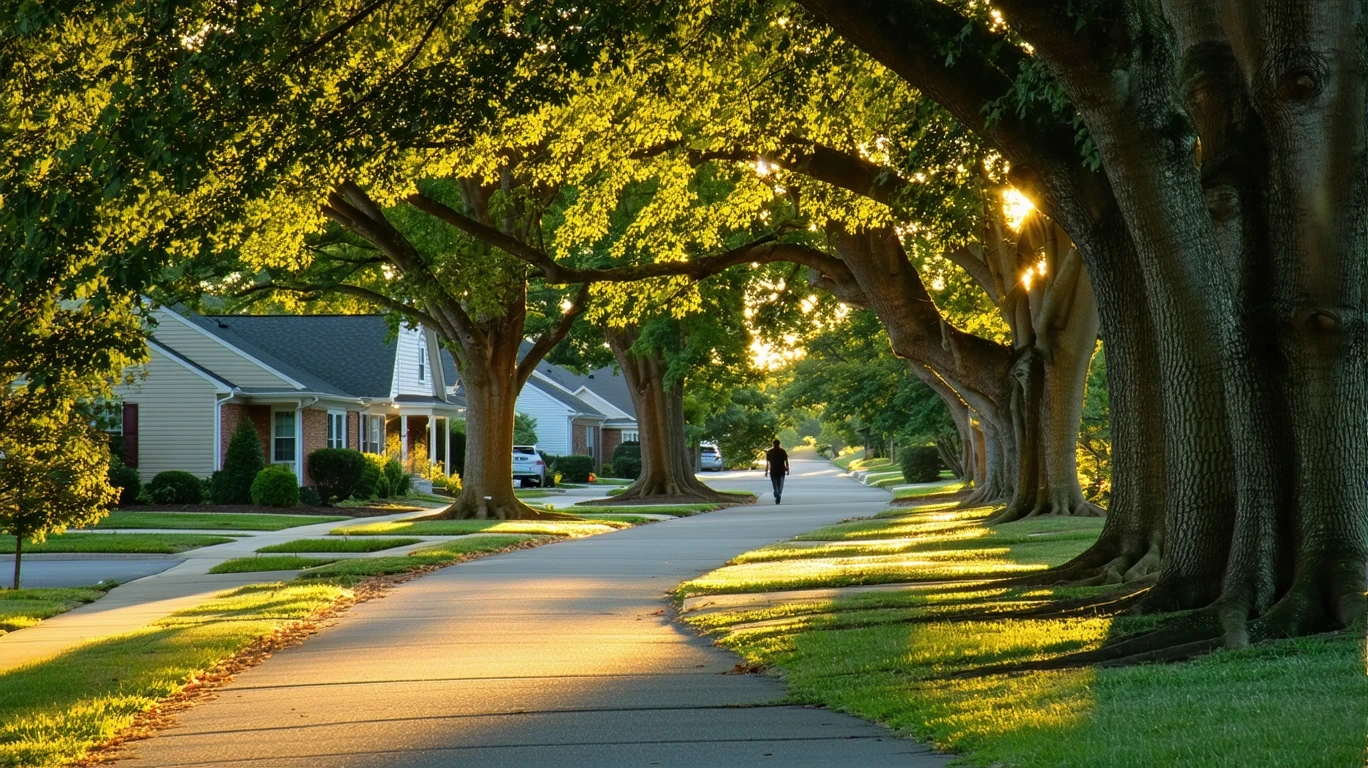
Which city gives you more for your money? Brooklyn Park and Saint Paul sit in the same metro, share the same winter cold, and pull from the same regional job market—but the way cost pressure shows up in daily life differs more than you’d expect. Brooklyn Park offers suburban space with median home values at $289,400 and median rent at $1,244 per month, while Saint Paul’s housing market operates under different structural conditions that shape access and affordability differently. For households deciding between the two in 2026, the choice isn’t about which city costs less overall—it’s about which cost structure fits your income, your household size, and how you actually move through the day.
Brooklyn Park leans toward single-family homes and car-oriented neighborhoods with pockets of walkable infrastructure, while Saint Paul functions as a denser urban core with more mixed-use development and older housing stock. Both cities face the same brutal heating season and identical natural gas prices, but the way utilities, transportation, and daily errands interact with housing form creates different cost experiences. A family prioritizing yard space and newer construction will feel costs differently than a couple who values walkability and proximity to urban amenities.
This comparison explains where cost pressure concentrates in each city, which households feel it most, and how the same gross income can stretch or strain depending on what you’re paying for and how much control you have over it. No city wins on every dimension—but understanding the tradeoffs makes the decision clearer.
Housing Costs
Brooklyn Park’s housing market centers on single-family homes and townhomes, with a median home value of $289,400 and median gross rent of $1,244 per month. That entry price reflects newer suburban construction, larger lot sizes, and a housing stock built primarily after 1990. For buyers, the cost is front-loaded: higher down payments, higher property taxes tied to assessed value, and ongoing maintenance on standalone structures. For renters, $1,244 per month typically secures more square footage and private outdoor space compared to urban apartment living, but it also means higher utility exposure due to detached housing forms and larger conditioned spaces.
Saint Paul’s housing market operates differently. As the state capital and an older urban core, the city’s housing stock includes more pre-war homes, duplexes, and multi-family buildings. Without concrete median values in the current data, the qualitative reality is that Saint Paul offers more variability: older homes with lower entry prices but higher maintenance and energy costs, alongside renovated properties and newer infill development that command premium pricing. Renters in Saint Paul often trade square footage for location—proximity to transit, walkable neighborhoods, and mixed-use corridors. The cost structure skews toward ongoing expenses (utilities in older buildings, parking fees, HOA or condo fees in denser developments) rather than the large upfront barrier common in Brooklyn Park.
For first-time buyers, Brooklyn Park’s $289,400 median represents a clear but substantial entry threshold. A household aiming for a conventional mortgage with 10% down faces a roughly $29,000 upfront cost before closing fees, inspections, and moving expenses. That barrier filters access, but once cleared, the ongoing housing cost is more predictable: fixed mortgage payments, stable property taxes (adjusted annually but not volatile), and control over maintenance timing. Saint Paul’s housing market, by contrast, offers more entry points at different price levels, but the tradeoffs are less predictable: older homes may require immediate capital improvements (furnace replacement, window upgrades, roof work), and heating costs in poorly insulated structures can spike during the coldest months.
| Housing Type | Brooklyn Park | Saint Paul |
|---|---|---|
| Median Home Value | $289,400 | Variable by neighborhood and age |
| Median Gross Rent | $1,244/month | Varies by unit type and location |
| Typical Housing Form | Single-family, townhomes, newer construction | Duplexes, older single-family, multi-family buildings |
| Entry Barrier | Higher upfront, predictable ongoing | More variable entry, less predictable ongoing |
Renters face different pressures in each city. In Brooklyn Park, $1,244 per month typically means a two-bedroom apartment or townhome with parking included, but fewer walkable amenities and higher car dependence. Lease renewals tend to be modest because the rental market is less competitive than urban cores, but the trade is less flexibility in transportation and errands. In Saint Paul, renters often pay similar or slightly lower base rent for smaller units, but gain proximity to transit, grocery stores, and mixed-use corridors that reduce transportation costs and time friction. The hidden cost in Brooklyn Park is the car dependency; the hidden cost in Saint Paul is the variability in utility bills and the likelihood of paying separately for parking, storage, or laundry.
Families prioritizing space and newer construction will find Brooklyn Park’s housing structure more aligned with their needs, despite the higher entry cost. The median household income in Brooklyn Park is $82,271 per year, which translates to roughly $6,856 per month gross. A $1,244 rent payment represents about 18% of gross monthly income for a median household, leaving more room for other obligations. However, that calculation assumes the household earns at or above the median—lower-income households face much tighter constraints, and the upfront costs of homeownership remain out of reach without significant savings or dual incomes.
Housing takeaway: Brooklyn Park’s housing costs are front-loaded and predictable, favoring households with savings and stable dual incomes who value space and newer construction. Saint Paul’s housing market offers more entry points and variability, but ongoing costs are less predictable due to older housing stock and urban density. Renters sensitive to transportation costs and time flexibility may prefer Saint Paul’s walkable density; families prioritizing square footage and yard space will find Brooklyn Park’s suburban structure more aligned with their needs, provided they can clear the higher entry barrier.
Utilities and Energy Costs
Both cities face the same brutal Minnesota winter, but the way utility costs show up depends on housing form, building age, and household size. Brooklyn Park’s electricity rate is 15.67¢ per kilowatt-hour, while Saint Paul’s rate is slightly higher at 16.37¢/kWh. Natural gas, the primary heating fuel for most homes in the region, is identical at $9.99 per thousand cubic feet. The difference isn’t in the rates—it’s in how much energy a household uses, and that’s driven almost entirely by housing structure.
Brooklyn Park’s housing stock skews newer, with better insulation, modern HVAC systems, and tighter building envelopes. A typical single-family home in Brooklyn Park may use less natural gas per square foot than an older home in Saint Paul, but because Brooklyn Park homes are larger on average, total heating costs can still run high during the coldest months. The predictability is better, though: newer construction means fewer surprise failures (furnace breakdowns, drafty windows, failing insulation), and households have more control over efficiency upgrades. The trade is that larger homes mean higher baseline usage year-round—more space to heat, more space to cool in summer, and higher electricity draw for lighting, appliances, and ventilation.
Saint Paul’s older housing stock introduces more volatility. Pre-war homes, duplexes, and multi-family buildings often have less efficient heating systems, single-pane windows, and minimal insulation in attics or basements. A household in an older Saint Paul home may face significantly higher heating costs during January and February, even in a smaller space, because the building itself loses heat faster. The flip side is that smaller units—especially apartments in multi-family buildings—benefit from shared walls and lower total conditioned space, which can offset inefficiency. A renter in a Saint Paul duplex may pay less in total utility costs than a homeowner in a 2,000-square-foot Brooklyn Park house, but the renter has less control over efficiency improvements and may face unpredictable spikes if the landlord defers maintenance.
Household size amplifies these differences. A single adult in a Brooklyn Park townhome may find utility costs manageable because they can close off unused rooms and limit heating to occupied spaces. A family of four in the same home will heat the entire structure, run multiple loads of laundry, and use more hot water—pushing natural gas and electricity usage higher. In Saint Paul, a single adult in a small apartment benefits from lower baseline usage, but a family in an older single-family home faces both higher usage and lower efficiency, compounding the cost pressure.
Cooling costs are less severe than heating in both cities, but Brooklyn Park’s newer construction often includes central air conditioning, which increases summer electricity usage. Saint Paul households in older buildings may rely on window units or no AC at all, reducing summer costs but increasing discomfort during heat waves. The long-term cost picture favors households who can invest in efficiency upgrades—programmable thermostats, attic insulation, window replacements—but those upgrades require upfront capital and are only accessible to homeowners, not renters.
Utility takeaway: Brooklyn Park households experience more predictable utility costs due to newer construction, but larger homes mean higher baseline usage year-round. Saint Paul households face more volatility, especially in older housing stock, but smaller units and shared-wall construction can reduce total costs for renters and smaller households. Families in larger homes will feel heating costs more acutely in both cities, but Brooklyn Park’s efficiency edge provides more control. Renters in Saint Paul face the least predictability and the least control over efficiency improvements.
Groceries and Daily Expenses
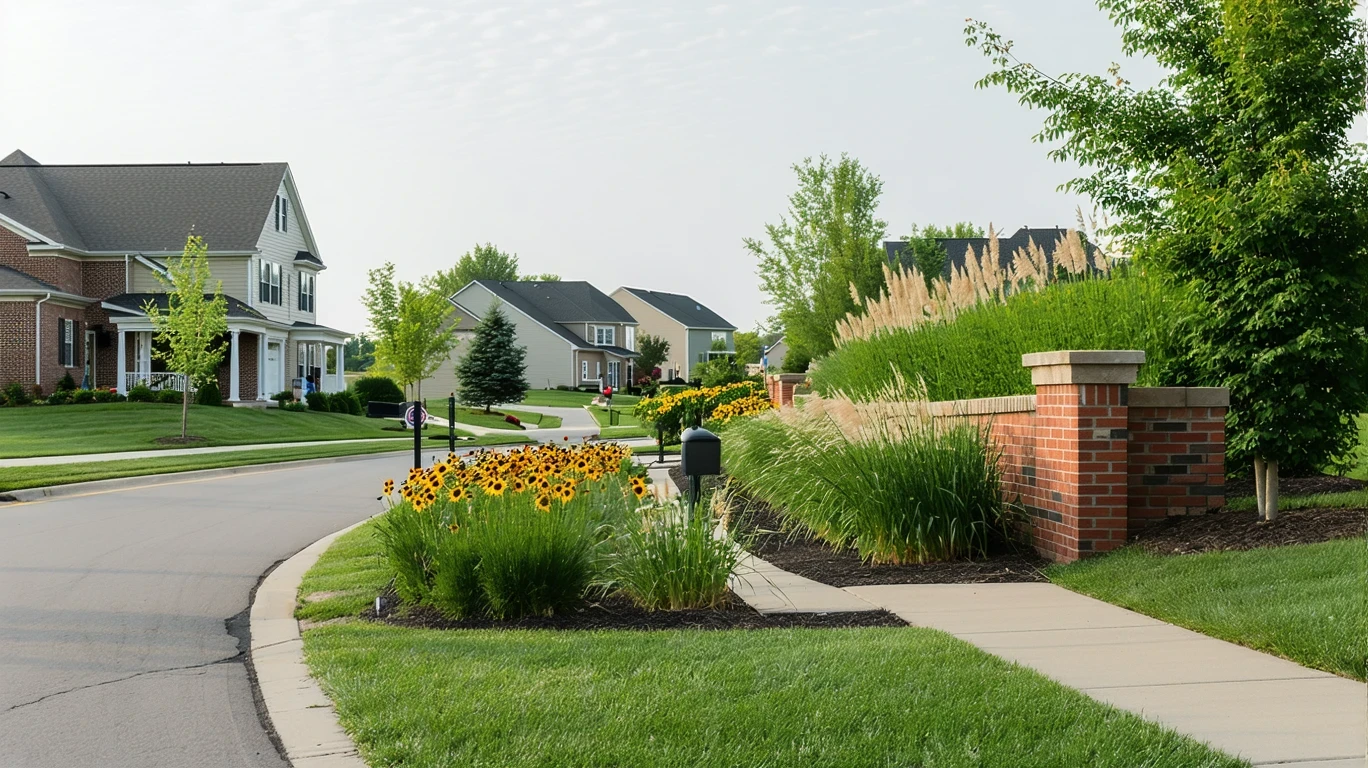
Grocery costs in Brooklyn Park and Saint Paul reflect the same regional price baseline—both cities fall within the Minneapolis-St. Paul metro’s Regional Price Parity index of 98, meaning prices are slightly below the national average. Ground beef runs around $6.55 per pound, eggs cost roughly $2.66 per dozen, and milk is about $3.97 per half-gallon. The structural difference isn’t in the prices—it’s in how households access food and how that access shapes spending patterns.
Brooklyn Park’s food and grocery infrastructure is corridor-clustered, with medium-density access concentrated along major commercial strips. Households typically drive to big-box stores, regional grocery chains, and discount retailers, which offer lower per-unit prices but require planning, bulk buying, and vehicle access. A family shopping once a week at a large-format store can minimize per-item costs, but the model assumes car ownership, storage space for bulk goods, and the time to plan meals around what’s on sale. Single adults or smaller households may find this structure less efficient—buying in bulk leads to waste, and the time cost of driving to a store for a few items adds friction.
Saint Paul’s denser, mixed-use neighborhoods offer more walkable access to smaller grocery stores, co-ops, and corner markets. Prices at these smaller formats are often higher per unit, but the convenience reduces the need for bulk buying and allows for more frequent, smaller trips. A household without a car can still access fresh food without relying on delivery services or ride-hailing, which keeps daily costs lower. The trade is less price flexibility—households in Saint Paul pay a premium for convenience and proximity, especially if they rely on neighborhood stores rather than driving to discount retailers on the city’s edges.
Dining out and convenience spending follow similar patterns. Brooklyn Park’s car-oriented layout means fewer walkable restaurants and coffee shops, which reduces spontaneous spending but also limits options for quick meals when time is tight. Households that cook at home consistently will find Brooklyn Park’s structure more cost-effective, but families juggling work schedules and kids’ activities may lean on takeout or fast food along commute routes, which adds up quickly. Saint Paul’s walkable corridors make it easier to grab a coffee or pick up prepared food on foot, but that convenience invites more frequent spending. A couple in Saint Paul might spend less on groceries but more on dining out simply because the options are more visible and accessible.
Household size and income sensitivity matter here. A family of four in Brooklyn Park can control grocery costs by shopping strategically and cooking in bulk, but they need the time, storage, and vehicle access to make that model work. A single adult in Saint Paul may pay slightly more per meal but save on transportation costs and time by walking to the store. Households on tighter budgets will feel the difference more acutely—Brooklyn Park’s model rewards planning and scale, while Saint Paul’s model rewards flexibility and proximity.
Groceries takeaway: Brooklyn Park’s corridor-clustered grocery access favors households with cars, storage, and time to plan, offering lower per-unit costs through bulk buying. Saint Paul’s denser, walkable food access reduces transportation friction and supports smaller, more frequent trips, but at a premium for convenience. Families and larger households will find Brooklyn Park’s structure more cost-effective if they can plan ahead; single adults and smaller households may prefer Saint Paul’s flexibility, especially if they lack a car or prioritize time over per-unit savings.
Taxes and Fees
Property taxes, sales taxes, and local fees shape the ongoing cost structure in both cities, but the way these obligations show up depends on housing type, ownership status, and length of residence. Minnesota’s property tax system relies on assessed home values and local mill rates, which means Brooklyn Park homeowners with a median home value of $289,400 face a different tax burden than Saint Paul homeowners in older, variably priced housing stock. The state’s sales tax is uniform, but local fees—trash collection, water, sewer, stormwater management—vary by city and can add meaningful monthly obligations.
Brooklyn Park’s property taxes reflect newer suburban development and higher median home values. A home assessed at $289,400 will generate a higher annual property tax bill than a comparable home in Saint Paul assessed at a lower value, but the predictability is better: newer homes require fewer special assessments for infrastructure repairs, and the city’s fee structure tends to be more transparent and bundled. Homeowners in Brooklyn Park typically pay a combined monthly obligation that includes property taxes (escrowed in the mortgage), trash collection, and water/sewer fees. The total is higher in absolute terms, but the structure is more predictable and less prone to surprise increases.
Saint Paul’s older housing stock and denser urban form create a different tax and fee landscape. Older neighborhoods may face special assessments for street repairs, sewer line upgrades, or sidewalk replacements—costs that are passed directly to property owners and can add hundreds or thousands of dollars in a single year. Homeowners in Saint Paul also face more variability in property tax assessments as neighborhoods gentrify or decline, which can shift tax burdens unpredictably. Renters are insulated from property taxes directly, but landlords pass these costs through in rent increases, especially in neighborhoods experiencing rapid appreciation.
Sales tax affects both cities equally at the state level, but the way households interact with sales tax depends on spending patterns. Brooklyn Park’s car-oriented layout means more spending on taxable goods—gas, vehicle maintenance, retail purchases—while Saint Paul’s walkable density may shift spending toward services (dining, entertainment, personal care), some of which are taxed differently or not at all. The difference is subtle, but households that spend more on goods will feel sales tax pressure more acutely than those who spend more on experiences or services.
Local fees add another layer. Brooklyn Park’s trash collection is typically billed separately, while some Saint Paul neighborhoods include it in property taxes or HOA fees. Water and sewer fees vary by usage and household size, but Brooklyn Park’s larger homes and yards often mean higher water bills due to irrigation and larger household sizes. Saint Paul’s denser housing stock and smaller lots reduce water usage on average, but older infrastructure can lead to higher per-unit rates to fund system upgrades.
Taxes and fees takeaway: Brooklyn Park homeowners face higher property taxes due to higher median home values, but the structure is more predictable with fewer surprise assessments. Saint Paul homeowners face more variability due to older infrastructure and special assessments, but lower home values can mean lower baseline property taxes. Renters in both cities are insulated from direct property tax obligations but absorb increases through rent. Households planning to stay long-term should account for Brooklyn Park’s higher baseline taxes and Saint Paul’s potential for unpredictable assessments.
Transportation & Commute Reality
Both cities sit in the same metro, share the same gas price at $2.63 per gallon, and face the same regional job distribution—but the way households move through the day differs sharply. Brooklyn Park shows walkable pockets with a high pedestrian-to-road ratio and notable bike infrastructure, meaning some neighborhoods support walking and cycling for errands or recreation, even if the city overall remains car-oriented. Bus service is present, providing basic transit access, but the structure still assumes most households own at least one vehicle. Saint Paul, as a denser urban core, offers more mixed-use corridors and older, more established transit routes, though specific experiential data isn’t available for direct comparison.
Brooklyn Park’s mobility texture means that even in neighborhoods with sidewalks and bike lanes, most daily trips—commuting to work, grocery shopping, getting kids to school—require a car. The city’s layout spreads residential areas away from commercial corridors, and while bus stops exist, service frequency and coverage don’t replace car ownership for most households. A single adult working in downtown Minneapolis might rely on a bus for commuting, but they’ll still need a car for errands, weekend trips, and any activity outside the main transit corridors. A family with two working adults and kids will almost certainly need two vehicles, which doubles the cost exposure: two car payments or maintenance budgets, two insurance policies, and two sets of fuel costs.
Saint Paul’s denser form and older street grid create more opportunities to reduce car dependence, especially for households living near transit lines or in walkable neighborhoods. A couple without kids might manage with one car or no car at all if they live near a bus or light rail line and work downtown. Grocery stores, coffee shops, and other daily errands are more likely to be within walking distance, which reduces both the financial cost of driving and the time cost of parking and navigating traffic. The trade is less space—households that choose walkable Saint Paul neighborhoods typically live in smaller units with less storage and no private garage.
Commute time and distance matter here, but the real cost isn’t just fuel—it’s time and flexibility. Brooklyn Park households that commute to downtown Minneapolis or Saint Paul face longer drives and more exposure to traffic variability, especially during winter weather. A 25-mile round-trip commute at $2.63 per gallon and 25 miles per gallon costs roughly $2.63 per day in fuel alone, but the time cost—30 to 45 minutes each way in traffic—adds up to hours per week that can’t be spent on childcare, errands, or rest. Saint Paul households closer to job centers face shorter commutes and more transit options, which reduces both fuel costs and time friction, but they pay for that proximity through higher housing density and less space.
Transportation takeaway: Brooklyn Park’s car-oriented structure with walkable pockets means most households need at least one vehicle, and families typically need two. The cost pressure is ongoing—fuel, insurance, maintenance—and the time cost of commuting adds friction to daily logistics. Saint Paul’s denser, more transit-accessible form allows some households to reduce car dependence, lowering both financial and time costs, but that flexibility comes at the expense of space and housing density. Households that prioritize time and convenience may prefer Saint Paul’s shorter commutes and walkable errands; families that need space and can absorb the time cost of driving will find Brooklyn Park’s structure more aligned with their needs.
Cost Structure Comparison
Housing pressure dominates the cost experience in both cities, but the way it shows up differs sharply. Brooklyn Park’s $289,400 median home value and $1,244 median rent create a clear, front-loaded entry barrier that filters access but delivers predictability once cleared. Families with stable dual incomes and savings can lock in fixed mortgage payments and control maintenance timing, but households earning below the median or without significant savings face a harder path to ownership. Saint Paul’s more variable housing market offers more entry points at different price levels, but ongoing costs are less predictable due to older housing stock, special assessments, and higher maintenance needs. Renters in Saint Paul trade square footage for location, gaining walkable access to transit and errands but absorbing utility volatility and less control over efficiency.
Utilities introduce more volatility in Saint Paul due to older, less efficient housing stock, but smaller unit sizes and shared-wall construction can offset total usage for renters and smaller households. Brooklyn Park’s newer construction provides better insulation and more efficient systems, but larger homes mean higher baseline usage year-round. A family heating a 2,000-square-foot single-family home in Brooklyn Park will face higher total utility costs than a couple in a Saint Paul duplex, even if the per-square-foot efficiency is worse in the older building. The long heating season affects both cities equally, but the ability to control and predict costs is better in Brooklyn Park for homeowners who can invest in efficiency upgrades.
Transportation patterns matter more in Brooklyn Park, where car dependence is nearly universal despite pockets of walkable infrastructure. Households need at least one vehicle, and families typically need two, which adds ongoing costs for fuel, insurance, and maintenance. The time cost of commuting also adds friction—longer drives to job centers, errands, and activities mean less flexibility in daily schedules. Saint Paul’s denser, more transit-accessible structure allows some households to reduce or eliminate car ownership, lowering both financial and time costs, but that flexibility is only accessible to households willing to live in smaller, denser housing and pay a premium for proximity.
Groceries and daily expenses follow the same regional price baseline, but access structure shapes spending patterns. Brooklyn Park’s corridor-clustered grocery access rewards planning, bulk buying, and vehicle ownership, which lowers per-unit costs but requires time and storage. Saint Paul’s walkable food access reduces transportation friction and supports smaller, more frequent trips, but at a premium for convenience. Households that can plan ahead and shop strategically will find Brooklyn Park’s structure more cost-effective; households that prioritize time and flexibility may prefer Saint Paul’s proximity, even if per-unit prices are higher.
The decision isn’t about which city costs less—it’s about which cost structure aligns with your household’s income, size, and priorities. Households sensitive to upfront costs and car dependence may find Saint Paul’s variability more manageable, especially if they value walkability and shorter commutes. Households with savings, stable incomes, and a preference for space and predictability will find Brooklyn Park’s front-loaded structure more aligned with their needs, provided they can absorb the higher entry barrier and ongoing transportation costs.
How the Same Income Feels in Brooklyn Park vs Saint Paul
Single Adult
For a single adult, housing becomes the first non-negotiable cost, and the choice between Brooklyn Park and Saint Paul hinges on whether you prioritize space or proximity. In Brooklyn Park, $1,244 per month secures more square footage and private outdoor space, but you’ll need a car for nearly every errand, which adds ongoing fuel, insurance, and maintenance costs. In Saint Paul, a similar rent might get you a smaller unit, but walkable access to groceries, transit, and daily errands reduces transportation costs and time friction. Flexibility exists in both cities, but it shows up differently: Brooklyn Park offers more control over housing costs once you’re in, while Saint Paul offers more control over transportation and time. The income feels tighter in Brooklyn Park if you’re also managing a car payment; it feels tighter in Saint Paul if you’re paying a premium for a walkable neighborhood but still need a vehicle for work.
Dual-Income Couple
A dual-income couple faces a different tradeoff. In Brooklyn Park, two incomes make the $289,400 median home value more accessible, and the predictability of a fixed mortgage payment provides long-term stability. The cost pressure shifts to transportation—two cars, two commutes, and the time cost of driving to errands and activities. In Saint Paul, the same couple might find more flexibility by living in a denser neighborhood and reducing car dependence, but they’ll trade space and predictability for proximity and convenience. The income feels more flexible in Brooklyn Park if both partners work locally and can absorb the upfront housing cost; it feels more flexible in Saint Paul if one or both partners work downtown and value shorter commutes over square footage. The decision hinges on whether ongoing transportation costs or upfront housing costs feel more manageable.
Family with Kids
For a family with kids, the cost structure becomes more rigid in both cities. In Brooklyn Park, the median home value and larger housing stock align with the need for bedrooms, yard space, and storage, but the family will almost certainly need two vehicles to manage work commutes, school drop-offs, and activities. The cost pressure is front-loaded—higher down payment, higher property taxes—but predictable once locked in. In Saint Paul, families face a harder tradeoff: older housing stock with more maintenance needs, smaller units with less space, and higher utility volatility, but potentially shorter commutes and more walkable access to schools and parks. The income feels tightest in Brooklyn Park if the family can’t clear the upfront housing barrier or if both parents face long commutes; it feels tightest in Saint Paul if the family needs space and faces ongoing maintenance surprises in an older home. The flexibility disappears in both cities for families on tighter budgets, but the pressure shows up in different places: upfront in Brooklyn Park, ongoing in Saint Paul.
Decision Matrix: Which City Fits Which Household?
| Decision Factor | If You’re Sensitive to This… | Brooklyn Park Tends to Fit When… | Saint Paul Tends to Fit When… |
|---|---|---|---|
| Housing entry + space needs | Upfront costs, square footage, yard space, predictability | You have savings and stable dual income, prioritize space and newer construction, and can absorb the higher entry barrier for long-term predictability | You need more entry flexibility, can tolerate older housing stock and maintenance variability, and prioritize proximity over square footage |
| Transportation dependence + commute friction | Car ownership costs, commute time, daily driving, parking | You already own vehicles, work locally or can absorb longer commutes, and value the space that car-oriented suburbs provide | You want to reduce or eliminate car dependence, work downtown or near transit lines, and prioritize shorter commutes and walkable errands |
| Utility variability + home size exposure | Heating costs, seasonal spikes, efficiency, control over upgrades | You value newer construction with better insulation and can absorb higher baseline usage from larger homes | You prefer smaller units with lower total usage and can tolerate less predictability in older buildings |
| Grocery strategy + convenience spending creep | Per-unit prices, bulk buying, time spent shopping, spontaneous spending | You can plan ahead, shop in bulk, and have storage space and vehicle access to minimize per-unit costs | You prioritize walkable access and frequent smaller trips over bulk savings, and value convenience over per-unit price optimization |
| Fees + friction costs (HOA, services, upkeep) | Property taxes, special assessments, surprise costs, ongoing fees | You prefer higher baseline taxes with fewer surprise assessments and more predictable fee structures | You can tolerate more variability in fees and assessments in exchange for lower baseline property taxes and more entry flexibility |
| Time budget (schedule flexibility, errands, logistics) | Commute time, errand friction, daily logistics, household coordination | You have flexibility in your schedule, can absorb longer commutes, and value space over proximity | You prioritize shorter commutes and walkable errands, and value time savings over square footage |
Lifestyle Fit
Brooklyn Park and Saint Paul offer distinct lifestyle textures that shape how households spend their time, manage logistics, and interact with their surroundings. Brooklyn Park’s suburban form emphasizes space, privacy, and car-oriented convenience. Neighborhoods feature single-family homes with yards, cul-de-sacs, and parks integrated throughout the city—park density exceeds high thresholds, and water features add to the outdoor appeal. Families