
Many people assume utility costs in Brookhaven are predictable and modest, especially compared to housing or transportation. The reality is more nuanced: utilities in Brookhaven are heavily exposure-driven, with electricity dominating household bills during the extended cooling season and natural gas playing a secondary role in winter months. Understanding how these costs behave—and what drives variability—matters more than chasing a single average number.
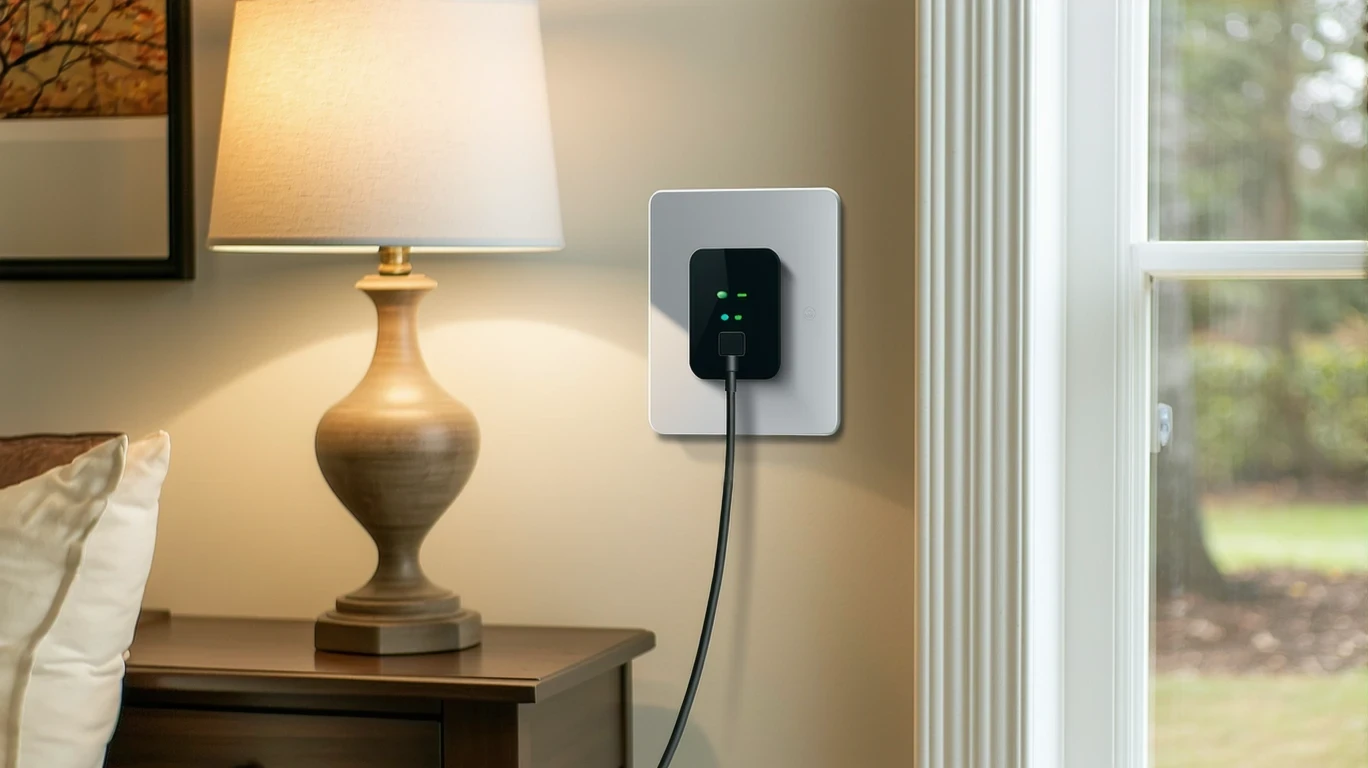
Understanding Utilities in Brookhaven
When planning a household budget in Brookhaven, utilities typically rank as the second-largest monthly expense after housing. Unlike rent or mortgage payments, which remain fixed, utility costs fluctuate based on weather, home efficiency, and household behavior. For residents and newcomers alike, understanding the structure of utilities cost in Brookhaven provides essential context for managing monthly cash flow and avoiding seasonal surprises.
Utility expenses in Brookhaven generally include electricity, water, natural gas, trash collection, and recycling services. Electricity tends to be the most volatile, driven by air conditioning demand during hot, humid summers. Natural gas serves heating needs during cooler months, though Brookhaven’s mild winters mean heating costs remain secondary to cooling. Water and trash fees vary by provider and neighborhood, with some services bundled through municipal billing or homeowners associations.
For those moving to Brookhaven, housing type significantly shapes utility responsibility and exposure. Apartment renters may find some utilities included in rent or billed separately through submetering, while single-family homeowners bear full responsibility for all services. Mixed-use development and varied building types across Brookhaven mean that two households with similar incomes can experience very different utility cost structures depending on where they live and how their home is configured.
Utilities at a Glance in Brookhaven
The table below shows how core utility costs typically behave for a mid-size household in a single-family home in Brookhaven. Where city-level prices are available in the data feed, they are shown directly. When exact figures are not provided, categories are described qualitatively to reflect how costs are structured and what drives variability.
| Utility | Cost Structure in Brookhaven |
|---|---|
| Electricity | 14.53¢/kWh; usage-sensitive, seasonal exposure |
| Water | Tiered pricing; usage-dependent |
| Natural Gas | $32.21/MCF; winter-driven, heating-dependent |
| Trash & Recycling | Bundled with water or HOA; varies by provider |
| Total | Seasonal variability driven by electricity and heating |
This table reflects utility cost structure for a mid-size household in a single-family home in Brookhaven during 2026. Where exact figures are not provided in the IndexYard data feed, categories are described directionally to reflect how costs behave rather than a receipt-accurate total.
Electricity is typically the most exposure-sensitive utility in Brookhaven, driven more by climate and home efficiency than by base rates. At 14.53¢ per kilowatt-hour, the rate itself sits near regional norms, but total monthly costs swing dramatically based on air conditioning use during summer months. A household running central AC continuously through July and August will see bills climb far higher than the same home in April or October. Older homes with poor insulation or single-pane windows face steeper exposure, while newer construction with efficient HVAC systems and programmable thermostats can moderate costs even during peak heat.
Water costs in Brookhaven follow tiered pricing structures, meaning higher usage triggers higher per-unit rates. Households with irrigation systems, pools, or large families typically move into higher tiers during summer months. Because exact pricing varies by provider and neighborhood, residents should verify their specific rate schedule and tier thresholds when budgeting. Many providers bill water and sewer together, with sewer charges often calculated as a percentage of water usage.
Natural gas in Brookhaven is priced at $32.21 per thousand cubic feet (MCF) and primarily serves heating needs during winter months. Because Brookhaven experiences mild winters with only occasional cold snaps, natural gas bills remain modest compared to electricity. Homes with gas water heaters or gas ranges will see year-round baseline usage, but the largest bills typically arrive in January and February when overnight temperatures drop and heating systems cycle more frequently.
Trash and recycling services in Brookhaven are often bundled with water billing or included in homeowners association fees, making it difficult to isolate standalone costs. Some neighborhoods contract with private haulers, while others receive municipal service. Residents should confirm whether their trash service is billed separately or rolled into other fees, as this affects both budgeting and the ability to shop for alternative providers.
How Weather Impacts Utilities in Brookhaven
Seasonal weather patterns in Brookhaven create predictable but significant swings in utility costs, with summer cooling demands far outweighing winter heating needs. The extended cooling season—often running from May through September—means households rely heavily on air conditioning to manage both heat and humidity. Unlike dry climates where evaporative cooling or nighttime ventilation can provide relief, Brookhaven’s humid summers keep indoor comfort dependent on mechanical cooling throughout the day and night.
Many Brookhaven households experience noticeably higher electric bills during peak summer compared to spring, with July and August typically representing the year’s highest usage months. Air conditioning systems work harder in humid conditions because they must remove moisture from indoor air in addition to lowering temperature. Homes with poor airflow, inadequate insulation, or south-facing windows without shade can see even steeper increases as HVAC systems run longer cycles to maintain set temperatures.
Winter heating costs in Brookhaven remain moderate due to the region’s mild climate. While occasional cold snaps require furnace use, sustained freezing temperatures are rare, and many winter days require little to no heating. Natural gas bills typically peak in January and February but remain far below the summer electricity surges that define Brookhaven’s overall cost structure. Homes with electric heat pumps may see winter electricity usage rise, though still below summer cooling levels. One regional quirk worth noting: Brookhaven’s proximity to Atlanta means urban heat island effects can extend warmer overnight temperatures into surrounding suburbs, slightly reducing heating needs compared to more rural areas at the same latitude.
How to Save on Utilities in Brookhaven
Reducing utility costs in Brookhaven requires a combination of behavioral adjustments, efficiency upgrades, and strategic use of provider programs. Because electricity dominates household utility exposure, efforts to lower cooling costs deliver the most meaningful impact. Simple changes like raising thermostat settings by a few degrees during peak afternoon hours, using ceiling fans to improve air circulation, and closing blinds on south-facing windows can reduce HVAC runtime without sacrificing comfort.
Longer-term investments in home efficiency—such as adding attic insulation, sealing air leaks around doors and windows, or upgrading to a high-efficiency air conditioning system—lower baseline usage and reduce exposure to rate increases over time. Many utility providers in Georgia offer rebates or incentive programs for energy-efficient upgrades, making these improvements more affordable. Smart thermostats provide another lever for control, allowing households to automate temperature adjustments based on occupancy patterns and avoid cooling empty homes during work hours.
Additional strategies for managing utility costs in Brookhaven include:
- Enrolling in off-peak billing programs that offer lower rates for electricity used during non-peak hours
- Exploring solar panel incentives available through state and federal programs, which can offset electricity costs over time
- Planting shade trees on the south and west sides of homes to reduce direct sun exposure and lower cooling loads
- Switching to LED lighting and energy-efficient appliances to reduce baseline electricity consumption
- Using budget billing programs to smooth seasonal cost swings into predictable monthly payments
- Regularly replacing HVAC filters to maintain system efficiency and prevent unnecessary strain
🏆 Tip: Check if your provider in Brookhaven offers rebates for energy-efficient AC units or heating systems. These programs can reduce upfront costs for upgrades that lower long-term exposure to seasonal bill spikes.
FAQs About Utility Costs in Brookhaven
Why are utility bills so high in Brookhaven?
Utility bills in Brookhaven are driven primarily by electricity usage during the extended cooling season, when air conditioning runs continuously to manage heat and humidity. Homes with older HVAC systems, poor insulation, or inefficient windows face higher exposure, while newer construction with better efficiency can moderate costs even during peak summer months.
What is the average monthly electric bill for an apartment in Brookhaven compared to a single-family home?
Apartments in Brookhaven typically have lower electricity bills than single-family homes due to smaller square footage, shared walls that reduce heating and cooling loads, and newer construction with better insulation. Single-family homes bear full exposure to outdoor temperatures on all sides and often have larger spaces to condition, leading to higher usage during both summer and winter.
Do HOAs in Brookhaven usually include trash or water in their fees?
Many homeowners associations in Brookhaven bundle trash collection and sometimes water service into monthly HOA fees, though this varies by neighborhood and development. Residents should review their HOA agreement to confirm which utilities are included and whether any usage caps or overage charges apply for water.
How does seasonal weather affect monthly utility bills in Brookhaven?
Seasonal weather creates significant cost swings in Brookhaven, with summer electricity bills often two to three times higher than spring or fall due to air conditioning demand. Winter heating costs remain modest because of the region’s mild climate, meaning natural gas bills peak briefly in January and February but never approach summer electricity levels.
Does Brookhaven offer incentives for solar panels or energy-efficient appliances?
Georgia residents, including those in Brookhaven, can access state and federal incentives for solar panel installation and energy-efficient home upgrades. Utility providers may also offer rebates for high-efficiency HVAC systems, water heaters, and appliances. Residents should verify current program availability and eligibility requirements directly with their provider or through state energy office resources.
How Utilities Fit Into the Cost Structure in Brookhaven
Utilities in Brookhaven function as a cost driver and volatility factor rather than a fixed line item. Unlike housing costs, which remain stable month to month, utility expenses fluctuate based on weather, household behavior, and home efficiency. Electricity dominates exposure due to the region’s extended cooling season, while natural gas, water, and trash services play secondary roles. For households managing monthly budgets in Brookhaven, understanding this seasonal variability helps prevent cash flow surprises and supports more accurate financial planning.
The interaction between housing type and utility costs adds another layer of complexity. Apartment renters in Brookhaven’s mixed-use developments may benefit from smaller spaces and shared walls that reduce heating and cooling loads, while single-family homeowners face full exposure to outdoor temperatures and larger square footage to condition. Homes with older construction, poor insulation, or inefficient HVAC systems carry higher baseline costs regardless of household behavior, making efficiency upgrades a meaningful lever for long-term savings.
Ultimately, utility costs in Brookhaven are best understood as exposure-driven rather than price-driven. The 14.53¢ per kilowatt-hour electricity rate sits near regional norms, but total monthly bills depend far more on how much energy a household uses than on the rate itself. Residents who invest in efficiency, adjust behavior during peak seasons, and take advantage of provider programs can moderate costs without sacrificing comfort. For a fuller picture of how utilities interact with housing, transportation, and other expenses, explore IndexYard’s complete cost-of-living resources for Brookhaven.
How this article was built: In addition to public economic data, this article incorporates location-based experiential signals derived from anonymized geographic patterns—such as access density, walkability, and land-use mix—to reflect how day-to-day living actually feels in Brookhaven, GA.
—