
Is Brookhaven expensive to live in? Brookhaven is considered expensive in 2026, with a median home value of $626,800 and median rent of $1,711 per month. The value proposition depends on housing entry cost versus transportation flexibility—walkable pockets with rail access reduce car dependence, while vehicle-dependent households face higher recurring exposure.
When Maya and her partner moved to Brookhaven last spring, they assumed the hardest part would be finding the right neighborhood. What surprised them wasn’t the search—it was realizing how much the structure of costs here differed from their previous city. Housing wasn’t just the biggest line item; it was the lens through which every other expense made sense. Where they lived determined whether they needed two cars, how often they drove, and whether daily errands felt like an expedition or a quick errand. By summer, they understood: Brookhaven’s cost pressure isn’t uniform. It’s shaped by how you enter the housing market and where you land within the city’s patchwork of walkable corridors and car-dependent edges.
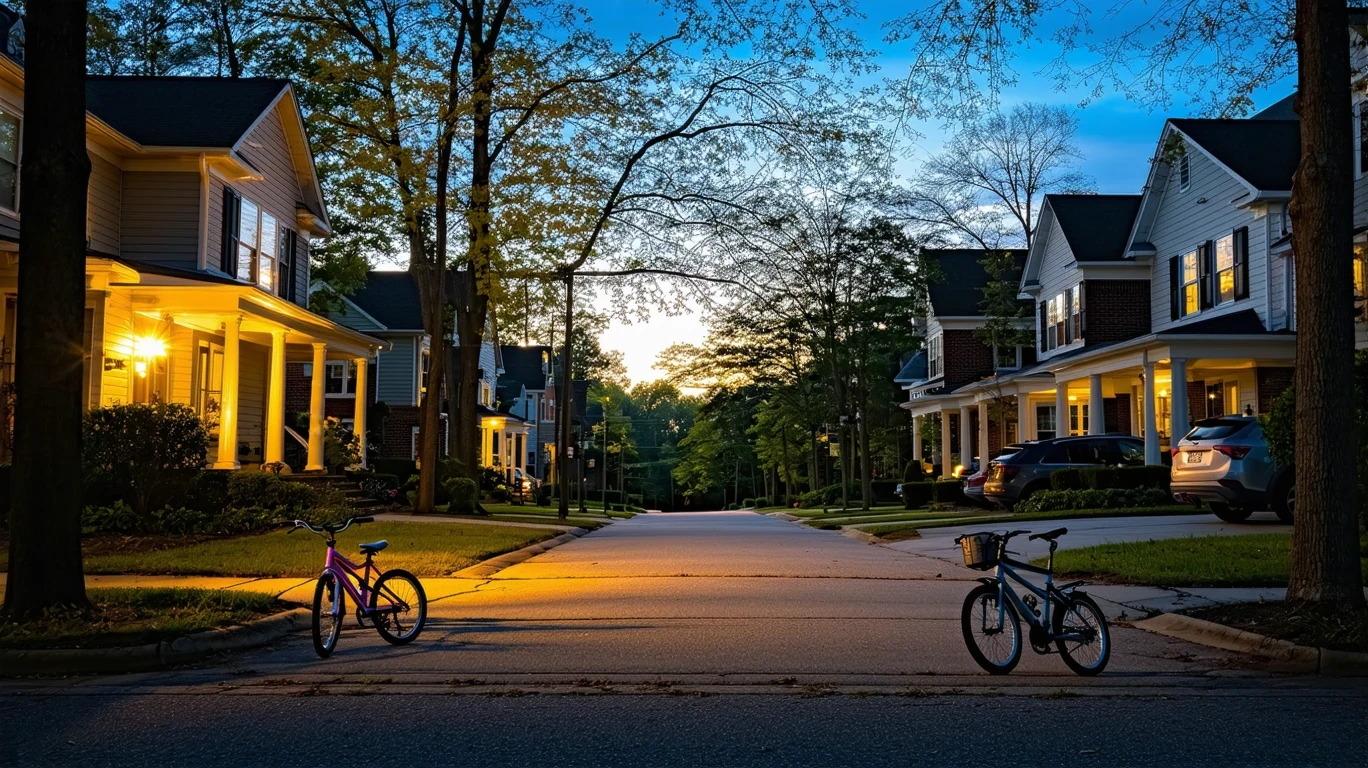
Overall Cost of Living Snapshot
Brookhaven’s cost structure is defined by high housing entry costs and moderate ongoing expenses. The regional price parity index of 101 indicates prices slightly above the national baseline, but that modest figure masks the intensity of housing pressure. With a median home value of $626,800 and median rent of $1,711 per month, housing dominates household budgets in a way that overshadows groceries, utilities, and even transportation for many residents.
What differentiates Brookhaven from other expensive suburbs is the uneven distribution of transportation exposure. The city’s infrastructure creates distinct cost profiles depending on location. Walkable pockets with substantial pedestrian infrastructure and rail transit service allow some households to reduce or eliminate car dependency. In these areas, high grocery and food establishment density—both exceeding density thresholds—means daily errands require less planning and fewer trips. Meanwhile, households in less-connected parts of the city face typical suburban car dependence, with 34.1% of workers enduring long commutes and only 3.9% working from home.
The primary cost driver is housing, but the swing factor is transportation. Where you live within Brookhaven determines whether you’re managing one major fixed cost or two.
Housing Costs (Primary Driver)
Housing is the dominant expense in Brookhaven, and the entry point—renting versus buying—shapes long-term cost exposure more than any other decision. Median rent of $1,711 per month reflects a market where even rental housing carries significant weight. For renters, this figure represents a baseline for modest apartments; larger units or those in walkable, amenity-rich areas command higher rates. Renters face less long-term risk but absorb the full cost of housing without building equity.
Homeownership shifts the equation entirely. A median home value of $626,800 translates to substantial upfront costs—down payments, closing fees, and ongoing property taxes and insurance. Ownership locks in principal and interest payments but introduces exposure to maintenance, tax increases, and insurance volatility. For households able to clear the entry barrier, ownership offers stability against rent increases. For those stretching to afford the purchase, the margin for error narrows quickly.
The mixed urban form—building heights exceeding typical low-rise patterns and both residential and commercial land use present—creates pockets where housing density and walkability reduce the need for large single-family homes. In these areas, smaller units or townhomes may offer a more manageable entry point without sacrificing access to daily needs.
Verdict: Brookhaven is a buying market for households with capital and income stability, and a transitional rental market for those testing fit or building savings. The housing entry cost is the single largest determinant of whether the city is financially viable.
| Housing Type | Cost Anchor | What That Buys You |
|---|---|---|
| Rental (median) | $1,711/month | Baseline apartment; higher in walkable corridors |
| Homeownership (median) | $626,800 | Single-family or townhome; substantial equity exposure |
Utilities & Energy Risk
Utility costs in Brookhaven are shaped by Georgia’s extended cooling season and moderate winter heating needs. Electricity rates of 14.53¢ per kWh sit near the middle of regional norms, but the intensity of usage—not the rate—drives exposure. Summers here bring extended heat, and air conditioning dominates household electricity consumption for months at a time. Homes with poor insulation, older HVAC systems, or large square footage face significantly higher bills during peak months.
Natural gas, priced at $32.21 per MCF (roughly 100 therms), plays a smaller role. Heating demand is modest compared to northern climates, but gas-heated homes will see usage tick up during winter months. The variability is less dramatic than electricity, but it’s enough to create noticeable seasonal swings for households on tight budgets.
Water and sewer costs, while not provided in the feed, are typically bundled or billed separately depending on housing type. Renters may see these included in rent; homeowners should expect separate billing and seasonal variation tied to irrigation or outdoor water use.
Risk classification: Moderate. Utility costs are predictable in direction but vary significantly in magnitude depending on home efficiency, size, and household behavior. Electricity is the primary exposure; gas and water are secondary.
Groceries & Daily Costs
Grocery costs in Brookhaven reflect regional pricing that sits slightly above national averages, consistent with the city’s overall cost structure. Derived estimates based on regional price parity suggest that staples like bread, chicken, eggs, and milk carry modest premiums compared to lower-cost regions, but the differences are incremental rather than dramatic. A household buying similar items week to week will notice the pressure more in aggregate than in any single purchase.
What matters more than per-item pricing is access friction. Brookhaven’s high density of food and grocery establishments—exceeding thresholds across the city—means most households can reach multiple options without long drives. This reduces the hidden costs of grocery shopping: fuel, time, and the need to consolidate trips. In walkable pockets, some residents can handle routine errands on foot, eliminating vehicle costs entirely for those tasks.
For households comparing Brookhaven to other Atlanta-area suburbs, grocery pricing is unlikely to be a differentiator. The real variable is convenience and the transportation cost embedded in accessing it.
Transportation Reality
Transportation costs in Brookhaven vary more by household structure than by citywide averages. The median commute time of 24 minutes suggests manageable travel for many workers, but 34.1% of residents face long commutes—a figure that signals significant car dependency for a large subset of the population. With only 3.9% working from home, the majority of households are making regular trips for work, errands, and daily logistics.
Gasoline prices of $2.70 per gallon are moderate, but fuel costs accumulate quickly for households making long commutes or managing multiple vehicles. The presence of rail transit and substantial pedestrian infrastructure in parts of the city creates an alternative for some residents, particularly those living near transit corridors. For these households, transportation becomes a lower, more predictable expense. For those in car-dependent areas, vehicle ownership—insurance, maintenance, registration, and fuel—becomes a recurring exposure that rivals or exceeds utility costs.
The city’s bike infrastructure, present in pockets but not widespread, offers limited relief for most households. Cycling may work for recreational use or short trips in connected areas, but it’s not a substitute for car ownership for the majority of residents.
Transportation is a structural cost in Brookhaven. Households able to live near rail or within walkable corridors reduce this exposure significantly. Those relying on cars for all trips face ongoing costs that compound over time.
Cost Exposure Profiles
Cost exposure in Brookhaven is not evenly distributed. The city’s infrastructure and housing market create distinct profiles based on where households live and how they move through daily life.
Low-exposure households are those who secure housing in walkable pockets near rail transit, manage shorter commutes, and benefit from high-density access to groceries and services. These households avoid the compounding costs of car dependency and can stabilize their budgets around housing and utilities. Renters in this category face high monthly housing costs but avoid ownership risk. Dual-income households with modest space needs and flexible work arrangements fit this profile well.
High-exposure households are those stretching to afford homeownership, managing long commutes, or relying on multiple vehicles to navigate daily logistics. For these households, housing costs are compounded by transportation expenses that don’t decline over time. Single-income families, households with school-age children requiring specific housing types, and those entering the market with limited savings face the highest cumulative pressure. The margin for unexpected expenses—vehicle repairs, utility spikes, insurance increases—is narrow.
The difference between these profiles is not income alone; it’s the alignment of housing location, transportation needs, and household structure. Brookhaven rewards households who can access its walkable, transit-connected infrastructure and penalizes those who cannot.
Frequently Asked Questions
Is Brookhaven more affordable than nearby Atlanta suburbs in 2026? Brookhaven’s median home value of $626,800 and rent of $1,711/month place it in the higher tier of Atlanta-area suburbs. Affordability depends on proximity to transit and walkable infrastructure, which can reduce transportation costs compared to car-dependent alternatives.
What does a typical cost profile look like in Brookhaven? Housing dominates, followed by transportation exposure that varies widely by location. Households in walkable areas near rail face lower recurring costs; those in car-dependent zones manage higher ongoing expenses for vehicles and commuting.
Do utilities cost more in Brookhaven than nearby areas? Electricity rates of 14.53¢/kWh are consistent with regional norms. The extended cooling season drives higher usage, making home efficiency and size more important than the rate itself.
What costs tend to surprise newcomers in Brookhaven? Transportation exposure surprises households who underestimate car dependency outside walkable corridors. The gap between low-exposure and high-exposure households is wider than many expect.
Are property taxes higher in Brookhaven than other Atlanta suburbs? Property tax rates vary across metro Atlanta jurisdictions. Brookhaven’s median home value of $626,800 means absolute tax bills will be substantial even at moderate rates, making this a key consideration for buyers.
Can you live in Brookhaven without a car? Yes, but only in specific areas. Rail transit and high pedestrian infrastructure in walkable pockets make car-free living feasible for some households. Most residents still rely on vehicles for work and errands.
How does the cost of living in Brookhaven compare to other Georgia cities? Brookhaven is more expensive than most Georgia cities outside the Atlanta metro. Its cost structure reflects proximity to a major employment center and access to transit and urban amenities.
What’s the biggest financial risk of moving to Brookhaven? Overextending on housing without accounting for transportation costs. Households that stretch to afford a home in a car-dependent area may find themselves managing two major fixed expenses with little flexibility.
How this article was built: In addition to public economic data, this article incorporates location-based experiential signals derived from anonymized geographic patterns—such as access density, walkability, and land-use mix—to reflect how day-to-day living actually feels in Brookhaven, GA.
—