
Picture this: it’s Sunday afternoon in Bristol, and you’re mapping out meals for the week. You’ve got a running list—chicken, rice, eggs, maybe some ground beef for tacos—and you’re weighing whether to hit the discount grocer or the mid-tier chain closer to home. That decision, more than any single price tag, shapes how grocery costs actually feel here. In Bristol, food prices sit slightly above the national baseline, reflecting Connecticut’s moderately elevated regional cost structure. But the real story isn’t the average—it’s how store choice, household size, and trip planning interact to create pressure or flexibility.
For a household earning around $82,094 per year—close to Bristol’s median—groceries are manageable but not invisible. Couples and dual-income households absorb week-to-week variability without much strain. Singles feel it more: buying for one means less flexibility to bulk-buy or ride out price swings. Families, especially those with teenagers or young kids, notice every uptick—volume amplifies even small per-unit differences. And because grocery density here is below typical thresholds, with food establishments spread thin, the choice of where to shop becomes more consequential than it might in a place with a store on every corner.
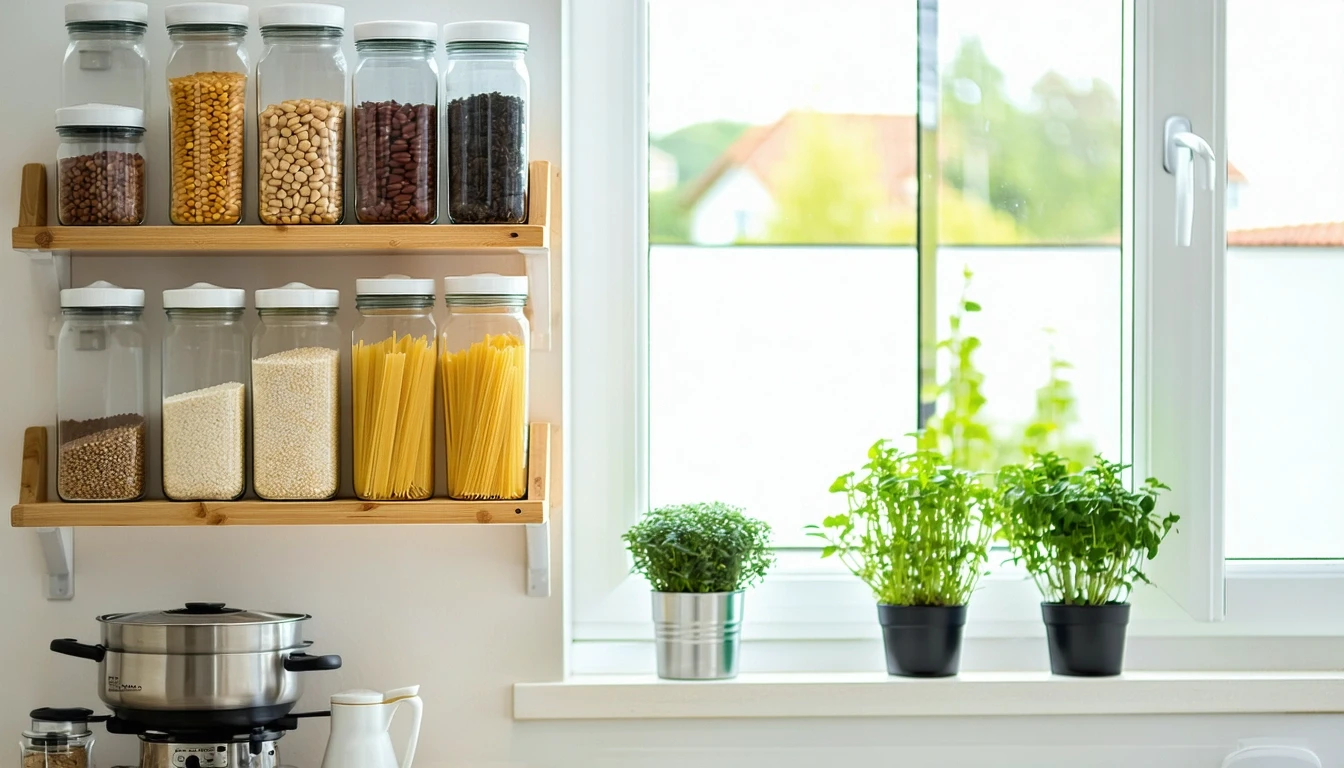
How Grocery Costs Feel in Bristol
Grocery prices in Bristol track slightly above the national average, consistent with Connecticut’s cost structure and the city’s regional price parity index of 103. That means staples—bread, eggs, chicken, milk—tend to cost a few percentage points more than the U.S. baseline, but the difference is modest enough that it doesn’t dominate the household budget on its own. What matters more is how often you shop, where you shop, and how much flexibility you have to adjust.
For couples and smaller households, grocery costs feel routine. There’s enough income cushion to absorb seasonal swings in produce prices or occasional premium purchases without recalibrating the week’s spending. For families, though, the math changes. Buying for four or five people means filling the cart more frequently, and even small per-pound differences add up over the month. A family that goes through two gallons of milk a week, a few pounds of chicken, and a dozen eggs every few days will feel price pressure more acutely than a single person buying the same items once every ten days.
Singles face a different kind of friction: inflexibility. Buying for one often means smaller package sizes, fewer bulk discounts, and less ability to stockpile when prices dip. You’re also more likely to let fresh items go to waste if plans change, which effectively raises the per-meal cost even if the sticker price looks reasonable.
Grocery Price Signals (Illustrative)
These prices illustrate how staple items tend to compare locally—not a full shopping list. They’re derived estimates based on regional price adjustments, useful for understanding relative positioning but not for receipt-level accuracy.
| Item | Price |
|---|---|
| Bread (per pound) | $1.89/lb |
| Eggs (per dozen) | $2.79/dozen |
| Milk (per half-gallon) | $4.17/half-gallon |
| Chicken (per pound) | $2.08/lb |
| Ground beef (per pound) | $6.89/lb |
| Cheese (per pound) | $4.88/lb |
| Rice (per pound) | $1.11/lb |
Ground beef stands out as the highest-cost item per pound, which matters for households that rely on it as a weeknight protein. Chicken, by contrast, offers more flexibility—it’s affordable enough to buy in larger quantities and versatile enough to stretch across multiple meals. Eggs and rice remain budget anchors, especially for families cooking from scratch. Cheese and milk reflect moderate regional pricing; neither is a deal, but neither is prohibitively expensive.
These numbers don’t tell you what you’ll spend in a week—they tell you where Bristol sits relative to baseline costs and where price sensitivity is likely to show up. If your household leans heavily on ground beef, dairy, or fresh produce, you’ll feel the regional premium more than someone building meals around chicken, rice, and eggs.
Store Choice & Price Sensitivity
In Bristol, grocery price pressure varies more by store tier than by any single average. Discount grocers—no-frills chains focused on private-label staples and high-volume turnover—offer the lowest per-unit prices, often 15–25% below mid-tier competitors on everyday items. Mid-tier stores provide more variety, better produce selection, and name-brand options, but at a price. Premium grocers emphasize organic, specialty, and prepared foods, with corresponding markups that can push totals significantly higher.
Because grocery density here is sparse—food establishments are below typical thresholds and spread across corridors rather than clustered—store choice becomes more deliberate. You’re not casually swinging by three different stores in one trip. Most households pick a primary store and stick with it, which means the tier you choose shapes your baseline grocery experience more than it might in a place with denser retail access.
For families, discount stores offer the most control. Buying in bulk, sticking to store brands, and planning around sales can meaningfully reduce monthly pressure without sacrificing nutrition or variety. For singles or couples prioritizing convenience, prepared foods, or organic options, mid-tier or premium stores may feel worth the trade—but the cost difference is real, and it compounds over time.
Households that split their shopping—staples at the discount store, fresh items or specialty ingredients at mid-tier—often find the best balance. It requires more planning and an extra trip, but it lets you capture savings on high-volume items while still accessing better produce or specific brands when it matters.
What Drives Grocery Pressure Here
Grocery costs in Bristol don’t exist in isolation—they interact with income, household composition, and the physical layout of retail access. With median household income above $82,000, most families have enough margin to absorb moderate grocery costs without financial stress. But that cushion shrinks quickly for single-income households, renters on fixed budgets, or families with multiple dependents. A household earning $50,000 feels grocery price swings much more acutely than one earning $90,000, even if both are shopping at the same store.
Household size amplifies everything. A single person might spend $250–$350 per month on groceries without much effort; a family of four easily doubles or triples that, depending on dietary preferences and how often they cook. The per-person cost doesn’t scale linearly—larger households benefit from bulk buying and shared staples—but the absolute dollar amount still climbs, and that creates pressure when other costs (housing, utilities, transportation) are also elevated.
The sparse grocery infrastructure here also matters. With food establishment density below typical thresholds, residents often need to plan trips more deliberately. There’s less ability to “just stop by” on the way home, and fewer nearby options mean less competitive pricing pressure on retailers. That doesn’t make groceries unaffordable, but it does mean store choice and trip efficiency become bigger factors in managing costs than they might in a place with denser, more competitive retail.
Seasonality plays a quieter role. Produce prices fluctuate with national supply patterns—berries cost more in winter, root vegetables and squash are cheaper in fall—but Connecticut’s climate doesn’t create the kind of extreme seasonal swings you’d see in more isolated or extreme regions. The bigger seasonal factor is behavior: households that cook more in winter (soups, roasts, baked goods) may see grocery totals rise even if per-item prices stay flat.
Practical Ways People Manage Grocery Costs
Managing grocery costs in Bristol is less about chasing deals and more about building sustainable habits that reduce waste and maximize flexibility. Meal planning is the most effective lever—knowing what you’ll cook for the week lets you buy only what you need, avoid duplicate purchases, and take advantage of sales on items you were already planning to use. It doesn’t require elaborate recipes or rigid schedules; even a loose plan (tacos Tuesday, chicken and rice Thursday, leftovers Friday) reduces impulse buys and last-minute takeout.
Buying store brands on staples—rice, pasta, canned goods, dairy—captures immediate savings without sacrificing quality. Most private-label products are produced by the same manufacturers as name brands, and the price difference can be significant, especially on high-volume items. Reserving name-brand purchases for items where you notice a real difference (certain cereals, condiments, snacks) keeps costs down without feeling like a compromise.
Shopping less frequently also helps. Fewer trips mean fewer opportunities for unplanned purchases, and it forces you to use what’s already in the pantry before buying more. For perishables, this requires a bit more planning—buying chicken in bulk and freezing portions, choosing longer-lasting produce like carrots and cabbage over delicate greens—but it smooths out weekly spending and reduces waste.
Batch cooking and freezing meals extends the value of bulk purchases and reduces reliance on convenience foods. Making a large pot of chili, soup, or casserole and portioning it out for the week (or month) turns inexpensive ingredients into ready-to-eat meals that compete with takeout on convenience but cost a fraction as much. It’s especially effective for families and anyone managing a unpredictable schedule.
Finally, flexibility around proteins helps. Chicken, eggs, and beans are consistently affordable and versatile; leaning on them as primary proteins and treating ground beef, pork, or seafood as occasional options keeps costs predictable without making meals feel repetitive.
Groceries vs Eating Out (Directional)
The tradeoff between groceries and dining out in Bristol isn’t just about price—it’s about time, energy, and how much control you want over what you eat. Cooking at home is almost always cheaper per meal, but it requires planning, prep time, and cleanup. Eating out or ordering in trades money for convenience, and that trade can feel worth it after a long day or when schedules don’t align.
For households that cook most nights, groceries remain the more economical baseline. Even accounting for occasional waste or premium ingredients, home-cooked meals cost significantly less per person than restaurant equivalents. A home-cooked dinner for two—chicken, rice, roasted vegetables—might run $8–12 in ingredients; the same meal at a casual restaurant would easily cost $35–50 before tip.
But the calculus shifts when time is scarce. A household where both adults work full-time, manage kids’ schedules, and face unpredictable evenings may find that cooking every night isn’t realistic. In those cases, the cost of eating out isn’t just the menu price—it’s weighed against the time and stress saved. Some households split the difference: cooking simple meals on weeknights (pasta, stir-fry, sandwiches) and dining out or ordering in on weekends.
The key is knowing where your household’s threshold sits. If dining out twice a week feels manageable and doesn’t crowd out other priorities, it’s a reasonable trade. If it’s pushing grocery costs down but total food spending up—and creating financial pressure—it’s worth recalibrating. Groceries offer more control and predictability; dining out offers flexibility and relief. Most households end up somewhere in between.
FAQs About Grocery Costs in Bristol (2026)
Is it cheaper to shop in bulk in Bristol? Yes, for staples and non-perishables, bulk buying at discount grocers reduces per-unit costs meaningfully. It works best for households with storage space and predictable consumption patterns—families, especially—but requires upfront spending and discipline to avoid waste.
Which stores in Bristol are best for low prices? Discount-tier grocers focused on private-label staples and high-volume turnover offer the lowest baseline prices. Mid-tier stores provide more variety and better produce but at a premium. Splitting trips—staples at discount stores, fresh items at mid-tier—often delivers the best balance.
How much more do organic items cost in Bristol? Organic products typically carry a noticeable premium over conventional equivalents, often 20–40% higher depending on the item and store. The gap is widest on produce and dairy; for shelf-stable goods, the difference is smaller. Prioritizing organic for high-impact items (berries, greens, milk) while buying conventional elsewhere is a common compromise.
How do grocery costs for two adults in Bristol tend to compare to nearby cities? Bristol’s grocery prices track slightly above the national baseline, consistent with Connecticut’s regional cost structure. Compared to Hartford or smaller towns nearby, the difference is modest—store tier and shopping habits matter more than location. Compared to higher-cost metros, Bristol feels noticeably more affordable.
How do households in Bristol think about grocery spending when cooking at home? Most treat groceries as a controllable cost—something they can adjust through store choice, meal planning, and flexibility around ingredients. Cooking at home consistently costs less than dining out, but it requires time and planning. Households that batch-cook, buy staples in bulk, and minimize waste find groceries remain one of the more manageable pieces of monthly expenses.
Do grocery prices in Bristol change much by season? Produce prices fluctuate with national supply—berries cost more in winter, root vegetables less in fall—but the swings are moderate. Connecticut’s climate doesn’t create extreme seasonal pressure. Behavioral shifts (cooking heavier meals in winter, grilling in summer) often affect totals more than price changes themselves.
Can you save money shopping at multiple stores in Bristol? Yes, but it requires intentional planning. Buying shelf-stable staples and proteins at discount stores, then picking up fresh produce or specialty items at mid-tier grocers, captures savings without sacrificing quality. The trade is time and trip logistics—it works best for households that can batch errands or have flexible schedules.
How Groceries Fit Into the Cost of Living in Bristol
Groceries are one of the few major household costs you can actively control week to week. Unlike housing—which locks in for a year or more—or utilities, which fluctuate with weather and usage, grocery spending responds immediately to the choices you make: where you shop, what you buy, how much you waste. That makes it a critical lever for households managing financial pressure, but it also means it’s easy to underestimate how much small decisions compound over time.
In the broader context of living in Bristol, groceries sit below housing and transportation in terms of total budget share, but above most discretionary spending. For a household earning around the median, groceries might represent 8–12% of gross income—manageable, but not trivial. For lower-income households or single earners, that share climbs, and the margin for error shrinks. A week of unplanned takeout or a few wasted grocery trips can push monthly totals higher than expected, creating pressure that ripples into other categories.
Because grocery density here is sparse—food establishments spread across corridors rather than clustered—shopping requires more planning than it might in a denser retail environment. That’s not necessarily a disadvantage, but it does mean households that treat grocery trips casually, without a list or a plan, tend to spend more and waste more. The infrastructure here rewards intentionality.
For a complete picture of how groceries interact with housing, utilities, transportation, and other costs, see A Month of Expenses in Bristol: What It Feels Like. That article walks through the full cost structure and helps you understand where grocery spending fits relative to other priorities. The key takeaway: groceries are flexible, but only if you treat them that way. Left unmanaged, they drift upward. Managed actively—through store choice, meal planning, and waste reduction—they become one of the most controllable parts of your budget.
How this article was built: In addition to public economic data, this article incorporates location-based experiential signals derived from anonymized geographic patterns—such as access density, walkability, and land-use mix—to reflect how day-to-day living actually feels in Bristol, CT.