
Before you sign a lease or close on a home in Brentwood, make sure you know which utilities you’ll pay directly, which might be bundled into HOA fees, and whether your provider offers budget billing to smooth out seasonal swings—three details that catch newcomers off guard.
Understanding Utilities in Brentwood
When planning a move to Brentwood, understanding the utilities cost in Brentwood is essential for building a realistic monthly budget. Utilities typically rank as the second-largest recurring expense after housing, and in a city like Brentwood—where single-family homes dominate and climate drives seasonal demand—these costs can fluctuate significantly throughout the year.
For most households, utility bills include electricity, water, natural gas, trash collection, and recycling. Electricity powers lighting, appliances, heating, and cooling systems. Water covers household use and often includes sewer charges. Natural gas fuels furnaces, water heaters, and sometimes stoves. Trash and recycling services may be billed separately, bundled with water, or included in homeowners association fees, depending on your neighborhood.
Renters in Brentwood apartments may find that water, trash, and sometimes gas are included in their lease, leaving only electricity as a direct monthly bill. Single-family homeowners, by contrast, typically manage all utilities independently. Understanding which services you’ll pay for—and how billing structures work—helps you avoid surprises and plan for the seasons when usage spikes.
Utilities at a Glance in Brentwood
The table below shows how core utility costs typically behave for a mid-size household in a single-family home in Brentwood. Where city-level prices are available in the data feed, they are shown directly. When exact figures are not provided, categories are described qualitatively to reflect how costs are structured and what drives variability.
| Utility | Cost Structure |
|---|---|
| Electricity | 13.06¢/kWh; usage-sensitive, climate-driven |
| Water | Tiered pricing; usage-dependent |
| Natural Gas | $20.33/MCF; winter-driven, heating-dependent |
| Trash & Recycling | Often bundled with water or included in HOA fees |
| Total | Seasonal variability driven by electricity and heating |
This table reflects utility cost structure for a mid-size household in a single-family home in Brentwood during 2026. Where exact figures are not provided in the IndexYard data feed, categories are described directionally to reflect how costs behave rather than a receipt-accurate total.
Electricity is billed per kilowatt-hour at 13.06¢, making it highly responsive to usage patterns. In Brentwood, where summers bring heat and humidity and winters can dip to freezing, air conditioning and heating systems drive the majority of seasonal swings. Homes with older HVAC systems, poor insulation, or large square footage will see higher bills during peak months.
Water costs in Brentwood are structured on tiered pricing, meaning the more you use, the higher your per-unit rate climbs. Households with irrigation systems, pools, or large families typically move into higher tiers during summer. Sewer charges are often bundled into the same bill, adding a fixed or proportional fee on top of water usage.
Natural gas is priced at $20.33 per thousand cubic feet and primarily fuels heating systems during winter months. Homes with gas furnaces, water heaters, or gas ranges will see this line item rise between November and March. Mild winters reduce exposure, but extended cold snaps—like the 28°F temperature Brentwood is experiencing now—can push usage higher than expected.
Trash and recycling services in Brentwood vary by provider and neighborhood. Some areas bundle these fees with water bills, while others include them in HOA dues. Standalone service typically runs as a flat monthly charge, making it one of the most predictable utility costs on your statement.
Electricity is typically the most exposure-sensitive utility in Brentwood, driven more by climate and home efficiency than by base rates.
How Weather Impacts Utilities in Brentwood
Brentwood’s climate creates two distinct peaks in utility demand: summer cooling and winter heating. During the hot, humid months from June through September, air conditioning systems run nearly continuously, especially during stretches of heat that push into the 90s. Humidity compounds the load, as HVAC units work harder to remove moisture from the air. Many Brentwood households experience noticeably higher electric bills during peak summer compared to spring, sometimes doubling their usage as temperatures climb.
Winter brings a different kind of exposure. While Tennessee winters are generally mild compared to northern states, cold snaps—like the current 28°F reading—drive up natural gas consumption for heating. Homes relying on electric heat pumps or baseboard heaters see their electricity bills rise instead. Freezing nights are less frequent but not rare, and when they occur, heating systems cycle more often to maintain indoor comfort.
Spring and fall offer the most predictable utility costs, with moderate temperatures reducing both cooling and heating demand. These shoulder seasons provide a useful baseline for understanding your home’s efficiency. If your bills remain high even during mild weather, it’s often a signal that appliances, insulation, or HVAC systems need attention. Brentwood’s tree cover and green space—present throughout much of the city—can help moderate summer heat in neighborhoods with mature canopy, offering natural cooling that reduces air conditioning load.
How to Save on Utilities in Brentwood
Reducing utility costs in Brentwood starts with understanding which expenses you can control and which are driven by external factors like weather or rate structures. The most effective strategies focus on lowering usage during peak seasons, improving home efficiency, and taking advantage of programs offered by local providers.
Start by checking whether your electricity provider offers time-of-use or off-peak billing plans. These programs charge lower rates during periods of low demand, rewarding households that shift usage away from afternoon and early evening hours. Running dishwashers, laundry, and charging systems overnight can reduce costs without changing your overall consumption. Budget billing programs—which average your annual usage into equal monthly payments—help smooth out seasonal spikes, making it easier to plan your household budget throughout the year.
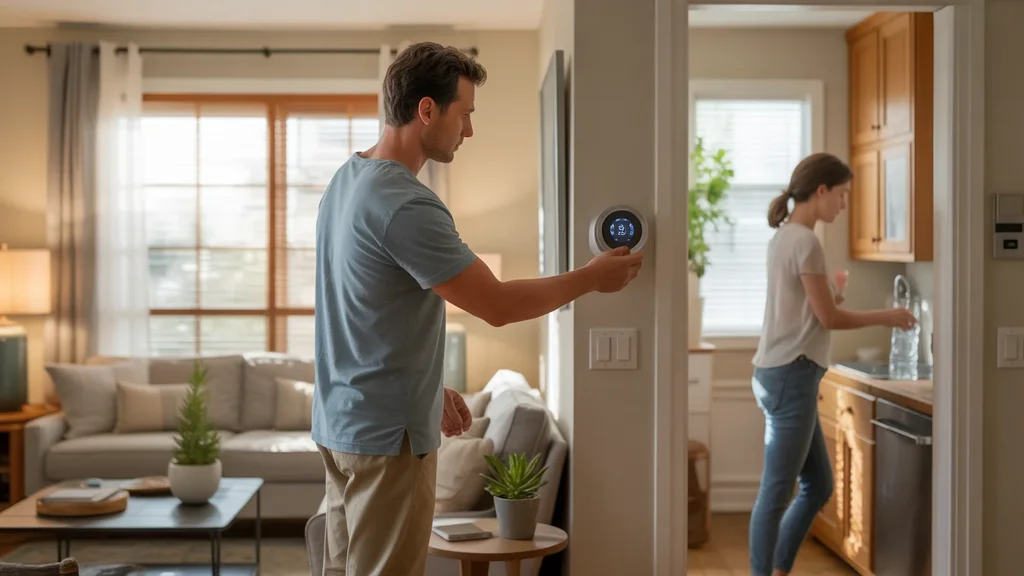
Home efficiency upgrades deliver long-term savings. Programmable or smart thermostats allow you to set heating and cooling schedules that match your household’s routine, avoiding unnecessary runtime when no one is home. Sealing air leaks around windows, doors, and ductwork prevents conditioned air from escaping, reducing the load on your HVAC system. Adding insulation to attics and crawl spaces is especially effective in Brentwood’s climate, where both summer heat and winter cold create temperature differentials that drive energy loss. Shade trees planted strategically on the south and west sides of your home can lower cooling costs by blocking direct sunlight during the hottest part of the day.
- Enroll in off-peak or time-of-use billing programs to lower electricity rates during low-demand hours
- Install a smart thermostat to automate heating and cooling schedules
- Seal air leaks around windows, doors, and ductwork to prevent energy loss
- Add insulation to attics and crawl spaces to reduce heating and cooling load
- Plant shade trees on south and west exposures to block summer sun
- Upgrade to energy-efficient appliances and look for utility rebates that offset upfront costs
- Switch to LED lighting throughout your home to reduce electricity usage
- Monitor water usage and fix leaks promptly to avoid moving into higher pricing tiers
🏆 Tip: Check if your provider in Brentwood offers rebates for energy-efficient AC units or heating systems. Many utilities subsidize upgrades to high-efficiency equipment, reducing both your installation cost and long-term energy bills.
FAQs About Utility Costs in Brentwood
Why do utility bills in Brentwood spike during summer and winter? Brentwood’s climate drives seasonal demand for both air conditioning and heating. Hot, humid summers push cooling systems to run continuously, while cold snaps in winter increase natural gas or electric heating usage. These seasonal swings are the primary reason bills fluctuate throughout the year.
Are trash and recycling billed separately in Brentwood or included with water service? It depends on your neighborhood and provider. Some areas bundle trash and recycling fees with water bills, while others include them in HOA dues. Standalone service is also common, typically billed as a flat monthly charge. Check with your provider or HOA to confirm how your service is structured.
How much should a family of four budget for utilities in Brentwood each month? Utility costs vary widely based on home size, efficiency, and seasonal weather. Electricity and natural gas are the largest variables, with usage-sensitive pricing that responds to climate and household behavior. Focusing on where money goes across all categories helps families plan for the months when heating or cooling drives bills higher.
Do utility providers in Brentwood offer budget billing or equalized payment plans? Many providers offer budget billing, which averages your annual usage into equal monthly payments. This smooths out seasonal spikes and makes it easier to plan your household budget. Contact your electricity and natural gas providers to ask about enrollment and eligibility.
Does Brentwood offer incentives for solar panels or energy-efficient appliances? Tennessee has state and federal programs that support energy efficiency upgrades, including tax credits for solar installations and rebates for high-efficiency HVAC systems. Local utility providers may also offer rebates for qualifying appliances. Check with your provider and consult state energy office resources to identify available incentives in 2026.
How Utilities Fit Into the Cost Structure in Brentwood
Utilities represent a significant and variable component of household expenses in Brentwood, driven primarily by electricity and natural gas usage that responds to seasonal weather. Unlike fixed costs such as rent or mortgage payments, utility bills fluctuate based on consumption, efficiency, and external factors like temperature extremes. This variability makes utilities a key area where households can exercise control through behavioral changes, efficiency upgrades, and strategic use of provider programs.
Understanding how utilities behave throughout the year helps you anticipate when bills will rise and plan accordingly. Summer cooling and winter heating create predictable peaks, while spring and fall offer lower baseline costs that reflect your home’s efficiency. For families evaluating a month of expenses in Brentwood, utilities sit alongside housing, transportation, and groceries as a core budget category—one that rewards attention and proactive management.
Brentwood’s mix of single-family homes, moderate climate exposure, and access to efficiency programs gives households multiple pathways to reduce costs without sacrificing comfort. Whether you’re a new mover setting up service for the first time or a longtime resident looking to lower bills, focusing on the drivers of usage—climate, home efficiency, and billing structure—delivers the clearest path to predictable, manageable utility expenses. Explore more resources on IndexYard to understand how utilities interact with housing, transportation, and overall cost of living in Brentwood.
How this article was built: In addition to public economic data, this article incorporates location-based experiential signals derived from anonymized geographic patterns—such as access density, walkability, and land-use mix—to reflect how day-to-day living actually feels in Brentwood, TN.
—