
Bothell sits at the intersection of King and Snohomish counties, straddling the Seattle metro’s northern edge where suburban density meets preserved green space. For newcomers weighing where their monthly budget will stretch or strain, the rent-versus-buy decision here isn’t just about mortgage math—it’s about understanding how Bothell’s walkable pockets, corridor-clustered errands, and integrated park network shape the long-term cost experience of living here.
This article explains housing cost structure and tradeoffs in Bothell: what drives prices, how renting and owning differ in exposure and control, and which household types fit the market’s realities. If you’re deciding whether Bothell’s housing costs align with your income, lifestyle, and timeline, the answers lie in how this city’s infrastructure and market behavior interact—not in generic affordability rules.
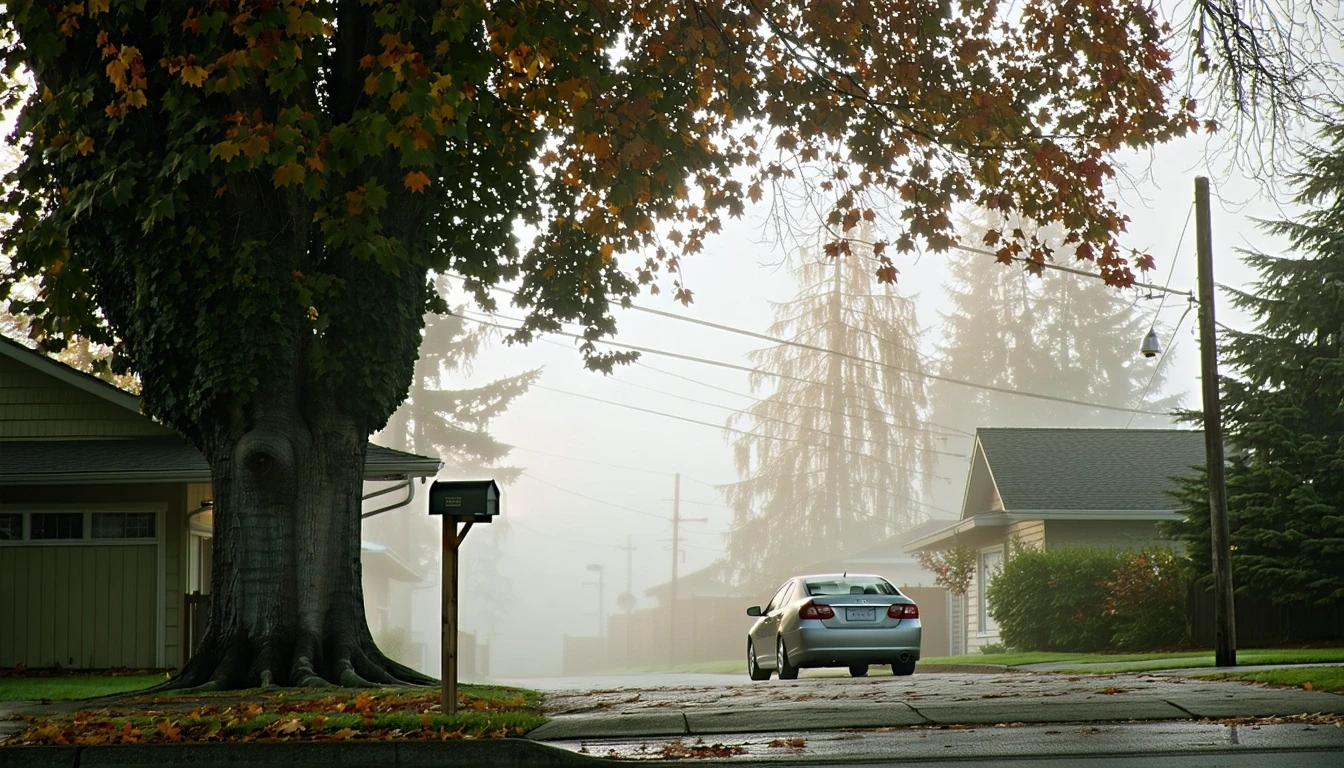
The Housing Market in Bothell Today
Bothell’s housing market reflects its role as a commuter-accessible suburb with strong local amenities and limited housing supply relative to demand. The median home value stands at $796,900, positioning Bothell well above the national baseline and in line with the broader Seattle metro’s cost structure. The regional price parity index of 113 confirms that goods and services here cost roughly 13% more than the U.S. average, but housing—not groceries or gas—drives the bulk of that premium.
What shapes Bothell’s market distinctly is its infrastructure mix: walkable pockets with high pedestrian-to-road ratios coexist with car-oriented corridors, and while bus service is present, rail transit is not. This creates a bifurcated experience. Homes near downtown’s mixed-use core or along arterials with high food and grocery density command premiums for convenience, while properties farther from these corridors trade access for space and quieter streets. The city’s integrated park network—park density exceeds high thresholds, and water features are present—adds another layer of value that buyers prioritize but renters may underweight.
Newcomers often misunderstand Bothell as a uniform suburb. It’s not. Location within the city determines whether you’re walking to errands or driving to them, whether your commute is a bus ride or a solo car trip, and whether your housing costs buy you convenience or require you to plan around friction. The market prices these differences, and so should your decision.
Renting in Bothell
Median gross rent in Bothell is $2,174 per month, a figure that includes base rent and tenant-paid utilities but excludes parking fees, pet rent, or other lease add-ons that vary by property. Rental pressure here is shaped by the same factors that drive ownership costs: proximity to walkable corridors, access to parks, and ease of reaching employment centers in Seattle, Bellevue, or Redmond.
Renters in Bothell face a tradeoff between location and rent level. Units near downtown or along arterials with high food density and mixed land use—where you can walk to coffee, groceries, and clinics—command higher rents but reduce transportation and time costs. Properties farther from these pockets often rent for less but require car ownership and add commute friction, especially given the absence of rail transit. Bus service is present, but its utility depends heavily on where you live and work; for many renters, it’s a backup option rather than a primary mode.
Rental availability in Bothell skews toward single-family homes and low- to mid-rise apartments, reflecting the city’s mixed building height character. This means renters have options across housing types, but competition is steady due to the city’s appeal to families and professionals who want suburban space without sacrificing access to the metro. Lease renewals here tend to track regional rent growth, which has been volatile in recent years. Renters should expect annual increases and plan for the possibility that staying in place may cost more over time than the initial lease suggests.
The rental experience in Bothell rewards those who prioritize flexibility and lower upfront costs over long-term cost control. If your timeline is short or your income variable, renting insulates you from ownership’s fixed expenses and maintenance exposure. But if you’re planning to stay and can afford entry, ownership shifts the cost structure in your favor.
Owning a Home in Bothell
At a median home value of $796,900, ownership in Bothell requires substantial upfront capital and income to support financing. The city’s median household income of $127,944 per year suggests that many current residents can sustain these costs, but newcomers should recognize that this market is built for dual-income households or single earners well above the regional median.
Ownership in Bothell exposes you to costs that renting avoids: property taxes, homeowners insurance, maintenance, and—depending on the property—HOA fees. While specific tax rates and HOA prevalence aren’t available in the current data, the broader King and Snohomish county context suggests that property taxes here are moderate relative to home values but still represent a significant annual expense. Insurance costs in the Pacific Northwest are generally stable, but homes near water features or in older neighborhoods may face higher premiums due to flood risk or deferred maintenance.
Maintenance exposure in Bothell is shaped by climate and housing stock. The region’s mild, wet winters and moderate summers mean heating and cooling costs are lower than in extreme climates, but moisture management—roof maintenance, gutter cleaning, siding upkeep—becomes a recurring expense. Homes in Bothell’s older neighborhoods may require more frequent intervention, while newer construction in mixed-use areas often shifts some of this burden to HOAs or master-planned community fees.
Ownership here also means navigating Bothell’s governance and land-use rules, which affect what you can do with your property and how your neighborhood evolves. The city’s mixed land-use character and walkable pockets suggest active planning and zoning enforcement, which can limit expansion or modification but also protects neighborhood character and property values.
The ownership experience in Bothell differs from renting in one critical way: control. Owners lock in a portion of their housing costs (the mortgage principal and interest) and gain the ability to modify, improve, and benefit from long-term appreciation. But they also absorb all volatility in taxes, insurance, and maintenance—costs that renters can walk away from at lease end.
Apartment vs House in Bothell — Cost Behavior Comparison
The table below compares cost behavior between apartments and single-family houses in Bothell, focusing only on categories where local conditions create meaningful differences. Rows are included only where Bothell’s climate, infrastructure, housing stock, or governance make the distinction decision-relevant.
| Expense Category | Apartment | House |
|---|---|---|
| Base Housing Cost | Median gross rent $2,174/month includes utilities in some cases; no equity build | Median value $796,900 requires financing; equity build over time |
| Utilities (Heating/Cooling) | Lower exposure due to shared walls and smaller square footage; electricity at 13.85¢/kWh | Higher exposure due to standalone structure and larger footprint; natural gas at $24.71/MCF for heating |
| Moisture/Weather Maintenance | Landlord or HOA responsibility; tenant insulated from roof, gutter, siding costs | Owner responsibility; Pacific Northwest moisture requires ongoing roof, gutter, and exterior upkeep |
| Access to Walkable Corridors | Often located near mixed-use arterials with high food density; reduces car dependency | More variable; houses farther from downtown trade walkability for space and quiet |
| Parking/Transportation | May require separate parking fee; bus service present but car often needed for errands outside corridors | Typically includes driveway/garage; car dependency higher in non-walkable pockets |
| Park/Outdoor Access | Integrated park network accessible citywide; apartment dwellers rely on public green space | Private yard space plus park access; families prioritize this combination |
Methodology note: This table reflects cost behavior differences driven by Bothell’s corridor-clustered errands, integrated park density, mixed building heights, and Pacific Northwest climate. Categories like insurance, HOA fees, and property taxes were excluded because their variation depends more on individual property characteristics than on apartment-versus-house structure in this market. The goal is to show where housing type changes your cost exposure and lifestyle friction in Bothell specifically, not to enumerate every possible expense.
Utilities & Upkeep Differences
Utility and maintenance costs in Bothell are shaped by the region’s mild, wet climate and the city’s mixed housing stock. Electricity rates stand at 13.85¢/kWh, which is moderate for the Pacific Northwest, and natural gas is priced at $24.71/MCF. Heating dominates winter utility exposure, but Bothell’s mild temperatures mean seasonal swings are less extreme than in colder or hotter climates. Cooling costs are minimal; most homes rely on natural ventilation or occasional fan use rather than central air conditioning.
The primary maintenance difference between apartments and houses here is moisture management. Bothell’s climate brings steady rainfall and high humidity, which accelerates wear on roofs, gutters, siding, and foundations. Apartment dwellers are insulated from these costs—landlords or HOAs handle exterior upkeep—but homeowners must budget for regular intervention. Deferred maintenance on a house in this climate compounds quickly, turning minor leaks into structural issues.
Homes near Bothell’s water features or in older neighborhoods face higher exposure to moisture-related problems, while newer construction in mixed-use areas often incorporates better drainage and materials. Buyers should assess not just the home’s condition but its location within the city’s topography and drainage patterns.
Utility exposure also varies by housing type and location. Apartments in mixed-use corridors often have smaller footprints and shared walls, reducing heating costs. Single-family homes, especially older or larger properties, require more energy to heat and maintain. Homeowners can control this exposure through insulation upgrades, efficient heating systems, and weatherization, but these interventions require upfront investment and ongoing attention.
Rent vs Buy: Long-Term Exposure in Bothell
The rent-versus-buy decision in Bothell is fundamentally about risk allocation and control, not monthly payment comparison. Renting offers flexibility and insulation from maintenance, tax, and insurance volatility. Buying offers cost stability (fixed mortgage payments), equity accumulation, and control over your living environment. The right choice depends on your timeline, income stability, and tolerance for exposure.
Renters in Bothell face annual lease renewal risk. Rents here track the broader Seattle metro’s volatility, which has seen sharp increases during demand surges and modest declines during slowdowns. Over a five-year period, a renter’s total housing cost is shaped by these swings, and there’s no mechanism to lock in today’s rate for the long term. Renters also remain exposed to landlord decisions—property sales, renovation, or conversion—that can force moves at inconvenient times.
Owners, by contrast, lock in their mortgage payment (assuming a fixed-rate loan) and shift their exposure to property taxes, insurance, and maintenance. These costs tend to rise over time, but the increases are generally slower and more predictable than rent growth in high-demand markets. Owners also benefit from equity build as they pay down the mortgage and, potentially, from home value appreciation. In Bothell’s market, appreciation has historically tracked the Seattle metro’s strong performance, but future gains are never guaranteed.
The long-term cost structure of ownership in Bothell rewards stability. If you’re planning to stay five years or more, the upfront costs of buying—down payment, closing costs, moving expenses—are amortized over time, and the equity build and payment stability typically outweigh the flexibility premium of renting. If your timeline is shorter or your income uncertain, renting avoids the risk of selling into a down market or absorbing maintenance shocks you can’t afford.
One often-overlooked factor in Bothell is how housing type and location affect your non-housing costs. Buying a home in a walkable pocket near downtown reduces transportation costs and time spent commuting or running errands. Buying farther out may lower your purchase price but increase your car dependency, fuel costs, and time friction. Renters face the same tradeoff, but they can adjust more easily by moving when their lease ends. Owners are locked into their location choice until they sell.
FAQs About Housing Costs in Bothell
Is Bothell’s median home value of $796,900 typical for the Seattle metro?
Bothell’s median home value is consistent with the northern Seattle suburbs, where strong schools, park access, and commuter proximity drive demand. It’s higher than outer suburbs farther from the metro core but lower than closer-in neighborhoods with rail transit access. The value reflects Bothell’s infrastructure mix and housing supply constraints, not speculative pricing.
How does renting in Bothell compare to nearby cities?
Bothell’s median gross rent of $2,174 per month is competitive with other King and Snohomish county suburbs of similar size and amenity level. Renters here pay a premium for walkable pockets and park access but avoid the higher rents of Seattle’s urban core. The tradeoff is bus-only transit and car dependency outside the most accessible corridors.
What drives maintenance costs for homeowners in Bothell?
Moisture management is the dominant maintenance driver in Bothell due to the Pacific Northwest’s wet climate. Roofs, gutters, siding, and foundations require regular attention to prevent water intrusion and structural damage. Homes near water features or in older neighborhoods face higher exposure, while newer construction in mixed-use areas often incorporates better drainage and materials.
Does Bothell’s walkability reduce the need for car ownership?
Bothell’s walkability is concentrated in pockets, not citywide. Residents in or near downtown’s mixed-use corridors can walk to many errands and rely on bus service for some trips, reducing car dependency. Residents farther from these areas typically need a car for daily errands and commuting, as bus service is present but limited in reach and frequency.
How does Bothell’s housing market treat first-time buyers?
First-time buyers in Bothell face high entry costs due to the median home value and competitive market conditions. Dual-income households with strong credit and savings are best positioned to enter. Single-income buyers or those with limited down payment funds may struggle to compete unless they’re willing to compromise on location, size, or condition. The market rewards preparation and patience, not urgency.
Making Housing Choices in Bothell
Housing costs in Bothell are shaped by the city’s infrastructure, location within the Seattle metro, and the interaction between walkable pockets and car-oriented corridors. Renting offers flexibility and lower upfront costs but exposes you to rent volatility and limits your control. Owning requires substantial capital and income but locks in payment stability, builds equity, and gives you control over your environment and location.
The households that fit Bothell’s market best are dual-income earners with stable jobs, families prioritizing schools and park access, and buyers who value walkability and mixed-use amenities without requiring rail transit. Single-income households under $100,000, renters seeking urban density, and buyers expecting rapid appreciation in volatile markets will find Bothell’s cost structure and infrastructure less aligned with their needs.
Your housing decision in Bothell should reflect not just what you can afford today but how the city’s cost behavior and infrastructure match your timeline, lifestyle, and tolerance for exposure. If you’re planning to stay and can absorb the upfront costs, ownership shifts the long-term cost structure in your favor. If your timeline is short or your income uncertain, renting preserves flexibility and limits your downside risk.
For a broader view of how housing fits into your overall financial picture here, see what costs people most in Bothell and how different expense categories interact over time.
How this article was built: In addition to public economic data, this article incorporates location-based experiential signals derived from anonymized geographic patterns—such as access density, walkability, and land-use mix—to reflect how day-to-day living actually feels in Bothell, WA.