
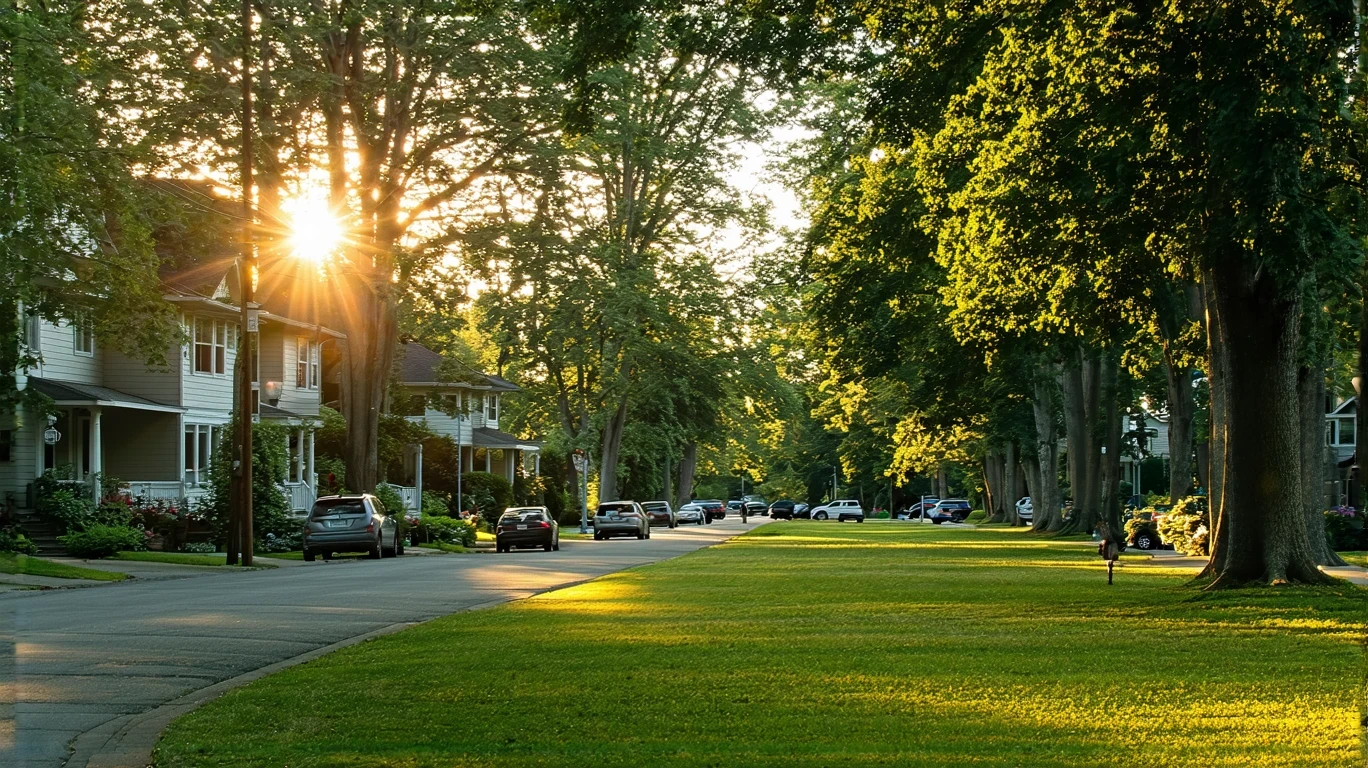
Bothell’s median home value sits at $796,900, while Renton’s comes in at $576,800—a difference that shapes everything from monthly housing obligations to how households navigate daily errands, commute patterns, and long-term financial predictability. Both cities anchor the Seattle metro’s eastern corridor, but they serve different household profiles: Bothell attracts those prioritizing walkable pockets and integrated parks, while Renton offers a lower entry point for families and workers willing to absorb longer commutes and car-dependent logistics. The better choice in 2026 isn’t about which city costs less overall—it’s about which cost structure aligns with your household’s non-negotiables, whether that’s housing flexibility, transportation time, or access to daily amenities without a car.
These two cities share the same regional price environment (both carry a regional price parity index of 113) and identical natural gas rates, yet the cost structure diverges sharply when housing form, commute reality, and infrastructure texture come into play. Bothell’s pedestrian-to-road ratio exceeds high thresholds, its bike infrastructure is notable throughout, and food density clusters along accessible corridors—all factors that reduce car dependence for households who can afford the housing premium. Renton, meanwhile, shows a majority of workers facing commutes beyond 30 minutes (52.4% endure long commutes) and only 10.9% working from home, creating a transportation-first cost reality that compounds over time even as baseline housing costs remain lower.
Understanding how these differences play out requires looking beyond sticker prices. Housing entry barriers, transportation friction, utility exposure tied to building age and form, and the daily logistics of errands and services all behave differently depending on which city you choose—and which household type you represent. This article breaks down where cost pressure concentrates in each city, who feels it most acutely, and how to match your household’s priorities to the place that fits.
Housing Costs
Bothell’s median gross rent of $2,174 per month and median home value of $796,900 create a front-loaded cost structure that demands higher income thresholds at entry but delivers access to walkable infrastructure and mixed-use neighborhoods. Renton’s $1,864 per month median rent and $576,800 median home value lower the baseline obligation by roughly $310 per month for renters and reduce the down payment barrier for buyers by over $40,000 (assuming conventional financing). These aren’t just price differences—they’re structural differences in how housing cost pressure shows up over time.
In Bothell, the housing premium buys proximity to pedestrian-friendly corridors, integrated parks, and mixed building forms that support errands without a car. Renters face higher monthly obligations, but those obligations often come with newer construction, energy-efficient systems, and walkable access to groceries and services. Homebuyers in Bothell absorb a steeper entry cost, but the housing stock reflects recent development patterns that favor insulation, efficient HVAC, and lower long-term utility exposure. Families seeking single-family homes with yards will find options, but the cost floor remains high—this is a market where housing dominates the household budget from day one.
Renton’s lower housing costs open the door to homeownership and rental stability for households earning closer to the city’s median income of $92,292 per year, compared to Bothell’s $127,944. But that accessibility comes with tradeoffs: older housing stock, less walkable infrastructure, and neighborhoods where car ownership isn’t optional. Renters in Renton gain breathing room in the monthly budget, but they may face longer commutes, fewer walkable errands, and higher transportation exposure that offsets some of the housing savings. Homebuyers benefit from a lower entry threshold, but they inherit maintenance, utility, and commute costs tied to housing forms that predate modern efficiency standards.
| Housing Type | Bothell | Renton |
|---|---|---|
| Median Gross Rent | $2,174/month | $1,864/month |
| Median Home Value | $796,900 | $576,800 |
For single adults and couples without children, Bothell’s rental market offers access to mixed-use neighborhoods where walkability reduces the need for a second car, but the rent premium requires stable, above-median income. Renton’s lower rent allows for more discretionary spending or faster savings accumulation, but the car-dependent layout increases transportation costs and time friction. Families face a starker choice: Bothell’s higher entry cost buys access to parks, schools, and pedestrian infrastructure that simplify daily logistics, while Renton’s affordability allows for homeownership but demands more driving, more time spent managing errands, and more exposure to gas price volatility.
Housing takeaway: Bothell’s housing market favors households who can absorb higher upfront costs in exchange for walkable access and newer housing stock that lowers long-term utility exposure. Renton fits households prioritizing entry affordability and willing to trade higher transportation time and car dependence for lower monthly housing obligations. The decision hinges on whether your household is more sensitive to baseline housing cost or to the compounding friction of car-dependent logistics.
Utilities and Energy Costs
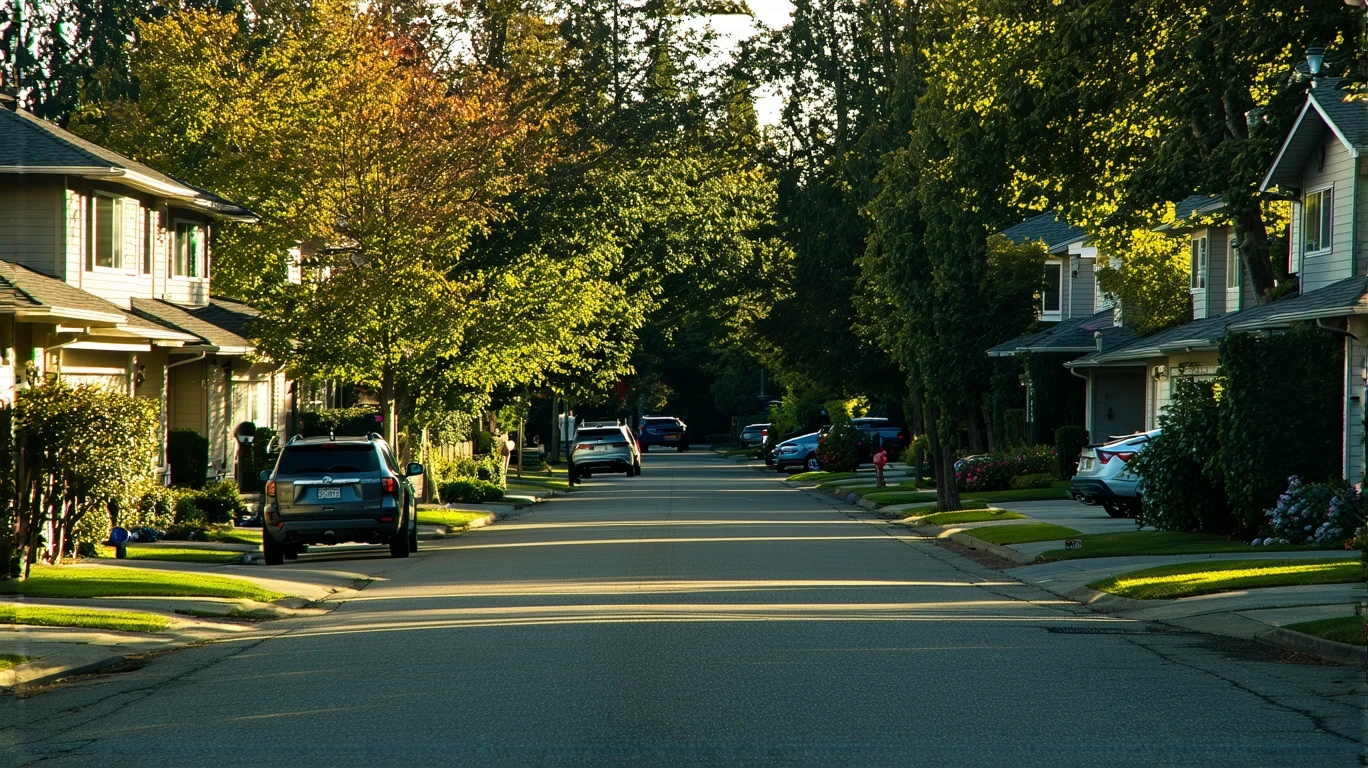
Electricity rates differ marginally between the two cities—Bothell’s 13.85¢/kWh versus Renton’s 14.06¢/kWh—but the real utility cost story lies in housing stock, building form, and seasonal exposure rather than rate structure. Both cities share the same natural gas price of $24.71/MCF, and both experience the Pacific Northwest’s mild, damp climate where heating dominates winter months and cooling remains minimal. The difference in utility exposure comes down to how old the housing is, how well it’s insulated, and whether the household lives in a compact apartment or a detached single-family home.
Bothell’s housing stock skews newer, with mixed building heights and apartment complexes that benefit from shared-wall efficiency and modern construction standards. Renters in multi-family buildings often see lower baseline utility costs because heating and cooling loads are distributed across smaller square footage and shared thermal mass. Homeowners in Bothell’s single-family neighborhoods face higher absolute usage, but newer builds tend to include better insulation, dual-pane windows, and efficient HVAC systems that reduce seasonal spikes. The city’s integrated park density and tree canopy also provide passive cooling in summer, lowering the need for air conditioning during the region’s brief warm stretches.
Renton’s housing mix includes more older single-family homes and aging apartment stock, where insulation gaps, older windows, and less efficient heating systems increase baseline consumption. Households in older detached homes face higher heating exposure during wet, cold months, and utility bills become less predictable when systems age or weather patterns shift. Renters in older complexes may encounter higher electric baseboard heating costs or poorly maintained HVAC, creating volatility that’s harder to control. The slightly higher electricity rate in Renton compounds this exposure, though the difference remains small in absolute terms.
Household size and housing type interact directly with utility exposure. Single adults in Bothell apartments benefit from compact square footage and shared-wall efficiency, keeping baseline costs low and predictable. Couples in Renton single-family homes face higher heating loads and more square footage to condition, especially in older construction. Families with children in either city see utility costs rise with home size, but Bothell’s newer stock offers more control through programmable thermostats, zone heating, and better envelope performance. Renton families in older homes may face higher seasonal swings and less ability to reduce usage without discomfort.
Utility takeaway: Bothell households experience more predictable utility costs due to newer housing stock and compact building forms, with lower seasonal volatility and better baseline efficiency. Renton households face higher exposure to heating costs in older homes and less control over usage spikes, especially in detached single-family housing. The primary driver isn’t the rate—it’s the building age, insulation quality, and housing form that determine whether utility costs remain stable or swing unpredictably with the weather.
Groceries and Daily Expenses
Both Bothell and Renton operate within the same regional price environment, reflected in their identical regional price parity index of 113. Derived grocery estimates show nearly identical pricing for staples: bread, cheese, chicken, eggs, ground beef, milk, and rice all land within pennies of each other. The meaningful difference isn’t what groceries cost on the shelf—it’s how households access them, how often convenience spending creeps in, and whether the neighborhood layout encourages bulk shopping trips or frequent small purchases.
Bothell’s corridor-clustered food density and walkable pockets mean that grocery stores, cafes, and prepared food options sit within walking or biking distance for many residents. This accessibility reduces the friction of running out for a missing ingredient or grabbing a quick meal, but it also increases the temptation for convenience spending—coffee shops, takeout, and specialty stores become part of the daily routine rather than occasional treats. Households with flexible schedules or remote work can take advantage of this access without adding car trips, but the ease of spending can quietly inflate the grocery and dining budget over time.
Renton’s layout favors larger, less frequent shopping trips. Big-box stores and discount grocers dominate the retail landscape, offering lower per-unit prices for households willing to buy in bulk and plan meals ahead. But this structure demands car access, time to drive and shop, and storage space to manage larger volumes. Families benefit from the lower per-unit cost and the ability to stretch grocery dollars further, but single adults and couples may find the car-dependent model less convenient and more time-consuming. Dining out and prepared food options exist but cluster in specific areas, making convenience spending less habitual but more intentional.
For single adults, Bothell’s walkable errands reduce the need for a car but increase exposure to daily convenience spending—grabbing lunch, picking up coffee, or stopping for a quick grocery run adds up faster than planned bulk trips. Couples in Renton can leverage bulk shopping and meal planning to keep grocery costs lower, but they sacrifice time and flexibility in exchange. Families managing larger grocery volumes benefit from Renton’s big-box access and lower per-unit pricing, but they need the logistical capacity to plan, shop, and store food efficiently. Families in Bothell pay for convenience and proximity, which simplifies daily life but raises the baseline cost of feeding a household.
Grocery takeaway: Bothell households face higher exposure to convenience spending due to walkable access and clustered food options, which simplifies errands but inflates daily costs. Renton households benefit from lower per-unit grocery pricing through big-box access but absorb higher time costs and car dependence to realize those savings. The difference is less about shelf prices and more about whether your household prioritizes convenience and walkability or bulk efficiency and planning discipline.
Taxes and Fees
Washington State’s tax structure applies uniformly across both cities: no state income tax, a statewide sales tax base, and property taxes that fund local services and schools. The meaningful differences between Bothell and Renton emerge in how property taxes interact with home values, how local fees layer onto monthly obligations, and how housing type determines exposure to HOA assessments and service charges.
Bothell’s higher median home value of $796,900 translates directly into higher annual property tax obligations for homeowners, even though the effective tax rate structure remains consistent across King County. A household buying at the median in Bothell faces a larger absolute tax bill than a household buying at Renton’s $576,800 median, simply because the assessed value is higher. This difference compounds over time as property values appreciate, and it affects long-term affordability for households planning to stay several years. Renters in Bothell don’t pay property taxes directly, but landlords pass through a portion of that cost in monthly rent, contributing to the city’s higher rental baseline.
Renton’s lower home values reduce the absolute property tax burden for homeowners, creating more breathing room in the monthly budget and lowering the cost of staying in place over time. But Renton’s older housing stock and more car-dependent layout increase exposure to other recurring fees: parking permits in denser areas, higher vehicle registration costs for households running multiple cars, and maintenance-related service fees tied to aging infrastructure. Renters in Renton benefit from lower baseline rent but may encounter utility billing structures that separate water, sewer, and trash—adding line items that feel less predictable than all-inclusive rent.
HOA fees behave differently depending on housing type and neighborhood. Bothell’s newer developments often include HOA fees that bundle landscaping, common area maintenance, and sometimes water or trash service, adding $200 to $400 per month to the cost of ownership in planned communities. These fees buy convenience and predictability but reduce flexibility for households trying to control costs. Renton’s older single-family neighborhoods typically lack HOAs, giving homeowners more control over maintenance spending but also more responsibility for upkeep, repairs, and service contracts. Condos and townhomes in both cities carry HOA fees, but Bothell’s newer stock tends to charge more for amenities like gyms, pools, and managed green space.
Tax and fee takeaway: Bothell homeowners face higher absolute property tax obligations due to elevated home values, and newer developments often add HOA fees that bundle services but reduce cost flexibility. Renton homeowners benefit from lower property taxes and fewer mandatory HOA fees, but they absorb more direct responsibility for maintenance and services. Renters in both cities see these costs reflected indirectly in rent, but Bothell’s higher baseline rent includes more bundled services, while Renton’s lower rent often comes with more itemized utility and service charges.
Transportation & Commute Reality
Renton’s commute data reveals the transportation pressure that defines daily life for most households: the average commute runs 30 minutes, with 52.4% of workers enduring long commutes and only 10.9% working from home. Gas prices in Renton sit at $3.80/gal, slightly lower than Bothell’s $3.97/gal, but the real cost comes from the time spent commuting and the car dependence baked into the city’s layout. Bothell lacks detailed commute metrics in the available data, but its experiential signals tell a different story: walkable pockets, notable bike infrastructure, and bus service create alternatives to driving for households living near mixed-use corridors.
In Renton, the majority of households face a transportation-first cost structure. Long commutes mean more gas consumption, more wear on vehicles, and more time lost to driving—time that can’t be redirected toward household logistics, errands, or leisure. The low work-from-home percentage suggests that most jobs require physical presence, limiting flexibility and locking households into daily car trips. Even with slightly lower gas prices, the cumulative cost of commuting—fuel, maintenance, insurance, and time—adds up faster than the housing savings might suggest. Families with two working adults often need two cars, doubling the transportation exposure and reducing the financial advantage of Renton’s lower rent or home prices.
Bothell’s infrastructure offers more optionality. The city’s pedestrian-to-road ratio exceeds high thresholds, and bike-to-road ratios support cycling as a viable mode for short trips and errands. Bus service provides a baseline transit option, though it doesn’t replace car ownership for most households. What Bothell’s layout does offer is the ability to reduce car trips for daily errands—walking to the grocery store, biking to a coffee shop, or taking the bus for specific routes. This flexibility matters most for single adults and couples without children, who can structure their lives around walkable access and avoid the second-car expense. Families still need cars for school drop-offs and weekend activities, but the walkable pockets reduce the frequency of short, inefficient trips that drain gas and time.
The transportation tradeoff between these cities isn’t just about gas prices—it’s about time cost versus cash cost. Renton households save on housing but spend more time commuting and more money maintaining car-dependent logistics. Bothell households pay more for housing but gain time back through walkable errands and reduced car dependence, especially for households whose work allows remote flexibility or whose daily routines align with the city’s mixed-use corridors.
Cost Structure Comparison
Housing dominates the cost experience in Bothell, where the median home value of $796,900 and median rent of $2,174 per month create a front-loaded financial commitment that shapes every other household decision. Renton’s lower housing baseline—$576,800 for homeownership and $1,864 per month for rent—shifts the pressure away from housing entry and onto transportation time, car dependence, and the logistics of managing a household across longer distances and less walkable infrastructure. The question isn’t which city costs less in total; it’s where the cost pressure shows up and which household type can absorb it without losing flexibility or stability.
Utilities introduce more volatility in Renton, where older housing stock and detached single-family homes increase heating exposure during wet, cold months. Bothell’s newer construction and compact building forms deliver more predictable utility costs, especially for renters in multi-family buildings who benefit from shared-wall efficiency and modern HVAC systems. The electricity rate difference—13.85¢/kWh in Bothell versus 14.06¢/kWh in Renton—matters less than the building envelope and insulation quality, but Renton households face higher seasonal swings and less control over usage spikes.
Transportation patterns matter more in Renton, where the majority of workers face long commutes and car dependence defines daily life. Bothell’s walkable pockets and notable bike infrastructure reduce the need for constant car trips, especially for households living near mixed-use corridors. This difference compounds over time: Renton households save on housing but spend more on gas, vehicle maintenance, and the time cost of commuting, while Bothell households pay more upfront but gain back time and reduce car-related expenses through proximity and infrastructure.
Groceries and daily expenses behave similarly in both cities from a price perspective—the regional price parity index of 113 applies equally—but access patterns diverge. Bothell’s corridor-clustered food density encourages convenience spending and frequent small purchases, which simplifies errands but inflates the grocery budget. Renton’s big-box retail model rewards bulk shopping and planning discipline, lowering per-unit costs but demanding more time, car access, and storage capacity. Families benefit from Renton’s structure if they can manage the logistics; single adults and couples often find Bothell’s walkable access more practical, even if it costs more.
The better choice depends on which costs dominate your household’s decision-making. Households sensitive to housing entry barriers and monthly rent obligations may find Renton more accessible, but they must be prepared to absorb higher transportation time, car dependence, and utility volatility tied to older housing. Households prioritizing walkability, time flexibility, and predictable utility costs may prefer Bothell, but they need the income stability to sustain higher housing payments without sacrificing other financial goals. For families, the tradeoff often comes down to whether housing affordability or daily logistics friction matters more. For single adults and couples, the decision hinges on whether convenience and walkability justify the housing premium or whether lower baseline costs and bulk efficiency align better with income and lifestyle.
How the Same Income Feels in Bothell vs Renton
Single Adult
In Bothell, rent becomes the non-negotiable cost that claims the largest share of gross monthly income, but walkable access to groceries, coffee shops, and bus stops reduces the need for a car or limits driving to occasional trips. Flexibility exists in transportation and convenience spending, but the housing premium leaves less room for discretionary savings or unexpected expenses. In Renton, lower rent creates breathing room in the monthly budget, but car ownership becomes mandatory—gas, insurance, and maintenance absorb the housing savings, and long commutes steal time that could otherwise go toward meal prep, errands, or side income. The same gross income feels tighter in Bothell if housing dominates, but it feels more time-constrained in Renton even when cash flow looks healthier on paper.
Dual-Income Couple
In Bothell, housing costs eat into combined income more aggressively, but the ability to share one car or rely on walkable errands offsets some of that pressure—especially if one or both partners work remotely or have flexible schedules. Predictable utility costs and proximity to services reduce the mental load of logistics, and the time saved on commuting can be redirected toward cooking, fitness, or leisure. In Renton, lower housing costs allow for faster savings accumulation or more discretionary spending, but both partners likely need cars if they work in different directions, and the majority of workers face long commutes that compress evening hours. The same combined income feels more stable in Bothell if time flexibility matters, but it stretches further in Renton if both partners can tolerate car-dependent routines and longer workdays.
Family with Kids
In Bothell, the upfront cost of housing—whether renting a larger apartment or buying a single-family home—becomes the dominant financial pressure, but integrated parks, walkable schools, and mixed-use neighborhoods simplify daily logistics and reduce the need for constant driving. Flexibility disappears in the housing budget, but it reappears in time: less driving to errands, more walkable after-school activities, and access to green space without weekend car trips. In Renton, lower home prices make ownership more accessible, but families absorb the cost through longer commutes for working parents, car-dependent school drop-offs, and the logistical complexity of managing a household across disconnected neighborhoods. The same gross income feels front-loaded and housing-constrained in Bothell, but it feels time-poor and logistics-heavy in Renton, even when the monthly cash flow looks more manageable.
Decision Matrix: Which City Fits Which Household?
| Decision factor | If you’re sensitive to this… | Bothell tends to fit when… | Renton tends to fit when… |
|---|---|---|---|
| Housing entry + space needs | You need to minimize upfront costs or monthly rent to preserve cash flow and savings capacity | You can sustain higher housing payments in exchange for walkable access and newer construction that lowers long-term utility exposure | You prioritize lower entry barriers and baseline housing costs, even if it means older stock and less walkable infrastructure |
| Transportation dependence + commute friction | You want to reduce car dependence, limit commute time, or avoid the cost of maintaining multiple vehicles | You value walkable errands, bike infrastructure, and the ability to reduce short car trips through proximity and mixed-use corridors | You accept car dependence and long commutes as unavoidable, and you can absorb the time and fuel costs without losing schedule flexibility |
| Utility variability + home size exposure | You want predictable utility bills and minimal seasonal swings, especially in larger homes or older construction | You benefit from newer housing stock, compact building forms, and shared-wall efficiency that stabilize heating and cooling costs | You can manage higher seasonal utility volatility in older homes and are willing to invest in insulation or efficiency upgrades over time |
| Grocery strategy + convenience spending creep | You want to control daily spending and avoid the temptation of frequent convenience purchases that inflate the food budget | You value walkable access to groceries and prepared food, even if proximity increases the frequency and cost of convenience spending | You prefer bulk shopping and planning discipline to lower per-unit grocery costs, and you have the time and car access to execute that strategy |
| Fees + friction costs (HOA, services, upkeep) | You want to minimize mandatory fees and retain control over maintenance spending and service contracts | You accept higher HOA fees in newer developments that bundle landscaping and services, reducing the mental load of upkeep decisions | You prefer lower or no HOA fees and are willing to manage maintenance, repairs, and service contracts directly to control costs |
| Time budget (schedule flexibility, errands, logistics) | You need to protect evening and weekend time for family, side work, or personal priorities, and you can’t afford long commutes or car-dependent errands | You gain time back through walkable infrastructure, shorter errand loops, and the ability to structure daily life around proximity rather than driving | You can tolerate longer commutes and car-dependent logistics in exchange for lower housing costs, and your schedule accommodates time spent driving |
Lifestyle Fit
Bothell’s experiential texture reflects a city built around walkable pockets, integrated parks, and mixed-use corridors that support daily life without constant car trips. The pedestrian-to-road ratio exceeds high thresholds, and bike infrastructure is notable throughout the city, making short trips on foot or by bike practical for households living near commercial clusters. Park density exceeds high thresholds, and water features add to the outdoor environment, creating accessible green space that families and active adults can reach without weekend drives. Food density clusters along corridors, and grocery options fall into a medium band—enough to support regular shopping without requiring long trips, but not so dispersed that every errand demands a car. Bus service provides a baseline transit option, though most households still rely on cars for longer trips or routes outside the core walkable areas.
Renton’s lifestyle structure prioritizes car access and longer commutes, with the majority of workers facing 30-minute or longer trips and only a small fraction working from home. The city lacks the detailed experiential signals available for Bothell, but the commute data and housing patterns suggest a more car-dependent layout where errands, work, and services require driving. Families benefit from lower housing costs and access to single-family homes with yards, but they absorb the time cost of managing a household across disconnected neighborhoods. Outdoor recreation exists, but it often requires driving to parks or trails rather than walking from home. Dining, shopping, and entertainment cluster in specific areas, making convenience less about proximity and more about planning and driving.
For households prioritizing outdoor access and walkability, Bothell delivers more day-to-day convenience—parks within walking distance, bike-friendly streets, and the ability to run errands on foot reduce the friction of daily life. Families with young children benefit from the integrated park density and the ability to let kids walk or bike to nearby playgrounds and schools. Single adults and couples without children find Bothell’s mixed-use corridors and walkable errands align well with remote work or flexible schedules, reducing the need for a second car and lowering transportation exposure. Bothell’s building height character falls into a mixed range, reflecting a blend of low-rise and mid-rise construction that supports density without overwhelming the pedestrian experience. Both residential and commercial land use types are present, creating a mixed-use environment that supports errands and services within walking distance.
Renton fits households who can tolerate longer commutes and car-dependent logistics in exchange for lower housing entry costs and more space. Families seeking single-family homes with yards and access to good schools find Renton more financially accessible, even if daily life requires more driving and time spent managing logistics. Couples with two working adults often need two cars, but the lower baseline housing cost allows for that expense without breaking the budget. Outdoor enthusiasts and families who prioritize weekend recreation over daily walkability can take advantage of Renton’s proximity to regional parks and trails, even if those destinations require a drive.
FAQ Section
Is Bothell or Renton more affordable for renters in 2026?
Renton’s median gross rent of $1,864 per month sits roughly $