
“I thought I could manage without a second car when we first moved here,” says a daily commuter who relocated to Boerne three years ago. “That lasted about two weeks. Everything’s just far enough apart that you really need your own wheels.”
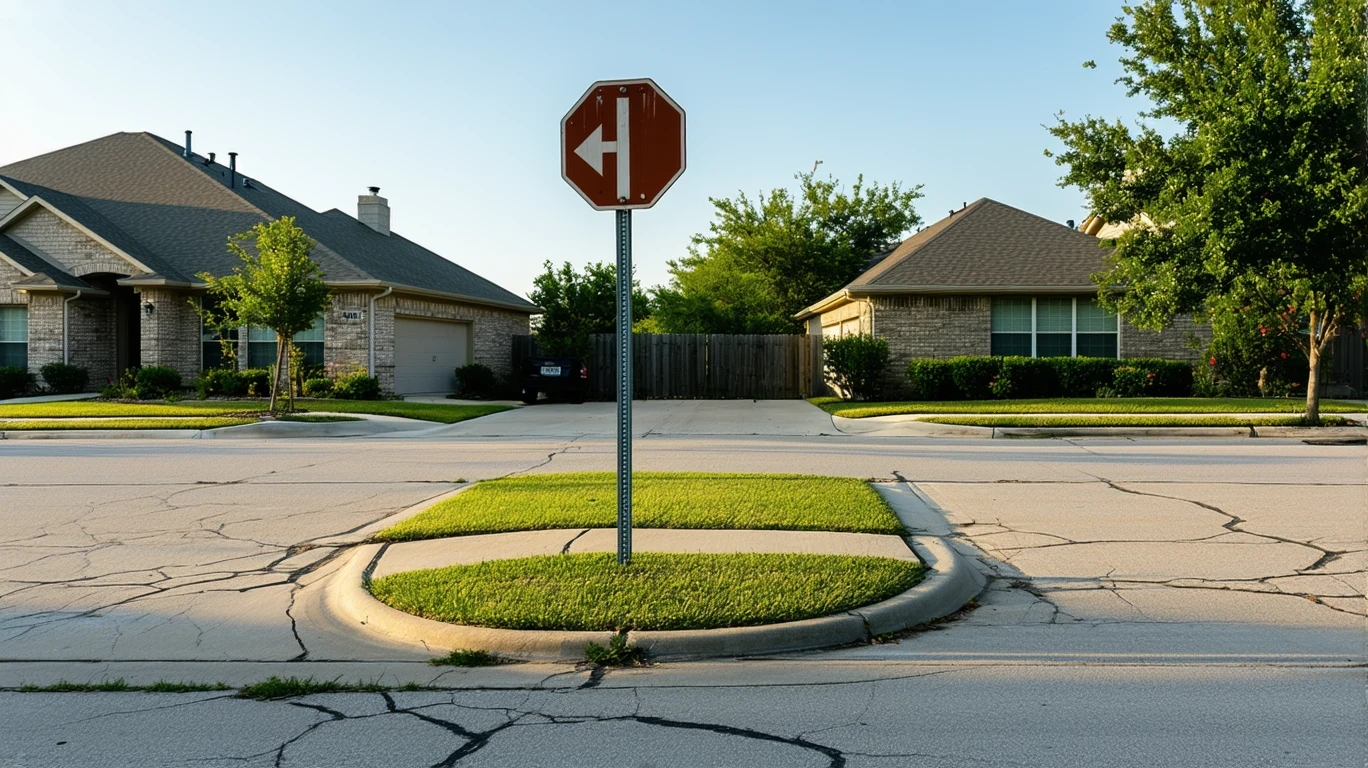
How People Get Around Boerne
Understanding transportation options in Boerne starts with recognizing the city’s layout and infrastructure. Boerne is a low-rise, spread-out community where residential neighborhoods and commercial corridors exist side-by-side, but pedestrian networks are sparse and distances between daily destinations require motorized travel. The street grid prioritizes vehicle flow, and while some bike infrastructure exists in pockets, it doesn’t form a connected system that supports car-free living.
Newcomers often underestimate how car-dependent daily life in Boerne actually is. The city’s development pattern—typical of Texas Hill Country towns that grew rapidly in recent decades—means that even short errands usually involve driving. Grocery stores, schools, medical clinics, and workplaces are accessible, but they’re distributed along corridors rather than clustered within walking distance of most homes.
This isn’t a question of preference or lifestyle choice. Boerne’s infrastructure makes driving the default for nearly everyone, regardless of age, income, or household type. The practical question isn’t whether you’ll need a car—it’s how many cars your household will need, and how much of your day will be structured around driving.
Public Transit Availability in Boerne
Public transit plays a minimal role in Boerne’s transportation landscape. The city does not have a comprehensive local bus network, rail service, or dedicated transit infrastructure that supports daily commuting or errands for most residents. While regional transit options may serve parts of the broader San Antonio metro area, Boerne itself operates as a car-first environment with very limited alternatives.
For residents who rely on transit due to age, disability, or economic constraints, options are sparse and often require advance planning, flexibility, and patience. Specialized services or demand-response programs may exist, but they are not structured to replace the convenience, frequency, or coverage that a personal vehicle provides.
Transit works best—if at all—for individuals with highly localized needs who live near commercial corridors and have schedules flexible enough to accommodate limited service windows. For everyone else, the absence of viable public transit means that car ownership is not optional; it’s a prerequisite for participating in daily life.
Driving & Car Dependence Reality
Driving isn’t just the most common way to get around Boerne—it’s the structural foundation of how the city functions. Errands, work commutes, school drop-offs, medical appointments, and social activities all assume access to a personal vehicle. Parking is abundant and free in most areas, which reinforces car use but also reflects the lack of density or transit infrastructure that would make other modes practical.
This car dependence shapes household logistics in tangible ways. Families with multiple working adults or school-aged children typically need multiple vehicles. Single-car households face scheduling friction, especially when work hours, school schedules, and errands don’t align. The flexibility that comes with car ownership—leaving when you want, carrying what you need, routing as you choose—is less a luxury in Boerne and more a basic requirement for managing daily responsibilities.
Sprawl and distance aren’t extreme by Texas standards, but they’re enough to make walking or biking impractical for most trips. The bike infrastructure that does exist serves recreational riders more than commuters, and pedestrian paths are too fragmented to support routine errands on foot. For newcomers used to cities with walkable cores or robust transit, Boerne’s car-oriented layout can feel isolating until vehicle access is secured.
Commuting Patterns & Daily Mobility
Commuting in Boerne often means driving, whether your job is local or in a nearby city. Many residents work within Boerne itself, particularly in retail, healthcare, education, or small business sectors. Others commute to San Antonio or surrounding communities, adding highway time and fuel exposure to their daily routines.
The structure of commutes varies by household. Single-job commuters with predictable schedules can optimize routes and timing. Parents managing school drop-offs, daycare pickups, and work obligations face more complex logistics, especially if both adults work outside the home. Flexibility matters: the ability to leave early, avoid peak congestion, or reroute around delays is a function of car access, not transit schedules.
Proximity to work or schools reduces time and fuel costs, but it doesn’t eliminate the need for a vehicle. Even residents who live close to their primary destinations still drive for groceries, appointments, and errands, because Boerne’s layout doesn’t support a car-free lifestyle in any neighborhood. The question isn’t whether you’ll commute by car—it’s how far, how often, and whether your household can absorb the time and cost that driving requires.
Who Transit Works For — and Who It Doesn’t
Public transit in Boerne is not a realistic option for the vast majority of residents. Households that depend on predictable, frequent, and geographically flexible transportation—working parents, multi-job households, families with school-aged children—will find transit inadequate or entirely absent.
Transit might work, in limited cases, for individuals who live along commercial corridors, have flexible schedules, and can structure their lives around infrequent service. Retirees with minimal mobility needs, students without school-time constraints, or adults working locally in walkable zones might manage without a car, but only if their daily radius is very small and their tolerance for inconvenience is high.
Renters and owners face the same reality: location within Boerne doesn’t significantly change transit viability, because transit infrastructure is sparse citywide. Moving closer to downtown or a commercial corridor might reduce driving distances slightly, but it won’t eliminate the need for a vehicle. Walkability exists in pockets, but it’s not sufficient to replace car dependency for most households.
For newcomers evaluating whether they can live in Boerne without a car, the answer is almost always no. The city’s infrastructure, density, and service gaps make car ownership a baseline requirement, not a convenience.
Transportation Tradeoffs in Boerne
Choosing to rely on a car in Boerne isn’t really a choice—it’s a structural necessity. But understanding the tradeoffs helps clarify what car dependency actually costs in terms of time, control, and exposure.
Driving offers predictability and flexibility. You control departure times, routes, and stops. You’re not limited by service hours, coverage gaps, or schedule changes. For households managing complex logistics—work, school, errands, appointments—this control is essential. The tradeoff is cost exposure: fuel, insurance, maintenance, and depreciation are ongoing, and they scale with household size and commute distance.
Public transit, where it exists at all, offers lower direct costs but introduces friction. Limited routes, infrequent service, and coverage gaps mean longer trip times, more waiting, and less flexibility. For most Boerne residents, this tradeoff doesn’t pencil out, because the transit network isn’t robust enough to replace a car for daily needs.
The real tradeoff in Boerne isn’t between driving and transit—it’s between accepting car dependency and choosing a different city. For households that prioritize walkability, transit access, or car-free living, Boerne’s infrastructure doesn’t support those goals. For households that value space, affordability relative to metro cores, and the control that comes with car ownership, Boerne’s transportation reality aligns well with that lifestyle.
FAQs About Transportation in Boerne (2026)
Is public transit usable for daily commuting in Boerne?
No. Boerne does not have a public transit network that supports daily commuting for most residents. The city’s infrastructure is car-oriented, and transit options are minimal or absent. Households that rely on predictable, frequent transportation will need personal vehicles.
Do most people in Boerne rely on a car?
Yes. The vast majority of Boerne residents depend on personal vehicles for work, errands, school, and daily activities. The city’s layout, low density, and limited pedestrian infrastructure make car ownership a practical necessity rather than a preference.
Which areas of Boerne are easiest to live in without a car?
No area of Boerne is designed to support car-free living comprehensively. Some commercial corridors offer closer access to groceries and services, but even in these zones, distances, limited sidewalks, and sparse transit make walking or biking impractical for most daily needs.
How does commuting in Boerne compare to nearby cities?
Boerne’s commuting reality is similar to other car-dependent suburban communities in the San Antonio metro area. Residents who work locally face shorter drives, while those commuting to San Antonio or surrounding cities add highway time and fuel costs. Transit alternatives are more limited in Boerne than in metro cores.
Can families with one car manage in Boerne?
Single-car households can manage if schedules align and daily destinations are close, but most families with multiple working adults or school-aged children find that a second vehicle reduces friction and increases flexibility. Car dependency in Boerne makes multi-vehicle ownership common.
How Transportation Fits Into the Cost of Living in Boerne
Transportation in Boerne isn’t just a line item—it’s a structural factor that shapes where you live, how you manage time, and what your household can afford. Car ownership is mandatory, which means fuel, insurance, maintenance, and vehicle costs are baseline expenses, not optional upgrades. For households evaluating monthly spending in Boerne: the real pressure points, transportation often ranks alongside housing and utilities as a major, recurring cost.
The absence of viable public transit means that every working adult typically needs a vehicle, and families with children often need more than one. This scales costs quickly, especially for households managing tight budgets or irregular income. Proximity to work, schools, and services reduces fuel and time costs, but it doesn’t eliminate the need to drive.
Understanding Boerne’s transportation reality early helps you plan accurately. If you’re relocating, budget for vehicle expenses from day one. If you’re comparing cities, recognize that Boerne’s car dependency is a fixed cost that doesn’t vary much by neighborhood or lifestyle. And if you’re weighing tradeoffs between housing affordability and transportation exposure, remember that living farther from work or services doesn’t just add commute time—it adds fuel, wear, and scheduling complexity that compounds over months and years.
Boerne’s transportation landscape is car-first by design. That’s not a flaw—it’s a feature of the city’s layout, density, and development pattern. For households that accept and plan for car dependency, Boerne offers space, affordability, and control. For those who need or prefer transit, walkability, or car-free living, the city’s infrastructure won’t support that goal. Know what you’re choosing, and plan accordingly.
How this article was built: In addition to public economic data, this article incorporates location-based experiential signals derived from anonymized geographic patterns—such as access density, walkability, and land-use mix—to reflect how day-to-day living actually feels in Boerne, TX.
—