
A summer electric bill topping $250 isn’t unusual for a single-family home in Blue Springs—and for many households, that peak-season shock is the first signal that utility costs here are driven more by climate exposure than by base rates. Understanding how utilities behave in Blue Springs means looking beyond the rate sheet to see how seasonal swings, home type, and usage patterns shape what you’ll actually pay each month.
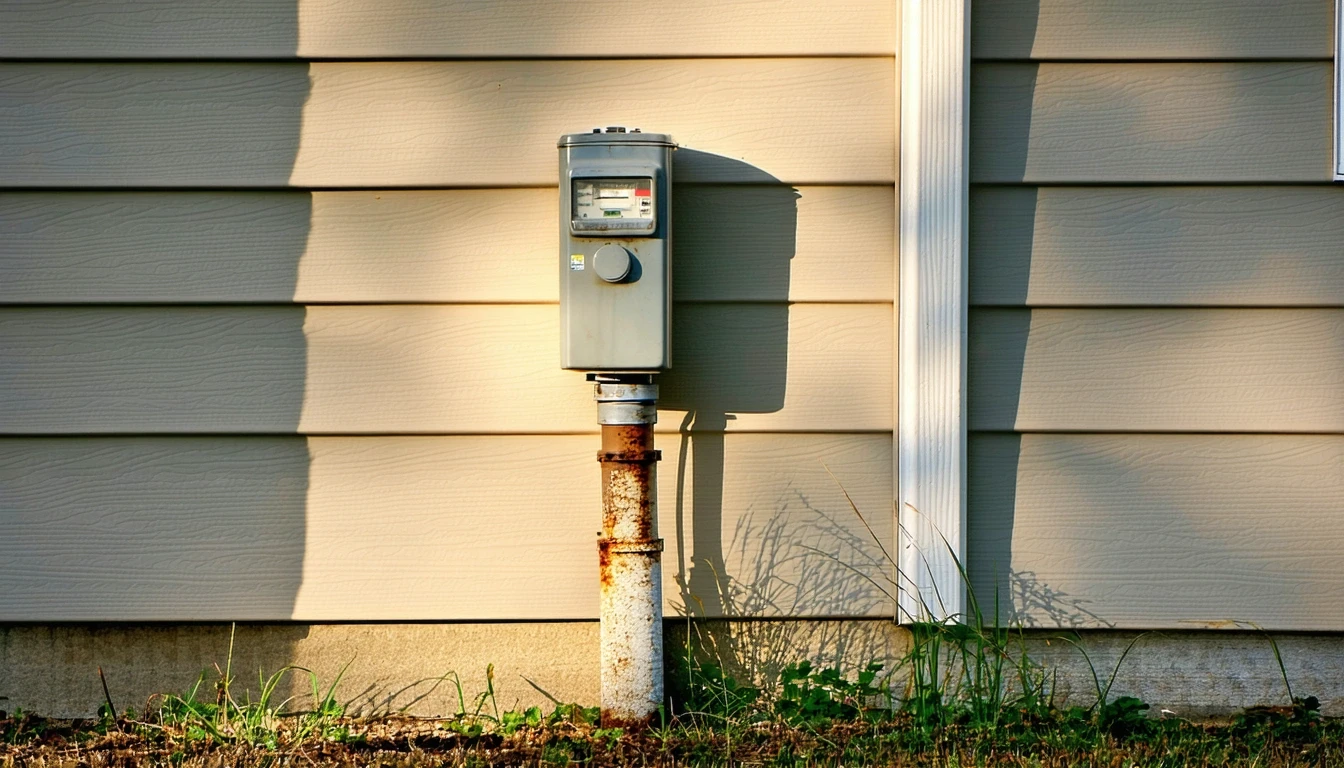
Understanding Utilities in Blue Springs
Utility expenses in Blue Springs represent the second-largest fixed cost for most households after housing, and unlike rent or a mortgage, they fluctuate with the seasons, your home’s efficiency, and how you use energy and water. For renters in apartments, some utilities may be included in the lease, but single-family homeowners typically manage all four core categories: electricity, natural gas, water, and trash service. Each behaves differently, and each responds to different drivers.
What makes utilities particularly important in Blue Springs is the city’s exposure to Midwest seasonal extremes. Summers bring heat and humidity that push air conditioning systems hard, while winters demand steady heating—often fueled by natural gas. Water and trash costs tend to be more stable, but their billing structures vary by provider and neighborhood, and it’s common for trash service to be bundled with water or handled through an HOA. For newcomers, the biggest adjustment is often the seasonal volatility: a household that pays $120 for electricity in April might see $220 in July, and natural gas bills that barely register in summer can climb significantly during extended cold snaps.
Blue Springs sits in a regional cost environment that’s slightly below the national average—the area’s regional price parity index is 93, meaning goods and services here generally cost about 7% less than the U.S. baseline. But that broader affordability doesn’t eliminate utility exposure; it just means the swings are happening from a lower starting point. The key to managing utility costs here isn’t finding the lowest rate—it’s understanding which months demand the most and building a budget that can absorb the peaks without surprise.
Utilities at a Glance in Blue Springs
The table below shows how core utility costs typically behave for a mid-size household in a single-family home in Blue Springs. Where city-level prices are available in the data feed, they are shown directly. When exact figures are not provided, categories are described qualitatively to reflect how costs are structured and what drives variability.
| Utility | Cost Structure in Blue Springs |
|---|---|
| Electricity | Billed at 12.95¢/kWh; usage-sensitive; cooling-dominant in summer |
| Water | Tiered pricing; usage-dependent; varies by provider |
| Natural Gas | Priced at $28.51/MCF; winter-driven; heating-dependent |
| Trash & Recycling | Often bundled with water or HOA; stable monthly fee |
| Total | Seasonal variability driven by electricity and heating exposure |
This table reflects utility cost structure for a mid-size household in a single-family home in Blue Springs during 2026. Where exact figures are not provided in the IndexYard data feed, categories are described directionally to reflect how costs behave rather than a receipt-accurate total.
Electricity is billed per kilowatt-hour at 12.95¢/kWh, which sits near the middle of the Midwest range. But the rate itself tells only part of the story—what matters more is how much you use, and in Blue Springs, that’s heavily influenced by summer cooling demand. A central air system running through July and August can easily push a household past 1,500 kWh in a month, and older homes with less insulation or single-pane windows face even steeper usage. Electricity is typically the most exposure-sensitive utility in Blue Springs, driven more by climate and home efficiency than by base rates.
Water costs in Blue Springs are structured around tiered pricing, meaning the more you use, the higher the per-unit cost climbs. Providers vary by neighborhood, and some areas see water billed together with trash and stormwater fees on a single statement. Households with irrigation systems, pools, or large lawns will hit higher tiers during dry summer months, while apartment dwellers or those in smaller homes typically stay within the base tier year-round.
Natural gas is priced at $28.51 per thousand cubic feet (MCF) and is used primarily for heating, water heaters, and sometimes cooking. In Blue Springs, gas bills are negligible from May through September but climb sharply once furnaces kick on in late fall. A cold January with the thermostat set to 70°F can drive usage well above 1 MCF, especially in older homes with less efficient heating systems or poor insulation. Gas is the dominant winter cost driver, just as electricity dominates summer.
Trash and recycling services in Blue Springs are often bundled with water bills or covered through HOA fees, depending on where you live. Standalone trash service, when billed separately, tends to be a flat monthly fee with little variation. This is one of the few utility categories that remains stable year-round, making it easier to budget but also harder to reduce.
How Weather Impacts Utilities in Blue Springs
Blue Springs sits squarely in the path of Midwest seasonal extremes, and that geography shows up directly in utility bills. Summers here are hot and humid, with temperatures regularly climbing into the upper 80s and 90s, and the combination of heat and moisture means air conditioning systems run long and hard. It’s not uncommon for households to see electric bills double between May and August, with peak usage hitting in July when cooling demand is relentless and humidity keeps indoor comfort just out of reach without mechanical help.
Winter brings the opposite pressure. With temperatures dropping into the 20s and occasional stretches below freezing—like the current 33°F reading with a feels-like temperature of 27°F—natural gas heating becomes the dominant cost. Furnaces cycle frequently during cold snaps, and homes with poor insulation or older HVAC systems face steeper usage. Many Blue Springs households experience noticeably higher gas bills from December through February compared to the mild shoulder seasons of spring and fall, when neither heating nor cooling is needed in significant volume.
One regional quirk worth noting: Blue Springs doesn’t face the wildfire smoke or extreme drought conditions seen farther west, but it does see occasional ice storms and heavy winter precipitation that can stress heating systems and increase the need for supplemental electric heat if gas systems falter. The variability isn’t just seasonal—it’s event-driven, and a particularly harsh winter week can spike a single billing cycle well above the norm.
How to Save on Utilities in Blue Springs
Reducing utility costs in Blue Springs starts with understanding which categories are most volatile and where you have the most control. Electricity and natural gas are the two biggest levers, and both respond to a mix of behavioral changes, efficiency upgrades, and strategic timing. Water and trash costs are harder to move, but even small adjustments—like fixing leaks or staying within base-tier usage—can prevent bills from climbing unnecessarily.
The most effective strategies target the seasonal peaks. For summer electricity, that means reducing cooling load: setting the thermostat a few degrees higher, using ceiling fans to circulate air, closing blinds during the hottest part of the day, and ensuring your AC unit is serviced and running efficiently. For winter gas costs, the focus shifts to insulation, weatherstripping, and programmable thermostats that lower the temperature when you’re asleep or away. Both seasons benefit from efficiency upgrades—replacing old windows, adding attic insulation, or upgrading to a high-efficiency HVAC system—but those investments take time to pay off and work best when paired with immediate behavioral changes.
- Enroll in budget billing or equalized payment plans to smooth out seasonal swings and avoid peak-month sticker shock
- Check whether your electricity provider offers time-of-use rates or off-peak billing programs that reward shifting usage to evenings or weekends
- Install a smart thermostat to automate heating and cooling schedules and reduce runtime when no one’s home
- Plant shade trees on the south and west sides of your home to block summer sun and lower cooling demand naturally
- Seal gaps around doors, windows, and ductwork to prevent conditioned air from escaping and forcing your HVAC system to work harder
- Ask your utility provider about rebates for energy-efficient appliances, AC units, or furnace upgrades—many Missouri utilities offer incentive programs
- Consider a whole-home energy audit to identify the biggest sources of waste and prioritize improvements that deliver the fastest payback
🏆 Tip: Check if your provider in Blue Springs offers rebates for energy-efficient AC units or heating systems—many utilities in the Kansas City metro area run seasonal incentive programs that can offset a significant portion of upgrade costs.
FAQs About Utility Costs in Blue Springs
Why are utility bills so high in Blue Springs during summer? Summer bills spike because air conditioning systems run constantly to fight heat and humidity, and electricity is billed per kilowatt-hour—so the more you cool, the more you pay. Homes with older AC units, poor insulation, or large square footage face the steepest increases, and peak usage in July often doubles what households pay in milder months like April or October.
Do HOAs in Blue Springs usually include trash or water in their fees? It depends on the neighborhood. Some HOAs bundle trash and even water into monthly dues, especially in newer subdivisions or townhome communities, while others leave those utilities for homeowners to arrange separately. Always check the HOA disclosure documents before buying or renting to understand what’s covered and what you’ll need to budget for independently.
How does seasonal weather affect monthly utility bills in Blue Springs? Seasonal weather is the single biggest driver of utility volatility here. Summer heat pushes electricity costs up as cooling demand climbs, while winter cold drives natural gas bills higher as furnaces work to maintain indoor warmth. Spring and fall offer relief, with minimal heating or cooling needed, and those months typically show the lowest combined utility costs of the year.
Does Blue Springs offer incentives for solar panels or energy-efficient appliances? While Blue Springs itself doesn’t administer utility programs, many electricity and gas providers serving the Kansas City metro area—including Blue Springs—offer rebates, tax credits, and incentive programs for solar installations, high-efficiency HVAC systems, and Energy Star appliances. Check with your specific provider and explore federal tax credits that apply regardless of location.
What is the average winter heating cost in Blue Springs? Winter heating costs depend heavily on home size, insulation quality, thermostat settings, and how cold the season runs, but natural gas is the primary heating fuel here, priced at $28.51 per thousand cubic feet. A typical single-family home might see gas usage climb significantly during December, January, and February, especially during extended cold snaps, with costs varying based on how efficiently the home retains heat.
How Utilities Fit Into the Cost Structure in Blue Springs
Utilities in Blue Springs function as a secondary cost driver—less predictable than housing but more controllable than transportation, and far more volatile than groceries. Electricity and natural gas dominate the swings, with summer cooling and winter heating creating seasonal peaks that can strain budgets if not anticipated. Water and trash costs remain relatively stable, but their structures vary enough by provider and neighborhood that new residents should verify billing details early rather than assume a flat rate.
What makes utilities particularly important in Blue Springs’ overall cost structure is their interaction with housing type. Single-family homeowners face the full weight of seasonal exposure, while apartment renters—especially those with utilities included—see much less volatility. That difference shapes not just monthly bills but also the long-term calculus of renting versus owning, and it’s one reason why comparing housing options here requires looking beyond base rent or mortgage payments to understand total occupancy costs.
For households trying to build a realistic monthly budget, utilities represent one of the few categories where behavior and efficiency directly influence outcomes. You can’t negotiate your rent or change your commute distance overnight, but you can lower your thermostat, fix a leaky faucet, or shift electricity usage to off-peak hours. The challenge is that those actions require both upfront effort and delayed payoff, and many households only make changes after a high bill forces the issue. The smarter approach is to treat utilities as a managed expense from day one—tracking usage, understanding your home’s efficiency baseline, and making incremental improvements that compound over time. For a fuller picture of how utilities interact with housing, transportation, and other fixed costs, explore Blue Springs’ broader cost landscape to see where your money goes and which levers matter most.
How this article was built: In addition to public economic data, this article incorporates location-based experiential signals derived from anonymized geographic patterns—such as access density, walkability, and land-use mix—to reflect how day-to-day living actually feels in Blue Springs, MO.