
Budgeting Smarter in Blue Diamond
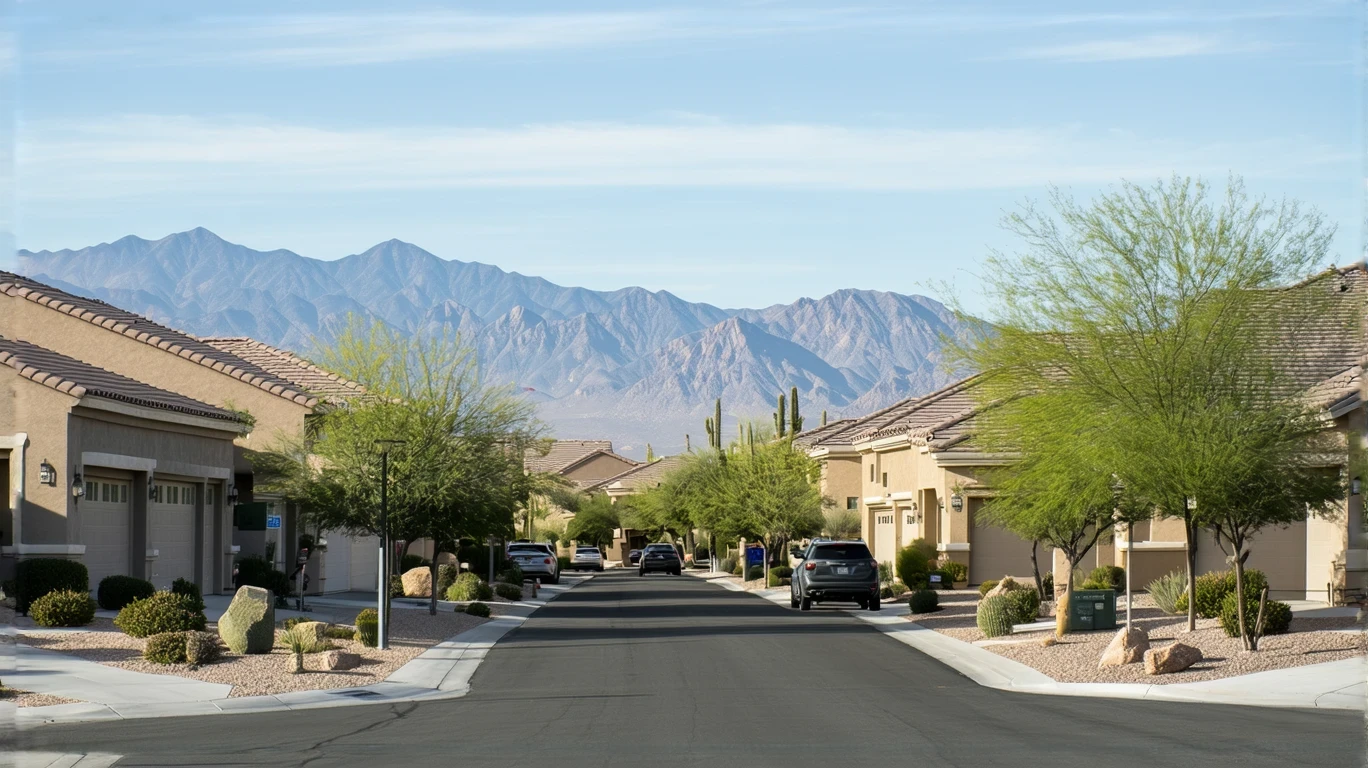
Understanding a monthly budget in Blue Diamond means recognizing how a small, unincorporated desert community near Las Vegas shapes daily spending patterns. Blue Diamond sits outside the urban core, which changes how housing, transportation, and everyday errands interact. Newcomers often underestimate how car dependence and distance from commercial centers affect not just fuel costs, but the time and planning required to manage routine purchases, appointments, and household logistics. The budget pressure here isn’t always about high prices—it’s about the friction costs and coordination overhead that come with living in a low-density, amenity-sparse environment.
In Blue Diamond, budgeting well means thinking beyond the big-ticket categories and accounting for how place structure drives behavior. The desert climate creates seasonal utility exposure, particularly during the extended cooling season when triple-digit summer heat dominates. Meanwhile, the lack of walkable errands infrastructure means nearly every household task—groceries, pharmacy runs, school drop-offs—requires a vehicle, fuel, and time. These aren’t one-time decisions; they’re daily realities that shape how much control households have over their spending and how much flexibility remains at month’s end.
A Simple Budget Map: How Costs Behave by Household Type
The table below illustrates how cost behavior and exposure differ across three household types in Blue Diamond. Because this is a small community with limited local data, the focus is on how costs behave—their stability, volatility, and sensitivity—rather than precise spending totals.
| Category | Jasmine (single renter) | Sam & Elena (couple) | Ortiz family (2 kids, owners) |
|---|---|---|---|
| Housing (Rent or Mortgage) | Stable if lease-locked; limited rental stock locally may require commuting from nearby areas | Stable with fixed mortgage; property taxes and insurance subject to regional volatility | Fixed mortgage but higher exposure to maintenance, insurance, and property tax adjustments |
| Utilities | Seasonal; cooling dominates summer months in smaller square footage | Moderate seasonal swings; shared usage reduces per-person exposure | High seasonal sensitivity; larger home size amplifies cooling and water costs |
| Food (Groceries + Eating Out) | Commute-dependent; limited local options increase planning burden and fuel overhead | Shared shopping trips reduce per-person friction; bulk buying helps if storage available | Volume-sensitive; larger household increases frequency and fuel costs for grocery runs |
| Transportation | Exposure-driven; solo commuting and errands create high per-person fuel and maintenance costs | Shared vehicle reduces per-person exposure; dual commutes may require second car | Multi-vehicle household; school, work, and errands create overlapping fuel and maintenance exposure |
| Fees / Friction Costs | Low admin overhead; fewer household systems to coordinate | Moderate; may include HOA, trash, or well/septic servicing depending on property type | Admin-heavy; HOA, trash, water delivery, HVAC servicing, and school-related fees stack |
| Discretionary (life + surprises) | Compressed by commute and distance; fewer spontaneous local options | Flexible if housing and transportation are controlled; distance limits convenience spending | Episodic; child-related expenses and vehicle repairs create unpredictable spikes |
| What Changes This Most | Commute distance and rental availability | Vehicle count and mortgage lock-in timing | Home size, cooling season length, and school logistics |
Methodology: This guide uses only city-level figures provided in the IndexYard data feed for 2026. Where exact category totals aren’t provided, categories are described directionally to show budget behavior rather than a receipt-accurate total.
The Real Cost Drivers in Blue Diamond
In Blue Diamond, the budget stress point is rarely one big bill—it’s the stack of small “friction” costs that show up after move-in. Housing costs depend heavily on whether you’re renting (limited local stock) or owning (exposure to desert-specific maintenance like HVAC wear, landscaping for fire safety, and well or septic systems in some areas). Utilities follow a predictable seasonal pattern: cooling dominates from late spring through early fall, and water costs rise with outdoor landscaping needs and desert evaporation rates. But the less visible driver is transportation. Every errand, every appointment, every grocery run requires a car and planning, which turns fuel, insurance, and vehicle maintenance into a constant background expense rather than an occasional line item.
The lack of walkable commercial infrastructure means getting around isn’t just about commuting to work—it’s about managing the time and fuel cost of reaching schools, medical appointments, and everyday shopping. Families with kids face overlapping transportation demands that can require multiple vehicles or careful schedule coordination. Even couples splitting errands find that distance compresses discretionary time and increases the “invisible” cost of convenience: the extra trip, the backup plan, the fuel buffer.
Common friction costs in Blue Diamond (structures vary by property):
- HOA or property association dues: Some neighborhoods include road maintenance, common area upkeep, or fire safety measures; others operate independently.
- Trash and recycling: Service availability and billing structures vary; some residents arrange private pickup, others use county services.
- Water and sewer: Depending on location, households may rely on well water and septic systems, which shift costs from monthly bills to episodic maintenance and pumping.
- Parking and access: Generally not a cost factor in Blue Diamond, but proximity to Red Rock Canyon and recreational areas can create seasonal congestion.
- Seasonal upkeep: HVAC servicing before summer, landscape fire mitigation, and dust/wind damage repairs are regionally common and often underestimated by newcomers.
How Households Keep the Budget Under Control (Without Living Like a Monk)
Keeping a monthly budget stable in Blue Diamond isn’t about cutting out all flexibility—it’s about controlling exposure to the variables that swing hardest. Households that manage well tend to focus on timing and habit shifts rather than deprivation. Cooling costs, for example, respond to pre-cooling strategies in the early morning, shade management, and HVAC filter maintenance. These aren’t dramatic interventions, but they reduce peak-hour strain and help avoid mid-summer bill spikes. Similarly, transportation costs stabilize when households batch errands, coordinate trips, and keep up with preventive vehicle maintenance rather than waiting for breakdowns in extreme heat.
The other key control point is reducing friction overhead. Families that plan grocery and supply runs in advance, keep backup household essentials on hand, and use delivery selectively (when fuel and time costs justify it) avoid the “emergency trip” premium that adds up over time. Renters benefit from understanding lease renewal timing and locking in rates before seasonal demand shifts. Owners gain leverage by tackling deferred maintenance—especially HVAC and weatherproofing—before systems fail during peak-use months.
Practical tactics for budget control in Blue Diamond:
- Pre-cool your home in early morning hours before peak heat and electricity demand
- Batch errands and shopping trips to reduce solo fuel runs
- Service HVAC systems in spring before cooling season begins
- Maintain a household buffer stock of essentials to avoid last-minute trips
- Coordinate schedules with other household members to share vehicle use
- Use programmable thermostats to avoid cooling empty spaces during work hours
- Plan lease renewals or refinancing during off-peak months when negotiation leverage is higher
- Keep up with vehicle maintenance to avoid heat-related breakdowns and costly repairs
FAQs About Monthly Budgets in Blue Diamond (2026)
What’s the biggest budget surprise for people moving to Blue Diamond?
Most newcomers underestimate how much car dependence affects not just fuel costs, but time, planning, and the inability to make quick, spontaneous purchases. The lack of nearby commercial options means every household task requires a trip, and that adds up in ways that aren’t obvious until you’re living it.
How do utility bills behave in Blue Diamond throughout the year?
Cooling costs dominate from late spring through early fall due to extended triple-digit heat. Winter months are mild, so heating exposure is minimal. Water costs can also rise with outdoor landscaping needs and evaporation rates, especially for homeowners maintaining yards or fire-safe defensible space.
Is Blue Diamond affordable for a single renter?
It depends on commute tolerance and access to rental inventory. Local rental stock is limited, so many renters live in nearby areas and commute in. If you’re working in Las Vegas, factor in fuel, vehicle wear, and time costs. Solo renters face higher per-person transportation exposure because there’s no one to share errands or vehicle use with.
What’s the best way to control transportation costs in Blue Diamond?
Batch your errands, keep your vehicle well-maintained, and coordinate trips with other household members when possible. Preventive maintenance—oil changes, tire pressure, coolant checks—matters more in desert heat, where breakdowns are both more common and more expensive to resolve on short notice.
Do families with kids face higher budget pressure in Blue Diamond?
Yes, primarily due to transportation and logistics. School access, extracurriculars, and medical appointments all require driving, often on overlapping schedules. Larger homes also increase cooling and maintenance costs. Families that manage well tend to focus on trip coordination, vehicle reliability, and proactive home upkeep to avoid emergency expenses during peak-use months.
Planning Your Next Step
In Blue Diamond, the biggest budget drivers are transportation exposure, seasonal utility swings, and the friction costs that come with distance from commercial centers. If you’re planning a move, focus on understanding how commute patterns, vehicle reliability, and home cooling needs will shape your monthly reality. For a deeper look at housing pressure and how rental versus ownership changes your exposure, explore the housing guide. To understand how seasonal bills behave and what drives cooling costs, check the utilities breakdown. And for insight into how food costs and shopping logistics interact with distance, review the grocery costs guide.
Blue Diamond rewards households that plan ahead, control what’s controllable, and build buffers for the variables—heat, distance, and time—that don’t negotiate. If you’re comfortable with car dependence, value space and proximity to outdoor recreation, and can manage the coordination overhead, the budget structure here is predictable. If you’re used to walkable errands, spontaneous convenience, and dense service infrastructure, the adjustment will show up in your monthly spending faster than you expect.