
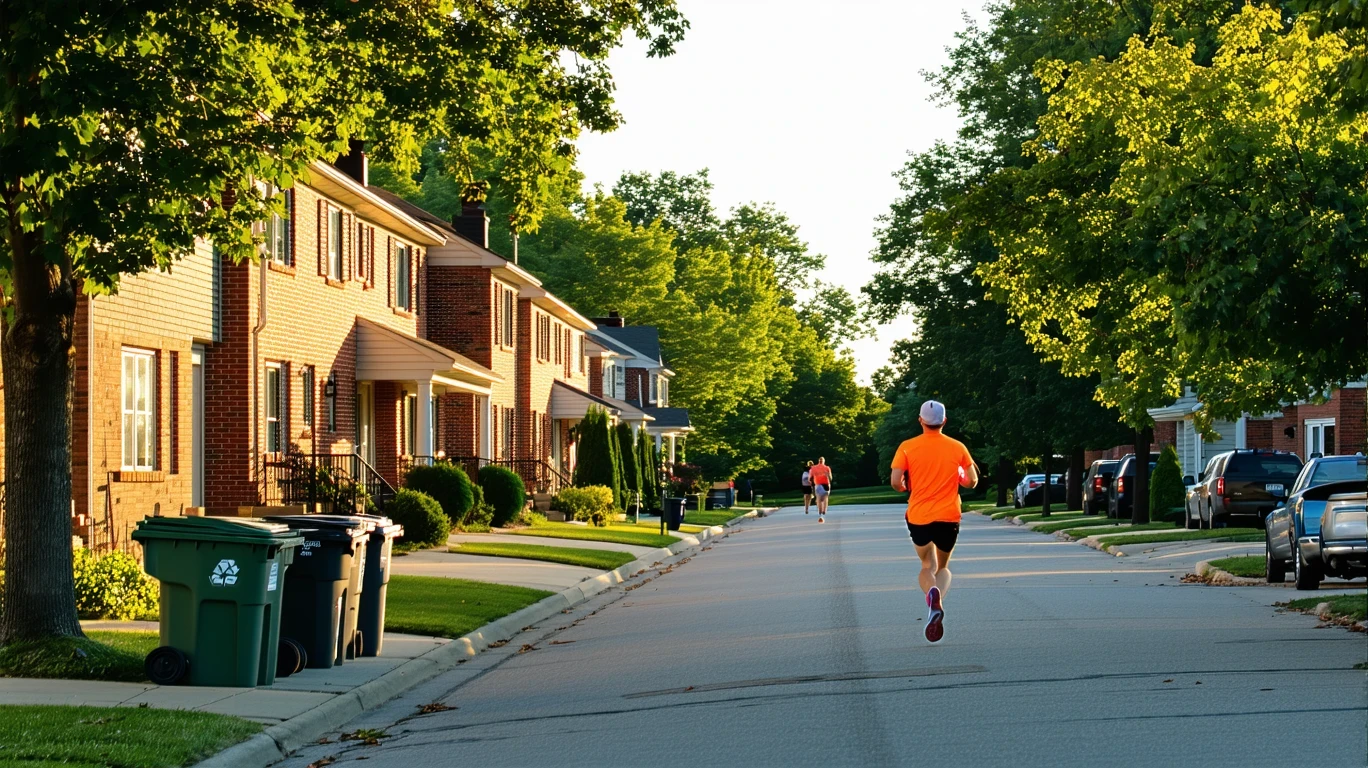
Bloomington and Saint Paul sit just miles apart in the Minneapolis–St. Paul metro, yet the cost experience in each city reflects fundamentally different trade-offs. Bloomington offers suburban space, integrated parks, and car-oriented convenience, while Saint Paul anchors the metro’s eastern core with denser neighborhoods, older housing stock, and stronger transit connections. For households deciding between the two in 2026, the question isn’t which city costs less overall—it’s where cost pressure concentrates, how predictable expenses feel month to month, and which lifestyle frictions matter most to your household.
Both cities share the same brutal Minnesota winters, identical utility rates, and access to the same regional job market. But housing structure, commute patterns, and day-to-day logistics create meaningfully different cost exposures. Families prioritizing yard space and newer construction may find Bloomington’s suburban form more aligned with their needs, while singles or couples who value walkability and transit access may prefer Saint Paul’s urban texture—even if that means navigating older homes and tighter parking. Understanding how these structural differences shape your monthly obligations is essential before committing to either city.
This comparison explains where costs show up differently in Bloomington versus Saint Paul, how the same income feels in each place, and which households experience more flexibility or friction depending on where they land. It does not calculate total cost of living or declare a winner—it clarifies the decision.
Housing Costs
Bloomington’s median home value sits at $327,100, with median gross rent at $1,426 per month. These figures reflect a suburban market dominated by single-family homes, townhomes, and mid-rise apartment complexes built primarily after 1980. Entry costs are front-loaded: down payments, closing costs, and the expectation of car ownership create a higher barrier to settlement. But once established, homeowners in Bloomington benefit from predictable property tax structures, newer HVAC systems that reduce utility volatility, and access to large-format retail that lowers per-unit grocery costs.
Saint Paul’s housing data is less transparent in the current feed, but the city’s older housing stock, denser lot sizes, and prevalence of duplexes and pre-war apartment buildings create a different cost profile. Renters in Saint Paul often face lower entry barriers—smaller security deposits, more month-to-month lease options, and neighborhoods where car-free living is more viable. But ongoing costs can be less predictable: older homes mean higher heating bills, more frequent maintenance, and greater exposure to landlord pass-throughs for water, trash, and special assessments. Homebuyers in Saint Paul may find lower purchase prices in some neighborhoods, but renovation costs, deferred maintenance, and higher insurance premiums (due to age and density) can erode that advantage quickly.
The structural difference matters most for first-time buyers and young families. Bloomington rewards households that can clear the entry hurdle and value space, newer construction, and lower ongoing friction. Saint Paul rewards households that prioritize location over square footage, can tolerate maintenance unpredictability, and value proximity to urban amenities over suburban convenience. Renters face a similar trade-off: Bloomington’s $1,426 median rent buys more space and parking, but Saint Paul’s rental market offers more flexibility in lease terms, walkable errands, and transit access that can offset transportation costs.
| Housing Type | Bloomington | Saint Paul |
|---|---|---|
| Median Home Value | $327,100 | Data not available; older stock, variable pricing |
| Median Gross Rent | $1,426/month | Data not available; typically lower for older units |
| Dominant Housing Form | Single-family, townhomes, mid-rise apartments | Duplexes, pre-war apartments, older single-family |
| Entry Barrier | Higher (down payment, car required) | Lower (smaller deposits, transit viable) |
| Ongoing Predictability | Higher (newer systems, lower maintenance) | Lower (older systems, deferred maintenance) |
Housing takeaway: Bloomington’s housing market is front-loaded and space-oriented, rewarding households that can afford entry and value predictability. Saint Paul’s market is more accessible upfront but introduces more volatility in ongoing costs, especially for renters in older buildings and homeowners inheriting deferred maintenance. Families with kids and dual incomes tend to absorb Bloomington’s entry costs more easily, while singles and couples prioritizing urban access may find Saint Paul’s trade-offs more manageable.
Utilities and Energy Costs
Both cities face identical utility rates: 16.37¢/kWh for electricity and $9.99/MCF for natural gas. But how those rates translate into monthly bills depends entirely on housing stock, insulation quality, and household behavior. Bloomington’s newer construction—built to post-1990 energy codes—means tighter envelopes, programmable thermostats, and HVAC systems designed for Minnesota’s extreme temperature swings. Heating a 1,500-square-foot townhome in Bloomington during a stretch of subzero nights still costs real money, but the predictability is higher: you know what to expect, and efficiency upgrades (smart thermostats, better windows) deliver measurable reductions in usage.
Saint Paul’s older housing stock introduces more volatility. Pre-war apartments with steam radiators, single-pane windows, and minimal attic insulation can see heating bills spike unpredictably during cold snaps. Landlords in older buildings may pass through higher baseline costs, and renters have little control over efficiency improvements. Even homeowners in Saint Paul’s charming older neighborhoods face trade-offs: character and walkability come with higher heating exposure, and retrofitting insulation or replacing windows is expensive and disruptive. Cooling costs are less differentiated—both cities experience hot, humid summers—but Bloomington’s newer homes are more likely to have central air, while Saint Paul renters may rely on window units that drive up electricity usage inefficiently.
Household size amplifies these differences. A single adult in a Saint Paul studio apartment may see lower absolute bills simply due to smaller square footage, even if the per-square-foot cost is higher. A family of four in a Bloomington single-family home will pay more in total, but the cost per person is often lower, and the predictability makes budgeting easier. Older homes in Saint Paul also tend to have less efficient water heaters and appliances, which adds friction to daily routines—longer waits for hot water, higher standby energy loss, and more frequent repairs.
Utility takeaway: Bloomington offers more predictable utility costs due to newer construction and better insulation, which matters most for families and homeowners planning multi-year stays. Saint Paul’s older housing stock introduces more volatility, especially in heating season, but smaller unit sizes can offset total costs for singles and couples. Renters in Saint Paul face the highest exposure to unpredictable heating bills, while Bloomington homeowners gain the most from efficiency investments.
Groceries and Daily Expenses
Grocery costs in both cities reflect the same regional price environment—both Bloomington and Saint Paul sit in a metro with access to big-box stores, regional chains, and discount grocers. But how grocery spending feels depends on access patterns, trip frequency, and the balance between planned shopping and convenience purchases. Bloomington’s car-oriented layout rewards households that can batch errands: driving to a large-format store once a week, buying in bulk, and storing perishables in a full-size fridge and pantry. This approach lowers per-unit costs and reduces the temptation to fill gaps with expensive convenience purchases.
Saint Paul’s denser, more walkable neighborhoods shift the grocery calculus. Smaller neighborhood stores and co-ops offer convenience and walkability but often charge higher per-unit prices, especially for organic or specialty items. Households without cars may find themselves making more frequent, smaller trips, which increases the risk of impulse purchases and reduces the ability to take advantage of bulk discounts. On the other hand, Saint Paul’s walkable errands mean less reliance on driving for every gallon of milk or loaf of bread, which indirectly lowers transportation costs and time friction.
Dining out and convenience spending also differ structurally. Bloomington’s commercial corridors are anchored by chain restaurants and fast-casual options, where prices are predictable but require driving. Saint Paul’s neighborhood dining scene includes more independent restaurants, coffee shops, and takeout spots within walking distance, which increases the temptation to spend on convenience when cooking feels like a burden. Families with kids in Bloomington may find it easier to control food costs by cooking at home and limiting restaurant visits, while singles and couples in Saint Paul may spend more on dining out simply because it’s more accessible and socially integrated into daily routines.
Grocery takeaway: Bloomington rewards households that can plan ahead, drive to big-box stores, and buy in bulk, which lowers per-unit costs but requires car access and storage space. Saint Paul’s walkable grocery access reduces transportation friction but often comes with higher per-unit prices and more frequent convenience spending. Families and larger households benefit more from Bloomington’s structure, while singles and couples may find Saint Paul’s trade-offs more aligned with their routines—especially if they value time savings over per-dollar grocery efficiency.
Taxes and Fees
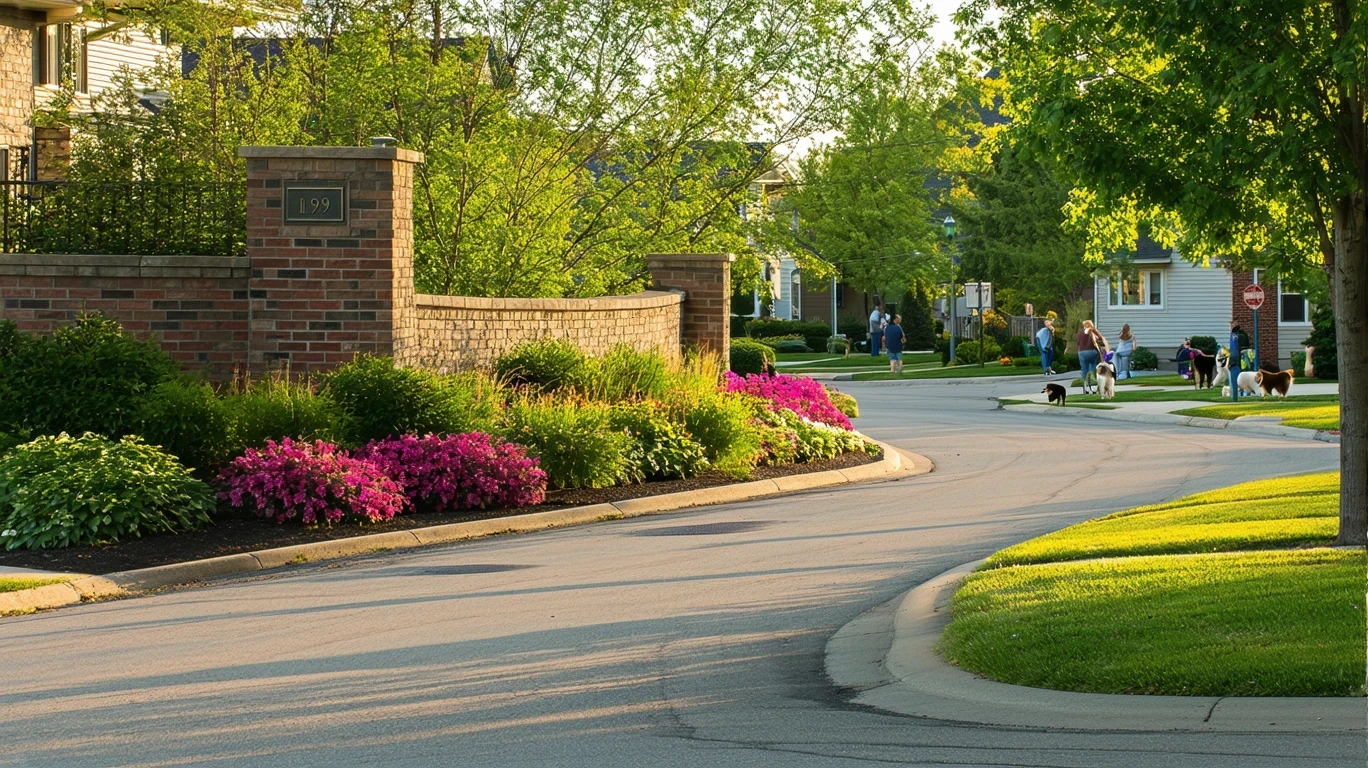
Property taxes in both Bloomington and Saint Paul are governed by Minnesota’s state framework, but local levy rates, assessed values, and fee structures create meaningful differences in how tax pressure shows up. Bloomington’s newer housing stock and higher median home values mean higher absolute property tax bills for homeowners, but the predictability is strong: assessments are transparent, levy increases are modest, and the tax burden is spread across a stable base of single-family homes and commercial properties. Renters in Bloomington rarely see property taxes itemized, but landlords pass through those costs in rent, which is already reflected in the $1,426 median gross rent.
Saint Paul’s older housing stock and more variable property values create a different tax experience. Homeowners in Saint Paul may face lower assessed values in some neighborhoods, which translates to lower absolute tax bills, but special assessments for infrastructure repairs (sidewalks, sewer lines, street resurfacing) are more common in older urban cores. These one-time or multi-year assessments can add hundreds or thousands of dollars to annual costs, and they’re harder to predict than regular property tax levies. Renters in Saint Paul may also encounter more itemized fees—trash, water, and parking—that landlords pass through separately, which makes monthly housing costs feel less predictable even if the base rent is lower.
Sales taxes are identical across both cities, but consumption patterns differ. Bloomington’s car-dependent layout means more spending on gas, vehicle maintenance, and big-ticket purchases at suburban retail centers, all of which are subject to sales tax. Saint Paul’s walkable core reduces some of those expenses but increases spending on prepared food, coffee, and small-ticket convenience purchases, which are also taxed. The net effect is similar, but the psychological experience differs: Bloomington households feel tax pressure at the pump and the big-box checkout, while Saint Paul households feel it in daily micro-transactions.
Tax and fee takeaway: Bloomington homeowners face higher absolute property taxes due to higher home values, but the predictability is strong and special assessments are rare. Saint Paul homeowners may see lower base taxes but face more exposure to special assessments and itemized fees, especially in older neighborhoods. Renters in Saint Paul experience more fee fragmentation, while Bloomington renters see costs bundled into rent. Long-term homeowners in Bloomington benefit from stable, predictable tax structures, while Saint Paul homeowners need to budget for occasional infrastructure assessments.
Transportation & Commute Reality
Bloomington’s average commute time is 21 minutes, with 25.6% of workers facing long commutes and only 3.0% working from home. These numbers reflect a car-dependent suburb where most residents drive to work, errands, and social activities. Gas sits at $2.63/gal, which is manageable but adds up quickly for households making multiple trips per day. Bloomington’s experiential signals confirm this reality: the city shows walkable pockets and notable bike infrastructure, but the dominant mobility texture is car-oriented. Bus service is present, but without rail transit, most households treat public transportation as a backup rather than a primary option.
Saint Paul’s commute data is unavailable in the current feed, but the city’s urban core and denser street grid create fundamentally different transportation patterns. Households in walkable Saint Paul neighborhoods can complete daily errands—groceries, pharmacy, coffee—on foot or by bike, which eliminates the need for short car trips that dominate suburban life. Bus service in Saint Paul connects to the broader metro transit network, and proximity to light rail stations (depending on neighborhood) makes car-free or car-light living more viable. But outer Saint Paul neighborhoods still require cars for most trips, and street parking can be tight, which adds time friction even when distances are short.
The trade-off is between distance and friction. Bloomington households drive more miles but face less congestion and parking hassle. Saint Paul households drive fewer miles but spend more time navigating one-way streets, finding parking, and waiting for buses. For dual-income couples with flexible schedules, Bloomington’s car dependence is manageable and even convenient. For singles or couples who work downtown or prefer not to own a car, Saint Paul’s transit access and walkable errands reduce both transportation costs and time stress.
Transportation takeaway: Bloomington requires car ownership for nearly all households, which means predictable gas and maintenance costs but higher baseline transportation spending. Saint Paul offers more viable car-free or car-light options in walkable neighborhoods, which lowers transportation costs but introduces time friction and parking challenges. Families and commuters with long drives benefit from Bloomington’s highway access and parking ease, while singles and transit users benefit from Saint Paul’s denser layout and bus connectivity.
Cost Structure Comparison
Housing dominates the cost experience in both cities, but the pressure shows up differently. In Bloomington, housing costs are front-loaded: higher purchase prices, larger down payments, and the expectation of car ownership create a steep entry barrier. But once established, homeowners and renters benefit from predictable monthly obligations, newer construction that limits maintenance surprises, and access to big-box retail that lowers per-unit costs for groceries and household goods. Families with stable incomes and the ability to clear the entry hurdle find Bloomington’s cost structure more manageable over time, especially if they value space, outdoor access, and low day-to-day friction.
Saint Paul’s housing costs are more accessible upfront—lower entry barriers, smaller deposits, and neighborhoods where car ownership is optional—but ongoing costs introduce more volatility. Older housing stock means higher heating bills, more frequent maintenance, and greater exposure to landlord pass-throughs and special assessments. Renters in Saint Paul face more fee fragmentation, and homeowners inherit deferred maintenance that can erode the advantage of lower purchase prices. But for households that prioritize walkability, transit access, and urban amenities, Saint Paul’s trade-offs are worth the friction.
Utilities and energy costs are structurally similar—both cities face brutal winters and identical rates—but Bloomington’s newer homes deliver more predictable bills, while Saint Paul’s older stock introduces seasonal spikes that are harder to control. Families in larger homes feel this difference most acutely, while singles in smaller apartments may see lower absolute costs in Saint Paul despite higher per-square-foot exposure.
Transportation patterns matter more than most households expect. Bloomington’s car dependence adds baseline costs—gas, insurance, maintenance—that Saint Paul households can sometimes avoid or reduce. But Saint Paul’s walkable neighborhoods come with their own friction: time spent finding parking, navigating one-way streets, and waiting for buses. For households where time is more valuable than money, Bloomington’s car-oriented convenience may feel cheaper even if the dollar costs are higher.
The decision comes down to which costs dominate your household. Households sensitive to entry barriers, maintenance unpredictability, and heating volatility may prefer Bloomington’s front-loaded but predictable structure. Households sensitive to car dependence, transportation costs, and suburban isolation may prefer Saint Paul’s walkable core, even if that means tolerating older housing stock and less predictable utility bills. There is no universal winner—only better or worse fits depending on what you value and what you can control.
How the Same Income Feels in Bloomington vs Saint Paul
Single Adult
In Bloomington, a single adult’s non-negotiable costs start with rent and car expenses—there’s no avoiding either in a car-dependent suburb. Flexibility exists in grocery spending and dining out, but the need to drive everywhere limits spontaneous socializing and increases baseline transportation costs. In Saint Paul, a single adult in a walkable neighborhood can skip car ownership entirely, which frees up hundreds per month, but rent in desirable urban areas can be competitive, and the temptation to spend on convenience dining is higher when restaurants are steps away. The trade-off is between transportation exposure in Bloomington and convenience spending creep in Saint Paul.
Dual-Income Couple
For a dual-income couple, Bloomington’s front-loaded housing costs become more manageable, and the ability to batch errands and split driving reduces per-person transportation friction. Flexibility exists in entertainment and travel, and predictable utility bills make budgeting easier. In Saint Paul, a dual-income couple can leverage walkability to reduce transportation costs, but if both partners commute by car, parking and congestion add time friction that erodes the convenience advantage. The trade-off is between predictable suburban logistics in Bloomington and urban access with less control over time costs in Saint Paul.
Family with Kids
Families in Bloomington face higher housing and transportation costs, but those costs buy space, outdoor access, and logistical simplicity—driving kids to activities, storing bulk groceries, and managing school drop-offs is easier in a car-oriented suburb. Flexibility disappears in housing and transportation but exists in discretionary spending. In Saint Paul, families gain walkable parks and neighborhood schools in some areas, but older housing stock means higher heating bills, less storage space, and more time spent managing errands without a car. The trade-off is between front-loaded stability in Bloomington and ongoing friction with lower entry costs in Saint Paul.
Decision Matrix: Which City Fits Which Household?
| Decision factor | If you’re sensitive to this… | Bloomington tends to fit when… | Saint Paul tends to fit when… |
|---|---|---|---|
| Housing entry + space needs | You need to clear a high entry barrier and value predictable ongoing costs | You can afford the down payment and want newer construction with lower maintenance exposure | You prioritize lower entry costs and can tolerate older housing stock and deferred maintenance |
| Transportation dependence + commute friction | You want to minimize car dependence or reduce time spent navigating traffic and parking | You value highway access, easy parking, and car-oriented convenience over transit options | You can walk or bike to errands and work, or you prioritize transit access over driving ease |
| Utility variability + home size exposure | You want predictable heating and cooling bills with minimal seasonal volatility | You value newer HVAC systems and better insulation that stabilize utility costs year-round | You live in a smaller unit where absolute costs are lower despite higher per-square-foot exposure |
| Grocery strategy + convenience spending creep | You want to control per-unit grocery costs and avoid frequent convenience purchases | You can drive to big-box stores, buy in bulk, and store perishables without space constraints | You value walkable errands and accept higher per-unit costs in exchange for time savings and less driving |
| Fees + friction costs (HOA, services, upkeep) | You want to avoid special assessments and unpredictable pass-through fees | You prefer bundled costs and stable property tax structures with fewer surprise assessments | You can budget for occasional infrastructure fees and accept more itemized billing from landlords |
| Time budget (schedule flexibility, errands, logistics) | You prioritize minimizing time spent on errands and household logistics | You value one-stop shopping, easy parking, and the ability to batch errands efficiently by car | You prefer walkable errands and shorter trips even if parking and navigation add occasional friction |
Lifestyle Fit
Bloomington’s lifestyle revolves around outdoor access, suburban convenience, and car-oriented routines. The city’s experiential signals confirm integrated green space access—parks are plentiful, well-maintained, and designed for family use. Bike infrastructure is notable, and walkable pockets exist in parts of the city, but the dominant texture is car-dependent. Families with kids benefit from yard space, proximity to big-box retail, and easy highway access for weekend trips. The 21-minute average commute is manageable for most workers, and the low 2.8% unemployment rate reflects a stable regional job market. But social life requires driving, and households that value spontaneous walkable activities may feel isolated.
Saint Paul’s lifestyle is anchored by its urban core, historic neighborhoods, and stronger transit connectivity. Walkable errands, neighborhood coffee shops, and proximity to cultural amenities create a different rhythm—less driving, more foot traffic, and more opportunities for spontaneous socializing. But older housing stock means trade-offs: charming architecture comes with higher heating bills, and street parking can be tight in desirable neighborhoods. Families in Saint Paul gain access to walkable parks and neighborhood schools in some areas, but the city’s experiential signals are unavailable in the current feed, so household-specific fit is harder to assess without local knowledge.
Both cities endure the same brutal Minnesota winters—current temperatures sit at -1°F in Bloomington (feels like -9°F) and -1°F in Saint Paul (feels like -13°F). Heating costs dominate winter budgets in both places, but Bloomington’s newer construction and better insulation reduce volatility. Outdoor recreation shifts seasonally: summer brings biking, parks, and water access (Bloomington’s signals confirm water features), while winter demands indoor activities and higher utility bills. Saint Paul’s denser layout means shorter walks to indoor amenities, but Bloomington’s car-oriented access makes it easier to reach regional attractions without weather exposure.
Quick facts: Bloomington’s unemployment rate is 2.8%, reflecting strong regional job market stability. Only 3.0% of Bloomington workers work from home, which underscores the city’s commuter-oriented character and reliance on car-based transportation for daily routines.
Frequently Asked Questions
Is Bloomington or Saint Paul more affordable for renters in 2026?
Bloomington’s median gross rent is $1,426 per month, which buys more space, parking, and newer construction, but requires car ownership. Saint Paul’s rental market often offers lower entry costs and more walkable neighborhoods, but older buildings introduce higher heating exposure and less predictable utility pass-throughs. Renters who value space and predictability may find Bloomington more manageable, while renters who prioritize walkability and transit access may prefer Saint Paul despite less control over utility costs.
Which city has lower transportation costs, Bloomington or Saint Paul?
Saint Paul offers more viable car-free or car-light living in walkable neighborhoods, which can eliminate or reduce transportation costs significantly. Bloomington requires car ownership for nearly all households, which means baseline costs for gas, insurance, and maintenance. But Bloomington’s highway access and easy parking reduce time friction, while Saint Paul’s denser layout introduces parking challenges and navigation delays. The trade-off is between lower dollar costs in Saint Paul and lower time costs in Bloomington.
Do Bloomington and Saint Paul have the same utility rates in 2026?
Yes, both cities face identical utility rates: 16.37¢/kWh for electricity and $9.99/MCF for natural gas. But how those rates translate into monthly bills depends on housing stock. Bloomington’s newer construction delivers more predictable, lower heating bills due to better insulation and modern HVAC systems. Saint Paul’s older housing stock introduces more volatility, especially during subzero stretches, and renters have less control over efficiency improvements.
Which city is better for families with kids, Bloomington or Saint Paul?
Bloomington offers more space, integrated parks, and car-oriented convenience, which simplifies logistics for families managing school drop-offs, activities, and bulk grocery shopping. Saint Paul offers walkable parks and neighborhood schools in some areas, but older housing stock means less storage space and higher heating exposure. Families that can afford Bloomington’s entry costs and value predictability tend to find it more manageable, while families that prioritize urban access and walkability may prefer Saint Paul despite the trade-offs.
How do grocery costs compare between Bloomington and Saint Paul in 2026?
Both cities sit in the same regional grocery market, but access patterns differ. Bloomington’s car-oriented layout rewards households that can drive to big-box stores, buy in bulk, and store perishables, which lowers per-unit costs. Saint Paul’s walkable neighborhoods offer more convenience but often come with higher per-unit prices at smaller stores and co-ops. Families and larger households benefit more from Bloomington’s structure, while singles and couples may find Saint Paul’s walkable errands worth the higher per-unit costs.
Conclusion
Bloomington and Saint Paul offer fundamentally different cost structures, and the better choice depends entirely on which costs dominate your household and which trade-offs you can tolerate. Bloomington rewards households that