
Transit Coverage & Mobility Overview: Bloomfield Township
| Mobility Dimension | Status | Practical Impact |
|---|---|---|
| Public Transit | Bus service present | Baseline access available; no rail connectivity |
| Walkability | Walkable pockets present | Pedestrian infrastructure concentrated in certain areas |
| Cycling Infrastructure | Notable presence | Bike-friendly routes available; seasonal limitations apply |
| Errands Access | Corridor-clustered | Grocery and services concentrated along main routes |
| Dominant Mode | Car-oriented with alternatives | Vehicle ownership remains practical necessity for most |
Note: This overview reflects infrastructure presence and land-use patterns, not service frequency or coverage completeness.
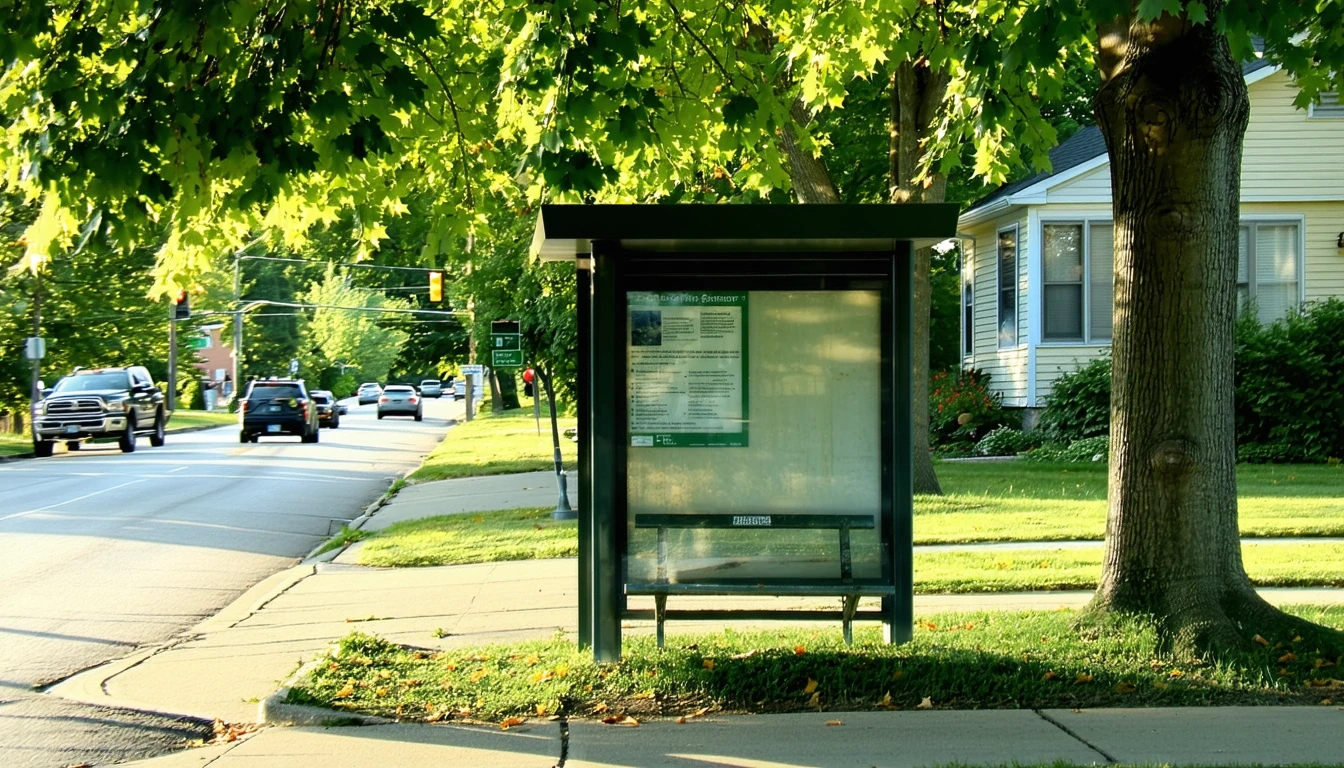
How People Get Around Bloomfield Township
Transportation options in Bloomfield Township reflect a suburban infrastructure built primarily around car ownership, but with meaningful pedestrian and cycling infrastructure woven into specific areas. Most residents depend on a vehicle for daily life—commuting, errands, and household logistics—but the township’s layout supports walking and biking in concentrated pockets where residential and commercial uses overlap. This creates a mobility environment where car dependence remains the norm, yet alternatives exist for those whose routines align with the areas where infrastructure is strongest.
Newcomers often expect either full suburban car dependency or urban-style transit access. Bloomfield Township offers neither extreme. Bus service provides baseline public transit coverage, but without rail connectivity or dense route networks, it functions as a supplemental option rather than a primary commuting mode for most households. The presence of notable cycling infrastructure and walkable corridors means that some residents—particularly those living near mixed-use areas—can reduce car trips for local errands or recreation, but these patterns don’t eliminate the need for vehicle access across the township as a whole.
What shapes daily mobility here is the township’s development pattern: residential neighborhoods interspersed with commercial corridors, moderate building density, and pedestrian paths that serve certain areas well while leaving others more isolated. This structure rewards flexibility—households that can combine driving with occasional walking, biking, or bus use gain the most control over time and convenience, while those seeking to live entirely car-free face significant friction.
Public Transit Availability in Bloomfield Township
Public transit in Bloomfield Township centers around bus service, which provides a foundational layer of access but does not approach the coverage or frequency typical of denser urban cores. The bus network tends to work best along major corridors where residential density and commercial activity create consistent ridership, but service thins in lower-density residential areas and during off-peak hours. For residents whose commutes or errands align with established routes and schedules, transit offers a viable supplement to driving; for those living outside core corridors or needing flexibility in timing, it becomes impractical as a primary mode.
The absence of rail transit—light rail, commuter rail, or subway—means that longer regional commutes into Detroit or surrounding employment centers rely entirely on bus connections or personal vehicles. This limits transit’s role for workers whose jobs require speed, multi-stop trips, or late-night travel. Where transit does function well is for routine, predictable trips: commuters traveling to fixed workplaces during standard hours, students accessing educational institutions along bus lines, or residents running errands in areas with consistent service.
Transit coverage in Bloomfield Township should be understood as access, not ubiquity. It exists, it serves specific use cases, and it reduces car dependency for some households—but it does not create a transit-oriented lifestyle across the township. Households evaluating whether they can rely on public transit need to map their specific origins, destinations, and schedules against actual service areas, not assume blanket coverage.
Driving & Car Dependence Reality
Driving remains the dominant and most practical transportation mode in Bloomfield Township. The township’s geography—spread across residential subdivisions, commercial strips, and employment nodes—creates distances and routing patterns that favor personal vehicles. Parking is generally abundant and accessible, both at home and at commercial destinations, which removes one of the friction points that makes car ownership burdensome in denser cities. For most households, owning at least one vehicle is not optional; it’s the baseline requirement for managing work, errands, and family logistics efficiently.
Car dependence here is not solely a matter of preference or habit—it’s embedded in the infrastructure. Grocery stores, medical facilities, schools, and workplaces are distributed in ways that make walking or transit impractical for many trips, even when those options technically exist. The township’s layout rewards the flexibility that comes with a car: the ability to chain errands, adjust routes on the fly, travel outside peak service hours, and reach destinations not served by transit or separated by distances that exceed comfortable walking range.
For families, car ownership often scales with household size and complexity. Two-income households frequently require two vehicles to manage overlapping work schedules, school drop-offs, and activity transportation. Single adults or couples without children may find one car sufficient, especially if their work and errands cluster in accessible areas. But even in walkable pockets, the broader township structure makes car-free living a high-effort choice rather than a low-friction default.
Commuting Patterns & Daily Mobility
Commuting in Bloomfield Township typically involves driving to workplaces either within the township, in nearby Oakland County employment centers, or into Detroit. The structure of these commutes varies widely: some residents work locally and face short, predictable drives; others absorb longer regional commutes that depend on highway access and traffic conditions. The township’s position within the Detroit metro area means that commute complexity often hinges on destination rather than distance—jobs in dense urban cores or dispersed suburban office parks each create different time and routing pressures.
Daily mobility extends beyond the work commute. Households manage school transportation, grocery runs, medical appointments, and recreational trips, often requiring multiple stops in a single outing. The corridor-clustered distribution of services means that errands frequently involve driving between commercial nodes rather than walking a neighborhood loop. For parents, this creates logistical chains—dropping kids at school, continuing to work, picking up groceries on the return trip—that depend on vehicle access and flexible routing.
Some residents benefit from proximity advantages: living near employers, schools, or commercial corridors reduces drive time and creates opportunities to walk or bike for certain trips. But these advantages are localized and uneven across the township. The broader pattern is one of car-dependent routines punctuated by occasional walking or cycling in areas where infrastructure supports it. Time spent commuting and running errands becomes a function of where you live relative to where your daily obligations are anchored.
Who Transit Works For — and Who It Doesn’t
Public transit in Bloomfield Township serves a narrow but real segment of residents effectively: those whose routines align with bus routes, schedules, and destinations. This typically includes individuals commuting to fixed workplaces along major corridors, students traveling to schools or colleges accessible by bus, and residents whose errands cluster near transit-served commercial areas. For these users, transit reduces car dependency and offers a lower-cost alternative for routine trips, even if it doesn’t eliminate the need for occasional vehicle access.
Transit struggles to serve households with complex logistics. Families managing multiple school drop-offs, daycare pickups, and activity transportation find that bus schedules and routes don’t accommodate the multi-stop, time-sensitive chains that define their daily routines. Similarly, workers whose jobs require travel between dispersed sites, late-night shifts, or rapid response to changing schedules face friction that makes driving the only practical option. The transit system’s structure rewards simplicity and predictability; it penalizes complexity and variability.
Renters living in denser, transit-adjacent areas are more likely to benefit from bus service than homeowners in lower-density subdivisions. The township’s walkable pockets and mixed-use corridors—where pedestrian infrastructure and commercial access overlap—create micro-environments where transit becomes more viable. But even in these areas, most households maintain vehicle access as a backup or primary mode, using transit selectively rather than exclusively.
Car-free living in Bloomfield Township is possible but demanding. It requires living in one of the walkable pockets, working along a bus line or remotely, and accepting reduced spontaneity in errands and social trips. For most households, the question isn’t whether to own a car, but whether transit or biking can reduce how often they use it.
Transportation Tradeoffs in Bloomfield Township
Choosing between transit and driving in Bloomfield Township involves weighing predictability against flexibility. Driving offers control: you leave when you want, route as needed, and handle multi-stop trips without coordination. Transit offers lower direct costs and removes the burden of parking, maintenance, and fuel—but it imposes schedule constraints, limits destination flexibility, and extends trip times for routes that require transfers or indirect routing.
For households evaluating these tradeoffs, the decision often hinges on routine complexity. Simple, repetitive commutes favor transit; variable, multi-destination days favor driving. The township’s infrastructure doesn’t force a binary choice—many residents combine modes, driving for some trips and walking or busing for others—but it does make full car-free living a high-friction option for most.
Cycling introduces a third option, particularly in areas where bike infrastructure is strong. For local errands, recreation, or short commutes, biking offers speed and flexibility without the cost or parking burden of a car. But Michigan’s winters impose seasonal limits, and the corridor-clustered layout means that many destinations remain too dispersed for practical bike access. Cycling works best as a supplement, not a replacement, for most households.
The broader tradeoff is between transportation cost and transportation time. Households that prioritize minimizing direct expenses may lean toward transit and biking, accepting longer trip times and reduced spontaneity. Those prioritizing time efficiency and logistical control will absorb the costs of car ownership. Bloomfield Township’s infrastructure accommodates both strategies, but it’s optimized for the latter.
FAQs About Transportation in Bloomfield Township (2026)
Is public transit usable for daily commuting in Bloomfield Township?
Public transit is usable for commuters whose workplaces align with bus routes and whose schedules fit service hours. It functions best for routine, predictable trips along major corridors. Commuters traveling to dispersed suburban job sites, requiring multi-stop flexibility, or working outside standard hours will find transit impractical as a primary mode.
Do most people in Bloomfield Township rely on a car?
Yes. The township’s layout, errand distribution, and employment patterns make car ownership the practical baseline for most households. While bus service, walkable pockets, and cycling infrastructure provide alternatives for specific trips, the majority of residents depend on a vehicle for daily logistics, commuting, and errands.
Which areas of Bloomfield Township are easiest to live in without a car?
Areas with walkable pockets, mixed-use development, and proximity to bus routes offer the most viable car-free or car-light living. These tend to be corridors where pedestrian infrastructure, commercial access, and residential density overlap. Even in these areas, most residents maintain vehicle access for trips outside the immediate neighborhood.
How does commuting in Bloomfield Township compare to nearby cities?
Commuting in Bloomfield Township reflects suburban patterns common across Oakland County: car-dependent infrastructure with baseline bus service and localized walkability. Compared to denser urban cores like Detroit, commutes here involve more driving and less transit reliance. Compared to more rural areas, Bloomfield Township offers better pedestrian and cycling infrastructure in certain zones.
Can you bike year-round in Bloomfield Township?
Cycling infrastructure is present and notable, but Michigan winters impose practical limits on year-round biking for most residents. Snow, ice, and cold temperatures reduce both safety and comfort during winter months. Biking works best as a seasonal or weather-dependent option, supplementing other modes rather than replacing them entirely.
How Transportation Fits Into the Cost of Living in Bloomfield Township
Transportation in Bloomfield Township functions as a structural cost factor, shaping not just monthly expenses but also housing choice, time allocation, and daily flexibility. Car ownership—fuel, insurance, maintenance, and depreciation—represents a significant ongoing commitment, but for most households, it’s the cost of access rather than a discretionary expense. The township’s infrastructure makes vehicle dependence the default, which means what a budget has to handle in Bloomfield Township includes transportation as a non-negotiable baseline rather than an optimization target.
The tradeoff between transportation cost and housing cost plays out in location decisions. Living closer to work, schools, or transit-served corridors can reduce drive time and fuel consumption, but those areas may command higher rents or home prices. Living farther out may lower housing costs but increase commute length and vehicle wear. Understanding how transportation shapes your total cost of living requires mapping your specific routine—work, errands, family logistics—against the township’s infrastructure and evaluating where friction and expense concentrate.
For households considering Bloomfield Township, the question isn’t whether you’ll need a car—it’s how transportation access and commute structure will affect your time, flexibility, and financial exposure. The township offers meaningful alternatives in certain areas, but it rewards households that can absorb the costs and logistics of car ownership while selectively leveraging walking, biking, or transit where infrastructure supports it.
How this article was built: In addition to public economic data, this article incorporates location-based experiential signals derived from anonymized geographic patterns—such as access density, walkability, and land-use mix—to reflect how day-to-day living actually feels in Bloomfield Township, MI.