
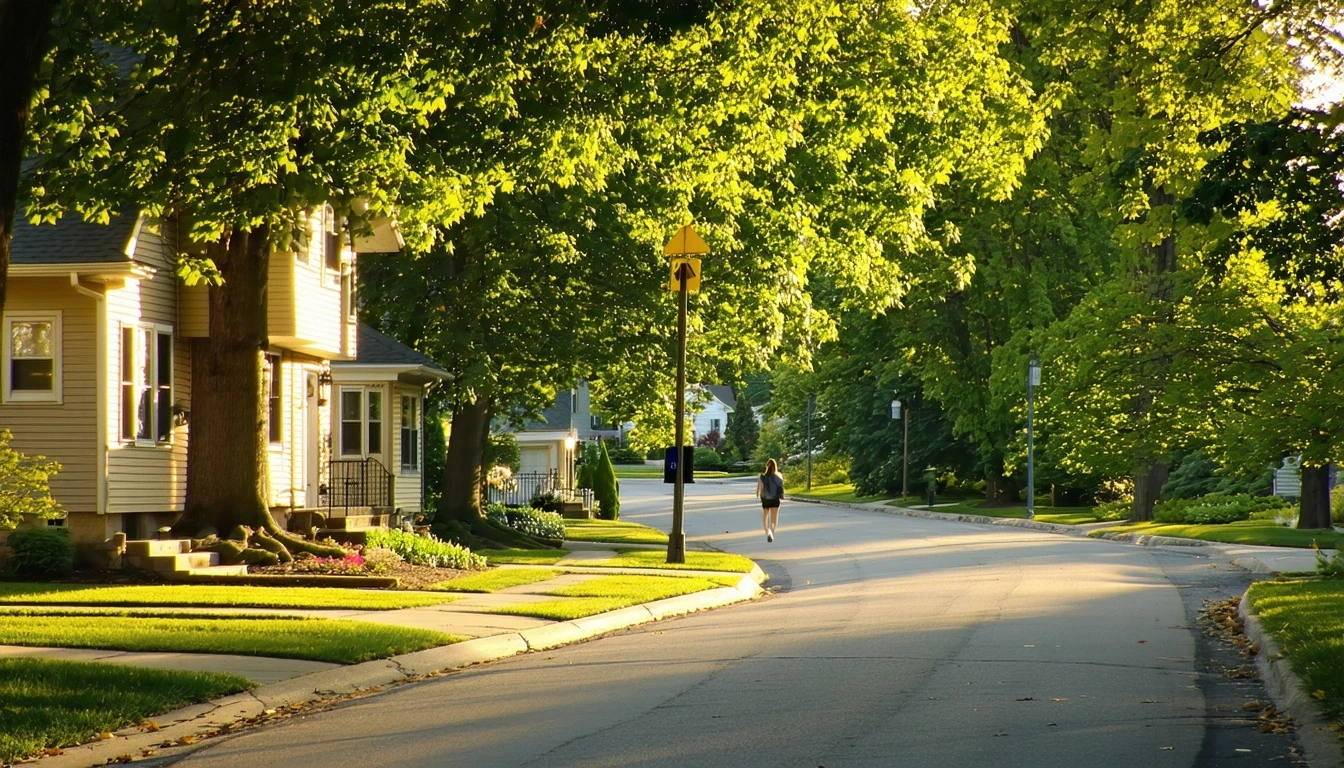
Bloomfield Township’s median home value sits at $933,000—nearly 2.5 times Troy’s $375,600. That single figure shapes everything about how cost pressure shows up for households choosing between these two Detroit metro suburbs in 2026.
Both cities share Oakland County’s infrastructure, identical utility rates, and the same regional economy. The unemployment rate stands at 3.6% across the metro, and gas costs $2.99 per gallon whether you’re filling up in Bloomfield Township or Troy. What separates them isn’t the price of electricity or the cost of a gallon of milk—it’s where financial pressure concentrates, how predictably it arrives, and which households feel it most acutely. Bloomfield Township’s cost structure is front-loaded into housing, with integrated parks and walkable pockets offering lifestyle value that doesn’t show up on a monthly budget line. Troy distributes cost pressure more evenly, with lower entry barriers for renters and buyers but less green space access and a more car-dependent daily rhythm.
The decision between these two cities isn’t about which one is cheaper—it’s about which cost tradeoffs align with your household’s income structure, time budget, and tolerance for volatility. For some households, Bloomfield Township’s housing premium buys predictability and space; for others, Troy’s accessibility and rental flexibility matter more than walkability or park density.
Housing Costs
Bloomfield Township’s housing market is defined by its $933,000 median home value, a figure that reflects large single-family homes on spacious lots in neighborhoods with mature trees and integrated park access. This isn’t a market where first-time buyers can stretch into ownership with modest down payments—it’s a market where housing costs dominate the household budget from day one, but where ongoing expenses (maintenance, taxes, insurance) are predictable and spread across significant square footage. Rental data isn’t available for Bloomfield Township, but the housing stock skews heavily toward ownership, and rental options tend to be limited to higher-end apartments or single-family leases that reflect the same premium positioning.
Troy’s housing market operates on a completely different entry threshold. The $375,600 median home value opens ownership to households earning closer to the metro median, and the $1,461 median gross rent provides a clear path for renters who aren’t ready to buy or who prioritize flexibility over equity. Troy’s housing stock includes a broader mix of apartments, townhomes, and single-family homes, which means households can adjust housing costs by trading space, age, or location within the city. The rental market is more active, and turnover is higher, which introduces some volatility in lease renewals but also creates more options for households moving into the area.
For renters, Troy offers tangible monthly predictability—$1,461 per month is a known obligation, and lease terms are standard. Bloomfield Township’s rental market, where it exists, doesn’t provide the same volume of options, and households looking to rent in Bloomfield Township often face longer searches or higher monthly costs without the same density of available units. For buyers, the difference is stark: Bloomfield Township requires significantly more capital upfront (down payment, closing costs, reserves), but it also delivers more space, more land, and access to neighborhoods where property values have historically held steady. Troy’s lower entry cost makes ownership accessible sooner, but it also means smaller lots, closer neighbors, and housing stock that may require more frequent updates or repairs.
Families seeking space and stability may find Bloomfield Township’s housing premium worth the tradeoff, especially if both adults earn well above the metro median and plan to stay long-term. First-time buyers, single adults, or couples prioritizing flexibility and lower monthly obligations will find Troy’s housing market far more forgiving. The difference isn’t just price—it’s whether your household is optimizing for entry speed or long-term predictability.
Housing takeaway: Bloomfield Township’s housing costs are front-loaded and high, favoring households with substantial savings and stable dual incomes who value space and green access. Troy’s housing market offers lower entry barriers and more rental flexibility, making it a better fit for households building equity gradually or those who need to adjust housing costs as income changes.
Utilities and Energy Costs
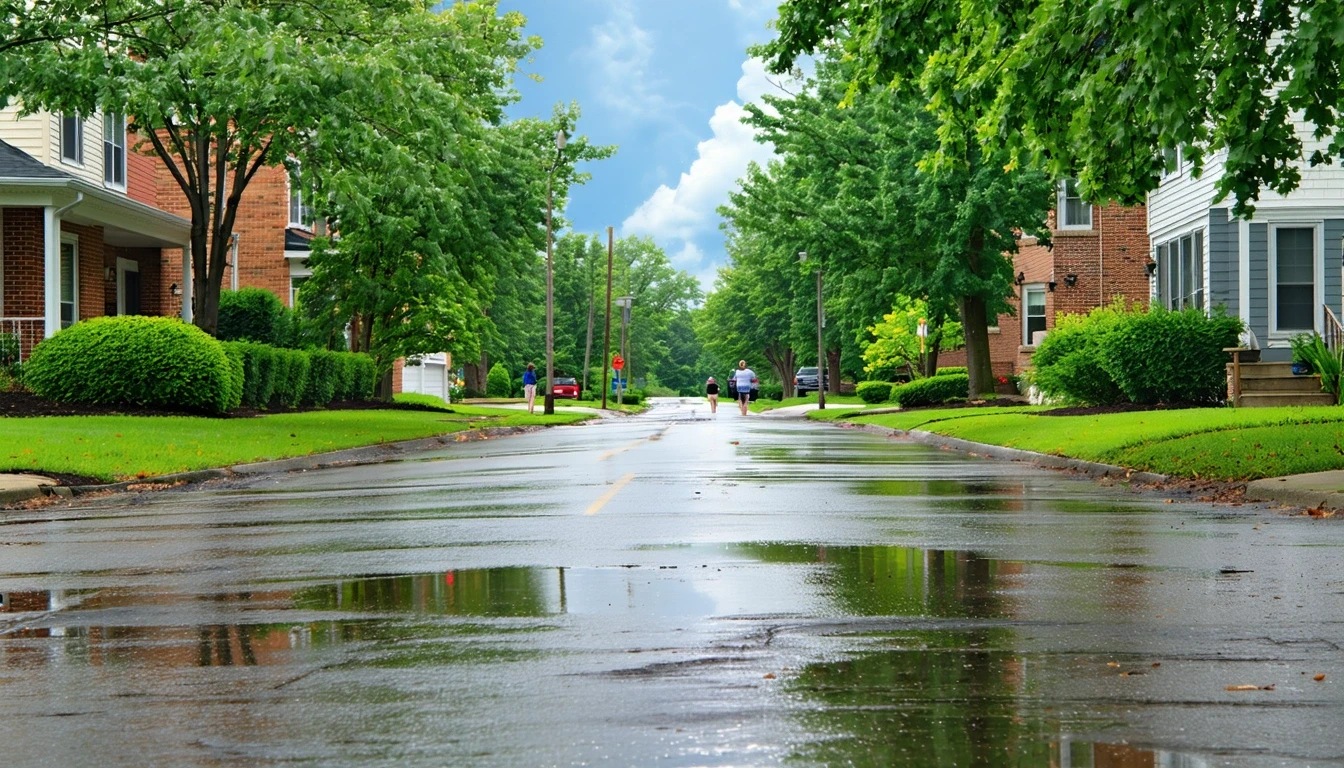
Electricity costs 20.46¢ per kWh in both Bloomfield Township and Troy, and natural gas runs $11.89 per MCF across Oakland County. The rates are identical, but the way households experience utility costs differs because of housing stock, home size, and how daily routines interact with heating and cooling needs. Bloomfield Township’s larger single-family homes—often 3,000+ square feet with high ceilings, multiple zones, and older HVAC systems—create higher baseline usage even when households are mindful about thermostat settings. Cooling a large home during Michigan’s humid summer months and heating it through long, cold winters means utility bills can swing significantly from season to season, and households with older homes may face even steeper exposure if insulation or windows haven’t been updated.
Troy’s housing stock includes more apartments, townhomes, and newer single-family builds, which tend to be smaller and more energy-efficient. Apartments benefit from shared walls that reduce heating and cooling loads, and newer construction often includes better insulation, programmable thermostats, and more efficient HVAC systems. This doesn’t eliminate seasonal swings, but it does reduce the magnitude of the volatility. A household in a 1,200-square-foot apartment in Troy will experience lower baseline usage and less dramatic seasonal spikes than a household in a 3,500-square-foot home in Bloomfield Township, even though both are paying the same per-unit rate.
For families in larger homes, utility costs in Bloomfield Township become a meaningful ongoing obligation—not catastrophic, but significant enough to require budgeting for seasonal peaks. Households heating and cooling 3,000+ square feet should expect higher winter gas bills and summer electricity bills, and those costs are harder to control without major efficiency upgrades (new windows, insulation, HVAC replacement). In Troy, smaller homes and apartments give households more control over usage, and the ability to adjust heating and cooling zone by zone or room by room makes it easier to manage costs without sacrificing comfort.
Single adults and couples in apartments or smaller homes will find utility costs more predictable and manageable in Troy, where housing size naturally limits exposure. Families in Bloomfield Township’s larger homes gain space and privacy but take on more utility volatility, especially in homes built before modern efficiency standards. The tradeoff isn’t just about rates—it’s about how much control you have over usage and how much seasonal swings affect your monthly budget.
Utility takeaway: Both cities share identical utility rates, but Bloomfield Township’s larger housing stock creates higher baseline usage and more seasonal volatility. Troy’s smaller, newer homes and apartments reduce exposure and give households more control over monthly utility costs, making it a better fit for households sensitive to seasonal swings or those managing tighter monthly budgets.
Groceries and Daily Expenses
Grocery prices in Bloomfield Township and Troy are shaped by the same regional price parity index (98, slightly below the national baseline), meaning staples like bread ($1.80/lb), eggs ($2.66/dozen), and ground beef ($6.55/lb) cost roughly the same at checkout. The difference isn’t in the price per pound—it’s in how households access groceries, how much time and planning daily errands require, and where convenience spending creeps in. Bloomfield Township’s food and grocery density falls in the medium band, with options concentrated along commercial corridors rather than distributed evenly across neighborhoods. This means households often drive to grocery stores, and the lack of walkable corner markets or dense retail clusters makes it harder to pick up a few items quickly without a dedicated trip.
Troy’s errands infrastructure isn’t captured in the available data, but the city’s denser commercial corridors and mixed-use pockets suggest more frequent access to grocery stores, pharmacies, and everyday retail without long drives. Households in Troy may find it easier to stop for groceries on the way home from work or to run quick errands without adding significant time to their day. This doesn’t lower the per-item cost, but it does reduce the friction cost—less gas, less time, and fewer impulse purchases that happen when every grocery run requires a 20-minute round trip.
For families managing larger grocery volumes, Bloomfield Township’s corridor-clustered access means planning matters more. Weekly bulk shopping at big-box stores or warehouse clubs becomes the norm, and households that prefer frequent small trips or last-minute ingredient runs will feel the inconvenience. In Troy, the ability to make smaller, more frequent trips without burning extra time or gas gives households more flexibility in how they manage grocery spending. Single adults and couples who eat out frequently or rely on prepared foods may not notice the difference as much, but families cooking at home multiple times per week will feel the time cost of Bloomfield Township’s less-integrated errands access.
Dining out and convenience spending also differ in texture. Bloomfield Township’s restaurant and cafe options tend to cluster in specific commercial areas, which means eating out often requires a deliberate trip rather than a spontaneous decision. Troy’s denser commercial corridors make it easier to grab coffee, pick up takeout, or meet friends for a meal without planning around drive time, which can increase convenience spending for households that value spontaneity. The price per meal may be similar, but the frequency and ease of access differ, and that affects how often households choose convenience over cooking at home.
Grocery takeaway: Grocery prices are nearly identical, but Bloomfield Township’s corridor-clustered access requires more planning and driving, which adds time cost and reduces flexibility. Troy’s denser commercial corridors make daily errands easier and faster, favoring households that value convenience and frequent small trips over bulk weekly shopping.
Taxes and Fees
Property taxes in both Bloomfield Township and Troy are assessed at the local level, and while specific millage rates aren’t provided in the data, the difference in median home values creates a meaningful gap in annual tax obligations. A $933,000 home in Bloomfield Township will generate a significantly higher property tax bill than a $375,600 home in Troy, even if the effective millage rates are similar. This isn’t a small difference—it’s a structural cost that compounds every year and affects how much households need to budget for ongoing ownership beyond the mortgage payment.
For homeowners, property taxes in Bloomfield Township are predictable but high, and they’re tied directly to home value. Households buying into Bloomfield Township’s housing market should expect annual property tax bills that reflect the premium positioning of the housing stock, and those costs don’t fluctuate wildly year to year but also don’t disappear. In Troy, lower home values translate to lower annual property tax obligations, which gives homeowners more breathing room in their monthly budgets and reduces the ongoing cost of ownership. This difference matters most for households on fixed incomes, retirees, or families where one adult stays home—groups that may have the savings to buy but need to keep ongoing obligations manageable.
Beyond property taxes, both cities likely impose local fees for services like water, sewer, and trash collection, though specific fee structures aren’t detailed in the data. Bloomfield Township’s larger lots and single-family housing stock may come with higher water and sewer fees, especially for homes with irrigation systems or larger households. HOA fees are less common in Bloomfield Township’s older, established neighborhoods, but newer developments or condo communities may bundle landscaping, snow removal, or shared amenities into monthly dues. In Troy, HOA fees are more prevalent in townhome and apartment communities, and those fees can range widely depending on what’s included—some cover only exterior maintenance, while others bundle utilities, trash, or recreational facilities.
Renters in Troy don’t face property taxes directly, but they do encounter lease-related fees (application fees, pet deposits, parking charges) and may see property tax increases passed through in the form of higher rent at renewal time. Bloomfield Township’s limited rental stock means fewer renters overall, but those who do rent in Bloomfield Township should expect lease terms that reflect the premium housing market and fewer opportunities to negotiate fees or find lower-cost alternatives.
Tax and fee takeaway: Bloomfield Township’s higher home values generate significantly higher property tax obligations, which add to the ongoing cost of ownership and favor households with stable, high incomes. Troy’s lower home values and active rental market reduce tax exposure for owners and provide more flexibility for renters, making it a better fit for households managing tighter monthly budgets or building equity gradually.
Transportation and Commute Reality
Gas costs $2.99 per gallon in both Bloomfield Township and Troy, and both cities rely heavily on personal vehicles for daily transportation. Commute data isn’t available for either city, but the regional context—sprawling metro Detroit, limited rail transit, and car-oriented infrastructure—means most households in both cities drive to work, errands, and social activities. The difference isn’t in fuel cost or commute distance; it’s in how daily mobility feels and how much time and planning households spend navigating their routines.
Bloomfield Township’s pedestrian-to-road ratio exceeds high thresholds, and bike infrastructure is notably present, which means parts of the city support walking and cycling for short trips—school drop-offs, neighborhood errands, or recreational loops through parks. Bus service is available, but rail transit isn’t, and the walkable pockets are just that: pockets. Most households still need a car for commuting, grocery shopping, and accessing services outside their immediate neighborhood. The integrated park access and mixed land use create opportunities to reduce car dependency for some trips, but the overall transportation structure remains car-oriented, and households without reliable vehicles will find daily logistics challenging.
Troy’s transportation infrastructure isn’t detailed in the available data, but the city’s denser commercial corridors and more active rental market suggest a more car-dependent daily rhythm with fewer walkable pockets. Households in Troy likely drive for nearly all errands, and the lack of rail transit means commuting to Detroit or other metro job centers requires personal vehicles or limited bus routes. The time cost of commuting in Troy depends more on traffic patterns and job location than on the city’s internal structure, and households working locally may find shorter, more predictable commutes than those traveling to downtown Detroit or outlying suburbs.
For single adults and couples without kids, the transportation difference may feel minor—both cities require cars, and fuel costs are identical. For families managing school drop-offs, after-school activities, and weekend errands, Bloomfield Township’s walkable pockets and bike infrastructure offer some relief from constant driving, especially for households living near parks or mixed-use corridors. In Troy, the car is non-negotiable for nearly every trip, and households should budget for vehicle maintenance, insurance, and fuel as fixed ongoing costs.
How Daily Life Actually Works: Errands, Mobility, and Household Logistics
Bloomfield Township’s pedestrian infrastructure and bike-to-road ratio create a daily rhythm that’s less car-dependent than typical suburban sprawl, but only in specific parts of the city. Families living near walkable pockets can send kids to school on foot, bike to nearby parks, or walk to a neighbor’s house without planning around car seats and driveways. The food and grocery density sits in the medium band, meaning some trips still require driving to commercial corridors, but the presence of both residential and commercial land use in the same areas reduces the need for long, dedicated grocery runs. Parks are integrated throughout the city—density exceeds high thresholds—so outdoor recreation doesn’t require loading the car and driving to a trailhead. Families with young kids can walk to playgrounds, and adults can jog or bike through green space without leaving their neighborhood.
This structure doesn’t eliminate car dependency, but it does reduce the number of trips where driving is the only option. Households managing multiple kids, after-school activities, and weekend errands will still rely on cars for most logistics, but the ability to handle some trips on foot or by bike reduces time pressure and gives families more flexibility in how they structure their day. Single adults and couples without kids may not use the walkable infrastructure as frequently, but the option exists for those who value it, and the bike presence makes recreational cycling or commuting by bike viable for households willing to plan around weather and distance.
Troy’s daily logistics, in contrast, center almost entirely on the car. Without detailed experiential signals, the assumption is that most errands, school drop-offs, and social activities require driving, and households should expect to spend more time in the car managing routine tasks. The denser commercial corridors may reduce drive time for grocery shopping or dining out, but the overall structure is less forgiving for households trying to reduce car dependency or manage logistics without multiple vehicles.
How this article was built: In addition to public economic data, this article incorporates location-based experiential signals derived from anonymized geographic patterns—such as access density, walkability, and land-use mix—to reflect how day-to-day living actually feels in Bloomfield Township, MI.
Cost Structure Comparison
Housing dominates the cost experience in Bloomfield Township, with the $933,000 median home value creating a front-loaded financial barrier that shapes every other budget decision. Households entering this market need substantial savings, stable dual incomes, and the ability to absorb ongoing property taxes and maintenance costs that scale with home size and lot acreage. The payoff is space, predictability, and access to integrated parks and walkable pockets that reduce some daily logistics friction—but the housing premium is non-negotiable, and it concentrates financial pressure at the point of entry rather than spreading it across categories.
Troy distributes cost pressure more evenly. The $375,600 median home value and $1,461 median rent create lower entry barriers, and households can adjust housing costs by choosing smaller homes, older buildings, or different neighborhoods within the city. This flexibility reduces the upfront financial hurdle, but it also means households face more ongoing volatility—lease renewals, maintenance surprises, and the need to plan for housing cost changes as income or family size shifts. Utilities introduce similar seasonal swings in both cities, but Troy’s smaller housing stock reduces baseline exposure and gives households more control over usage.
Transportation patterns matter more in Troy, where car dependency is near-universal and households should budget for fuel, insurance, and maintenance as fixed ongoing costs. Bloomfield Township’s walkable pockets and bike infrastructure don’t eliminate the need for cars, but they do reduce the number of trips where driving is the only option, which lowers time cost and gives families more flexibility in how they manage daily logistics. Grocery and errands accessibility follows the same pattern: Bloomfield Township requires more planning and driving, while Troy’s denser commercial corridors make quick stops easier but don’t change the per-item price.
For households sensitive to housing entry costs, Troy offers a clearer path to ownership or rental stability without requiring six-figure savings or dual incomes well above the metro median. For households prioritizing space, green access, and long-term predictability, Bloomfield Township’s housing premium buys lifestyle value that doesn’t show up on a monthly budget line but does reduce daily friction and time cost. The better choice depends on which costs dominate your household and whether you’re optimizing for entry speed or long-term stability.
How the Same Income Feels in Bloomfield Township vs Troy
Single Adult
In Bloomfield Township, housing becomes non-negotiable first—whether renting a scarce apartment or buying a condo, the cost is high and limits flexibility in other categories. Grocery planning and car dependency add time cost, and the walkable pockets matter less without kids or a partner to share logistics. In Troy, rent or a modest mortgage leaves more room for discretionary spending, and denser commercial corridors reduce the time cost of errands. Flexibility exists in housing choices, and the ability to adjust rent or home size as income changes makes Troy feel less financially rigid.
Dual-Income Couple
In Bloomfield Township, dual incomes make the housing premium manageable, and the integrated parks and walkable infrastructure start to matter more for recreation and weekend routines. Utility costs rise with home size, but predictability is high, and the ability to settle into a stable neighborhood reduces ongoing decision fatigue. In Troy, dual incomes unlock homeownership sooner, and the lower entry barrier means more capital left over for savings, travel, or other priorities. The car is non-negotiable for both adults, and commute friction depends more on job location than city structure.
Family with Kids
In Bloomfield Township, housing costs dominate, but the payoff is space, yard access, and the ability to walk or bike to parks and playgrounds without loading the car. Utility bills rise with home size and family activity, and grocery planning requires more intentionality, but the time saved on some logistics (school drop-offs, outdoor play) offsets the higher housing cost for families who value green access and walkable pockets. In Troy, lower housing costs free up budget room for childcare, activities, or savings, but daily logistics require more driving, and the lack of integrated parks means outdoor recreation often involves dedicated trips. Families managing multiple kids and tight schedules may find Troy’s lower entry cost appealing, but they’ll spend more time in the car managing routines.
Decision Matrix: Which City Fits Which Household?
| Decision factor | If you’re sensitive to this… | Bloomfield Township tends to fit when… | Troy tends to fit when… |
|---|---|---|---|
| Housing entry + space needs | You need to balance upfront cost with long-term stability and square footage | You have substantial savings and prioritize space, green access, and predictable ownership costs | You need lower entry barriers, rental flexibility, or the ability to adjust housing as income changes |
| Transportation dependence + commute friction | You want to reduce car dependency or manage daily logistics with less driving | You value walkable pockets and bike infrastructure that reduce some trips, especially for families with kids | You accept near-universal car dependency and prioritize denser commercial corridors that reduce drive time for errands |
| Utility variability + home size exposure | You need to control seasonal utility swings or manage baseline usage predictably | You can absorb higher baseline usage in larger homes and prefer space over monthly cost control | You want smaller homes or apartments that limit seasonal exposure and give you more control over usage |
| Grocery strategy + convenience spending creep | You want to minimize time cost and driving for daily errands | You’re comfortable planning weekly bulk trips and driving to corridor-clustered grocery options | You prefer frequent small trips and value denser commercial access that reduces friction for quick stops |
| Fees + friction costs (HOA, services, upkeep) | You need to keep ongoing obligations predictable and manageable | You can absorb higher property taxes and maintenance costs tied to larger homes and lots | You want lower property tax obligations and more flexibility in housing choices that reduce ongoing fees |
| Time budget (schedule flexibility, errands, logistics) | You need to reduce daily logistics friction and manage household routines with less driving | You value integrated parks and walkable pockets that reduce some car trips, especially for families | You accept higher car dependency and prioritize lower housing costs over walkability or green access |
Lifestyle Fit
Bloomfield Township’s lifestyle centers on space, green access, and the ability to manage some daily routines without constant driving. The integrated park density and walkable pockets create opportunities for families to send kids outside, bike to playgrounds, or jog through neighborhoods without loading the car, and the mixed land use means some errands and services are accessible on foot or by bike. The housing stock skews toward larger single-family homes on spacious lots, which appeals to families prioritizing privacy, yard space, and long-term stability. Cultural and recreational amenities cluster in specific commercial corridors, and households seeking frequent dining, entertainment, or social activities will need to drive to access them, but the tradeoff is a quieter, more residential daily rhythm with less traffic and fewer crowds.
Troy’s lifestyle is more car-dependent and commercially dense, with denser corridors that make errands and dining out more accessible but less green space integration and fewer walkable pockets. Families in Troy will spend more time driving to parks, schools, and activities, and the housing stock’s mix of apartments, townhomes, and single-family homes creates more variety in neighborhood character and price points. The city’s active rental market and lower entry costs attract younger professionals, first-time buyers, and families building equity gradually, and the denser commercial infrastructure supports a faster-paced, more convenience-oriented daily routine. Households who value spontaneity, frequent dining out, and easy access to retail will find Troy’s structure more forgiving than Bloomfield Township’s corridor-clustered layout.
Both cities experience Michigan’s cold winters and warm, humid summers, and both require heating and cooling systems that can handle seasonal extremes. Bloomfield Township’s larger homes and older housing stock may require more aggressive heating and cooling to maintain comfort, while Troy’s newer builds and smaller units reduce baseline exposure. Outdoor recreation in Bloomfield Township benefits from the integrated park system and water features, which create year-round opportunities for walking, biking, and nature access. In Troy, outdoor recreation often requires driving to regional parks or trails, and the lack of integrated green space means households spend more time planning around outdoor activities rather than accessing them spontaneously.
Bloomfield Township’s median household income is $200,054 per year, reflecting the high-earning households that can afford the housing premium. Troy’s median household income is $115,639 per year, closer to the metro median and more accessible for middle-income families and young professionals. The income difference mirrors the housing cost difference, and it shapes the types of households each city attracts and the lifestyle expectations that come with living there.
Frequently Asked Questions
Is Bloomfield Township or Troy more affordable for first-time homebuyers in 2026?
Troy’s $375,600 median home value creates a far lower entry barrier than Bloomfield Township’s $933,000 median, making it the more accessible option for first-time buyers with limited savings or moderate incomes. Bloomfield Township requires substantial capital upfront and favors households with stable dual incomes well above the metro median.
How do utility costs compare between Bloomfield Township and Troy in 2026?
Electricity and natural gas rates are identical in both cities (20.46¢/kWh and $11.89/MCF), but Bloomfield Township’s larger housing stock creates higher baseline usage and more seasonal volatility. Troy’s smaller homes and apartments reduce exposure and give households more control over monthly utility costs.
Which city is better for families with kids: Bloomfield Township or Troy?
Bloomfield Township offers integrated parks, walkable pockets, and bike infrastructure that reduce daily logistics friction for families, but the housing premium is high and limits flexibility. Troy provides lower entry costs and more housing variety, but families will spend more time driving to parks, schools, and activities, and green space access is less integrated.
Do renters have more options in Bloomfield Township or Troy in 2026?
Troy’s active rental market and $1,461 median gross rent provide far more options and flexibility for renters than Bloomfield Township, where rental stock is limited and skews toward higher-end apartments or single-family leases. Renters seeking affordability and variety will find Troy more forgiving.
How does car dependency differ between Bloomfield Township and Troy?
Both cities require cars for most daily activities, but Bloomfield Township’s walkable pockets and bike infrastructure reduce the number of trips where driving is the only option, especially for families living near parks or mixed-use corridors. Troy’s structure is more universally car-dependent, and households should expect to drive for nearly all errands, school drop-offs, and social activities.
Conclusion
Bloomfield Township and Troy offer fundamentally different cost structures, and the better choice depends on which financial pressures your household can absorb and which lifestyle tradeoffs matter most. Bloomfield Township’s $933,000 median home value creates a high entry barrier that favors households with substantial savings and stable dual incomes, but it delivers space, integrated parks, and walkable pockets that reduce daily logistics friction and time cost. Troy’s $375,600 median home value and $1,461 median rent open ownership and rental stability to a broader range of households, but the tradeoff is more car dependency, less green space integration, and fewer opportunities to reduce driving for daily routines.
For families prioritizing space, green access, and long-term predictability, Bloomfield Township’s housing premium buys lifestyle value that doesn’t show up on a monthly budget line but does reduce time cost and create opportunities for outdoor recreation and walkable errands. For first-time buyers, renters, or households building equity gradually, Troy’s lower entry costs and active rental market provide more flexibility and breathing room in monthly budgets, even if it means spending more time in the car and planning around less-integrated parks and services. Neither city is universally cheaper—both require careful budgeting, and both reward households that understand where Related