
When Lena moved into her Bethesda apartment last spring, she budgeted carefully for rent and groceries—but her first full utility bill caught her off guard. The charges weren’t outrageous, but they were layered: electricity billed by usage, water tiered by consumption, trash bundled with her HOA fee, and a natural gas line she didn’t realize she’d need until winter arrived. What surprised her most wasn’t any single line item, but how much the total swung from month to month, driven by weather, household habits, and the structure of each service.
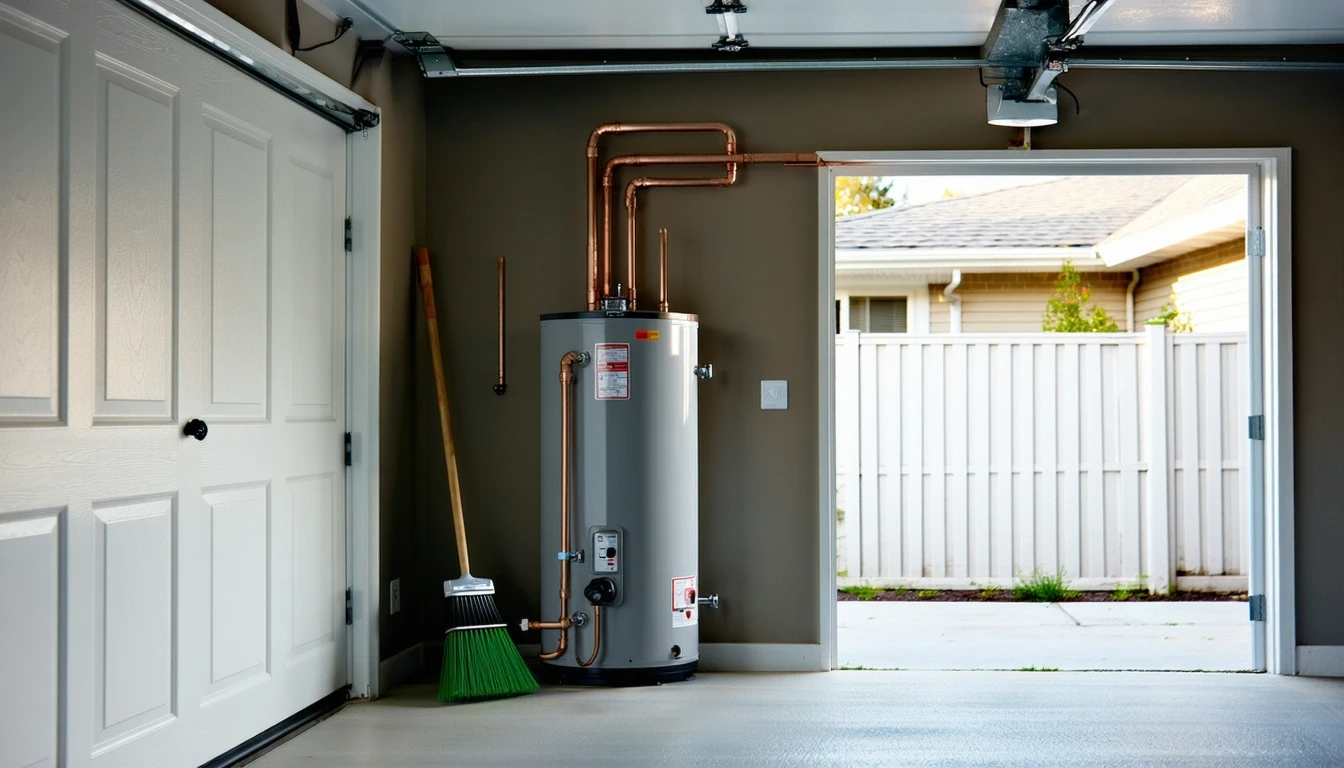
Understanding Utilities in Bethesda
Utilities cost in Bethesda reflects a mix of regional pricing, seasonal climate exposure, and the way services are metered and billed across different housing types. For most households, utilities represent the second-largest recurring expense after housing, and unlike rent or a mortgage, they fluctuate month to month based on usage, weather, and billing cycles. Understanding what drives those swings—and what stays predictable—helps residents plan more confidently and avoid bill shock during peak seasons.
Core utilities typically include electricity, water, natural gas, trash collection, and recycling. In Bethesda, electricity is almost always metered individually, making it the most usage-sensitive and climate-exposed line item. Water and trash are often bundled together or managed by the county, with tiered pricing that rewards conservation. Natural gas, where available, powers heating and sometimes cooking or water heating, and becomes a dominant cost driver during the coldest months. For renters, some of these services may be included in monthly fees, especially in apartment complexes or properties with HOA arrangements, but single-family homes and townhouses typically handle each utility separately.
For people moving to Bethesda, the structure of utility costs can feel different depending on where you’re coming from. Apartments tend to have lower absolute bills due to smaller square footage and shared walls that buffer temperature swings, but they still face seasonal exposure, especially if cooling or heating systems are older or less efficient. Single-family homes, by contrast, experience wider month-to-month variation, with summer air conditioning and winter heating driving the largest spikes. Families with multiple people at home during the day, or households running appliances frequently, will see higher water and electric usage than smaller or less active households.
Utilities at a Glance in Bethesda
The table below shows how core utility costs typically behave for a mid-size household in a single-family home in Bethesda. Where city-level prices are available in the data feed, they are shown directly. When exact figures are not provided, categories are described qualitatively to reflect how costs are structured and what drives variability.
| Utility | Cost Structure |
|---|---|
| Electricity | 21.34¢/kWh; usage-sensitive, seasonal exposure |
| Water | Tiered pricing; usage-dependent |
| Natural Gas | $20.55/MCF; winter-driven, heating-dependent |
| Trash & Recycling | Bundled with water or HOA in most areas |
| Total | Seasonal variability driven by electricity and heating |
This table reflects utility cost structure for a mid-size household in a single-family home in Bethesda during 2026. Where exact figures are not provided in the IndexYard data feed, categories are described directionally to reflect how costs behave rather than a receipt-accurate total.
Electricity is typically the most exposure-sensitive utility in Bethesda, driven more by climate and home efficiency than by base rates. At 21.34¢ per kilowatt-hour, the rate itself sits slightly above the national average, but what really determines the monthly bill is how much power a household uses—and that varies dramatically between a mild spring day and a humid August afternoon when air conditioning runs continuously. Homes with older HVAC systems, poor insulation, or large square footage face steeper bills during peak seasons, while apartments and well-sealed townhouses tend to see more moderate swings.
Water costs in Bethesda are structured around tiered pricing, meaning the more you use, the higher the per-unit rate climbs. This design rewards conservation and penalizes heavy usage, making it especially relevant for families, households with irrigation systems, or anyone running water-intensive appliances like dishwashers and washing machines frequently. Water bills are often bundled with sewer and stormwater fees, so the line item on a statement may reflect more than just consumption.
Natural gas becomes the dominant cost driver during winter months, when furnaces and boilers run steadily to keep homes warm through cold snaps and freezing nights. Priced at $20.55 per thousand cubic feet, natural gas is billed based on actual usage, and households with gas heat will see sharp increases from November through March. Homes that use gas for water heating or cooking will carry a smaller year-round baseline, but the real expense comes from space heating when outdoor temperatures drop.
Trash and recycling services in Bethesda are typically bundled with water bills or covered by HOA fees, depending on the neighborhood and housing type. For single-family homes outside HOA communities, trash collection is usually billed as a flat monthly or quarterly fee, making it one of the most predictable utility costs. Recycling is generally included in the same service, with curbside pickup on a set schedule.
How Weather Impacts Utilities in Bethesda
Bethesda sits in the Mid-Atlantic, where summers are hot and humid and winters bring cold stretches that demand consistent heating. That seasonal swing drives the largest month-to-month changes in utility bills, with electricity spiking in summer and natural gas climbing in winter. The intensity of each season—how many days push into the 90s, how long humidity lingers, how often temperatures drop below freezing—determines whether a household faces moderate bills or sustained high-cost months.
During summer, air conditioning becomes the single largest electricity draw for most homes. Humid heat makes indoor spaces feel warmer than the actual temperature, pushing HVAC systems to run longer and work harder to maintain comfort. Homes with south- or west-facing windows, minimal shade, or older cooling systems face the steepest exposure. Many Bethesda households experience noticeably higher electric bills during peak summer compared to spring, with July and August typically representing the year’s highest usage months. Apartments with shared walls and smaller square footage see smaller absolute increases, but the percentage swing can still be significant if cooling systems are undersized or inefficient.
Winter brings a different cost pressure: heating. Natural gas furnaces and boilers dominate space heating in Bethesda, and when outdoor temperatures drop into the teens or lower—like the current 23°F reading—systems run almost continuously to keep indoor spaces livable. Unlike summer cooling, which can be offset somewhat by fans or strategic window use, winter heating is non-negotiable for safety and comfort. Homes with poor insulation, drafty windows, or high ceilings lose heat faster and burn more gas to compensate. Electric heating, whether through baseboards or heat pumps, shifts that cost onto the electricity bill instead, often with even steeper swings due to higher per-unit energy costs.
How to Save on Utilities in Bethesda
Reducing utility costs in Bethesda starts with understanding which expenses are fixed and which respond to behavior, efficiency upgrades, or timing. Electricity and natural gas—the two most volatile categories—offer the most opportunity for control, while water and trash costs tend to be smaller and more stable. The goal isn’t necessarily to eliminate every discretionary kilowatt-hour, but to reduce exposure during peak months and avoid waste during the rest of the year.
Many utility providers in the Bethesda area offer programs designed to help households manage costs and smooth out seasonal swings. Budget billing plans average usage over the year, so instead of facing a steep bill in August and a low one in April, customers pay a consistent amount each month. Off-peak or time-of-use rates, where available, reward households that shift heavy electricity use—like running dishwashers, laundry, or charging electric vehicles—to evenings or weekends when grid demand is lower. Smart thermostats help automate heating and cooling schedules, reducing runtime when no one is home and learning household patterns to avoid unnecessary usage.
- Enroll in budget billing to stabilize monthly payments and avoid seasonal bill shock
- Check for rebates on energy-efficient appliances, HVAC systems, or water heaters through local providers or Maryland state programs
- Install a programmable or smart thermostat to reduce heating and cooling when spaces are unoccupied
- Seal drafts around windows and doors to prevent heat loss in winter and cool air loss in summer
- Plant shade trees on south- and west-facing sides of the home to reduce cooling load during peak sun hours
- Switch to LED bulbs and unplug devices that draw phantom power when not in use
- Run dishwashers and washing machines with full loads during off-peak hours if time-of-use rates apply
- Consider a whole-home energy audit to identify insulation gaps, duct leaks, or inefficient systems
🏆 Tip: Check if your provider in Bethesda offers rebates for energy-efficient AC units or heating systems. Many utilities and state programs subsidize upgrades that lower long-term usage, and the savings often outweigh the upfront cost difference within a few years.
FAQs About Utility Costs in Bethesda
Why are utility bills so high in Bethesda during summer and winter? Bethesda’s humid summers and cold winters drive heavy air conditioning and heating use, which dominate electricity and natural gas bills during peak months. Homes with older HVAC systems, poor insulation, or large square footage face the steepest seasonal swings, while smaller or well-sealed units see more moderate increases.
What is the average monthly electric bill for an apartment in Bethesda compared to a single-family home? Apartments typically see lower absolute electricity costs due to smaller square footage and shared walls that buffer temperature swings, but single-family homes experience wider month-to-month variation, especially during summer cooling and winter heating seasons. The gap is largest in July, August, and January when HVAC systems run most intensively.
Do HOAs in Bethesda usually include trash or water in their fees? Many townhouse and condo HOAs in Bethesda bundle trash, recycling, and sometimes water or sewer into monthly fees, which simplifies billing but reduces visibility into individual usage. Single-family homes outside HOA communities typically handle these services separately, with trash billed as a flat fee and water charged on a tiered usage basis.
How does seasonal weather affect monthly utility bills in Bethesda? Summer heat and humidity push air conditioning usage to its annual peak, spiking electricity bills from June through September. Winter cold drives natural gas heating costs up sharply from November through March, especially during prolonged freezing stretches. Spring and fall represent the lowest-cost months, when heating and cooling needs are minimal and bills reflect baseline usage only.
Does Bethesda offer incentives for solar panels or energy-efficient appliances? Maryland state programs and some local utilities provide rebates, tax credits, and financing options for solar installations, high-efficiency HVAC systems, and Energy Star appliances. Incentives vary by provider and change periodically, so it’s worth checking current offerings before making major upgrades.
How Utilities Fit Into the Cost Structure in Bethesda
Utilities in Bethesda function as a secondary but significant cost driver, sitting between housing pressure and day-to-day expenses like groceries or transportation. Unlike rent or a mortgage, which stay fixed month to month, utilities introduce volatility—sometimes predictable, sometimes not—that affects how much financial cushion a household needs to carry. Electricity and natural gas dominate that variability, with summer cooling and winter heating creating seasonal peaks that can double or triple baseline costs. Water and trash, by contrast, stay relatively stable, making them easier to budget around but less responsive to cost-cutting efforts.
For households planning a month of expenses in Bethesda, utilities represent a category where behavior, efficiency, and housing type all matter. A well-insulated townhouse with a modern HVAC system will carry lower bills than a sprawling single-family home with drafty windows and an aging furnace, even if both households use energy the same way. Renters in apartments face less absolute exposure but still need to account for seasonal swings, especially if cooling or heating systems are older or undersized. Families with multiple people at home during the day, or households running water-intensive appliances frequently, will see higher usage across the board.
The structure of utility costs in Bethesda also reflects the broader regional pricing environment. At 104 on the regional price parity index, the area sits slightly above the national baseline, meaning that even when usage is moderate, the per-unit cost of electricity, gas, and water runs a bit higher than in lower-cost regions. That premium is most visible during peak months, when high usage combines with above-average rates to produce bills that feel disproportionately steep. Understanding that dynamic—and planning for it—helps households avoid the financial strain that comes from underestimating seasonal exposure.
Ultimately, utilities in Bethesda are best understood as a cost category where control is partial but meaningful. You can’t eliminate heating in January or cooling in August, but you can reduce how much energy those systems consume, smooth out payment schedules through budget billing, and take advantage of rebates or efficiency programs that lower long-term exposure. The households that manage utility costs most effectively are the ones that treat them as a planning problem, not just a monthly bill—anticipating peaks, investing in efficiency where it pays off, and building enough margin into their budgets to absorb seasonal swings without stress.
How this article was built: In addition to public economic data, this article incorporates location-based experiential signals derived from anonymized geographic patterns—such as access density, walkability, and land-use mix—to reflect how day-to-day living actually feels in Bethesda, MD.
—