
What does it actually feel like to live in Bethany? According to a recent sentiment snapshot, 74 out of 100 residents say they’re happy here — but that number only tells part of the story. The real question isn’t whether Bethany is “good” or “bad,” but whether its particular rhythm matches what you need from a place.
Bethany sits just northwest of Oklahoma City, offering suburban predictability without complete isolation from metro access. It’s a city where families tend to feel rooted, where parks are plentiful, and where the pace is slower than the urban core. But it’s also a place where spontaneity takes planning, where healthcare means driving, and where walkability exists in pockets rather than everywhere. Understanding Bethany’s vibe means understanding these tradeoffs — not as flaws, but as the texture of the place itself.
The Emotional Landscape of Bethany
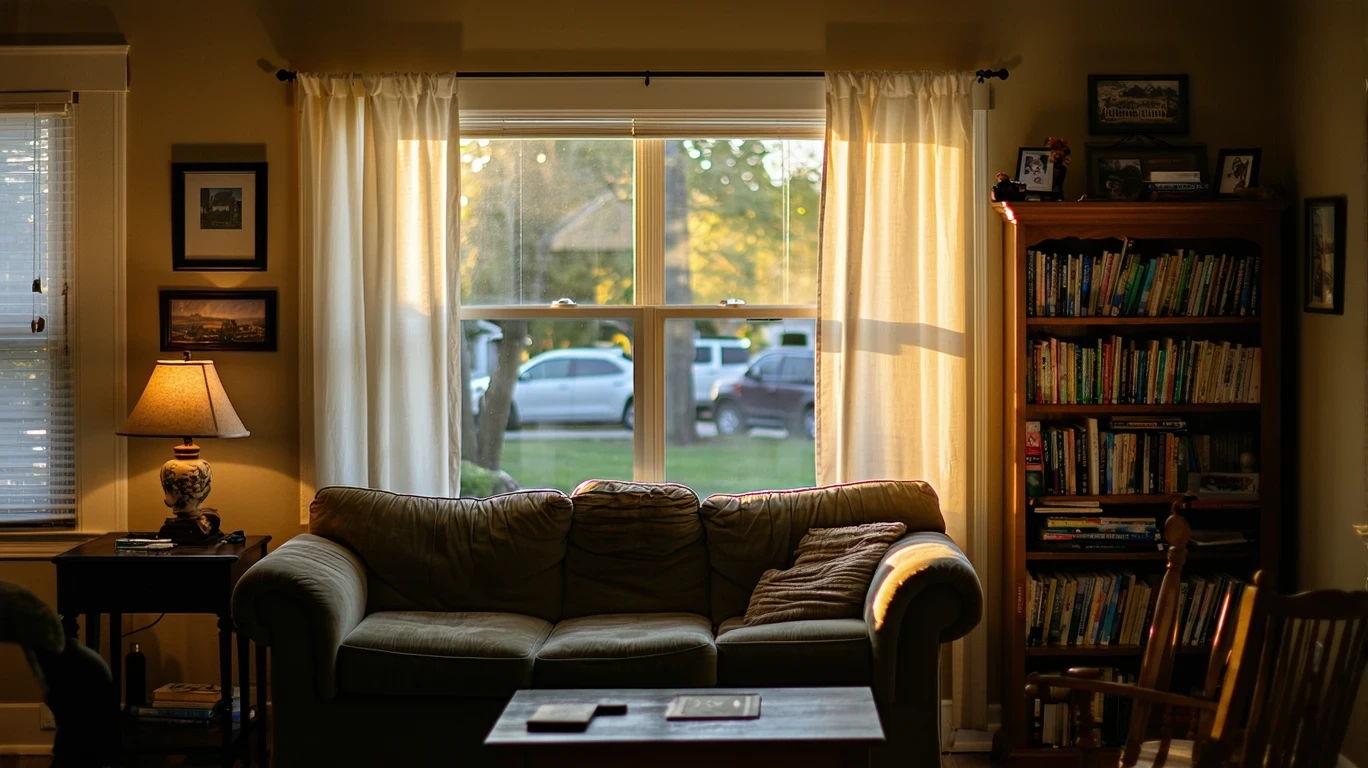
Bethany’s emotional tone is shaped by stability and familiarity. People who thrive here tend to value routine, green space, and the kind of community where neighbors recognize each other. The city offers integrated park access — meaning you’re rarely far from a playground, trail, or open lawn — and that matters deeply to families with young kids or anyone who finds calm in outdoor space.
But Bethany isn’t a place that surprises you. Errands cluster along a few main corridors, so grocery runs and everyday shopping require intentionality rather than spontaneity. The mobility texture is mixed: there’s pedestrian infrastructure in some areas, but you’ll still rely on a car for most of your week. Transit options are minimal, and healthcare access locally is limited — if you need a hospital or specialist, you’re heading elsewhere.
For people who wanted urban texture, walkable neighborhoods, or a dense mix of third places, Bethany can feel too quiet, too spread out, too predictable. For people who wanted a safe, steady, affordable suburban base near Oklahoma City, it often feels just right.
Social Media Buzz in Bethany
On platforms like Facebook and Reddit, Bethany discussions tend to center on a few recurring themes: pride in the city’s family-friendly reputation, frustration with limited dining and entertainment options, and ongoing conversation about what growth should look like. The tone is protective but not defensive — people like what Bethany is, but they’re also aware of what it isn’t.
“It’s a great place to raise kids, but don’t expect much nightlife. You’re driving to OKC for that,” one commenter noted, capturing a common tradeoff. Another said, “I love how quiet it is here, but I do wish we had more local healthcare options. It’s inconvenient when something comes up.” A third voice offered, “Bethany feels like a place where people actually stay. It’s not flashy, but it’s solid.”
The emotional range is narrow but consistent: appreciation for what’s here, mild resignation about what’s not, and a general sense that Bethany delivers on the promise of suburban comfort without pretending to be something else.
Local News Tone
Local coverage of Bethany tends to frame the city through the lens of steady community identity and incremental change. Headlines and story angles often reflect themes like:
- “Community Celebrates Another Year of Family Events”
- “Residents Weigh New Development Proposals”
- “Parks and Recreation Expand Programming”
- “Local Schools Adapt to Growing Enrollment”
- “Bethany Balances Growth with Small-Town Feel”
The tone is rarely urgent or contentious. Instead, it reflects a city that changes slowly, where growth is debated rather than rushed, and where the emotional stakes revolve around preserving what people moved here for in the first place. There’s pride in the parks, concern about maintaining affordability, and ongoing conversation about whether Bethany should add more commercial options or stay residential-focused.
Review-Based Public Perception
On Google, Yelp, and neighborhood platforms, Bethany’s public perception splits along expectation lines. People who wanted suburban calm, affordable housing tradeoffs, and park access tend to leave positive reviews. People who wanted walkable variety, dense dining options, or immediate access to specialists tend to feel let down.
Praise often centers on safety, cleanliness, and the quality of parks. “Great neighborhood feel, lots of green space, and people are friendly,” one review noted. Another said, “It’s affordable compared to other parts of the metro, and you’re still close enough to OKC for work or fun.”
Criticism tends to focus on limited local amenities and car dependency. “You’ll drive for everything — groceries, doctors, entertainment. It’s fine if you’re used to that, but it’s not convenient,” one review explained. Another mentioned, “It’s quiet, maybe too quiet. If you’re younger or want more to do locally, you’ll feel the limits pretty fast.”
Newer planned areas tend to get slightly higher marks for sidewalks and park proximity, while older pockets are described as more variable in walkability and upkeep. But across the board, the sentiment is consistent: Bethany works if you know what you’re getting.
Comparison to Nearby Cities
| Dimension | Bethany | Warr Acres | Yukon |
|---|---|---|---|
| Overall Vibe | Quiet, family-focused, steady | Compact, affordable, working-class | Growing, newer, more polished |
| Walkability | Mixed; pockets of pedestrian paths | Limited; very car-dependent | Moderate in newer areas |
| Dining & Nightlife | Sparse; drive to OKC | Very limited | Expanding but still modest |
| Green Space | Excellent; parks well-distributed | Present but less abundant | Good; newer parks in developments |
| Healthcare Access | Limited locally | Limited locally | Limited locally |
Bethany sits between Warr Acres and Yukon in terms of polish and growth trajectory. Warr Acres feels more working-class and compact, with fewer parks and less pedestrian infrastructure. Yukon feels newer and more growth-oriented, with shinier retail and more recent housing stock, but it’s also farther from the urban core. Bethany offers a middle path: older and more established than Yukon, but greener and more family-oriented than Warr Acres.
If you prioritize park access and a quieter pace, Bethany tends to edge ahead. If you want newer construction and expanding commercial options, Yukon might feel more dynamic. If affordability is the primary driver and you’re comfortable with minimal amenities, Warr Acres offers a lower entry point. None of these cities will satisfy someone seeking urban walkability or dense nightlife — for that, you’re looking at closer-in Oklahoma City neighborhoods.
What Locals Are Saying
“We moved here from Edmond because we wanted more space and lower costs. Bethany delivered on both. The parks are great, the neighbors are kind, and we’re still close enough to OKC for work. It’s not exciting, but that’s kind of the point.” — Family with two kids, moved in 2021
“I work remotely and honestly, Bethany feels a little isolating. There aren’t many coffee shops or coworking spaces, and the social scene is pretty limited. I end up driving to Midtown OKC a lot just to feel connected.” — Remote worker, early 30s
“I’ve lived here for over 20 years. It’s changed, but not drastically. People still know each other, the schools are decent, and it’s safe. I wouldn’t want to live anywhere else in the metro.” — Long-time resident, retired
“The lack of local healthcare is frustrating. When my kid got sick, we had to drive to Integris or Mercy. It’s not far, but it’s not convenient either. Everything else about Bethany works for us, but that’s a real gap.” — Parent, moved in 2019
“If you’re looking for walkable neighborhoods or a vibrant food scene, this isn’t it. But if you want a quiet, affordable place to settle down with easy access to the city, Bethany is solid. Just know what you’re signing up for.” — Young professional, renting
“I love the parks here. We’re at the playground or trails almost every weekend. It’s one of the best things about Bethany — you’re never far from green space.” — Stay-at-home parent
“It’s a good starter-home city. We’re building equity, the cost of living is manageable, and we’re not stretched thin. When we’re ready for something different, we’ll move closer to downtown. But for now, this works.” — First-time homebuyer couple
Does Bethany Feel Like a Good Fit?
Bethany’s emotional profile is clear: it works for people who value suburban stability, park access, and proximity to Oklahoma City without urban intensity. It tends to frustrate people who need walkable texture, immediate healthcare access, or a dense mix of dining and social options. The city doesn’t try to be everything — it’s a place where families feel rooted, where routines are predictable, and where the tradeoff is simplicity over spontaneity.
If you’re deciding whether Bethany fits, ask yourself: Do I want a quiet base with green space and affordability, or do I need a place that surprises me with options around every corner? Do I value stability and familiarity, or do I crave variety and walkable convenience? Your answer will tell you whether Bethany’s vibe aligns with your needs.
For a clearer picture of where money goes each month or how quality of life factors shape day-to-day living here, explore the related guides. Bethany isn’t for everyone — but for the right household, it’s exactly what they were looking for.
How this article was built: In addition to public economic data, this article incorporates location-based experiential signals derived from anonymized geographic patterns—such as access density, walkability, and land-use mix—to reflect how day-to-day living actually feels in Bethany, OK.
The perspectives shown reflect commonly expressed local sentiment and recurring themes in public discussion, rather than individual accounts.