
Housing in Bethany, OK sits at the intersection of Oklahoma City metro accessibility and small-city cost structure. The median home value of $149,800 positions ownership within reach for many households, while median rent at $1,024 per month creates rental options that don’t dominate monthly budgets. But the housing decision here isn’t just about sticker price—it’s about how Bethany’s physical layout, infrastructure, and cost behavior shape what you pay over time and how you live day-to-day.
This article explains what shapes the cost of living in Bethany through the lens of housing: what drives rent, what ownership actually costs beyond the purchase price, and how the structure of the city itself changes the tradeoffs between apartments and houses.
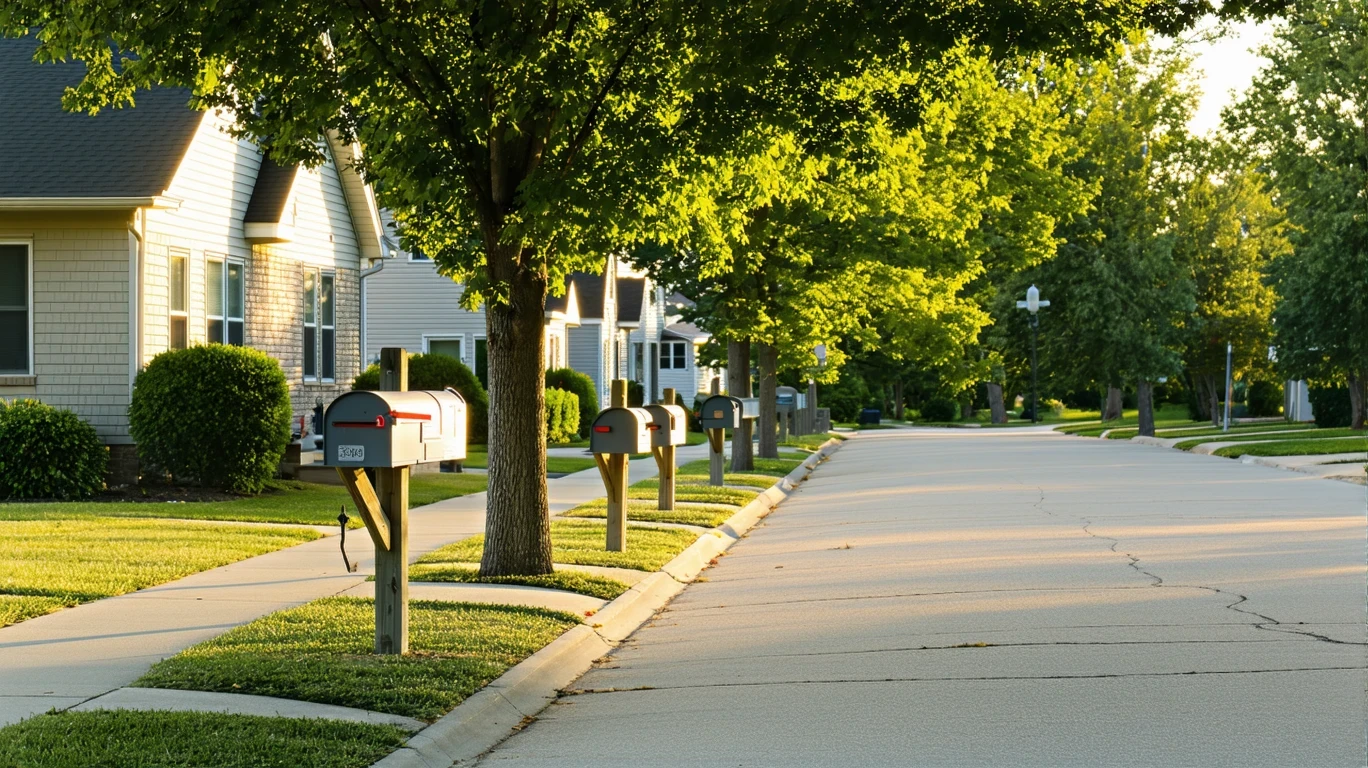
The Housing Market in Bethany Today
Bethany’s housing market reflects its role as an established residential community within the Oklahoma City metro. The $149,800 median home value sits well below national benchmarks, and the regional price parity index of 91 confirms that goods and services here cost less than the national baseline. This isn’t a high-growth tech hub or a resort town—it’s a place where housing remains accessible because demand hasn’t outpaced supply in the way it has in coastal or rapidly urbanizing markets.
What shapes the market here is stability rather than speculation. The unemployment rate of 3.2% signals a functioning local economy, and the mix of residential and commercial land use means people live and work within the broader metro area without concentrating all activity in a single downtown core. Newcomers often expect suburban markets to be uniform, but Bethany’s mixed building character—ranging from low-rise single-family homes to mid-height multifamily structures—means neighborhood experience varies more than the citywide median suggests.
The housing stock itself reflects decades of development rather than a single building boom. That creates opportunity for buyers at different price points, but it also means maintenance exposure and property condition vary widely. If you’re comparing Bethany to newer-built suburbs farther out in the metro, the tradeoff is between lower entry cost here and potentially higher upkeep demands.
Renting in Bethany
At $1,024 per month, median gross rent in Bethany falls below the threshold where rent alone consumes most of a single earner’s income. For context, median household income sits at $54,606 per year, which translates to roughly $4,550 per month before taxes. Rent at this level leaves room for other expenses, though it still represents a significant share of take-home pay for lower-income households.
Rental availability in Bethany skews toward smaller multifamily buildings and single-family homes rather than large apartment complexes. The mixed building character means you’re more likely to find a duplex or a small apartment row than a 200-unit complex with amenities. That changes the rental experience—fewer on-site services, but also fewer neighbors and often more direct landlord relationships.
What renters need to understand about Bethany is that daily errands don’t happen on foot for most people. Food and grocery options cluster along specific corridors rather than distributing evenly across neighborhoods. That doesn’t mean you’re isolated, but it does mean your rental location matters for how often you’re driving to pick up basics. If you’re used to walking to a corner store or having multiple grocery options within a mile, Bethany’s layout requires a different rhythm.
Owning a Home in Bethany
The $149,800 median home value makes ownership accessible in nominal terms, but the full cost of owning in Bethany extends beyond the purchase price. Property taxes, insurance, maintenance, and utilities all behave differently here than in denser urban markets or newer suburban developments.
Property tax rates in Oklahoma vary by county and municipality, and while specific rates for Bethany aren’t provided in the data, Oklahoma generally maintains moderate property tax burdens compared to states like Texas or Illinois. What matters more for Bethany homeowners is that the housing stock includes older homes where deferred maintenance can surface quickly. Roofs, HVAC systems, and plumbing don’t announce failure in advance, and a home priced at $130,000 can still carry a $10,000 repair bill when a major system fails.
Homeownership here also means taking on utility exposure directly. Electricity rates at 14.42¢/kWh and natural gas prices at $36.97/MCF sit in moderate territory, but older homes often lack the insulation and efficiency standards of newer construction. Bethany’s climate brings extended cooling seasons with heat that pushes air conditioning hard, and heating demands during winter cold snaps. If you’re buying an older home, your utility bills will reflect the building’s thermal performance as much as the rate structure.
Governance and HOA presence vary widely. Some neighborhoods operate without HOAs, giving owners full control but also full responsibility for exterior maintenance and landscaping. Others have HOA structures that cover common areas or enforce aesthetic standards. The data doesn’t specify HOA prevalence in Bethany, but buyers should verify whether a property falls under HOA rules and what those dues cover.
Apartment vs House in Bethany — Cost Behavior Comparison
| Expense Category | Apartment | House |
|---|---|---|
| Cooling Exposure | Shared walls and smaller square footage reduce cooling load; landlord often controls system efficiency | Full building envelope exposed; older homes with poor insulation face higher summer bills during extended heat |
| Heating Exposure | Shared structure moderates heat loss; natural gas or electric heat typically managed by landlord | Owner controls system and fuel choice; older homes with drafty windows and minimal insulation see higher winter costs |
| Maintenance Responsibility | Landlord handles structural repairs, HVAC replacement, and exterior upkeep | Owner absorbs all repair costs; older housing stock in Bethany increases likelihood of major system failure |
| Outdoor Access | Limited private outdoor space; Bethany’s integrated park density (exceeding high threshold) provides nearby public green space | Private yards common; park access supplements rather than replaces private outdoor space |
| Mobility and Errands | Corridor-clustered grocery and food access requires car trips regardless of housing type; apartments near commercial corridors reduce trip length | Same corridor-clustered access pattern; houses in residential-only areas add distance to daily errands |
Why these categories? Bethany’s extended cooling season and older housing stock make thermal efficiency a primary cost differentiator. The city’s integrated park access matters more for apartments (which lack private yards) than for houses. Corridor-clustered errands affect both housing types, but location within the city changes trip frequency and distance.
What’s omitted? Water and trash costs don’t vary meaningfully by housing type in Bethany’s infrastructure. Internet and cable availability is uniform across housing types. Parking isn’t a constraint in either apartments or houses here.
Utilities & Upkeep Differences
Utility exposure in Bethany hinges on building age and thermal performance more than housing type alone. Electricity at 14.42¢/kWh and natural gas at $36.97/MCF provide the rate structure, but how much you use depends on insulation, window quality, HVAC efficiency, and how hard the system works during temperature extremes.
Bethany’s climate brings long stretches of heat where air conditioning runs daily, not just during peak afternoon hours. Older homes—common in Bethany’s mixed housing stock—often lack adequate attic insulation, have single-pane windows, and run HVAC systems installed decades ago. That combination turns moderate electricity rates into noticeable monthly bills during summer. Houses face this exposure more directly than apartments because the entire building envelope is exposed to outside temperatures, while apartments benefit from shared walls and smaller conditioned space.
Heating exposure during winter operates similarly. Natural gas heating is common, and while prices remain moderate, older homes with poor weatherization see higher usage. Electric heating, where present, compounds the issue because resistance heating is inherently less efficient than gas furnaces or heat pumps.
Maintenance differences between apartments and houses in Bethany aren’t just about who pays—they’re about exposure to the age of the housing stock. A landlord handles repairs in an apartment, but a homeowner in an older house absorbs the cost when a 20-year-old water heater fails or a roof reaches the end of its life. Bethany’s housing market includes many properties where major systems are approaching or past typical replacement intervals, and buyers need to budget for that reality rather than assume the purchase price reflects total cost.
Rent vs Buy: Long-Term Exposure in Bethany
The rent versus buy decision in Bethany isn’t about running a mortgage calculator—it’s about understanding which cost structure fits your tolerance for volatility, maintenance risk, and long-term flexibility.
Renters in Bethany face annual lease renewals where rent can adjust, but they avoid direct exposure to property tax changes, insurance rate increases, and major repair costs. If the HVAC system fails, the landlord replaces it. If the roof leaks, the landlord fixes it. That predictability matters for households that prioritize stable monthly costs or expect to move within a few years.
Owners lock in a purchase price, but they take on every other cost that changes over time. Property taxes adjust as assessed values shift. Insurance premiums rise as carriers reprice risk. Maintenance costs arrive unpredictably—a $6,000 HVAC replacement one year, a $12,000 roof repair three years later. Bethany’s older housing stock makes this exposure more immediate than in newer-built suburbs where major systems have longer remaining life.
Ownership also means control. You can upgrade insulation, replace windows, install a more efficient HVAC system, or add solar panels (if local regulations and your property support it). Renters can’t make those changes, which means they’re stuck with the building’s existing efficiency and the landlord’s willingness to invest in improvements.
The long-term tradeoff comes down to whether you value cost predictability and flexibility (renting) or cost control and stability of housing payment (owning). Neither is universally better—it depends on how long you plan to stay, whether you have reserves for unexpected repairs, and whether Bethany’s housing market aligns with your next five to ten years.
How Place Structure Shapes Housing Costs in Bethany
Housing costs in Bethany aren’t just about rent or mortgage payments—they’re shaped by how the city itself is built and how that structure forces or enables certain behaviors. Bethany’s mixed pedestrian-to-road ratio means some neighborhoods support walking for short trips while others require a car for everything. That doesn’t change your rent, but it changes how often you’re driving, how much you spend on gas, and whether you can reduce car dependency if that’s a priority.
Daily errands in Bethany cluster along specific corridors rather than distributing evenly across residential areas. Food and grocery options exist, but they’re concentrated, which means your housing location determines whether a grocery run is a five-minute drive or a fifteen-minute trip across town. For renters, that might influence which apartment you choose. For buyers, it might mean prioritizing proximity to those corridors or accepting that you’ll drive farther for basics.
Bethany’s park density exceeds high thresholds, and water features are present, which matters more than it might seem. Integrated green space access means families with young children or households that prioritize outdoor activity don’t need to own a house with a large yard to access quality outdoor environments. That shifts the apartment-versus-house calculation for some households—if public parks meet your needs, you’re not paying for private yard space you won’t use.
The city’s mixed building character and present land-use mix mean neighborhood experience varies. Some areas feel more walkable, with nearby shops and services. Others are purely residential, requiring a car for every errand. That variability matters when you’re choosing where to rent or buy, because the citywide median home value or rent figure doesn’t capture how much the specific block or neighborhood shapes your daily logistics.
How this article was built: In addition to public economic data, this article incorporates location-based experiential signals derived from anonymized geographic patterns—such as access density, walkability, and land-use mix—to reflect how day-to-day living actually feels in Bethany, OK.
FAQs About Housing Costs in Bethany
Is $149,800 the actual price I’ll pay for a home in Bethany?
$149,800 is the median home value, meaning half of homes sell for more and half for less. Your actual price depends on neighborhood, condition, square footage, and how long the property has been on the market. Older homes in need of updates will price below the median; updated homes in desirable areas will price above it.
Does rent in Bethany include utilities?
Rental agreements vary. Some landlords include water, trash, or gas in the rent, while others require tenants to set up and pay all utilities separately. Always confirm what’s included before signing a lease, because utility costs in Bethany’s older housing stock can add $150–$250 per month depending on season and building efficiency.
How does Bethany’s housing cost compare to nearby Oklahoma City neighborhoods?
Bethany’s median home value of $149,800 generally sits below many Oklahoma City urban neighborhoods but aligns with other inner-ring suburbs. The tradeoff is usually between Bethany’s lower entry cost and proximity to specific OKC employment or entertainment districts. Your decision depends on commute priorities and whether you value Bethany’s residential character over urban density.
What should I budget for maintenance if I buy an older home in Bethany?
Older homes in Bethany often need HVAC replacement ($4,000–$8,000), roof work ($8,000–$15,000 for full replacement), and plumbing or electrical updates. A conservative rule is to set aside 1–2% of the home’s value annually for maintenance and repairs, but homes built before 1990 often exceed that in the first few years of ownership as deferred maintenance surfaces.
Can I live in Bethany without a car?
Bethany’s corridor-clustered errands and mixed mobility texture mean most households rely on cars for daily logistics. While some neighborhoods have walkable infrastructure, grocery stores, medical facilities, and employment centers typically require driving. If car-free living is a priority, Bethany’s layout will create friction that denser urban areas don’t impose.
Making Housing Choices in Bethany
Housing costs in Bethany reward careful attention to what you’re actually buying or renting—not just the price, but the building’s condition, location within the city’s corridor-clustered layout, and how the structure itself will behave as costs shift over time. The $149,800 median home value and $1,024 median rent create accessibility, but the full cost picture includes utilities, maintenance, and how Bethany’s physical layout shapes your daily logistics.
Renters gain predictability and avoid maintenance risk, but they give up control over efficiency improvements and remain exposed to lease renewals. Owners gain cost control and stability of housing payment, but they absorb every repair, tax adjustment, and insurance increase. Neither path is universally better—it depends on how long you’re staying, whether you have reserves for unexpected costs, and whether Bethany’s housing stock and infrastructure align with how you want to live.
For a fuller picture of how housing costs fit into your monthly budget in Bethany, including transportation, utilities, and daily expenses, explore the broader cost breakdown. And if you’re planning a move, understanding pods vs trucks and which move is best for you can help you manage the logistics of getting here.