
What does it actually feel like to live in Berwyn? Not the stats, not the rankings—just the day-to-day emotional texture of being here. For some, it’s the kind of place where you can walk to the grocery store, let the kids bike to the park, and still feel connected to a real neighborhood. For others, it’s a tradeoff: walkable and affordable, but you’re spending an hour in the car most days, and the L doesn’t run through here. Berwyn sits in that sweet spot—or tension point, depending on what you need—between accessible suburban comfort and the realities of commuting into a major metro.
According to local sentiment, 74 out of 100 residents say they’re happy in Berwyn. That’s not universal contentment, but it’s a signal: this place works well for a lot of people, especially those who value walkability, parks, and a neighborhood that doesn’t require constant driving for daily errands. It frustrates others—particularly those who expected rail access, short commutes, or the kind of urban density that comes with taller buildings and late-night options. Berwyn’s vibe is rooted in what it offers structurally: pedestrian-friendly pockets, integrated green space, strong family infrastructure, and broadly accessible errands. But it’s also shaped by what it doesn’t offer: rail transit, a local hospital, or the kind of job density that keeps commutes under 20 minutes.
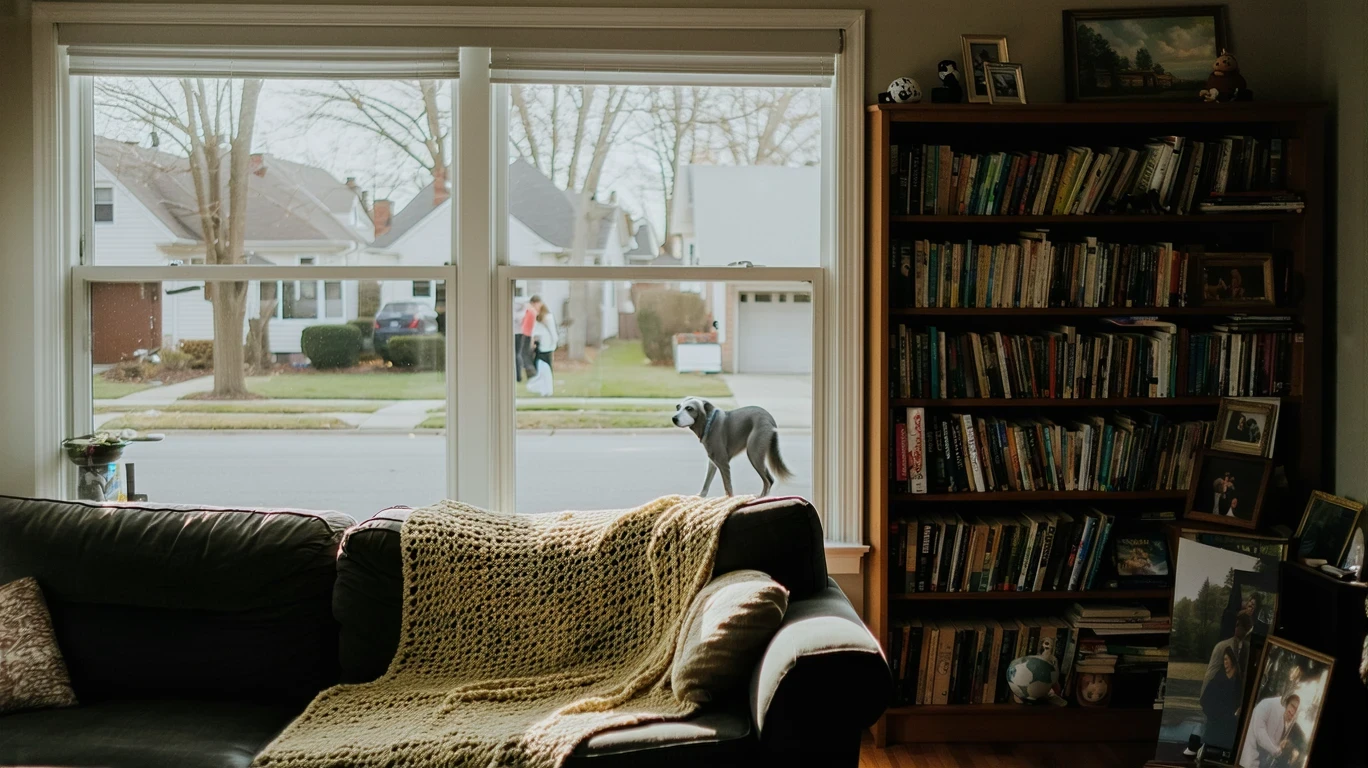
What Berwyn Feels Like: The Emotional Landscape
Berwyn tends to feel grounded and functional to people who wanted a walkable suburb with character. The pedestrian-to-road ratio here exceeds high thresholds, meaning sidewalks, crosswalks, and foot traffic aren’t afterthoughts—they’re woven into how the town works. You can loop through errands, grab groceries, pick up prescriptions, and stop at a park without getting back in the car. For families, that’s a daily win. For retirees who want to age in place without full car dependency, it’s reassuring. For younger professionals working remotely, it’s the kind of place where you can take a walk between meetings and actually see people.
But Berwyn also tends to feel stretched for people whose lives require frequent trips into Chicago or surrounding job centers. The average commute here is 30 minutes, but more than half of workers face longer hauls. Bus service is present, but there’s no rail line cutting through town. That means if you don’t drive, your options narrow quickly. And while clinics and pharmacies are accessible locally, there’s no hospital in Berwyn itself—routine care is covered, but anything urgent means travel.
The town’s building character is mixed: not fully low-rise, not vertical. You get variety in the streetscape, a blend of residential and commercial land use, and pockets that feel distinctly neighborhood-oriented. But if you were hoping for the density and spontaneity of a true urban core, Berwyn reads more like a well-kept inner-ring suburb than a city center.
Social Media Buzz in Berwyn
On platforms like Reddit, Facebook groups, and neighborhood forums, Berwyn residents tend to talk about the town in terms of tradeoffs and identity. There’s pride in the walkability, the parks, the fact that you don’t need to drive everywhere. There’s also fatigue around commutes, frustration with transit gaps, and a recurring conversation about what Berwyn is becoming as the Chicago metro continues to grow outward.
“I love that I can walk to three different grocery stores and still have a yard. That’s rare this close to the city.”
“The commute is brutal if you work downtown. I spend more time in my car than I’d like, and the bus doesn’t cut it for my schedule.”
“It’s a great place to raise kids—tons of parks, decent schools, and you actually see neighbors outside. But if you’re looking for nightlife or walkable restaurants past 9 p.m., you’ll be disappointed.”
The tone is generally protective but realistic. People who feel at home here tend to emphasize what works: the infrastructure for families, the accessibility of daily needs, the sense that you’re not isolated even if you’re not in the thick of downtown. People who feel friction tend to focus on day-to-day costs of commuting, the limits of bus-only transit, and the gap between “walkable” and “urban.”
Local News Tone
Local coverage of Berwyn tends to frame the town through themes of evolution, community debate, and infrastructure. Headlines and story angles often reflect tension between preserving neighborhood character and adapting to metro growth pressure. Here are the kinds of topics that recur:
- “Community Debates What Growth Should Look Like”
- “New Amenities Arrive as Town Identity Evolves”
- “Residents Weigh Convenience vs Quiet”
- “Parks and Family Spaces Remain Central to Local Life”
- “Commuters Seek Better Transit Options Amid Long Hauls”
The framing is rarely celebratory or alarmist—it’s more observational, reflecting a town that’s neither stagnant nor rapidly transforming. Berwyn gets covered as a place where people care about what happens next, but where change happens incrementally rather than all at once.
Review-Based Public Perception
On Google, Yelp, and Nextdoor-style platforms, Berwyn’s public perception splits along expectation lines. People who wanted a walkable, family-friendly suburb with accessible errands tend to leave positive reviews. People who expected more urban texture, shorter commutes, or rail transit tend to express disappointment—not with what Berwyn is, but with what it isn’t.
Common praise:
- Walkability and errands accessibility without needing a car for every trip
- Integrated parks and green space that feel like part of daily life
- Strong family infrastructure (schools, playgrounds, safe streets)
- Neighborhood variety and mixed-use pockets that don’t feel cookie-cutter
- Affordability relative to closer-in Chicago neighborhoods
Common complaints:
- Long commutes and lack of rail transit options
- No local hospital (clinics present, but urgent care requires travel)
- Limited nightlife, dining variety, and late-night activity
- Feeling “in-between”—not fully suburban, not fully urban
- Commute time eats into the time saved by walkable errands
Neighborhood variation tends to be framed generically: older pockets with more tree cover and established homes, newer areas with tighter lot lines and planned layouts. But the walkability and errands accessibility are broadly distributed, not concentrated in one district.
Comparison to Nearby Cities
| Dimension | Berwyn, IL | Cicero, IL | Oak Park, IL |
|---|---|---|---|
| Walkability | High ped-to-road ratio, errands accessible | Moderate, more car-dependent pockets | Very high, rail-adjacent walkable core |
| Transit Access | Bus only, no rail | Bus service, limited rail proximity | Direct L access, strong rail connectivity |
| Family Infrastructure | Strong (schools, playgrounds, parks) | Present but less integrated | Very strong, highly regarded schools |
| Commute Reality | 30-min average, 52.7% long commutes | Similar, car-dependent for many | Shorter on average, rail reduces drive time |
| Affordability | Moderate, accessible for families | More affordable, trade-off in amenities | Higher, premium for rail and walkability |
Berwyn sits between Cicero and Oak Park in terms of walkability, transit, and cost. If you need rail access and can afford the premium, Oak Park delivers stronger connectivity and shorter commutes. If you’re prioritizing affordability and can live with bus-only transit, Cicero offers a lower entry point but with less walkable infrastructure. Berwyn offers a middle path: walkable errands, strong family amenities, and integrated parks, but you’re trading rail access and commute convenience for that mix. It’s not a question of “better” or “worse”—it’s about which tradeoffs align with your daily life.
What Locals Are Saying
“We moved here from the city because we wanted a yard and walkability. Berwyn delivers on both. The parks are great, the grocery stores are close, and our kids can bike around safely. The commute is rough, but we knew that going in.”
“I work remotely, so the commute doesn’t hit me. For me, Berwyn is perfect—I can walk to coffee, grab groceries, and still have space. If I had to drive downtown every day, I’d probably feel differently.”
“It’s frustrating that there’s no L stop here. The bus works for some trips, but if you’re trying to get into the city for evening plans, it’s a hassle. I end up driving more than I thought I would.”
“The parks are honestly the best part. We’re at the playground or walking trails almost every day. It feels like the town was designed for families, and that’s exactly what we needed.”
“I wish there were more dining options and things to do at night. It’s quiet, which is fine most of the time, but sometimes it feels too quiet. You have to leave town for variety.”
“Berwyn has character. It’s not a bland suburb, and it’s not trying to be downtown. It’s its own thing, and I appreciate that. But the quality of life factors depend a lot on whether you need rail or can live with buses.”
“I’ve been here for 20 years, and it’s changed, but not in a bad way. More families, better parks, cleaner streets. The commute has always been long, but that’s the tradeoff for affordability this close to Chicago.”
Does Berwyn Feel Like a Good Fit?
Berwyn tends to work well for people who value walkable suburban infrastructure, integrated parks, and accessible daily errands without needing a car for every trip. It’s a strong fit for families who want safe streets, playgrounds, and schools within walking distance. It appeals to remote workers and retirees who can absorb the lack of rail transit because they’re not commuting daily. And it resonates with people who want housing tradeoffs that balance affordability with proximity to a major metro.
Berwyn tends to frustrate people who need short commutes, depend on rail transit, or expect the density and spontaneity of a true urban core. If your job is downtown and you’re driving or busing 30+ minutes each way, that time cost compounds quickly. If you need a hospital nearby or want late-night dining and entertainment options, Berwyn will feel limited. And if you were hoping for the kind of vertical, mixed-use urbanism that comes with taller buildings and constant foot traffic, this town reads more like a well-kept inner-ring suburb than a city center.
The vibe here isn’t about declaring happiness or unhappiness—it’s about alignment. Berwyn offers a specific mix: walkability, parks, family infrastructure, and errands accessibility, but with commute length, bus-only transit, and limited urban density as the tradeoffs. If that mix matches your daily life, Berwyn tends to feel like home. If it doesn’t, the friction shows up quickly—not because the town is broken, but because it’s optimized for a different set of priorities than yours.
How this article was built: In addition to public economic data, this article incorporates location-based experiential signals derived from anonymized geographic patterns—such as access density, walkability, and land-use mix—to reflect how day-to-day living actually feels in Berwyn, IL.
The perspectives shown reflect commonly expressed local sentiment and recurring themes in public discussion, rather than individual accounts.