
Before you sign a lease or close on a home in Belton, make sure you’ve accounted for trash pickup timing, whether water is billed separately or bundled, and how your home’s age affects heating and cooling efficiency—these overlooked details shape your monthly utility reality more than the rates themselves.
Understanding Utilities in Belton
When planning a move to Belton, it’s easy to focus on rent or mortgage payments and overlook the second-largest line item in most household budgets: utilities cost in Belton. For many families, monthly utility bills rival grocery spending and exceed transportation expenses, especially during the peak heat of summer or the coldest stretches of winter. Unlike rent, which stays fixed for a lease term, utilities fluctuate with weather, usage habits, and the efficiency of your home—making them both predictable in structure and variable in impact.
In Belton, utility costs typically include electricity, water, natural gas, trash collection, and recycling. Electricity powers lighting, appliances, and air conditioning; natural gas fuels heating systems and water heaters in many homes; water and trash are often billed together by the city or a private provider. For renters, some of these costs may be included in monthly rent, particularly in apartment complexes where water, trash, and sometimes gas are bundled into a flat fee. Single-family homeowners, by contrast, typically pay each utility separately and face greater exposure to seasonal swings.
Understanding how utilities behave in Belton helps newcomers avoid bill shock and gives current residents tools to manage costs year-round. Because Belton sits in a region with hot, humid summers and cold winters, households here experience dual-season pressure: cooling costs dominate June through August, while heating expenses rise sharply November through February. The structure of utility pricing—usage-sensitive for electricity and gas, tiered for water—means that small changes in behavior or efficiency can yield meaningful savings, but only if you know where your exposure lies.
Utilities at a Glance in Belton
The table below shows how core utility costs typically behave for a mid-size household in a single-family home in Belton. Where city-level prices are available in the data feed, they are shown directly. When exact figures are not provided, categories are described qualitatively to reflect how costs are structured and what drives variability.
| Utility | Cost Structure |
|---|---|
| Electricity | 12.95¢/kWh; usage-sensitive and seasonal |
| Water | Tiered pricing; usage-dependent |
| Natural Gas | $28.51/MCF; winter-driven, heating-dependent |
| Trash & Recycling | Often bundled with water or HOA fees |
| Total | Seasonal variability driven by electricity and heating |
This table reflects utility cost structure for a mid-size household in a single-family home in Belton during 2026. Where exact figures are not provided in the IndexYard data feed, categories are described directionally to reflect how costs behave rather than a receipt-accurate total.
Electricity is billed per kilowatt-hour in Belton, with rates around 12.95¢/kWh. Because air conditioning runs heavily during summer and electric appliances operate year-round, electricity is typically the most exposure-sensitive utility, driven more by climate and home efficiency than by base rates. Homes with older HVAC systems, poor insulation, or large square footage see the steepest seasonal swings.
Water costs in Belton are structured on tiered pricing, meaning the more you use, the higher the per-unit rate climbs. This pricing model rewards conservation and penalizes heavy irrigation or large households with high daily usage. Water bills are often bundled with trash and recycling fees, making it harder to isolate water costs alone, but the combined bill tends to be more stable month-to-month than electricity or gas.
Natural gas is priced at $28.51 per thousand cubic feet (MCF) and is primarily used for heating, water heating, and cooking in Belton homes. Gas costs are winter-driven: households with gas furnaces see sharp increases from November through February, while summer gas bills drop to near-minimum levels. Homes heated by electricity avoid this exposure but face higher electric bills in winter instead.
Trash and recycling services in Belton are typically bundled with water bills or covered by homeowners association fees in planned developments. Standalone trash service, when billed separately, is usually a flat monthly fee rather than usage-based, making it one of the most predictable utility costs. Recycling pickup is often included at no additional charge, though policies vary by provider and neighborhood.
Electricity is typically the most exposure-sensitive utility in Belton, driven more by climate and home efficiency than by base rates.
How Weather Impacts Utilities in Belton
Belton’s location in the Kansas City metro area subjects households to a continental climate with pronounced seasonal extremes. Summers bring extended heat and high humidity, often pushing daytime temperatures into the 90s and creating relentless demand for air conditioning. Many Belton households experience noticeably higher electric bills during peak summer compared to spring, as cooling systems run continuously to manage both heat and indoor humidity levels. Homes with south- or west-facing windows, minimal shade, or older AC units face the steepest increases.
Winter in Belton brings cold snaps and occasional ice storms, driving up natural gas consumption for households with gas furnaces. Heating costs rise sharply in December, January, and February, particularly during stretches of below-freezing weather. Homes with electric heat pumps or baseboard heaters see the same seasonal pressure reflected in their electric bills instead. Unlike summer cooling, which is universal, winter heating exposure varies significantly based on the home’s insulation quality, age, and heating system efficiency.
Spring and fall offer the most predictable utility costs in Belton, with moderate temperatures reducing both cooling and heating demand. These shoulder seasons are when households can most clearly see their baseline utility usage—the cost of lighting, appliances, water heating, and refrigeration without the amplification of climate control. Understanding this baseline helps residents identify how much of their peak-season bills are driven by weather versus inefficiency or usage habits they can control.
How to Save on Utilities in Belton
Reducing utility costs in Belton starts with understanding where your household’s exposure lies. For most single-family homes, electricity and natural gas are the dominant variables, and both respond to efficiency upgrades and behavioral adjustments. Because Belton experiences dual-season pressure—cooling in summer, heating in winter—strategies that address both ends of the temperature spectrum yield the most consistent savings. The goal is not to eliminate utility costs but to reduce volatility and regain control over monthly swings.
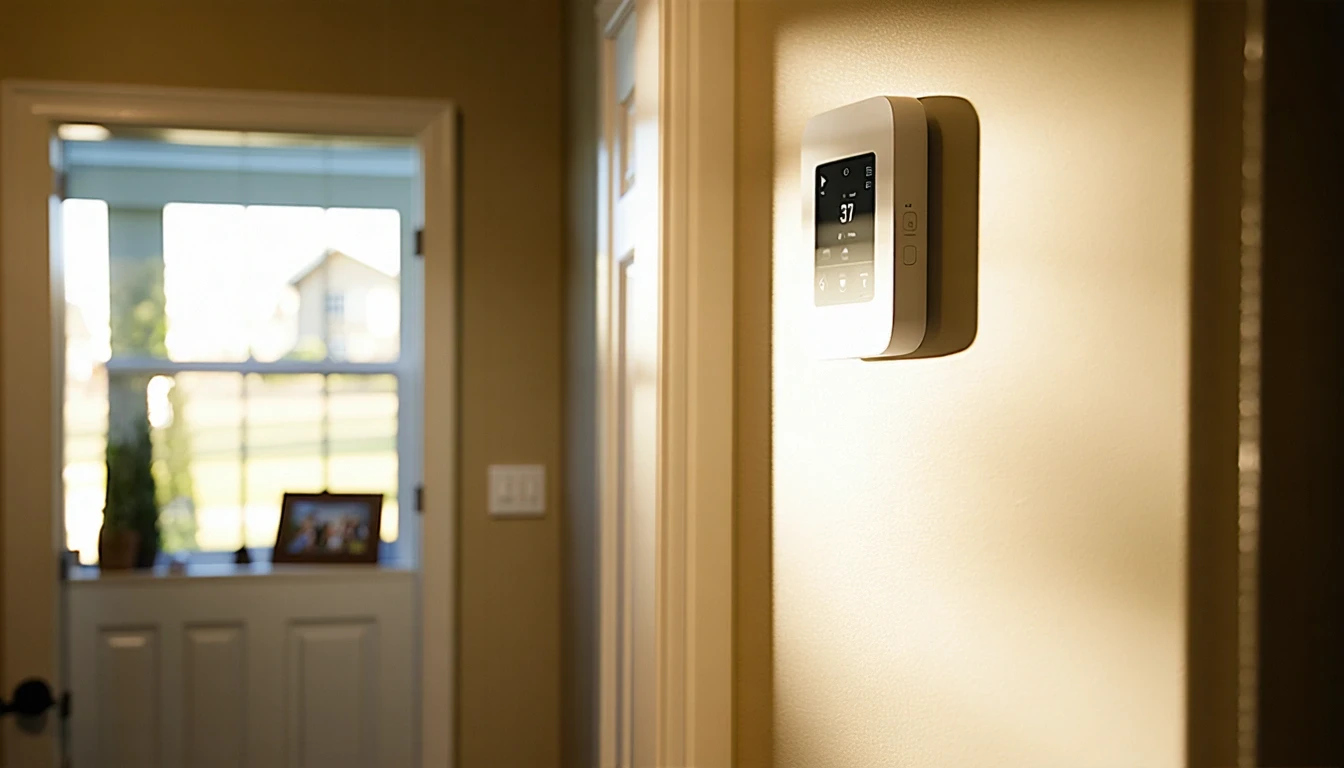
Smart thermostats are one of the most effective tools for managing heating and cooling costs. These devices learn your schedule, adjust temperatures automatically when you’re away, and provide usage data that helps you identify waste. Programmable settings allow you to pre-cool or pre-heat your home during off-peak hours if your provider offers time-of-use rates. Pairing a smart thermostat with regular HVAC maintenance—filter changes, duct sealing, and annual tune-ups—keeps systems running efficiently and prevents small problems from becoming expensive failures.
Insulation and air sealing are less visible but often more impactful than appliance upgrades. Homes in Belton with older construction may have gaps around windows, doors, and attic access points that allow conditioned air to escape. Sealing these leaks and adding insulation in attics and crawl spaces reduces the workload on heating and cooling systems, lowering both electricity and gas usage. Shade trees planted on the south and west sides of a home can reduce cooling costs by blocking afternoon sun, while weatherstripping and storm windows help retain heat in winter.
- Enroll in budget billing or equalized payment plans to smooth out seasonal swings and avoid bill shock during peak months.
- Check for utility provider rebates on energy-efficient appliances, including HVAC systems, water heaters, and refrigerators.
- Install low-flow showerheads and faucet aerators to reduce water usage without sacrificing pressure, particularly in tiered pricing systems.
- Use ceiling fans to circulate air in summer, allowing you to raise the thermostat a few degrees without losing comfort.
- Run dishwashers and laundry machines during off-peak hours if your provider offers time-of-use rates.
- Consider solar panels if your home has good southern exposure; federal tax credits and state incentives can reduce upfront costs.
- Audit your home’s energy usage through your utility provider’s online portal or a third-party energy audit to identify hidden waste.
🏆 Tip: Check if your provider in Belton offers rebates for energy-efficient AC units or heating systems. Many utilities provide incentives for upgrading to high-efficiency equipment, and these programs can offset a significant portion of the upfront cost while lowering your monthly bills for years to come.
FAQs About Utility Costs in Belton
Why are utility bills so high in Belton during summer and winter? Belton’s climate creates dual-season pressure: hot, humid summers drive up air conditioning costs, while cold winters increase heating expenses. Homes with older HVAC systems, poor insulation, or large square footage face the steepest seasonal swings, as these factors amplify the workload on heating and cooling equipment.
Do HOAs in Belton usually include trash or water in their fees? In many planned developments and townhome communities in Belton, homeowners association fees cover trash collection, recycling, and sometimes water or sewer service. Single-family homes outside HOA-managed neighborhoods typically pay these utilities separately, either directly to the city or through a private provider.
How does seasonal weather affect monthly utility bills in Belton? Summer heat and winter cold create the highest utility costs in Belton, with electricity peaking June through August for cooling and natural gas rising November through February for heating. Spring and fall offer the most predictable bills, as moderate temperatures reduce climate control demand and reveal baseline usage for appliances, lighting, and water heating.
Do utility providers in Belton offer budget billing or equalized payment plans? Many providers in the Kansas City metro area, including those serving Belton, offer budget billing programs that average your annual utility costs into equal monthly payments. This smooths out seasonal spikes and helps households avoid bill shock during peak summer and winter months, though you’ll still pay the full annual amount over time.
What is the average winter heating cost in Belton for a single-family home? Winter heating costs in Belton depend heavily on the home’s size, insulation quality, and heating system type. Homes with natural gas furnaces see the sharpest increases in gas bills from November through February, while homes with electric heat pumps or baseboards experience similar pressure reflected in their electricity usage instead.
How Utilities Fit Into the Cost Structure in Belton
Utilities in Belton function as a volatility factor rather than a fixed expense. Unlike rent or a mortgage payment, which remains constant month to month, utility costs swing with the seasons, usage habits, and the efficiency of your home. Electricity and natural gas dominate this variability, with summer cooling and winter heating creating predictable but significant peaks. Water and trash costs, by contrast, tend to be more stable, particularly when bundled together or covered by HOA fees. Understanding this structure helps households anticipate when bills will rise and where they have the most control.
For single-family homeowners in Belton, utilities represent a meaningful share of what a budget has to handle, particularly during extreme weather months. Renters in apartments with utilities included face less direct exposure but may pay higher base rent to compensate. Either way, the key is recognizing that utility costs are not purely a function of rates—they’re shaped by housing stock, climate, and household behavior. Belton’s predominantly low-rise, single-family housing character means most residents are individually metered and directly exposed to seasonal swings, making efficiency upgrades and usage awareness more impactful than in denser, multi-family settings.
Utilities also interact with other cost categories in ways that aren’t always obvious. Homes with high cooling costs in summer may see lower transportation expenses if residents stay home more to avoid the heat. Conversely, households that invest in energy efficiency—better insulation, smart thermostats, high-efficiency HVAC—often see long-term reductions in both utility bills and maintenance costs. For a fuller picture of how utilities fit alongside housing, transportation, and groceries in Belton’s overall cost structure, exploring the broader affordability landscape helps clarify where your household’s money goes and where you have the most leverage to reduce pressure.
How this article was built: In addition to public economic data, this article incorporates location-based experiential signals derived from anonymized geographic patterns—such as access density, walkability, and land-use mix—to reflect how day-to-day living actually feels in Belton, MO.
—