
‘We moved to Belton for the schools, but stayed for the neighbors.’
That sentiment captures something essential about life in Belton, MO—a small city south of Kansas City that offers suburban affordability and proximity to metro amenities without the intensity of city living. But like any place, Belton comes with tradeoffs. Some residents love the quiet predictability and home values; others feel restless with limited walkability, sparse family amenities, and a dining scene that sends them north for variety. Understanding whether Belton feels like “home” or “compromise” depends less on whether it’s objectively “good” and more on what you need from a place day-to-day.
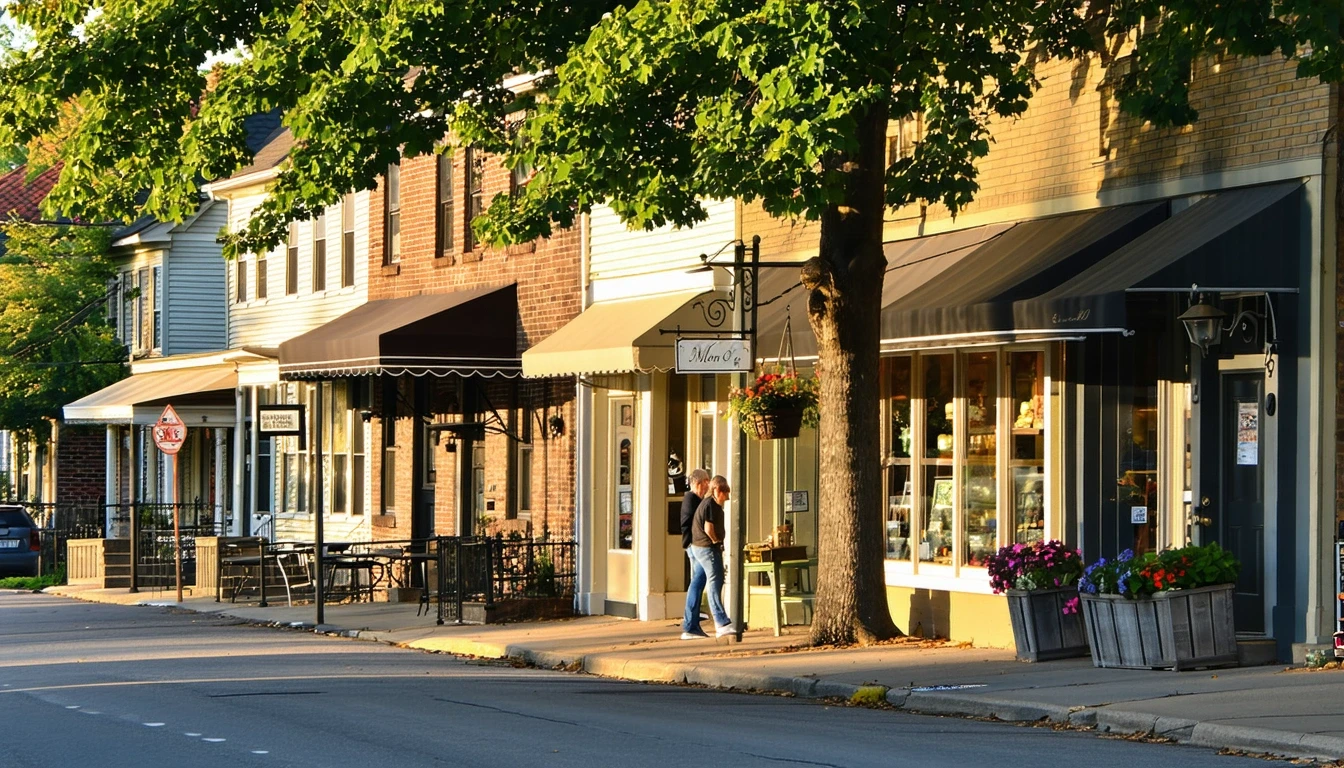
The Emotional Landscape of Belton
Belton sits in that sweet spot many suburban communities occupy: close enough to a major metro to feel connected, far enough to avoid the expense and congestion. For families and commuters seeking affordability, safety, and a slower pace, Belton tends to deliver. Homes here cost significantly less than in many Kansas City neighborhoods, and the low-rise, mixed-use character creates pockets of walkability without urban density.
But that same suburban structure creates friction for households seeking texture. While some areas support walking and errands are clustered along key corridors, the overall infrastructure leans car-dependent. Family amenities like schools and playgrounds fall below density thresholds, and healthcare access is limited to clinics—no hospital presence. For people who value convenience, Belton works. For those who want spontaneity, variety, or deep community infrastructure, it can feel thin.
The recurring emotional theme is tradeoff clarity: people who come to Belton knowing what they’re getting tend to feel satisfied. People who arrive expecting urban amenities in a suburban price point tend to feel disappointed.
What People Are Talking About Online
Public discussion in Belton—across local Facebook groups, neighborhood forums, and regional subreddits—tends to center on a few recurring themes: affordability, growth, proximity to Kansas City, and the tension between small-town identity and suburban expansion.
“It’s affordable, it’s safe, and you’re 20 minutes from everything in KC. That’s the whole pitch, and it works for us.”
That perspective shows up frequently from families and commuters who view Belton as a launchpad rather than a destination. The city’s role as a bedroom community is well understood, and many residents embrace it. But there’s also a thread of frustration:
“If you want to do anything besides go to Walmart or chain restaurants, you’re driving to Kansas City. It gets old.”
The conversation around growth is particularly charged. Newer developments bring amenities and retail, but long-time residents worry about losing the small-town feel. There’s pride in Belton’s history and a protective instinct around what made it appealing in the first place. At the same time, younger families and newcomers push for more parks, better dining, and walkable infrastructure.
“We love that it’s quiet, but we wish there was more to do locally. It feels like we’re always leaving town for fun.”
The tone isn’t angry—it’s wistful. People appreciate what Belton offers but recognize what it doesn’t.
How Local Coverage Frames the City
Local news and community coverage in Belton tends to focus on growth, infrastructure, and identity questions. Headlines and story themes reflect a city in transition—balancing development with preservation, welcoming newcomers while honoring legacy residents. Common topic buckets include:
- “New Retail and Dining Options Arrive Along Main Corridors”
- “Community Debates What Growth Should Look Like”
- “Residents Weigh Convenience vs Quiet”
- “School District Faces Enrollment and Funding Questions”
- “Belton’s Small-Town Identity Evolves Amid Suburban Expansion”
The framing is rarely celebratory or critical—it’s observational. Coverage tends to acknowledge that change is happening and that residents have mixed feelings about it. There’s an underlying question in much of the discussion: What kind of place does Belton want to be?
That question matters because it reflects real household decisions. Families moving in now are entering a city that’s still figuring out its next chapter, and that uncertainty can feel exciting or unsettling depending on what you value.
Review-Based Sentiment: What Residents Praise and Critique
Public reviews—on Google, Yelp, Nextdoor, and similar platforms—reveal a pattern: people who wanted suburban comfort tend to feel satisfied, while those who expected urban texture or robust amenities tend to feel let down.
Common praise:
- Affordable housing compared to Kansas City proper
- Safe, quiet neighborhoods with a small-town feel
- Proximity to metro jobs and amenities without city congestion
- Friendly neighbors and a slower pace of life
Common critiques:
- Limited local dining and entertainment options
- Car dependency for most errands and activities
- Sparse family infrastructure (fewer parks, playgrounds, and schools than expected)
- Healthcare access limited to clinics; no hospital presence
- Feeling like a “pass-through” city rather than a destination
Neighborhood variation exists but is often framed generically: newer planned areas offer modern amenities and HOA-managed landscaping, while older pockets retain more character and larger lots. Neither is universally preferred—it depends on whether you prioritize convenience or individuality.
The most revealing reviews come from people who moved to Belton expecting it to function like a smaller Kansas City neighborhood. They describe frustration with limited walkability, sparse cultural offerings, and a sense that “everything requires a drive.” Meanwhile, residents who came seeking suburban predictability describe relief: this is exactly what we wanted.
How Belton Compares to Nearby Cities
| Dimension | Belton | Raymore | Grandview |
|---|---|---|---|
| Overall Vibe | Quiet suburban comfort with KC proximity | Family-focused with newer development energy | Working-class suburb with urban edge |
| Walkability | Pockets of walkability, mostly car-dependent | Limited; newer subdivisions prioritize driving | More mixed-use corridors, slightly more walkable |
| Dining & Entertainment | Chain-heavy, limited local variety | Growing retail, still developing local flavor | More independent options, closer to KC density |
| Family Infrastructure | Below density thresholds, gaps in parks and schools | Stronger family amenities, newer facilities | Moderate infrastructure, older but functional |
| Affordability | Strong value for housing, lower cost of living | Slightly higher prices, newer construction premium | Comparable affordability, older housing stock |
Belton, Raymore, and Grandview all serve the southern Kansas City metro, but they attract slightly different households. Raymore skews newer and more family-focused, with stronger infrastructure but higher costs. Grandview offers more urban texture and proximity to Kansas City proper, appealing to households who want a bit more grit and convenience. Belton sits in the middle: affordable, quiet, and functional, but without the polish of Raymore or the connectivity of Grandview.
If you prioritize home value and a slower pace, Belton tends to win. If you need robust family amenities or walkable texture, Raymore or Grandview might feel more complete. None of these cities is objectively “better”—they’re solving for different household priorities.
Voices from the Community
“We bought in Belton because we could afford a bigger house and still get to work in 30 minutes. It’s not fancy, but it works for us.”
— Young family, moved from Kansas City
“I love the quiet and the neighbors, but I wish there was more to do locally. We end up driving to Lee’s Summit or Kansas City most weekends.”
— Parent of two, longtime resident
“Belton feels safe and stable. That’s what we wanted after years in the city. We don’t need nightlife anymore.”
— Retiree, relocated from urban neighborhood
“It’s fine if you have a car and don’t mind driving everywhere. If you’re used to walking to coffee or dinner, you’ll feel isolated.”
— Remote worker, moved from walkable metro area
“The schools are okay, but we expected more parks and activities for kids. It feels like we’re always driving to Raymore or Lee’s Summit for that stuff.”
— Parent of young children
“Honestly, Belton is exactly what it looks like: a quiet suburb with good value. If that’s what you want, you’ll be happy. If you want more, you’ll be frustrated.”
— Newcomer, moved for work
“I grew up here, and it’s changed a lot. Some of it’s good—more stores, more options. But it’s losing that small-town feel we used to have.”
— Long-time local
Does Belton Feel Like a Good Fit?
Belton doesn’t try to be everything to everyone, and that clarity is part of its appeal. It works beautifully for families and commuters who value affordability, safety, and proximity to Kansas City without the expense or intensity of urban living. It offers housing tradeoffs that favor home value over walkability, and a lifestyle that rewards people who are comfortable driving for variety.
But it’s not a fit for everyone. Households seeking robust family infrastructure, walkable neighborhoods, or vibrant local culture will likely feel the gaps. The limited healthcare access, sparse dining scene, and car-dependent structure create friction for people who prioritize convenience and spontaneity.
The emotional profile of Belton is one of tradeoff acceptance. People who move here knowing what they’re getting—and what they’re giving up—tend to feel satisfied. People who arrive expecting suburban amenities with urban texture tend to feel let down.
If you’re considering Belton, the question isn’t “Is it happy?” but “Does it match what I need?” If you want a quiet, affordable base near Kansas City and you’re comfortable driving for variety, Belton will likely feel like home. If you need walkability, density, or deep community infrastructure, you’ll probably feel restless.
For a clearer sense of where money goes day-to-day, or to explore what ‘enough’ actually means in Belton, those resources can help you move from emotional intuition to practical planning.
How this article was built: In addition to public economic data, this article incorporates location-based experiential signals derived from anonymized geographic patterns—such as access density, walkability, and land-use mix—to reflect how day-to-day living actually feels in Belton, MO.
The perspectives shown reflect commonly expressed local sentiment and recurring themes in public discussion, rather than individual accounts.