
It’s Sunday evening in Belton, and you’re planning meals for the week. You’ve got a handwritten list on the counter—chicken, rice, eggs, cheese, maybe ground beef if it’s on sale—and you’re mentally tallying what it’ll cost before you even leave the house. That quiet arithmetic happens in kitchens across the city every week, and it’s shaped by more than just the prices on the shelf. It’s influenced by which store you choose, how far you’re willing to drive for a better deal, and whether your household can absorb a $10 swing in the weekly total without rethinking dinner plans.
Grocery costs in Belton sit within a broader cost structure that tilts slightly below the national average, thanks to a regional price parity index of 93. That means the same basket of goods that costs $100 nationally tends to run closer to $93 here—a modest but real cushion. But that advantage doesn’t distribute evenly. Families buying in volume feel it more than singles. Households near commercial corridors have more store options and can chase sales; those farther out may trade convenience for price. And because food and grocery options in Belton are concentrated along specific corridors rather than spread evenly across neighborhoods, where you live and where you shop become part of the cost equation.
For a household earning Belton’s median income of $68,030 per year, groceries represent one of the few cost categories where behavior and choice still matter. Housing and utilities are largely fixed once you’ve signed a lease or closed on a home. But groceries? You can shift stores, adjust brands, buy in bulk, or cook differently—and those decisions show up in your monthly balance. That’s why understanding how grocery prices feel here, and what drives the pressure, matters just as much as knowing the price of a gallon of milk.
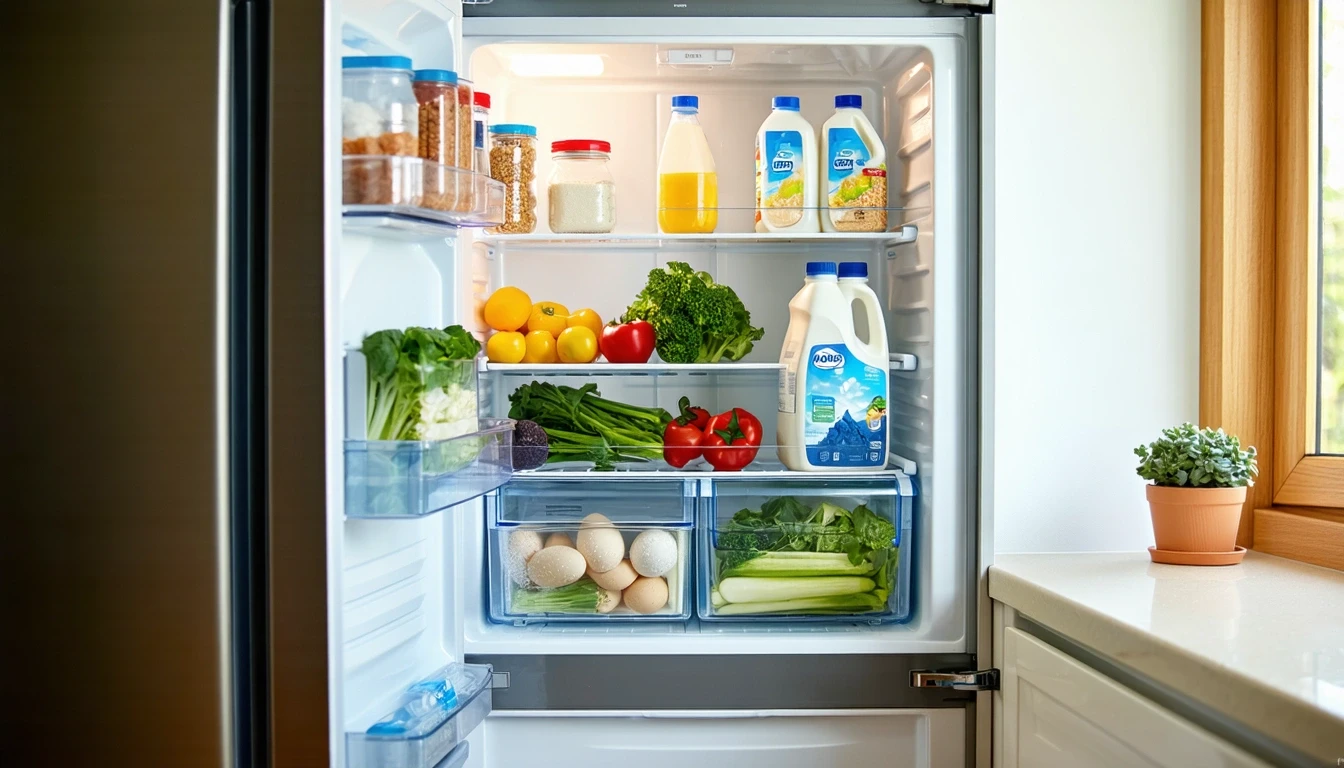
Grocery Price Signals in Belton
Staple grocery items in Belton reflect the city’s below-average regional cost structure, though individual prices vary by store tier and weekly promotions. The figures below illustrate how common items tend to compare locally—they’re not a complete shopping list, and they don’t represent a single store or a single week. They’re reference points that help explain why grocery costs feel the way they do here.
| Item | Illustrative Price |
|---|---|
| Bread (per pound) | $1.66/lb |
| Cheese (per pound) | $4.39/lb |
| Chicken (per pound) | $1.90/lb |
| Eggs (per dozen) | $2.66/dozen |
| Ground beef (per pound) | $6.08/lb |
| Milk (per half-gallon) | $3.72/half-gallon |
| Rice (per pound) | $0.99/lb |
Note: Derived estimate based on national baseline adjusted by regional price parity; not an observed local price.
These prices cluster in a range that feels manageable for middle-income households but still demands attention. A family of four buying chicken, ground beef, eggs, and cheese every week will notice the difference between discount and mid-tier stores—sometimes $8 to $12 per trip. Over a month, that’s $30 to $50, which is enough to matter when you’re also managing rent, utilities, and transportation. Singles and younger professionals, meanwhile, may spend less in absolute terms but feel grocery costs more acutely as a percentage of take-home pay, especially if they’re renting and don’t have much cushion left after housing.
The key insight here isn’t that any single item is expensive or cheap—it’s that small per-unit differences compound quickly when you’re feeding multiple people or shopping frequently. A $0.50 difference in the price of chicken doesn’t sound like much until you’re buying it twice a week. A $1 swing in cheese prices becomes $4 a month if you’re a regular buyer. That’s the texture of grocery cost pressure in Belton: not dramatic, but persistent, and sensitive to the choices you make about where and how you shop.
Store Choice and Price Sensitivity
Grocery cost pressure in Belton varies significantly by store tier, and understanding that variation is more useful than fixating on a single “average” price. At the discount tier—think Aldi-style or regional budget grocers—you’ll find the lowest per-item prices, often 10% to 20% below mid-tier chains. These stores keep costs down by limiting selection, using private labels, and streamlining operations. For families buying in volume or households on tight budgets, discount stores are the most reliable way to control food spending without sacrificing nutrition.
Mid-tier stores—regional chains like Hy-Vee or Price Chopper—offer broader selection, more name brands, and services like in-store bakeries or delis. Prices run higher than discount stores but still feel reasonable for most middle-income households. These stores are where many Belton residents do their primary shopping, especially if they value convenience, variety, or the ability to handle all errands in one trip. The tradeoff is clear: you pay a bit more per item, but you save time and gain flexibility.
Premium or specialty grocers—natural food markets, organic-focused stores, or boutique shops—charge the highest prices, sometimes 30% to 50% above discount tiers for comparable items. These stores cater to households prioritizing organic, local, or specialty products, and they’re less about cost control than about values alignment or dietary preferences. For most Belton households, premium stores are a supplement, not a primary source—used for specific items rather than weekly staples.
Because food and grocery options in Belton are concentrated along corridors rather than evenly distributed, proximity to store clusters matters. Households near commercial strips can easily compare prices across tiers and shift stores based on sales or needs. Those farther from these corridors may default to the nearest option, even if it’s pricier, because the time and gas cost of driving across town erodes any per-item savings. This dynamic means grocery cost pressure isn’t just about prices—it’s also about access, convenience, and the friction involved in chasing deals.
What Drives Grocery Pressure in Belton
Grocery cost pressure in Belton is shaped by the interaction between regional pricing, household income, and shopping behavior. With a median household income of $68,030, most families have enough margin to absorb typical grocery costs without severe strain, but there’s not a lot of slack. A household spending $600 to $800 per month on groceries is allocating roughly 10% to 14% of gross income to food at home—manageable, but not trivial. Any upward drift in prices, or a shift in household size (a new baby, an aging parent moving in), tightens that margin quickly.
Household size is the single biggest amplifier of grocery cost sensitivity. A single person or couple can keep food spending low by cooking in small batches, minimizing waste, and shopping flexibly. A family with two or three kids, on the other hand, is buying in volume every week, and small per-item price differences scale up fast. A $0.30 increase in the price of milk might mean an extra $1.20 per month for a single person; for a family going through two gallons a week, it’s $2.40 per week, or nearly $10 per month. That’s the math that makes store choice and price awareness non-negotiable for larger households.
Regional distribution patterns also matter. Belton’s corridor-clustered grocery accessibility means that some neighborhoods have multiple store options within a few minutes’ drive, while others are farther from commercial centers. Households in the latter group face a choice: drive farther to access discount stores and save on per-item costs, or shop closer to home and accept higher prices in exchange for convenience. For working parents or households juggling multiple errands, convenience often wins—even when it costs more.
Seasonal variability plays a quieter role. Produce prices shift with growing seasons, and certain proteins (turkey, ham) spike around holidays. These fluctuations are predictable but still require adjustment. Households that can plan meals around what’s in season or on sale gain an edge; those with rigid meal routines or picky eaters have less flexibility and feel price swings more acutely.
Practical Ways People Manage Grocery Costs
Belton households manage grocery costs through a mix of strategic shopping and behavioral adjustments, most of which focus on reducing waste and maximizing value rather than chasing extreme frugality. One of the most effective levers is store rotation—shopping discount stores for staples like rice, beans, canned goods, and dairy, then supplementing with mid-tier stores for fresh produce, meat, or specialty items. This approach captures the savings of discount pricing without sacrificing variety or quality where it matters most.
Buying in bulk works well for non-perishables and freezer-friendly items, especially for families. A 10-pound bag of rice or a family pack of chicken thighs costs more upfront but lowers the per-unit price significantly. The catch is storage: you need freezer space and the discipline to use what you buy before it spoils. For singles or couples in smaller apartments, bulk buying often doesn’t pencil out—the savings get eaten by waste.
Meal planning is another high-impact strategy. Households that plan meals around what’s on sale, or around ingredients that overlap across multiple dishes, reduce both spending and waste. Cooking larger batches and freezing portions spreads the effort across multiple meals and smooths out weekly grocery costs. It’s not glamorous, but it’s one of the few cost-control levers that doesn’t require driving farther or sacrificing quality.
Private-label brands offer consistent savings—often 15% to 25% below name brands for comparable quality. Most mid-tier and discount stores stock private-label versions of staples like pasta, canned tomatoes, cereal, and snacks. Switching even half your cart to store brands can shave $20 to $40 off a monthly grocery bill without changing what you eat.
Finally, reducing food waste has a direct impact on effective grocery costs. Households that use leftovers intentionally, store produce properly, and freeze surplus ingredients stretch their grocery dollars further without spending less upfront. It’s less about deprivation and more about discipline—treating food as a resource rather than an afterthought.
Groceries vs Eating Out
The tradeoff between cooking at home and eating out is one of the most visible cost decisions households make, and it’s shaped as much by time and energy as by price. Cooking at home is almost always cheaper per meal, but it requires planning, shopping, prep time, and cleanup—costs that don’t show up on a receipt but still matter when you’re working full-time or managing kids’ schedules.
For Belton households, eating out occasionally is common and often necessary. A family dinner at a mid-tier restaurant might run $50 to $70; the same meal cooked at home might cost $15 to $25 in ingredients. The gap is significant, but so is the convenience. The key is frequency: eating out once or twice a week is manageable for most middle-income households; three or four times a week starts to crowd out other budget priorities.
Fast-casual and quick-service restaurants occupy a middle ground—cheaper than sit-down dining but still more expensive than cooking. A $10-per-person meal feels reasonable in the moment, but if it’s happening multiple times a week, it adds up to $200 to $300 per month for a household of three or four. That’s money that could otherwise go toward groceries, which would yield more meals and more control over nutrition.
The real tension isn’t between cooking and dining out—it’s between convenience and cost control. Households that batch-cook on weekends or keep a rotation of simple, fast meals (pasta, stir-fry, tacos) can reduce the temptation to eat out without adding much time to weeknights. Those without that structure, or without the energy to maintain it, end up spending more on food overall—not because they’re careless, but because the friction of cooking feels higher than the cost of eating out.
FAQs About Grocery Costs in Belton (2026)
Is it cheaper to shop in bulk in Belton? Buying in bulk lowers per-unit costs for non-perishables and freezer-friendly items, especially for families. The savings are real, but they require upfront cash, storage space, and discipline to use what you buy before it spoils.
Which stores in Belton are best for low prices? Discount-tier grocers consistently offer the lowest per-item prices, often 10% to 20% below mid-tier chains. Mid-tier stores provide broader selection and convenience but at a modest premium. Store choice matters more here because options are concentrated along corridors rather than evenly distributed.
How much more do organic items cost in Belton? Organic and specialty products typically run 30% to 50% above conventional equivalents, depending on the item and store. Most households treat organic as a supplement rather than a staple, buying selectively for specific dietary preferences or values rather than across the board.
How do grocery costs for households in Belton compare to nearby cities? Belton’s regional price parity of 93 suggests grocery costs run modestly below the national average, and likely similar to or slightly below other Kansas City metro suburbs. The bigger driver of cost differences is store choice and shopping behavior rather than city-to-city price variation.
How do Belton households think about grocery spending when cooking at home? Most middle-income households view groceries as one of the few cost categories where behavior still matters—store choice, meal planning, and waste reduction all influence the monthly total. Cooking at home is almost always cheaper than eating out, but it requires time and discipline, which means the tradeoff is as much about convenience as cost.
Do grocery costs in Belton vary by season? Produce prices shift with growing seasons, and certain proteins spike around holidays. These fluctuations are predictable but still require adjustment. Households that plan meals around what’s in season or on sale gain an edge; those with rigid routines feel price swings more acutely.
How does household size affect grocery cost pressure in Belton? Larger households amplify small per-item price differences because they’re buying in volume every week. A $0.30 increase in milk prices might cost a single person an extra dollar per month; for a family of four, it’s closer to $10. That’s why store choice and price awareness become non-negotiable as household size grows.
How Groceries Fit Into the Cost of Living in Belton
Groceries sit in the middle of Belton’s cost structure—less dominant than housing, more flexible than utilities, and more sensitive to behavior than transportation. For a household earning the median income of $68,030, food spending is one of the few categories where active management still yields results. You can’t negotiate your rent down by 10%, and you can’t skip heating in January, but you can shift stores, adjust brands, cook differently, and reduce waste—and those choices show up in your monthly balance.
That said, groceries are just one piece of a larger financial picture. What a budget has to handle in Belton includes housing, utilities, transportation, insurance, and discretionary spending, all of which interact in ways that aren’t always obvious. A household that saves $50 per month on groceries by shopping discount stores might spend that savings on gas if those stores are farther from home. A family that eats out less to control food costs might find they have more margin for an emergency car repair or a higher utility bill in summer.
The key is understanding where grocery costs fit relative to your other obligations and where you have the most control. For families with kids, groceries are a high-frequency, high-visibility cost that demands attention. For singles or couples, groceries may feel less urgent than housing or transportation but still represent a meaningful share of discretionary income. And for retirees or fixed-income households, groceries are one of the few costs that can be adjusted month-to-month without disrupting stability.
If you’re planning a move to Belton or trying to understand how your budget will stretch here, start with the big fixed costs—housing and transportation—and then layer in groceries as a variable you can influence. The city’s below-average regional price parity gives you a modest tailwind, but the real advantage comes from knowing which stores to use, how to plan meals around sales, and how to reduce waste without sacrificing nutrition or variety. That’s the difference between groceries feeling like a burden and groceries feeling manageable.
How this article was built: In addition to public economic data, this article incorporates location-based experiential signals derived from anonymized geographic patterns—such as access density, walkability, and land-use mix—to reflect how day-to-day living actually feels in Belton, MO.