
Belleville, IL vs. Collinsville, IL: Cost of Living Comparison (2025)
Belleville: Historic county seat, 42,000 residents, established neighborhoods, downtown square. Collinsville: Gateway City suburb, 25,000 residents, newer development, horseradish capital. Distance: 8 miles apart. Commute to downtown St. Louis: Both under 25 minutes. Median home price difference: Approximately $15,000–$25,000. The question: Which Metro East city delivers better value in 2025?
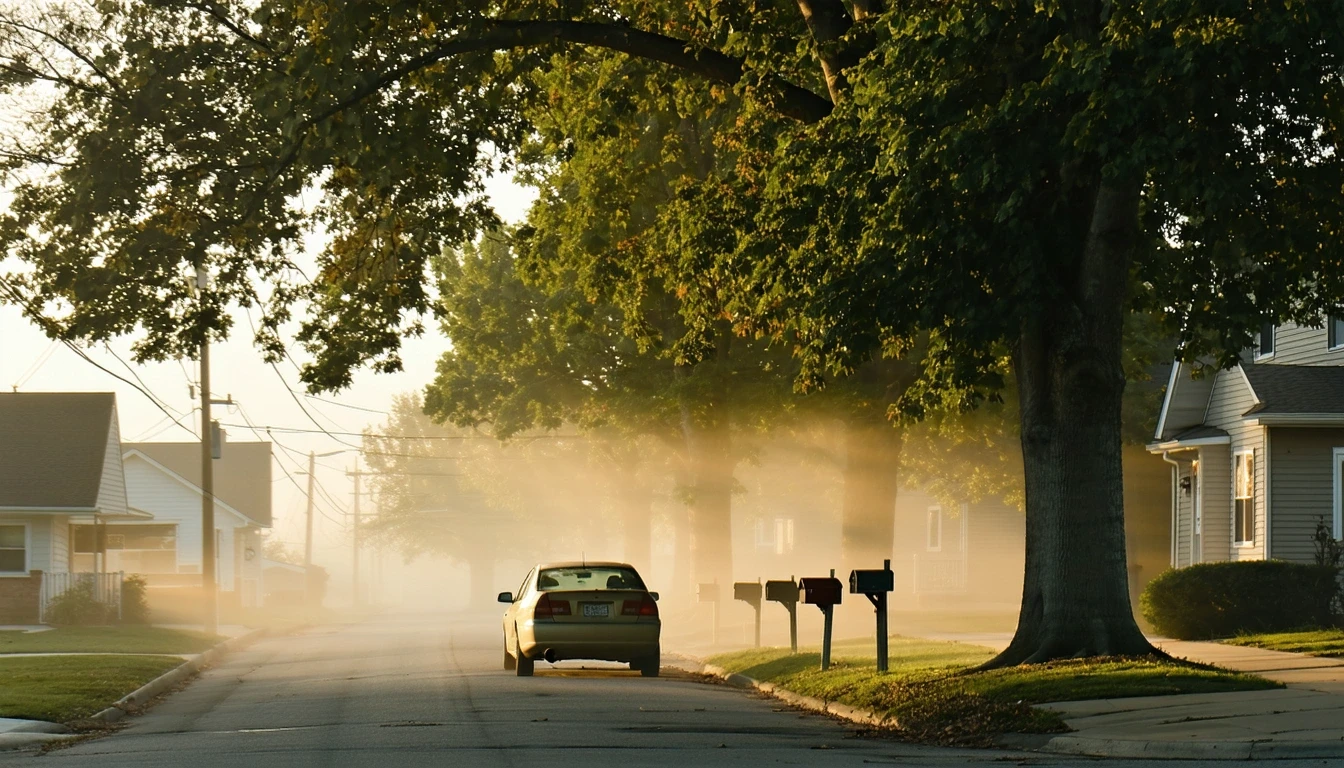
Both Belleville and Collinsville anchor Illinois’s Metro East region, offering affordable alternatives to St. Louis County living with quick interstate access and established community infrastructure. Belleville brings the gravitas of a county seat—St. Clair County government offices, a historic downtown square, Scott Air Force Base proximity, and mature tree-lined streets that date back generations. Collinsville counters with newer housing stock, a tighter-knit small-town feel, and the iconic Cahokia Mounds World Heritage Site just minutes away. For families weighing school districts, young professionals calculating commute costs, or retirees seeking walkable downtowns, the cost of living gap between these two cities can mean hundreds of dollars monthly—and fundamentally different lifestyle experiences.
This comparison dissects 2025 housing markets, utility expenses, grocery pricing, tax burdens, and day-to-day costs to show you exactly where your dollar stretches further. Whether you’re drawn to Belleville’s established character or Collinsville’s newer construction and smaller scale, understanding these financial trade-offs will clarify which city aligns with your budget and long-term goals.
Housing Costs
Housing represents the steepest cost differential between these two cities. Belleville’s median home price in early 2025 hovers around $165,000, reflecting a mix of post-war bungalows, 1970s ranch homes, and newer subdivisions on the city’s western edge near Green Mount Road. Collinsville’s median sits closer to $185,000, buoyed by a higher proportion of homes built after 2000 and desirable school district boundaries. Rental inventory in Belleville is deeper—apartments near Memorial Hospital and downtown conversions offer two-bedroom units typically ranging from $850 to $1,050 monthly, while Collinsville’s smaller rental pool pushes comparable units toward $950–$1,150, particularly in complexes along Vandalia Street and near the Schnucks shopping corridor.
Neighborhood nuances matter significantly. Belleville’s West End and Southwestern Illinois College area feature affordable starter homes under $140,000, but older housing stock means potential maintenance costs. Collinsville’s newer subdivisions off Hartman Lane and near Willoughby Farm Road command premiums—three-bedroom homes routinely list between $210,000 and $250,000—but deliver modern HVAC systems, better insulation, and lower immediate repair needs. For renters, Belleville’s proximity to multiple employers (Scott Air Force Base, Memorial Hospital, county offices) sustains steady turnover and competitive pricing, while Collinsville’s limited apartment construction since 2015 keeps vacancy rates low and landlords less flexible on concessions.
Ownership trends also diverge: Belleville’s homeownership rate sits near 62%, with a substantial renter population supporting the base and hospital. Collinsville pushes closer to 70% owner-occupied, reflecting its appeal to families seeking long-term stability and newer construction. First-time buyers often find Belleville’s entry point more accessible, while move-up buyers prioritize Collinsville’s newer inventory and perceived school quality. Both markets have seen modest appreciation—3% to 5% annually—but Belleville’s lower baseline means smaller absolute gains, while Collinsville’s higher prices compound those percentages into larger equity builds over time.
| Housing Type | Belleville | Collinsville |
|---|---|---|
| 2-Bedroom Apartment (Rent) | $850–$1,050 | $950–$1,150 |
| 3-Bedroom Home (Rent) | $1,200–$1,500 | $1,350–$1,650 |
| Median Home Price | ~$165,000 | ~$185,000 |
| Starter Home (2BR/1BA) | $120,000–$145,000 | $140,000–$165,000 |
| Move-Up Home (4BR/2.5BA) | $190,000–$230,000 | $220,000–$270,000 |
For young professionals and single renters, Belleville’s lower rent floor and greater apartment variety provide immediate savings—$100 to $150 monthly on comparable units—and shorter lease commitments near employment hubs. Families prioritizing newer construction, lower maintenance risk, and perceived school reputation will find Collinsville’s premium justified, particularly if planning to stay five-plus years and build equity. The $20,000 median home price gap translates to roughly $120 more in monthly mortgage payments at 2025 rates, but newer homes often offset that through lower utility and repair costs.
Winner: Belleville for immediate affordability and rental flexibility; Collinsville for long-term equity and newer housing stock. Budget-conscious buyers and renters save more in Belleville; families prioritizing modern homes and schools justify Collinsville’s premium.
Utilities and Energy Costs
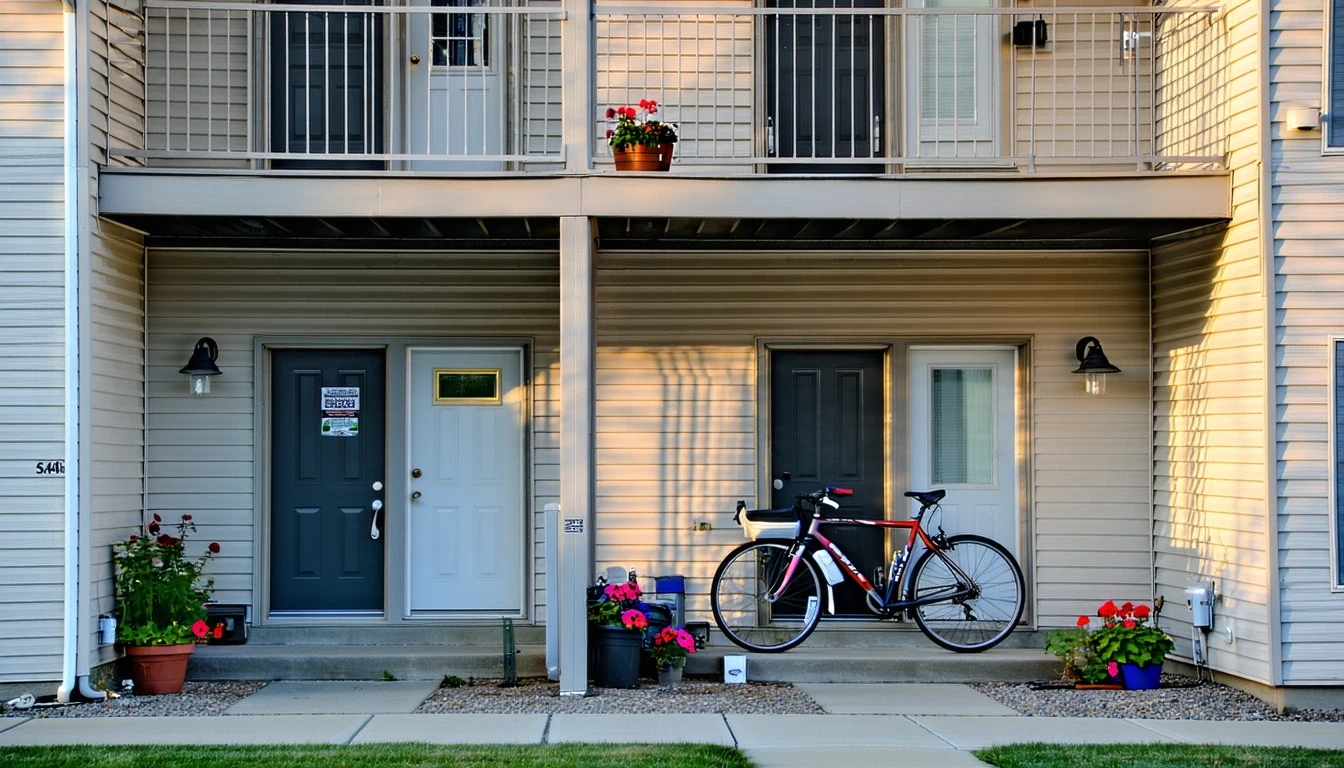
Utility expenses in both cities draw from the same regional providers—Ameren Illinois for electricity and natural gas, Illinois-American Water for municipal water—but housing age and square footage create meaningful cost variations. Belleville’s older housing stock, with single-pane windows, minimal attic insulation, and aging HVAC systems, typically drives higher heating bills during Metro East’s cold winters. Residents in pre-1980 homes often report monthly gas bills exceeding $150 in January and February, while electric cooling costs in July and August can push $130–$160 for homes lacking programmable thermostats or efficient central air. Collinsville’s newer construction—particularly post-2000 builds with double-pane windows, improved insulation standards, and high-efficiency furnaces—routinely cuts those peaks by 20% to 30%, with winter gas bills closer to $100–$120 and summer electric around $100–$130.
Water and sewer costs remain relatively comparable, averaging $60–$75 monthly for typical households in both cities, though Belleville’s older infrastructure occasionally triggers higher sewer fees in specific neighborhoods. Trash collection is municipal in both cities, bundled into property taxes or billed separately at modest rates—$15–$20 monthly. Internet and cable packages from Spectrum and AT&T run $70–$120 depending on speed tiers, with no significant price difference between the two cities. The real divergence lies in seasonal energy swings: Belleville’s aging housing stock amplifies Illinois’s temperature extremes, while Collinsville’s newer builds smooth those peaks through better thermal envelopes.
Household size and home age compound these differences. A family of four in a 1,800-square-foot Belleville ranch built in 1975 might budget $200–$250 monthly for combined gas and electric during peak seasons, plus water and internet, totaling $350–$400. The same family in a 2,000-square-foot Collinsville home built in 2010 could expect $160–$200 for energy, bringing total utilities closer to $300–$350. Over a year, that $50 monthly difference accumulates to $600 in savings—enough to offset a portion of Collinsville’s higher mortgage costs. Renters in newer Collinsville apartments also benefit, as landlords increasingly cover water and trash, leaving tenants responsible only for electric and internet.
Winner: Collinsville for lower energy costs driven by newer, more efficient housing. Belleville’s older homes demand higher seasonal utility budgets, though proactive upgrades—new windows, insulation, smart thermostats—can narrow the gap. Buyers should factor utility savings into total monthly housing costs when comparing offers.
Groceries and Daily Expenses
Grocery and daily expense pricing across Belleville and Collinsville remains largely equivalent, as both cities host the same major chains—Schnucks, Walmart Supercenter, Aldi, Save-A-Lot—and draw from identical regional distribution networks. A week’s groceries for a family of four—milk, bread, chicken, produce, household staples—typically runs $140–$180 at Schnucks or $110–$140 at Aldi, with no meaningful price variation between the two cities’ locations. Belleville’s larger population supports slightly more grocery competition, including a Ruler Foods discount outlet and multiple Save-A-Lot locations, which can shave 10% to 15% off weekly bills for budget-focused shoppers willing to prioritize price over selection. Collinsville’s Walmart Supercenter on Vandalia serves as the primary discount anchor, with Schnucks and Aldi providing mid-range and budget alternatives.
Dining out and coffee culture reveal subtle differences. Belleville’s historic downtown square and Main Street corridor host a deeper roster of independent restaurants—Italian trattorias, Mexican taquerias, breakfast diners—where entrees average $12–$18 and family dinners land around $50–$70. Collinsville’s dining scene skews toward chain restaurants along Belt Line Road and Collinsville Road—Applebee’s, Olive Garden, Bandana’s BBQ—with similar pricing but less local flavor. Coffee runs cost about the same: $4–$5 for a latte at Starbucks or local shops in either city. Belleville’s greater density supports more carryout variety, while Collinsville residents often drive to neighboring Maryville or Edwardsville for broader dining options.
Household goods, gas, and personal care items track regional averages. Gas prices in early 2025 hover near $2.85–$3.05 per gallon at stations in both cities, with Costco in nearby Fairview Heights offering the lowest prices for members. Target, Walgreens, and CVS operate in both markets with identical pricing. Families with young children might notice Belleville’s slightly better access to discount retailers—Dollar General, Family Dollar—clustered near residential neighborhoods, while Collinsville’s retail concentrates along major corridors, requiring more intentional trips. Singles and couples experience negligible differences; families cooking at home and seeking variety benefit marginally from Belleville’s deeper discount grocery footprint.
Winner: Tie, with a slight edge to Belleville for discount grocery access and independent dining variety. Day-to-day expenses remain nearly identical, but Belleville’s competitive grocery landscape and local restaurant scene offer modest savings and more dining character. Collinsville delivers convenience through concentrated retail corridors but less price competition.
Taxes and Fees
Property taxes represent the most significant ongoing cost difference between Belleville and Collinsville, driven by school district funding needs and municipal debt obligations. Belleville’s effective property tax rate typically ranges from 2.8% to 3.2% of assessed value, depending on neighborhood and school district boundaries—Belleville Township High School District 201, Whiteside School District 115, and Signal Hill School District 181 each carry different levy rates. A $165,000 home in Belleville generally incurs $4,600–$5,300 annually in property taxes, or roughly $385–$440 monthly. Collinsville’s effective rate runs slightly lower, around 2.6% to 2.9%, with a $185,000 home generating $4,800–$5,400 annually, or $400–$450 monthly. The absolute dollar difference remains modest—$15 to $50 monthly—but Belleville’s lower home prices don’t always translate to lower tax bills due to higher millage rates in certain districts.
Sales tax in both cities sits at 8.25%—6.25% state base plus 2% local—with no meaningful variation on everyday purchases. Neither city imposes local income taxes. Belleville charges a $6 monthly trash collection fee for single-family homes, while Collinsville bundles refuse into property tax levies. Water and sewer fees, as noted earlier, run $60–$75 monthly in both cities, though Belleville’s aging infrastructure occasionally triggers special assessments for main replacements in older neighborhoods—$500 to $1,500 one-time charges that catch homeowners off guard. Collinsville’s newer infrastructure has avoided such assessments in recent years, providing more predictable long-term costs.
Homeowners associations remain uncommon in Belleville’s established neighborhoods but appear frequently in Collinsville’s newer subdivisions, particularly those built after 2005. HOA fees in Collinsville typically range from $25 to $75 monthly, covering common area maintenance, landscaping, and sometimes trash collection. These fees add $300–$900 annually to ownership costs but often deliver well-maintained streetscapes and amenities like walking trails or small parks. Renters in both cities rarely encounter HOA fees directly, though landlords may pass costs through in higher rents. Vehicle registration, license fees, and other state-level charges remain identical across both cities.
Winner: Collinsville for slightly lower effective property tax rates and more predictable infrastructure costs. Belleville’s higher millage rates and occasional special assessments create marginally higher long-term tax burdens, though the difference rarely exceeds $50 monthly. Buyers should request detailed tax breakdowns and ask about pending assessments before closing in either city.
Cost Summary Table
| Expense Category | Belleville (Monthly) | Collinsville (Monthly) |
|---|---|---|
| Housing (Mortgage/Rent, 3BR Home) | $1,200–$1,500 | $1,350–$1,650 |
| Utilities (Gas, Electric, Water, Internet) | $300–$400 | $250–$350 |
| Groceries (Family of Four) | $560–$720 | $560–$720 |
| Transportation (Gas, Insurance, Maintenance) | $350–$450 | $350–$450 |
| Property Taxes | $385–$440 | $400–$450 |
| Miscellaneous (Dining, Personal Care, Entertainment) | $400–$600 | $400–$600 |
| Estimated Monthly Total | $3,195–$4,110 | $3,310–$4,220 |
Estimates reflect 2025 costs for a mid-size household (3-bedroom home, family of four) using published regional data, local real estate listings, and utility provider rate schedules. Actual expenses will vary with household size, home age, lifestyle choices, and neighborhood. Figures assume one vehicle per adult, moderate dining out, and typical maintenance reserves.
The monthly cost difference between Belleville and Collinsville typically ranges from $115 to $210, with Belleville offering the lower baseline. Most of that gap stems from housing costs—both rent and mortgage—where Belleville’s older, more affordable inventory provides immediate savings. Collinsville’s higher home prices and rents are partially offset by lower utility bills thanks to newer construction, but that $50–$100 monthly utility advantage doesn’t fully close the housing gap. Over a year, choosing Belleville could save a household $1,400 to $2,500, meaningful for families prioritizing cash flow, emergency fund building, or debt paydown.
However, raw monthly totals don’t capture the full picture. Collinsville’s newer homes reduce maintenance surprises—roof replacements, furnace failures, window upgrades—that can cost Belleville homeowners $2,000 to $5,000 every few years. Collinsville’s slightly lower property tax rate and absence of special assessments also provide long-term predictability. For buyers planning to stay 7–10 years, Collinsville’s higher upfront costs may deliver better total cost of ownership through lower repairs, better energy efficiency, and stronger equity growth. Renters and budget-conscious buyers, however, benefit immediately from Belleville’s lower entry costs and greater housing flexibility.
Lifestyle Fit
Lifestyle factors in Belleville and Collinsville extend beyond monthly budgets, shaping daily routines, commute patterns, and long-term satisfaction in ways that indirectly affect costs. Belleville’s position as St. Clair County’s seat brings urban-adjacent amenities—a walkable downtown square with local shops, restaurants, and seasonal farmers markets; proximity to Scott Air Force Base (a major employer and economic stabilizer); and Memorial Hospital’s healthcare campus. The city’s mature street grid and established neighborhoods support walkability in pockets, particularly around downtown and near Southwestern Illinois College, reducing car dependency for errands and social activities. However, most residents still drive for groceries, work, and recreation, as suburban sprawl dominates beyond the historic core.
Collinsville offers a tighter-knit, small-town atmosphere despite its proximity to the metro. The city’s compact downtown along Main Street hosts the International Horseradish Festival each June, and the iconic Cahokia Mounds State Historic Site—a UNESCO World Heritage Site—sits just south of the city limits, drawing tourists and providing free recreational space for locals. Collinsville’s newer subdivisions lack the mature tree canopy and architectural variety of Belleville’s older neighborhoods, but they deliver modern floor plans, attached garages, and cul-de-sac safety that appeal to families with young children. Walkability remains limited outside downtown, and most daily needs require a car, though the city’s smaller footprint means shorter drive times to schools, parks, and shopping.
Commute times to downtown St. Louis run nearly identical from both cities—20 to 25 minutes via I-64 or I-55/70 during off-peak hours, stretching to 35–45 minutes during rush hour. Belleville residents benefit from slightly closer access to Scott Air Force Base (10–15 minutes) and Memorial Hospital (5–10 minutes), reducing commute costs for those employers. Collinsville workers heading to Edwardsville, Glen Carbon, or Madison County employers enjoy shorter drives, while those commuting to St. Louis face similar interstate congestion. Neither city offers public transit beyond limited MetroLink bus connections, so car ownership and fuel costs remain unavoidable for most households. Belleville’s deeper retail and dining variety reduces “destination” trips to Fairview Heights or St. Louis, potentially saving $30–$50 monthly in gas and time. Collinsville’s newer housing stock lowers utility bills by $50–$100 monthly, offsetting some of its higher housing costs and improving long-term affordability.
Recreation and culture diverge notably. Belleville’s larger population supports more parks, sports leagues, and community events—Bellevue Park’s pool and trails, the Art on the Square festival, and a more diverse restaurant scene. Collinsville counters with Gateway Fun Park (go-karts, mini golf), the Splash City Family Waterpark, and easy access to Cahokia Mounds for hiking and history. Families with school-age children often prioritize school district reputations, with Collinsville Unit School District 10 frequently cited for newer facilities and strong extracurriculars, while Belleville’s multiple districts (201, 118, 181) offer varied quality and require careful boundary research. These lifestyle nuances don’t always appear in monthly budgets but influence satisfaction, resale value, and long-term financial outcomes.
Frequently Asked Questions
Is Belleville more affordable than Collinsville in 2025?
Yes, Belleville generally offers lower housing costs—both rent and home prices—resulting in monthly savings of $115 to $210 for comparable properties. However, Collinsville’s newer homes often deliver lower utility bills and reduced maintenance costs, narrowing the long-term affordability gap for buyers planning to stay 5–10 years.
Are rental prices lower in Belleville or Collinsville?
Belleville’s rental market is more affordable, with two-bedroom apartments typically ranging $850–$1,050 compared to Collinsville’s $950–$1,150. Belleville also offers greater rental inventory and variety, particularly near Scott Air Force Base and Memorial Hospital, giving renters more negotiating leverage and shorter lease commitments.
How do property taxes compare between Belleville and Collinsville in 2025?
Collinsville’s effective property tax rate runs slightly lower (2.6%–2.9%) than Belleville’s (2.8%–3.2%), though absolute dollar amounts remain close due to Collinsville’s higher median home prices. A $165,000 Belleville home incurs $4,600–$5,300 annually, while a $185,000 Collinsville home generates $4,800–$5,400—a difference of $15–$50 monthly.
Do utility bills tend to be higher in Belleville or Collinsville during the winter?
Belleville’s older housing stock typically drives higher winter heating costs, with gas bills often exceeding $150 monthly in January and February for pre-1980 homes. Collinsville’s newer construction—better insulation, efficient furnaces—reduces winter gas bills to $100–$120, saving $50–$100 monthly during peak heating season.
What is the average monthly cost of living for a family of four in Belleville vs. Collinsville?
A family of four in Belleville can expect total monthly costs of $3,195–$4,110, covering housing, utilities, groceries, transportation, taxes, and miscellaneous expenses. The same family in Collinsville would budget $3,310–$4,220 monthly, reflecting higher housing costs partially offset by lower utilities. Annual savings in Belleville typically range from $1,400 to $2,500.
Conclusion
Belleville and Collinsville both deliver affordable Metro East living with quick access to St. Louis, but they serve different financial priorities and lifestyle preferences. Belleville wins on immediate affordability—lower home prices, cheaper rents, greater housing variety, and deeper discount grocery and dining options—making it the better choice for budget-conscious renters, first-time buyers, and families prioritizing cash flow flexibility. The city’s established neighborhoods, walkable downtown, and proximity to Scott Air Force Base and Memorial Hospital add practical value for specific employment and lifestyle needs. However, older housing stock means higher utility bills, potential maintenance surprises, and slightly elevated property tax rates in certain districts.
Collinsville justifies its premium through newer construction, lower utility costs, and long-term predictability. Families planning to stay 7–10 years, buyers prioritizing modern homes and energy efficiency, and those drawn to a smaller-town feel with strong school district reputation will find the extra $115–$210 monthly worthwhile. The city’s compact layout, newer infrastructure, and absence of special assessments reduce hidden costs and maintenance headaches, while its proximity to Cahokia Mounds and Gateway Fun Park enhances recreational appeal. For move-up buyers and those valuing equity growth in newer housing stock, Collinsville delivers better total cost of ownership despite higher entry costs.
Ultimately, your choice hinges on whether you prioritize immediate monthly savings (Belleville) or long-term efficiency and newer amenities (Collinsville). Both cities offer Metro East value, but understanding these cost trade-offs ensures your decision aligns with your budget, timeline, and lifestyle goals. Ready to explore financing options, neighborhood deep dives, or moving company picks for your Metro East relocation? IndexYard’s Illinois housing resources provide the data and insights to make your next move with confidence.