
Housing in Beaumont works differently than it does closer to the coast or in denser Inland Empire centers. The city functions primarily as a commuter suburb with car-oriented infrastructure and corridor-clustered shopping, which means where you live within Beaumont directly affects your ongoing transportation and time costs, not just your monthly housing payment. The $428,100 median home value and $1,437 median rent reflect a market shaped by distance from primary employment centers, newer housing stock, and trade-offs between space and accessibility.
This article breaks down how housing costs behave in Beaumont—what drives rent and ownership expenses, how apartments and houses differ in ongoing costs, and what long-term exposure looks like for renters versus buyers in a car-dependent, commuter-oriented market.
How this article was built: In addition to public economic data, this article incorporates location-based experiential signals derived from anonymized geographic patterns—such as access density, walkability, and land-use mix—to reflect how day-to-day living actually feels in Beaumont, CA.
The Housing Market in Beaumont Today
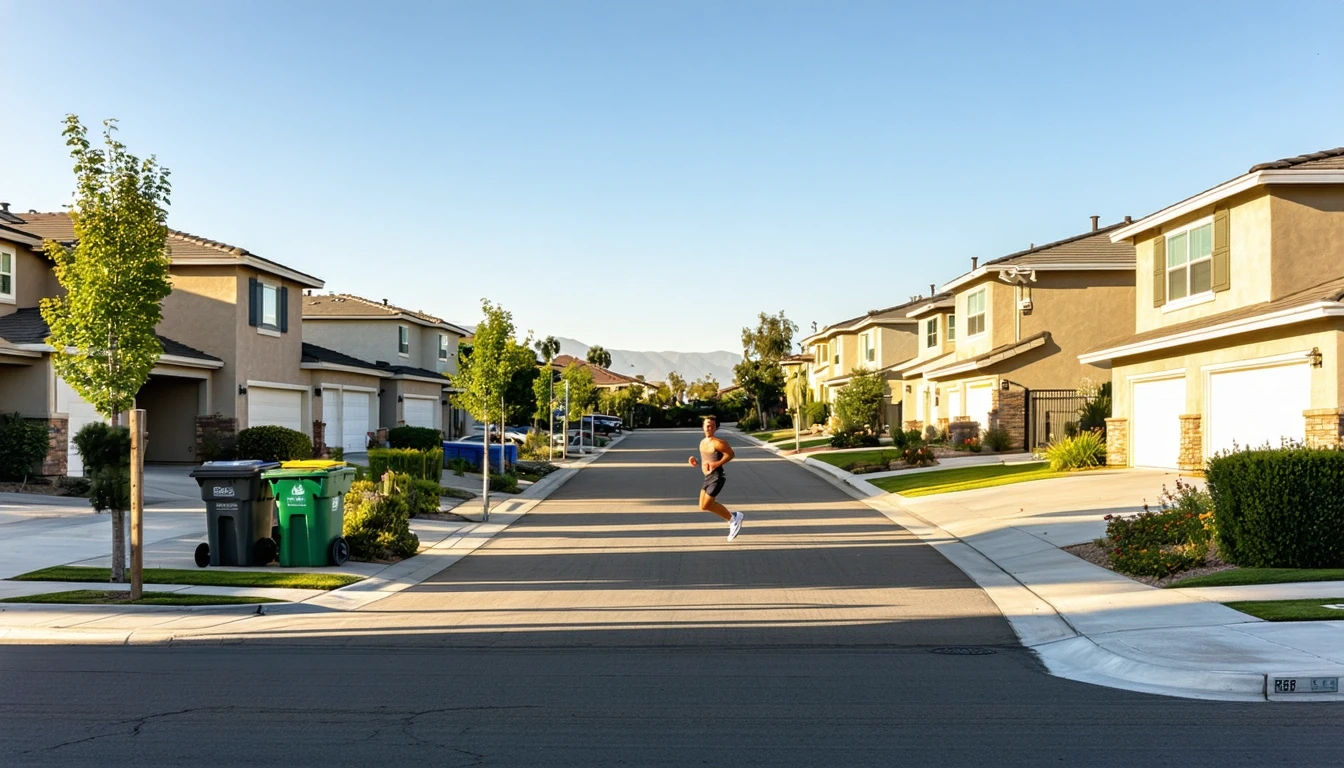
Beaumont’s housing market is defined by its role as a bedroom community serving the broader Inland Empire. Most residents commute elsewhere for work—56.8% face long commutes, and the average trip takes 36 minutes. Only 17.3% work from home. This commuter orientation shapes housing demand: buyers and renters are trading proximity for space, newer construction, and lower entry costs compared to metros closer to Los Angeles or Orange County.
The city’s infrastructure reflects this trade-off. Pedestrian density is low, and the street network prioritizes vehicle movement. Food and grocery options cluster along commercial corridors rather than spreading throughout neighborhoods, which means most errands require driving. Bus service exists, but it doesn’t provide the frequency or coverage that would make car-free living practical for most households.
For newcomers, the critical misunderstanding is treating Beaumont as interchangeable with other Inland Empire suburbs. The distance from major employment centers and the car-dependent layout mean that monthly expenses extend well beyond the rent or mortgage—fuel, vehicle maintenance, and time costs become structural, not occasional.
Renting in Beaumont
At $1,437 per month, median gross rent in Beaumont sits below many closer-in Inland Empire markets, but the rental experience is shaped by the same commuter dynamics that define ownership. Renters face the same transportation exposure as owners—most rental housing is located in areas that require a car for daily errands, work commutes, and accessing healthcare or services.
Rental availability tends to concentrate in apartment complexes and newer developments rather than scattered single-family rentals. Because food and grocery access clusters along corridors rather than distributing evenly, renters who prioritize walkability will find their options limited. The city’s layout doesn’t support the kind of spontaneous, car-free errands that work in denser or more mixed-use environments.
For renters evaluating Beaumont, the key variable isn’t just the monthly rent—it’s whether your commute, work flexibility, or household logistics can absorb the transportation burden that comes with the location. A lower rent figure loses value quickly if it adds an hour of daily driving or requires a second vehicle.
Owning a Home in Beaumont
The $428,100 median home value positions Beaumont as a more accessible entry point compared to coastal or central Inland Empire markets, but ownership here comes with exposure that renters can avoid. Property taxes, insurance, and maintenance costs are ongoing and non-negotiable, and they’re influenced by Beaumont’s climate and housing stock.
Hot, dry summers dominate the annual weather cycle, which means cooling costs are not optional—they’re structural. Homes in Beaumont are built to handle this, but older HVAC systems or poor insulation turn a predictable expense into a volatile one. Owners also face maintenance cycles tied to heat exposure: roofing, exterior paint, and landscaping wear faster under sustained high temperatures.
Ownership in Beaumont also means accepting the same car dependency that affects renters, but with less flexibility to relocate if commute patterns change. If your job moves farther away or your household adds a second commuter, the transportation cost burden becomes harder to escape. Owners are locked into both the housing cost and the location cost, while renters can adjust more easily.
Homeownership here works best for households with stable, flexible commutes—especially those with remote work options or dual incomes that can absorb the time and fuel costs. For single-income households or those with rigid work locations, the combination of mortgage, transportation, and climate-driven utility exposure can stretch budgets quickly.
Apartment vs House in Beaumont — Cost Behavior Comparison
The cost difference between renting an apartment and renting or owning a house in Beaumont isn’t just about square footage—it’s about how the city’s climate, infrastructure, and layout create different ongoing exposures.
| Expense Category | Apartment | House |
|---|---|---|
| Cooling Costs | Shared walls and smaller footprints reduce exposure; landlord may control system efficiency | Full envelope exposure to summer heat; owner controls system quality but absorbs full cooling load |
| Maintenance Responsibility | Landlord handles HVAC, roofing, exterior wear from heat exposure | Owner responsible for all heat-accelerated wear: roofing, paint, landscaping, HVAC replacement cycles |
| Transportation Exposure | Typically located near commercial corridors; slightly better access to clustered errands | Often in residential-only zones; every errand requires driving; larger lots mean more distance between home and services |
| Utility Volatility | Smaller space limits swings; electricity at 33.60¢/kWh still creates noticeable summer spikes | Larger space amplifies rate impact; poorly insulated homes see dramatic seasonal swings |
Why these categories matter in Beaumont: The city’s hot, dry climate makes cooling a dominant cost driver, not a seasonal nuisance. The car-oriented layout means transportation isn’t a convenience trade-off—it’s a structural expense. Apartments buffer some of this exposure through shared infrastructure and location, while houses amplify it through size, responsibility, and distance from services. Categories like water, trash, or internet were excluded because they don’t vary meaningfully by housing type in Beaumont’s market.
Utilities & Upkeep Differences
Beaumont’s inland location and extended summer heat create a utility profile where cooling dominates annual exposure. At 33.60¢ per kWh, electricity rates are high enough that inefficient systems or poor insulation turn a predictable cost into a volatile one. Apartments benefit from shared walls and smaller square footage, which naturally limits cooling load. Houses, especially older or poorly insulated ones, face full envelope exposure—every wall, window, and attic space contributes to heat gain.
Maintenance exposure follows the same pattern. Heat accelerates wear on roofing, exterior paint, and landscaping. Apartment renters are insulated from these costs entirely; landlords handle the replacement cycles. Homeowners absorb them directly, and the timeline is shorter in Beaumont’s climate than it would be in cooler or more temperate regions.
Natural gas, priced at $21.94 per MCF, plays a minor role. Heating demand is low, and most homes rely on gas primarily for water heating and cooking. The cost is present but not a primary driver of household budgets.
The key difference isn’t whether apartments or houses cost more in absolute terms—it’s that houses expose owners to more variables they can’t control. Apartment renters face fewer decisions and less volatility. Homeowners gain control but inherit risk, and in Beaumont’s climate, that risk is amplified by heat and distance from services.
Rent vs Buy: Long-Term Exposure in Beaumont
The rent-versus-buy decision in Beaumont isn’t about which option costs less over time—it’s about which cost structure fits your household’s flexibility, commute stability, and tolerance for exposure.
Renters maintain flexibility but face renewal volatility. Lease renewals can shift costs unpredictably, especially in markets where demand fluctuates with employment patterns in the broader Inland Empire. Renters also remain exposed to landlord decisions about maintenance quality, which directly affects utility costs in Beaumont’s climate. But renters can relocate if commute patterns change, if a job moves, or if household needs shift—something owners cannot do without selling.
Owners gain cost predictability in some areas but inherit long-term exposure in others. A fixed-rate mortgage stabilizes the housing payment itself, but property taxes, insurance, and maintenance costs all shift over time in ways renters avoid. In Beaumont, where heat accelerates wear and cooling costs are structural, ownership means absorbing those increases directly. Owners also lock in their location, which locks in their transportation costs. If your commute changes or your household adds a second worker in a different direction, you can’t adjust as easily as a renter can.
The decision comes down to control versus flexibility. Ownership works when your commute is stable, your household can absorb maintenance and climate-driven costs, and you value long-term control over your housing situation. Renting works when you need the ability to adjust quickly, when you want to avoid maintenance exposure, or when your income or job situation is still shifting.
Neither option is universally cheaper. Both come with trade-offs that depend on how Beaumont’s car-dependent layout, commuter orientation, and climate interact with your household’s specific circumstances.
FAQs About Housing Costs in Beaumont
Is $428,100 considered affordable for a home in Beaumont, CA?
Affordability depends on household income, commute costs, and tolerance for car dependency. At $102,469 median household income, the home value sits within conventional lending ratios, but the 36-minute average commute and 56.8% long-commute rate mean transportation costs add significantly to the total housing burden. A home that fits your budget on paper may not fit once fuel, vehicle wear, and time costs are included.
How does renting in Beaumont compare to owning in terms of long-term costs?
Renting avoids maintenance, property tax, and insurance exposure, but it offers no protection against renewal increases and no equity accumulation. Owning stabilizes the mortgage payment but exposes you to heat-driven maintenance cycles, cooling cost volatility, and property tax shifts over time. The comparison isn’t about which is cheaper—it’s about which cost structure you can manage and which trade-offs fit your household’s flexibility and commute stability.
What drives utility costs higher in Beaumont homes versus apartments?
Beaumont’s hot, dry summers make cooling the dominant utility expense. Houses face full envelope exposure—larger square footage, more windows, and standalone structures that absorb heat from all sides. Apartments benefit from shared walls, smaller footprints, and often newer, more efficient systems. At 33.60¢ per kWh, even moderate inefficiency in a house creates noticeable cost differences compared to an apartment.
Does Beaumont’s car-dependent layout affect housing costs beyond rent or mortgage?
Yes, significantly. Because pedestrian infrastructure is minimal and errands cluster along corridors rather than distributing throughout neighborhoods, most households need a car for daily life. Fuel at $4.25 per gallon, long commutes, and the need for reliable vehicles turn transportation into a structural cost, not an optional one. The real cost pressures in Beaumont extend well beyond the housing payment itself.
Are there parts of Beaumont where housing costs behave differently?
Housing costs themselves don’t vary dramatically within Beaumont, but proximity to commercial corridors affects how much you drive for errands. Homes closer to clustered shopping and services reduce daily trip frequency, while homes in purely residential zones require driving for nearly everything. The difference isn’t in rent or home prices—it’s in the cumulative transportation and time costs that come with your specific location.
Making Housing Choices in Beaumont
Housing costs in Beaumont are inseparable from the city’s commuter orientation and car-dependent infrastructure. The $428,100 median home value and $1,437 median rent reflect a market where buyers and renters trade proximity for space and newer housing stock, but that trade-off comes with ongoing transportation, time, and climate-driven utility exposure.
Renters gain flexibility and avoid maintenance risk, but they remain exposed to renewal volatility and landlord decisions that affect utility costs. Owners gain control and payment stability in some areas, but they inherit long-term exposure to property taxes, insurance, heat-accelerated maintenance, and location lock-in that makes commute changes harder to manage.
The housing decision in Beaumont isn’t about finding the lowest monthly payment—it’s about understanding which cost structure fits your household’s commute stability, income flexibility, and tolerance for the transportation and climate exposure that come with living here. For more on how housing costs interact with other monthly expenses, see the broader budget breakdown.