
“Avon is exactly what I needed after years in the city — quiet, clean, easy to navigate. But if you’re the type who wants to walk to coffee or grab groceries on a whim, you’ll feel the friction pretty fast.”
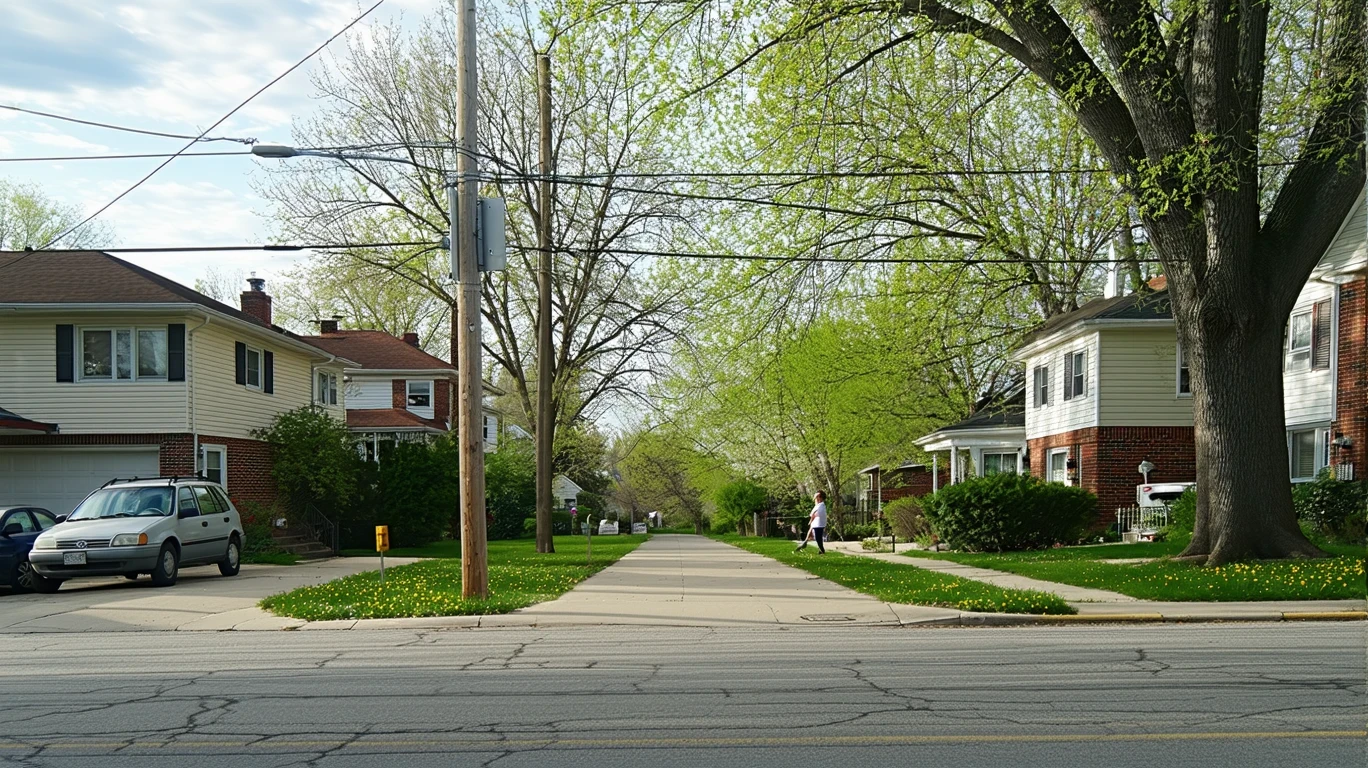
What Does Living in Avon Actually Feel Like?
Avon sits just west of Indianapolis, offering the kind of suburban predictability that appeals to families, commuters, and anyone seeking breathing room without total isolation. The tone here is calm, orderly, and decidedly car-dependent. People who thrive in Avon tend to value space over spontaneity, routine over variety, and the ability to retreat from urban intensity without sacrificing access to it.
The tradeoff is clear: you get safety, school access, and a slower pace — but you give up walkable errands, nightlife texture, and the ability to live without a vehicle. Avon’s structure rewards planning and driving. If that rhythm feels natural to you, the city tends to deliver comfort and stability. If you crave density, impromptu outings, or transit options, the friction builds quickly.
This isn’t a place where most people stumble into spontaneous experiences. It’s a place where people build routines, invest in their homes, and drive to everything else. The question isn’t whether Avon is “happy” — it’s whether its particular rhythm matches the life you’re trying to live.
How People Talk About Avon Online
Public discussion around Avon tends to cluster around a few recurring themes: convenience balanced against sameness, family-friendliness weighed against limited walkability, and proximity to Indianapolis without the urban trade-offs. The tone is rarely extreme — more often, it’s pragmatic, with residents acknowledging what works and what doesn’t.
On platforms where locals gather, you’ll find threads about chain restaurant fatigue, debates over whether the town feels “too quiet,” and frequent mentions of traffic on U.S. 36. There’s pride in the school system and parks, but also a low hum of restlessness from people who wish there were more local gathering spots or things to do without a 20-minute drive.
“It’s a great place to raise kids, but if you’re single or don’t have a car, it can feel pretty isolating.”
“I love that it’s quiet and safe, but I do miss being able to walk somewhere interesting.”
“Avon is what you make of it — if you’re okay driving everywhere and you value space, it’s solid.”
The emotional center of these conversations is usually about alignment: does this structure fit your household, your stage of life, your tolerance for car dependency? People who feel at home here tend to frame those tradeoffs as reasonable. People who don’t often describe a sense of being stuck in routines they didn’t choose.
What Local Coverage Tends to Emphasize
Local news and community coverage in Avon often reflects the town’s steady growth and evolving identity. The framing tends to focus on infrastructure expansion, school district updates, and the tension between preserving suburban character and accommodating new development. There’s rarely drama — more often, it’s about managing change at a measured pace.
Recurring topic buckets include:
- “New Retail and Dining Options Arrive Along Main Corridors”
- “Residents Weigh Growth and Traffic Concerns”
- “School Expansion Plans Move Forward”
- “Community Events Draw Families to Local Parks”
- “Avon Balances Suburban Calm with Regional Connectivity”
The tone is generally optimistic but cautious. There’s an underlying awareness that growth brings both amenities and congestion, and that Avon’s appeal depends on maintaining a balance between accessibility and tranquility. Coverage rarely frames the town as “arriving” — instead, it’s portrayed as evolving in a way that tries to keep longtime residents comfortable while attracting newcomers.
What Reviews and Public Feedback Reveal
When people describe their experience living in Avon through reviews or community platforms, the praise and criticism tend to follow predictable lines. Positive feedback centers on safety, school quality, and the ease of raising a family. Complaints focus on limited walkability, lack of local character, and the need to drive for nearly every errand.
People who moved here from denser areas often mention the adjustment period: learning to plan grocery trips, accepting that “going out” means getting in the car, and realizing that spontaneity requires more effort. Those who moved from rural areas or smaller towns tend to appreciate the balance — close enough to Indianapolis for work and entertainment, but far enough to avoid the noise and density.
Neighborhood distinctions are subtle. Newer planned developments offer modern layouts and amenities but can feel uniform. Older pockets have more established trees and varied home styles but may lack sidewalks or nearby parks. The common thread is that housing pressure and access depend heavily on car ownership and willingness to drive.
“Everything is clean and well-maintained, but it all kind of looks the same after a while.”
“If you have kids and a car, Avon is fantastic. If you don’t, it’s a lot harder to make it work.”
“I appreciate the quiet, but I do wish there were more local coffee shops or places to walk to.”
How Avon Compares to Nearby Towns
| Dimension | Avon | Plainfield | Brownsburg |
|---|---|---|---|
| Overall Vibe | Calm, family-focused, car-dependent | Similar suburban feel, slightly more industrial presence | Quieter, more residential, less commercial density |
| Walkability | Limited outside pockets | Comparable, mostly car-oriented | Even more car-dependent |
| Dining and Retail | Chain-heavy, growing options | More variety along main corridors | Fewer options, more driving required |
| Commute to Indy | Moderate, traffic on U.S. 36 | Similar, I-70 access | Slightly longer, more residential routes |
| Family Appeal | Strong schools, parks, safe feel | Comparable family infrastructure | Very family-oriented, quieter pace |
Choosing between Avon, Plainfield, and Brownsburg often comes down to commute direction, specific school preferences, and tolerance for commercial density. Avon offers a middle ground: more retail and dining than Brownsburg, slightly quieter than Plainfield, and well-positioned for westside Indianapolis access. If you prioritize variety and don’t mind a bit more traffic, Plainfield might feel more dynamic. If you want maximum quiet and don’t need walkable amenities, Brownsburg leans even further into residential calm.
None of these towns will satisfy someone seeking urban texture or transit access. The question is which flavor of suburban car-dependent living aligns best with your household logistics and daily rhythm.
Voices from Different Perspectives
“We moved here from Broad Ripple, and the adjustment was real. I miss walking to brunch, but my kids have a yard and great schools. It’s the right trade for this stage of life.”
“I work remotely, and Avon gives me the space I need without feeling completely cut off. I drive to Indy when I want more options, but day-to-day life here is low-stress.”
“As a renter without a car, Avon has been tough. Everything requires a ride or a long walk along roads without sidewalks. I’m looking to move closer to the city.”
“We’ve been here for 15 years, and it’s changed a lot — more traffic, more chains, more people. But it’s still a good place to raise a family if you can afford it.”
“I like that it’s quiet and safe, but I do wish there were more local spots with character. It feels a little too cookie-cutter sometimes.”
“For young professionals or anyone without kids, Avon can feel pretty boring. There’s not much nightlife, and you have to drive everywhere.”
“It’s exactly what I wanted after years in the city — predictable, clean, and easy to navigate. I don’t miss the chaos at all.”
Does Avon Feel Like a Good Fit?
Avon works best for households who value suburban structure, have reliable transportation, and prioritize space and safety over spontaneity and walkability. Families with school-age children, commuters who want a buffer from urban intensity, and people comfortable with car-dependent routines tend to find alignment here. The town offers hospital access, moderate green space, and a calm, low-rise character that feels predictable and manageable.
Friction tends to surface for renters, single professionals, households without vehicles, and anyone seeking walkable errands or vibrant local culture. The sparse grocery density and limited transit options mean that day-to-day costs and convenience depend heavily on driving. If you need to walk to the store, grab coffee on foot, or live without a car, Avon’s structure will feel limiting quickly.
The question isn’t whether Avon is “good” — it’s whether its rhythm matches the life you’re building. If you’re ready to trade density for space, variety for calm, and walkability for privacy, Avon tends to deliver what it promises. If those tradeoffs feel like compromises you’ll resent, the friction will compound over time.
Understanding how quality of life factors align with your household needs can help clarify whether Avon’s structure supports or constrains the life you’re trying to live.
How this article was built: In addition to public economic data, this article incorporates location-based experiential signals derived from anonymized geographic patterns—such as access density, walkability, and land-use mix—to reflect how day-to-day living actually feels in Avon, IN.
The perspectives shown reflect commonly expressed local sentiment and recurring themes in public discussion, rather than individual accounts.