
Understanding how much you’ll spend on utilities in Avon, CT, is essential for anyone planning a move or managing a household budget. Utilities typically rank as the second-largest monthly expense after housing, and in Avon, the mix of cold winters and moderate summers creates distinct seasonal patterns that shape how much households pay throughout the year.
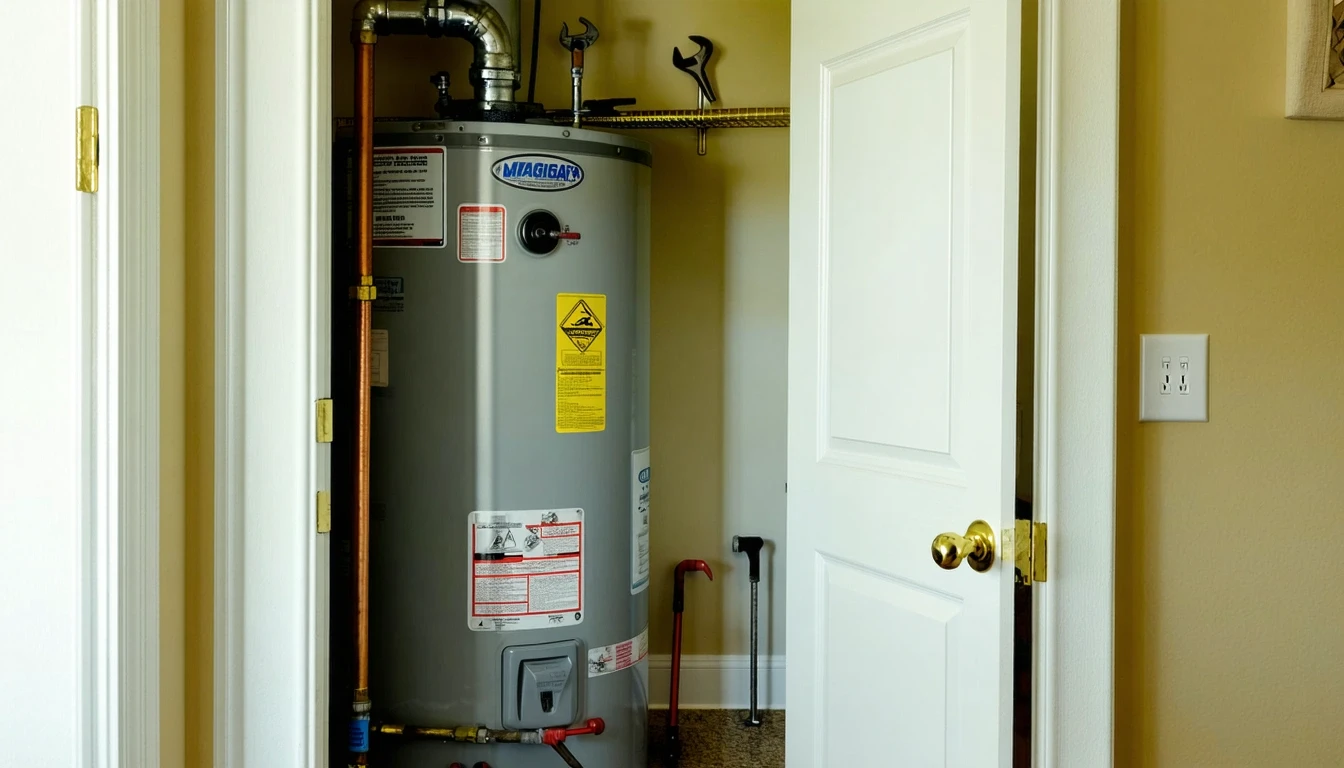
Understanding Utilities in Avon
Utility costs in Avon reflect the realities of living in a Connecticut suburb where heating dominates winter months and cooling plays a secondary role during summer. For most households, utilities include electricity, natural gas, water, and trash collection, though the exact mix depends on whether you’re renting an apartment, living in a single-family home, or part of a homeowners association that bundles certain services.
Utilities matter because they represent recurring, non-negotiable expenses that fluctuate with weather, usage, and household size. Unlike rent or a mortgage, which stay predictable month to month, utility bills respond directly to how you live: how often you run the heat, how much water your household uses, and whether your home is well-insulated or drafty. For movers, understanding this variability is critical—what looks affordable in spring can feel much different in January when heating bills peak.
In Avon, single-family homes typically manage all utilities independently, while apartment dwellers may find water, trash, or even heat included in rent. Homeowners associations sometimes bundle trash and recycling into monthly fees, reducing the number of separate bills but not necessarily the total cost. Knowing what’s included—and what’s billed separately—helps you avoid surprises when the first bill arrives.
Utilities at a Glance in Avon
The table below shows how core utility costs typically behave for a mid-size household in a single-family home in Avon. Where city-level prices are available in the data feed, they are shown directly. When exact figures are not provided, categories are described qualitatively to reflect how costs are structured and what drives variability.
| Utility | Cost Structure |
|---|---|
| Electricity | 27.72¢/kWh; usage-sensitive and seasonal |
| Water | Tiered pricing; usage-dependent |
| Natural Gas | $26.56/MCF; winter-driven, heating-dependent |
| Trash & Recycling | Often bundled with water or HOA fees |
| Total | Seasonal variability driven by electricity and heating |
This table reflects utility cost structure for a mid-size household in a single-family home in Avon during 2026. Where exact figures are not provided in the IndexYard data feed, categories are described directionally to reflect how costs behave rather than a receipt-accurate total.
Electricity is billed per kilowatt-hour in Avon, and at 27.72¢/kWh, the rate sits slightly above the national average. For illustrative context, a household using 1,000 kWh per month—typical for a mid-size home—would see a bill around $277 before fees and taxes. Actual usage swings with season: air conditioning in July and August pushes consumption higher, while spring and fall months tend to be lighter. Electricity is typically the most exposure-sensitive utility in Avon, driven more by climate and home efficiency than by base rates.
Water costs in Avon are structured on tiered pricing, meaning the more you use, the higher the per-unit rate climbs. This rewards conservation and penalizes heavy irrigation or large households with high daily demand. Water is often billed together with sewer and stormwater fees, so the line item on your bill may reflect more than just consumption.
Natural gas is priced at $26.56 per thousand cubic feet (MCF) in Avon, and it’s the dominant heating fuel for many homes in the area. For illustrative context, a household using 1 MCF per month during heating season—typical for moderate winter use—would see a natural gas charge around $27 before fees and taxes. Winter months drive the highest usage, while summer bills drop to near-baseline levels for water heating and cooking.
Trash and recycling are typically bundled with water service or included in HOA fees in Avon, meaning many households don’t see a separate monthly charge. For those who do pay directly, costs are usually flat-rate and predictable, ranging from modest monthly fees to annual contracts depending on the provider and service level.
How Weather Impacts Utilities in Avon
Avon’s climate creates a clear seasonal rhythm in utility spending. Winters are cold, with temperatures regularly dipping below freezing and occasional stretches of prolonged cold that push heating systems into overdrive. Natural gas furnaces, electric baseboards, and heating oil systems all respond to the same pressure: keeping indoor spaces comfortable when it’s 29°F outside—and feeling like 26°F—requires sustained energy input. Many Avon households experience noticeably higher heating bills from December through February compared to the mild costs of spring and fall.
Summer brings moderate cooling demand. While Avon doesn’t face the extreme heat of southern states, July and August still drive air conditioning usage, particularly in homes without shade cover or older insulation. Humidity adds to the load, as AC units work harder to remove moisture from the air. The result is a secondary peak in electricity usage, though it rarely matches the intensity of winter heating exposure.
One regional quirk worth noting: Connecticut’s variable spring weather can create unpredictable utility months. A late-season cold snap in April might require a few more days of heating, while an early warm spell in May could trigger the first AC use of the year. This variability makes it harder to predict bills during shoulder seasons, even for experienced residents.
How to Save on Utilities in Avon
Reducing utility costs in Avon starts with understanding where your household has the most exposure. For most homes, that means focusing on heating efficiency in winter and electricity management in summer. Small changes—sealing drafts, upgrading insulation, or installing a programmable thermostat—can reduce the intensity of seasonal swings without requiring major investment. The goal isn’t to eliminate utility costs, but to gain more control over how much you spend and when.
Many utility providers in Connecticut offer programs designed to help households stabilize bills and reduce usage. Budget billing spreads costs evenly across the year, eliminating the shock of a high winter heating bill by averaging your annual usage into predictable monthly payments. Energy audits, sometimes offered for free or at low cost, identify where your home is losing heat or cooling efficiency. Rebate programs for energy-efficient appliances, smart thermostats, and insulation upgrades can offset the upfront cost of improvements that pay off over time.
- Enroll in off-peak billing programs if your provider offers time-of-use rates
- Consider solar panel incentives available through state and federal programs
- Install a smart thermostat to automate heating and cooling schedules
- Plant shade trees on south- and west-facing sides of your home to reduce summer cooling load
- Upgrade to high-efficiency furnaces, water heaters, or AC units when replacements are due
- Seal windows, doors, and attic spaces to prevent heat loss in winter and cool air loss in summer
- Switch to LED lighting throughout your home to reduce baseline electricity usage
🏆 Tip: Check if your provider in Avon offers rebates for energy-efficient AC units or heating systems. These programs can reduce the cost of upgrades that lower your bills for years to come.
FAQs About Utility Costs in Avon
Why do utility bills in Avon feel higher in winter than summer? Heating dominates utility spending in Avon because cold winters require sustained energy input to keep homes comfortable. Natural gas and electricity usage both spike during prolonged cold stretches, while summer cooling demand is moderate by comparison. The intensity and duration of heating season create the largest seasonal cost swing most households experience.
Do HOAs in Avon usually include trash or water in their fees? Many homeowners associations in Avon bundle trash and recycling into monthly fees, and some also include water and sewer charges, particularly in townhome or condo communities. Single-family home neighborhoods are more likely to bill these services separately. Always confirm what’s included before assuming a lower utility burden.
How much should a family of four budget for utilities in Avon each month? Utility spending varies widely based on home size, insulation quality, and seasonal weather, but a mid-size household should expect electricity and heating to drive the largest costs. Winter months will see the highest bills due to heating exposure, while spring and fall tend to be the lightest. Rather than focusing on a single monthly average, plan for seasonal variability and consider budget billing to smooth out the peaks.
Does Avon offer incentives for solar panels or energy-efficient appliances? Connecticut provides state-level incentives for solar installations, and federal tax credits are also available for qualifying systems. Some utility providers offer rebates for high-efficiency heating systems, water heaters, and air conditioning units. These programs reduce the upfront cost of upgrades that lower long-term utility exposure, making them worth exploring if you’re planning home improvements.
How does seasonal weather affect monthly utility bills in Avon? Cold winters push heating costs to their annual peak, particularly during January and February when temperatures stay below freezing for extended periods. Summer brings moderate cooling demand that raises electricity usage, but the increase is less dramatic than winter heating exposure. Spring and fall are the lightest months, with minimal heating or cooling needed and lower baseline electricity use.
How Utilities Fit Into the Cost Structure in Avon
Utilities represent a recurring cost driver in Avon that responds directly to how you live, what season it is, and how efficiently your home operates. Unlike fixed expenses, utility bills fluctuate with weather, usage patterns, and household size, making them one of the more variable components of your monthly budget in Avon. Electricity and heating dominate seasonal swings, while water and trash remain relatively stable throughout the year. Understanding this structure helps you anticipate when bills will peak and where you have the most control.
For households managing tight budgets, utilities create both exposure and opportunity. Exposure comes from the fact that you can’t opt out—heating, cooling, and water are non-negotiable for comfortable living. Opportunity comes from the fact that usage is partly within your control: better insulation, smarter thermostats, and conservation habits all reduce how much you spend without sacrificing comfort. The key is recognizing that utility costs are not fixed, and small changes in behavior or home efficiency can shift your annual spending meaningfully.
Utilities also interact with housing costs in ways that aren’t always obvious. A cheaper apartment with electric baseboard heating might cost more to live in than a slightly pricier unit with natural gas heat and better insulation. A single-family home with an older furnace might deliver lower rent but higher winter bills. When evaluating affordability in Avon, it’s worth considering not just the sticker price of housing, but the total cost of keeping that space livable year-round. Utilities are part of the larger cost structure, and they deserve attention during the decision-making process—not just after the first bill arrives.
How this article was built: In addition to public economic data, this article incorporates location-based experiential signals derived from anonymized geographic patterns—such as access density, walkability, and land-use mix—to reflect how day-to-day living actually feels in Avon, CT.