
Understanding what you’ll pay each month for electricity, water, gas, and trash is essential when planning a move to Austin or managing your household budget. Utility costs in Austin are shaped by the city’s climate, housing stock, and how providers structure their billing—and they’re typically the second-largest monthly expense after housing.
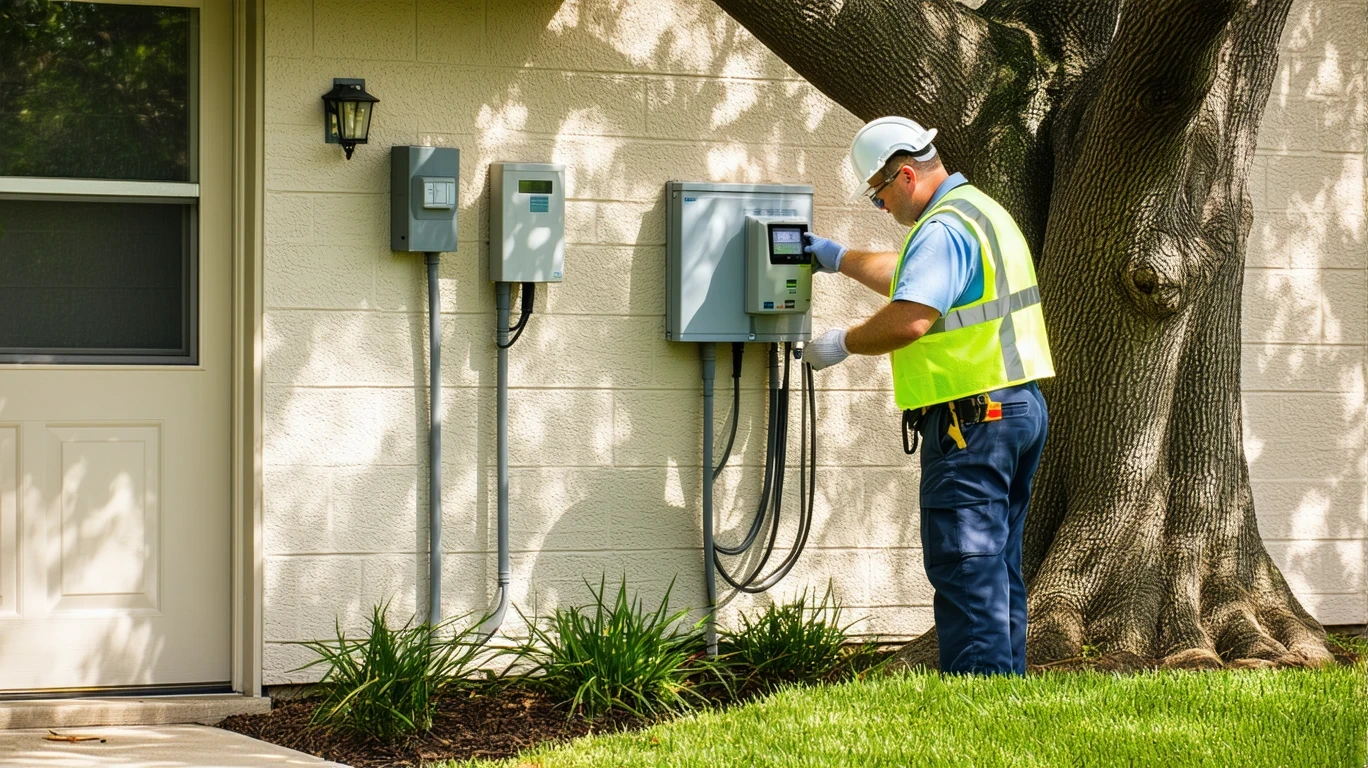
Understanding Utilities in Austin
Utility expenses in Austin reflect the realities of living in Central Texas: long, hot summers that push air conditioning systems hard, mild winters that keep heating costs low, and municipal water systems that charge based on usage tiers. For most households, electricity dominates the utility budget, especially from June through September when triple-digit heat becomes routine and cooling loads peak.
What’s included in “utilities” varies by housing type. In single-family homes, residents typically pay separately for electricity, water, trash, recycling, and natural gas (if the home uses gas for heating, cooking, or water heating). In apartments and condos, some of these costs may be bundled into rent or HOA fees—particularly trash, recycling, and sometimes water. It’s common in Austin for water and trash to be billed together by the city, with costs scaling based on household size and usage patterns.
For people moving to Austin, the biggest adjustment is often the summer electricity bill. Homes that felt affordable in spring can reveal their true cost structure once the AC runs continuously. Older homes with poor insulation, single-pane windows, or aging HVAC systems face the highest exposure, while newer construction with efficient systems and better sealing keeps peak-month costs more predictable.
Utilities at a Glance in Austin
The table below shows how core utility costs typically behave for a mid-size household in a single-family home in Austin. Where city-level prices are available in the data feed, they are shown directly. When exact figures are not provided, categories are described qualitatively to reflect how costs are structured and what drives variability.
| Utility | Cost Structure in Austin |
|---|---|
| Electricity | 16.11¢/kWh; usage-sensitive and climate-driven |
| Water | Tiered pricing; usage-dependent |
| Natural Gas | $30.71/MCF; winter-driven, heating-dependent |
| Trash & Recycling | Bundled with water or HOA; typically flat monthly fee |
| Total | Seasonal variability driven by electricity and heating |
This table reflects utility cost structure for a mid-size household in a single-family home in Austin during 2026. Where exact figures are not provided in the IndexYard data feed, categories are described directionally to reflect how costs behave rather than a receipt-accurate total.
Electricity is the most exposure-sensitive utility in Austin, driven more by climate and home efficiency than by base rates. At 16.11¢ per kilowatt-hour, a household using 1,000 kWh in a month—typical for a mid-size home running AC during summer—would see an illustrative cost around $161 before fees and taxes. That figure can climb significantly in July and August, or drop by half in milder months like March or November.
Water costs in Austin are structured in tiers, meaning the more you use, the higher the per-unit rate climbs. This pricing model rewards conservation and penalizes heavy irrigation or large households with high indoor usage. Bills are typically issued monthly and bundled with wastewater and drainage fees, making the combined water bill one of the more predictable—but still usage-sensitive—line items.
Natural gas plays a smaller role in Austin than in colder climates. Many homes use gas for heating, water heaters, or cooking, but because winters are mild, monthly gas usage rarely spikes the way electricity does in summer. Homes with electric heating or all-electric appliances may not have a gas bill at all, which simplifies budgeting but shifts all climate exposure to the electric meter.
Trash and recycling are typically bundled together and billed as a flat monthly fee, either directly by the city or through an HOA. Costs are stable and predictable, making this the least volatile utility category. Some neighborhoods contract with private haulers, which can introduce slight variation, but the overall impact on monthly budgets is minor compared to electricity or water.
How Weather Impacts Utilities in Austin
Austin’s climate is defined by its extremes: long, hot summers and short, mild winters. From late May through September, daytime highs regularly push into the 90s and low 100s, and nighttime temperatures often stay above 75°F. This means air conditioning isn’t just running during the day—it’s cycling through the night to keep indoor spaces livable. Humidity adds to the load, forcing AC systems to work harder to remove moisture from the air, not just cool it.
Many Austin households experience noticeably higher electric bills during peak summer compared to spring. A home that costs $80 to cool in April might jump to $200 or more in August, depending on insulation, thermostat settings, and HVAC efficiency. The length of the cooling season—often six months or more—means this isn’t a short-term spike; it’s a sustained cost pressure that shapes annual budgets.
Winter heating costs, by contrast, are mild. Freezing nights are rare, and extended cold snaps are uncommon. Homes with gas heating might see a modest uptick in January and February, but nothing close to the electricity swings of summer. This seasonal asymmetry makes Austin a city where your utility budget is heavily weighted toward cooling, and where efficiency upgrades that reduce AC load deliver the most value.
How to Save on Utilities in Austin
Reducing utility costs in Austin starts with controlling electricity exposure. Because cooling dominates the annual bill, even small improvements in home efficiency or behavior can produce meaningful savings. Sealing air leaks around windows and doors, adding attic insulation, and replacing old AC units with high-efficiency models all reduce the amount of energy needed to maintain comfort during the hottest months.
Smart thermostats offer another lever: by learning your schedule and adjusting temperatures automatically, they reduce runtime without sacrificing comfort. Setting the thermostat a few degrees higher when you’re away or asleep—and letting the system recover gradually—cuts usage without creating discomfort. Ceiling fans also help by circulating air and making rooms feel cooler at higher thermostat settings, reducing the load on the AC compressor.
On the provider side, many electricity companies in Texas offer time-of-use or off-peak billing plans that reward shifting usage to evenings or weekends when grid demand is lower. Some also provide rebates for upgrading to energy-efficient appliances, installing programmable thermostats, or adding solar panels. Shade trees planted on the south and west sides of a home can lower cooling costs by blocking direct sun during the hottest part of the day, though the payoff takes years to materialize.
- Enroll in budget billing or equalized payment plans to smooth out seasonal swings
- Check for city or utility rebates on high-efficiency AC units and water heaters
- Install low-flow showerheads and faucet aerators to reduce water usage and lower tiered billing
- Use blinds or reflective window film to block heat gain during peak sun hours
- Schedule HVAC maintenance annually to keep systems running efficiently
- Consider solar panel incentives available at the state or federal level
🏆 Tip: Check if your provider in Austin offers rebates for energy-efficient AC units or heating systems—these programs can offset upfront costs and lower long-term exposure.
FAQs About Utility Costs in Austin
Why are utility bills so high in Austin during the summer?
Austin’s extended cooling season and triple-digit heat push air conditioning systems to run nearly continuously from June through September, which drives electricity usage—and costs—well above what households see in milder months. Older homes with poor insulation or aging HVAC systems face the highest exposure.
Do HOAs in Austin usually include trash or water in their fees?
Many HOAs in Austin bundle trash, recycling, and sometimes water into monthly dues, particularly in townhome and condo communities. Single-family homes in HOA neighborhoods may still receive separate city bills for water and trash, so it’s important to confirm what’s covered before budgeting.
How does seasonal weather affect monthly utility bills in Austin?
Summer electricity costs can be two to three times higher than spring or fall due to sustained cooling demand, while winter heating costs remain modest because freezing weather is rare. This seasonal asymmetry means annual utility budgets are heavily weighted toward the summer months.
Does Austin offer incentives for solar panels or energy-efficient appliances?
Yes—solar incentives exist at both the state and federal level, and some local utilities offer rebates for upgrading to high-efficiency HVAC systems, water heaters, or smart thermostats. These programs are designed to reduce peak demand and help households lower long-term energy exposure.
Are trash and recycling billed separately in Austin or included with water service?
In most parts of Austin, trash and recycling are billed together with water as a combined city utility bill. The trash portion is typically a flat monthly fee, while water costs scale with usage through tiered pricing.
How Utilities Fit Into the Cost Structure in Austin
Utilities represent a significant and variable portion of monthly expenses in Austin, but they’re also one of the few cost categories where households have direct control. Unlike rent or property taxes, which are fixed or slow-moving, utility bills respond immediately to behavior, efficiency upgrades, and seasonal conditions. That makes them both a source of budget pressure and an opportunity for optimization.
Electricity dominates the utility picture, especially during summer, and it’s the category where differences in housing quality—insulation, HVAC age, window efficiency—show up most clearly in monthly costs. Water and trash are more predictable, and natural gas plays a smaller role than in colder climates. Together, these costs add up to a meaningful share of household cash flow, particularly for families in older homes or those who haven’t yet adapted to Austin’s climate realities.
Understanding how utilities behave in Austin helps you make better decisions about where to live, what upgrades to prioritize, and how to budget for seasonal swings. For a fuller picture of how utilities interact with housing, transportation, and other expenses, explore the cost structure resources available through IndexYard. These tools help you see not just what things cost, but how they fit together—and where you have the most leverage to reduce pressure and increase predictability.
How this article was built: In addition to public economic data, this article incorporates location-based experiential signals derived from anonymized geographic patterns—such as access density, walkability, and land-use mix—to reflect how day-to-day living actually feels in Austin, TX.
—