
Owning a home in Aurora means managing costs that extend well beyond the purchase price. Property taxes, heating bills through cold Illinois winters, and maintenance on aging housing stock create ongoing financial pressure that renters avoid but owners absorb. The $241,600 median home value positions Aurora as accessible compared to nearby Chicago suburbs, but the cost structure of ownership here rewards households with reserve capacity and tolerance for variable expenses.
This article breaks down the hidden costs of homeownership in Aurora, explains how renting compares, and clarifies which housing choice fits different household types in a city where rail access, walkable pockets, and integrated parks shape daily logistics.
The Housing Market in Aurora Today
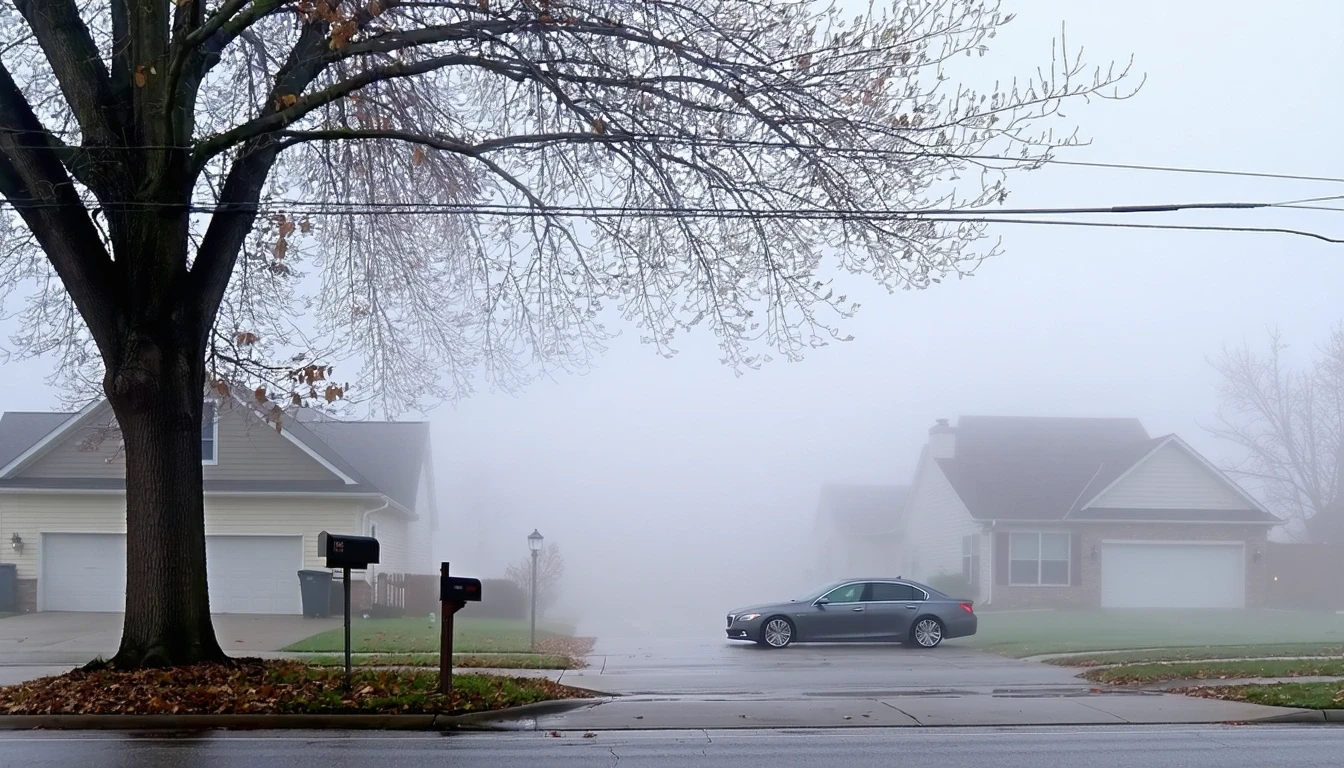
Aurora’s housing market reflects its role as a commuter city with rail connections to Chicago and a mixed urban form that includes both low-rise residential neighborhoods and corridor-clustered commercial zones. The median home value of $241,600 sits below the regional average for the Chicago metro area, making Aurora a practical entry point for buyers priced out of closer-in suburbs. But the affordability advantage comes with tradeoffs: ownership here means exposure to property tax volatility, maintenance demands driven by older housing stock, and heating costs that spike during extended cold seasons.
The rental market, with a median gross rent of $1,462 per month, offers predictability and lower upfront costs but less control over housing stability. Renters in Aurora face moderate rent burden relative to the $85,943 median household income, but they also benefit from reduced exposure to the long-term cost escalation that owners experience. The city’s pedestrian-to-road ratio exceeds high thresholds in certain areas, and rail service provides an alternative to car dependency for commuters, which changes the calculus for households deciding whether to invest in ownership near transit nodes or rent with flexibility.
What newcomers often misunderstand is that Aurora’s housing costs are shaped not just by purchase price or rent, but by the structural demands of maintaining a home through Midwest winters, the presence of older housing stock that requires more frequent repair, and the long-term tax exposure that comes with ownership in Illinois. The market rewards buyers who can absorb variability and plan for costs that don’t appear on a mortgage statement.
Renting in Aurora
Renting in Aurora costs $1,462 per month at the median, a figure that includes basic shelter but typically excludes utilities, parking, and storage. Rental availability concentrates along commercial corridors where food and grocery density reaches medium thresholds, meaning renters in these areas can reduce car dependency for errands. The city’s rail transit presence and walkable pockets allow some renters to avoid the cost and complexity of car ownership entirely, though this advantage diminishes in neighborhoods farther from transit nodes.
Rental pressure in Aurora remains moderate compared to closer-in Chicago suburbs, but the tradeoff is less housing stock turnover and fewer luxury-tier options. Renters here typically occupy older buildings where landlords control maintenance timing and quality, which can mean deferred repairs or inconsistent climate control during temperature extremes. The rental experience varies significantly by location: units near rail stations and within walkable pockets offer better access to parks, schools, and errands, while units in car-oriented zones require more planning and transportation investment.
For households prioritizing flexibility or unwilling to absorb ownership’s hidden costs, renting in Aurora provides a stable monthly expense and eliminates exposure to property tax increases, major repairs, and long-term maintenance cycles. But renters sacrifice control over housing stability and miss the equity-building component of ownership, which matters more in a market where home values remain accessible relative to income.
Owning a Home in Aurora
Ownership in Aurora begins with a $241,600 median home value, but the ongoing cost structure includes property taxes, insurance, maintenance, and utilities that fluctuate with weather, housing age, and local governance decisions. Illinois property taxes rank among the highest in the nation, and while Aurora’s specific rate isn’t provided in available data, owners should expect tax bills that represent a significant share of annual housing costs—often rivaling or exceeding mortgage principal and interest in later years of a loan.
Maintenance demands in Aurora are driven by cold winters that stress roofing, siding, and HVAC systems, as well as by an older housing stock that requires more frequent repair than newer construction. Heating costs dominate utility exposure during extended cold seasons, and natural gas prices of $15.48 per MCF combine with high usage months to create bills that renters in master-metered buildings avoid. Owners also face the cost of lawn care, snow removal, and exterior upkeep that renters delegate to landlords.
Ownership-specific exposures include property tax reassessments, which can increase annual costs without warning, and the risk of major system failures—furnaces, water heaters, roofs—that require immediate capital outlays. Homeowners associations, where present, add another layer of cost and governance, though HOA prevalence and fee structures aren’t detailed in available data. The ownership experience in Aurora rewards households with emergency reserves, tolerance for variable expenses, and willingness to manage long-term maintenance cycles.
For buyers, the advantage is control: fixed mortgage payments, equity accumulation, and the ability to modify property as needed. But that control comes with responsibility for every cost category that renters avoid, and the cumulative burden grows over time as systems age and tax assessments rise.
Apartment vs House in Aurora — Cost Behavior Comparison
The cost structure of apartments versus houses in Aurora differs not just in magnitude but in exposure type. The table below isolates categories where the distinction is shaped by local conditions—climate, housing stock, infrastructure, and governance—rather than universal housing differences.
| Expense Category | Apartment | House |
|---|---|---|
| Heating (Winter) | Lower usage; often master-metered or included; smaller volume to heat | Dominant cost driver during cold months; standalone systems; larger footprint increases exposure |
| Property Taxes | Indirect (embedded in rent); landlord absorbs volatility | Direct annual bill; subject to reassessment; often exceeds mortgage payment in later years |
| Exterior Maintenance | Landlord responsibility; tenant avoids snow removal, roof repair, siding | Owner responsibility; cold winters and aging stock increase frequency and cost |
| Mobility Costs | Apartments near rail and walkable pockets reduce car dependency; parking may be limited or costly | Houses in car-oriented zones require vehicle ownership; driveways reduce parking cost but increase commute exposure |
| Errands Accessibility | Corridor-clustered food and grocery options favor apartments near commercial zones | Houses in residential-only areas require longer trips; car dependency increases time and fuel costs |
Methodology Note: This comparison isolates cost categories where Aurora’s climate (cold winters), housing stock (older construction), infrastructure (rail transit, walkable pockets), and urban form (corridor-clustered errands) create meaningful differences. Categories omitted—such as insurance, utilities beyond heating, and interior maintenance—either behave similarly across housing types or lack sufficient local data to justify inclusion. The table reflects cost behavior and exposure, not total monthly amounts.
Utilities & Upkeep Differences
Utility and maintenance exposure in Aurora is shaped by extended cold seasons, older housing stock, and the city’s mixed urban form. Heating costs dominate winter months, with natural gas usage spiking as temperatures drop and furnaces run continuously. Houses face higher heating bills than apartments due to larger square footage, standalone HVAC systems, and greater exterior surface area exposed to cold air. Apartments, especially those in multi-unit buildings, benefit from shared walls and often include heat in rent or operate on master-metered systems that spread costs across tenants.
Electricity rates of 18.74¢ per kWh apply to both housing types, but usage patterns differ: houses typically run more lighting, appliances, and climate control zones, while apartments concentrate usage in smaller spaces. Cooling costs remain moderate compared to heating, but summer electricity bills still rise noticeably during hot stretches when air conditioning runs steadily.
Maintenance exposure for houses includes roof repair, siding replacement, and HVAC servicing that cold winters accelerate. Older housing stock—common in Aurora—requires more frequent attention to windows, insulation, and weatherproofing, all of which affect both utility efficiency and repair costs. Apartment dwellers avoid these expenses entirely, as landlords absorb the cost and timing of major repairs. The tradeoff is less control: renters can’t upgrade insulation or replace inefficient furnaces to lower their own bills.
Upkeep differences extend beyond utilities to include lawn care, snow removal, and exterior cleaning—tasks that house owners manage directly or pay contractors to handle. Apartments delegate these responsibilities to property management, reducing both cost and time burden. In Aurora, where snow accumulation and freeze-thaw cycles stress driveways and walkways, the maintenance advantage of apartment living is noticeable, though it comes at the cost of reduced space and autonomy.
Rent vs Buy: Long-Term Exposure in Aurora
The long-term cost structure of renting versus buying in Aurora differs in predictability, control, and exposure to external forces. Renters face annual lease renewals where landlords adjust rent based on market conditions, but the volatility is bounded: rent increases are visible, negotiable, and avoidable through relocation. Owners, by contrast, lock in mortgage payments but absorb property tax increases, insurance adjustments, and maintenance cycles that escalate as homes age. The predictability advantage of ownership applies only to the mortgage itself; the total cost of ownership rises over time as systems fail, taxes adjust, and deferred maintenance accumulates.
Ownership in Aurora rewards households with long time horizons and stable income, as equity accumulation offsets the cost volatility and capital outlays that come with maintaining a home through Midwest winters. Renters avoid the risk of major system failures and the exposure to property tax reassessments, but they also miss the wealth-building component of ownership and remain subject to landlord decisions about rent, property condition, and lease renewal.
The control tradeoff is significant: owners can renovate, refinance, and modify their property to suit changing needs, while renters must negotiate with landlords or relocate to adjust their housing situation. In a city like Aurora, where rail access and walkable pockets create location-specific advantages, the ability to choose and hold a well-positioned property matters more than in car-dependent suburbs where location differences are minimal.
For households with emergency reserves and tolerance for variable expenses, ownership in Aurora offers stability in housing control and long-term cost predictability, even as individual expense categories fluctuate. For those prioritizing flexibility, lower upfront costs, or avoidance of maintenance risk, renting provides a simpler cost structure and eliminates the exposure to ownership’s hidden burdens.
FAQs About Housing Costs in Aurora
What are the hidden costs of owning a home in Aurora?
Beyond the mortgage, owners in Aurora face property taxes that often rival monthly loan payments, heating bills that spike during cold winters, and maintenance costs driven by older housing stock and freeze-thaw cycles. Insurance, lawn care, snow removal, and major system repairs (furnaces, roofs, water heaters) add variability that renters avoid.
Is renting or buying more affordable in Aurora, IL?
Renting costs $1,462 per month at the median and avoids property taxes, maintenance, and major repair exposure. Buying offers a $241,600 median home value with fixed mortgage payments and equity accumulation, but ongoing costs—taxes, utilities, upkeep—often exceed rent over time. Affordability depends on household reserves, time horizon, and tolerance for variable expenses.
How do Aurora’s housing costs compare to nearby Chicago suburbs?
Aurora’s $241,600 median home value sits below many closer-in Chicago suburbs, making it a practical entry point for buyers priced out of higher-cost areas. Rent at $1,462 per month is moderate for the region. The tradeoff is longer commutes for some and exposure to Illinois property taxes, which rank among the highest in the nation.
Does Aurora’s rail access affect housing costs?
Rail transit presence allows some households to reduce or eliminate car ownership, which lowers transportation costs and changes the value equation for housing near stations. Properties in walkable pockets with rail access often command higher prices or rents, but the savings on commuting and errands can offset the premium for households that use transit regularly.
What housing type makes sense for families in Aurora?
Families benefit from Aurora’s integrated park access and school infrastructure, though playground density is lower than in some suburbs. Houses offer more space and control but require management of heating, maintenance, and yard upkeep. Apartments near parks and schools reduce maintenance burden but limit space and outdoor access. The choice depends on whether the household prioritizes space and control or simplicity and lower cost variability.
Making Housing Choices in Aurora
Housing costs in Aurora are shaped by ownership’s hidden burdens—property taxes, heating exposure, and maintenance cycles—and by the city’s infrastructure, which rewards households that can leverage rail access, walkable pockets, and integrated parks. Renters trade equity accumulation for predictability and reduced exposure to long-term cost escalation. Owners accept variability in exchange for control, stability, and wealth building, but only if they can absorb the ongoing costs that cold winters, aging housing stock, and Illinois tax policy impose.
The decision between renting and buying in Aurora depends on household reserves, time horizon, and willingness to manage costs that fluctuate with weather, governance, and housing age. For those seeking flexibility and simplicity, renting offers a stable monthly expense and eliminates maintenance risk. For those prepared to manage variability and invest in long-term stability, ownership provides control and equity accumulation in a market where entry prices remain accessible relative to income.
Understanding what a budget has to handle in Aurora requires looking beyond the mortgage or rent check to the full cost structure—utilities, upkeep, transportation, and taxes—that defines the true expense of housing in this city. For households evaluating whether Aurora fits their financial profile, the cost of living in Aurora: the tradeoffs behind the total offers a broader view of how housing integrates with other expense categories. And for those planning a move, understanding pods vs trucks: which move is best for you can help manage the upfront logistics of relocation.
How this article was built: In addition to public economic data, this article incorporates location-based experiential signals derived from anonymized geographic patterns—such as access density, walkability, and land-use mix—to reflect how day-to-day living actually feels in Aurora, IL.