
“I chose Aurora because I could actually afford my own room, the light rail gets me to campus in 30 minutes, and I’m not stuck in some isolated student ghetto. There’s actual life here—parks, grocery stores I can walk to, coffee shops that aren’t just campus chains.” — Maya T., CU Denver student, living in Aurora since 2023
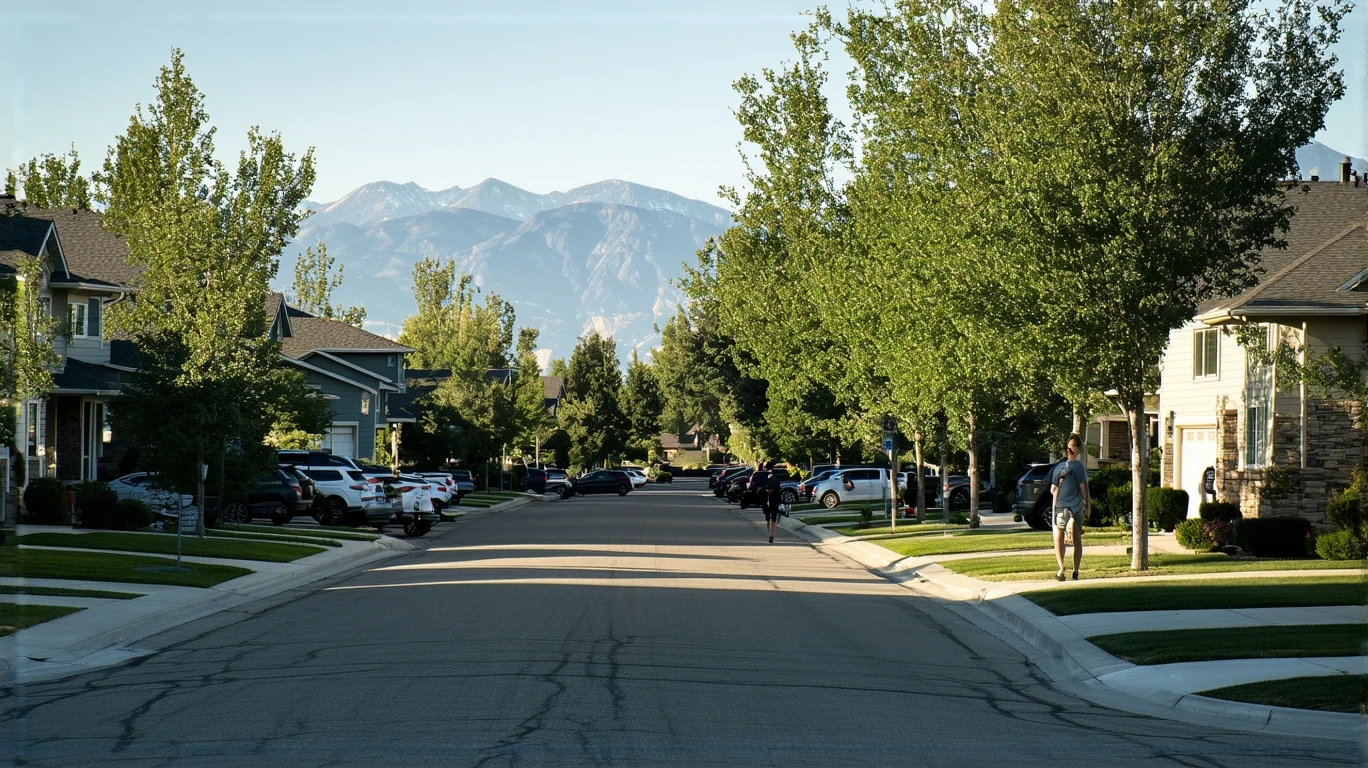
Why Students Choose Aurora for College Living
Aurora doesn’t market itself as a college town, and that’s precisely why many students find it works. As Colorado’s third-largest city and a diverse suburb east of Denver, Aurora offers something increasingly rare in metro-area student housing markets: access without the campus premium. Students attending University of Colorado Denver, Metropolitan State University, Community College of Denver, or Regis University discover that Aurora’s rail transit, walkable pockets, and broadly accessible errands create a functional base for college life—often at lower cost than neighborhoods closer to campus.
The city’s student-friendliness profile scores approximately 72 out of 100—not elite, but solidly practical. That rating reflects Aurora’s strengths in transit connectivity, everyday accessibility, and affordability for shared housing, balanced against the reality that it lacks dedicated student districts, campus-adjacent nightlife, or university-specific infrastructure. For students willing to trade dorm-style convenience for lower rent and real-neighborhood living, Aurora delivers a workable equation.
What makes Aurora particularly appealing right now is how its infrastructure aligns with car-light student living. The pedestrian-to-road ratio exceeds high thresholds in certain areas, bike infrastructure is notably present throughout parts of the city, and food and grocery density both exceed high thresholds. That means students can structure daily life around transit, biking, and walking—critical when car ownership, insurance, and parking costs can rival rent itself. Rail service provides direct access to downtown Denver and campus districts, while integrated park density and water features offer recreational outlets that don’t require a gym membership or entertainment budget.
Housing Options for Students in Aurora
Aurora’s rental market operates on general-population terms, not student-specific leasing cycles. Median gross rent stands at $1,651 per month, which immediately signals that solo living requires either substantial financial aid, family support, or full-time income. Most students approach Aurora housing as a shared-cost proposition: two-bedroom apartments split between roommates, or three-bedroom units divided among small groups, bringing individual costs into the $550–$825 range depending on location and condition.
The city doesn’t have purpose-built student housing complexes with August move-in cycles and nine-month leases. Instead, students navigate standard year-long leases, typical security deposits (often one month’s rent), and landlord expectations that mirror the broader rental market. That structure requires more planning than campus housing but also offers more flexibility—students can stay through summer without dorm evictions, and lease renewals don’t force annual moves if the situation works.
Location matters significantly for student housing decisions in Aurora. Areas near light rail stations—particularly along the R Line corridor—command higher interest because they eliminate car dependency for campus commutes. Neighborhoods with higher pedestrian infrastructure density and mixed land use offer walk-to amenities that reduce daily friction: grocery stores, coffee shops, pharmacies within pedestrian range rather than requiring drives. Students often find that proximity to these accessibility features offsets slightly higher rent through reduced transportation and convenience costs.
Roommate-finding typically happens through university housing boards, Facebook groups, or Craigslist rather than institutionalized matching services. Lease terms are negotiated with individual landlords or property management companies, and student status doesn’t automatically confer advantages—credit checks, income verification (or co-signers), and rental history matter. The process demands more adult responsibility than dorm assignments, but it also builds real-world housing skills that serve students well after graduation.
Getting Around: Transportation and Campus Access
Aurora’s transit infrastructure is the cornerstone of its student viability. Rail service is present, specifically the RTD R Line, which connects Aurora to downtown Denver, the Auraria Campus (home to CU Denver, MSU Denver, and CCD), and other metro destinations. For students attending these institutions, the rail line transforms Aurora from “too far” to “30-minute commute”—comparable to many students’ experiences living in campus-adjacent neighborhoods with traffic congestion.
RTD offers student passes and discounted fare programs, though costs vary by institution and enrollment status. A monthly regional pass typically provides unlimited rail and bus access, and when compared to car ownership—insurance, gas at $2.53 per gallon, parking permits, maintenance—the math heavily favors transit for students whose primary travel need is campus access. The average commute time in Aurora is 29 minutes, which aligns closely with rail travel times to Denver campuses, suggesting that students’ commute experiences mirror those of working residents.
Aurora’s notable bike infrastructure—with bike-to-road ratios exceeding high thresholds—provides a complementary mobility layer. Students can bike to rail stations, around neighborhoods for errands, and to local job sites without car dependency. The city’s pedestrian infrastructure, particularly in walkable pockets where the pedestrian-to-road ratio is high, supports foot traffic for daily needs. Grocery density and food establishment density both exceed high thresholds, meaning students in well-located apartments can handle weekly shopping, coffee shop study sessions, and meal routines on foot or bike.
Car ownership remains common among Aurora students, but it’s not the necessity it would be in purely car-oriented suburbs. Students attending campuses with limited parking, high permit costs, or urban locations often find that keeping a car in Aurora for occasional use—weekend trips, grocery runs, visits home—while relying on transit and biking for daily campus commutes offers the best balance. Ride-sharing costs for late-night returns or off-schedule trips are manageable when not used daily, and the presence of both residential and commercial land use in mixed areas reduces the frequency of needing rides for basic errands.
Student Cost of Living in Aurora
Building a realistic student budget for Aurora requires acknowledging that regional price parity sits at 105—meaning costs run about 5% above the national baseline. That modest premium shows up across categories: groceries, services, and general expenses all carry slight upcharges compared to lower-cost metros, though Aurora remains more affordable than Denver’s core neighborhoods or Boulder.
Housing dominates student budgets, as it does for all renters. With median rent at $1,651, students sharing a two-bedroom apartment might each pay $825 before utilities, while a three-person split could bring individual costs to $550–$600. Utilities—electricity at 16.26¢ per kWh and natural gas at $12.26 per MCF—add seasonal variability, with summer cooling and winter heating creating monthly swings. Shared housing distributes these costs, but students should budget for $50–$100 per month in utilities depending on unit size and efficiency.
Food costs reflect both the regional price premium and student shopping patterns. Grocery density exceeding high thresholds means students have competitive options—chain supermarkets, discount grocers, ethnic markets—which supports budget-conscious shopping. Students cooking most meals might spend $200–$300 monthly on groceries, while those mixing home cooking with campus dining plans or frequent restaurant meals could see food costs reach $400–$500. Coffee shop study sessions, a staple of student life, add incremental costs that accumulate quickly if not tracked.
Transportation costs vary dramatically based on student choices. A monthly RTD pass might cost $100–$120 for regional access, while car owners face insurance (often $100–$200 monthly for young drivers), gas, parking, and maintenance. Students biking and using transit can keep transportation under $150 monthly; those driving regularly may spend $300–$400. The 8.6% work-from-home percentage in Aurora suggests most residents commute, and students attending Denver campuses face similar patterns—transit costs are unavoidable but manageable with student discounts.
Part-time work opportunities benefit from Aurora’s 4.5% unemployment rate, which indicates reasonable job availability. Students find positions in retail (grocery stores, restaurants, chains), service industries, and gig economy roles. Typical student wages in Colorado range from minimum wage ($14.42 in 2024) to $18–$20 for skilled positions, meaning 15–20 hours weekly can cover rent’s share, while 25–30 hours approaches full cost-of-living coverage for frugal budgets. The presence of both hospital facilities and high food establishment density creates diverse employment options beyond campus jobs.
Monthly Student Budget in Aurora
Here’s what a typical monthly student budget might look like in Aurora:
| Expense Category | Shared Housing (per person) | Solo Living |
|---|---|---|
| Rent | $550–$825 | $1,400–$1,800 |
| Utilities | $50–$100 | $100–$150 |
| Groceries/Food | $250–$400 | $300–$500 |
| Transportation | $100–$150 (transit/bike) | $250–$400 (with car) |
| Internet/Phone | $40–$60 | $80–$120 |
| Textbooks/Supplies | $50–$150 (averaged) | $50–$150 |
| Entertainment/Social | $100–$200 | $150–$300 |
| Personal Care | $50–$100 | $75–$150 |
| Miscellaneous | $75–$150 | $100–$200 |
| Total | $1,265–$2,135 | $2,505–$3,770 |
Estimates based on average student spending patterns and local costs. Actual expenses vary by lifestyle, academic program, and individual choices. Transportation costs assume transit/bike use for shared housing and car ownership for solo living scenarios.
Student-Friendly Amenities and Services
Aurora’s amenity landscape reflects its character as a working suburb rather than a college town, but that structure offers unexpected advantages for students. The city’s integrated park density—exceeding high thresholds with water features present—provides free recreational space that substitutes for expensive gym memberships or entertainment budgets. Students run, bike, play pickup sports, and study outdoors in parks that function as community resources rather than campus quads.
Study spaces outside of campus libraries exist but require some searching. Coffee shops with reliable Wi-Fi serve as default study halls, and the high density of food establishments means students have options beyond Starbucks—local cafes, chain alternatives, and restaurants with off-peak seating tolerance. Public library branches offer quiet study environments, computer access, and extended hours, though they lack the campus-library ecosystem of course reserves and peer study groups.
Healthcare access benefits from Aurora’s hospital presence and pharmacy availability. Students not covered by campus health center services can access urgent care, clinics, and emergency services locally rather than traveling to Denver. Mental health resources exist through county programs and private providers, though availability and cost vary significantly—students should verify insurance coverage and sliding-scale options. The presence of strong family infrastructure (schools and playgrounds meeting density thresholds) indicates a community orientation that includes family medicine and pediatric care, though student-specific health services remain campus-based.
Student discounts at local businesses are hit-or-miss. Aurora doesn’t have the concentrated student-discount culture of Boulder or Fort Collins, where university ID cards unlock deals at dozens of establishments. Instead, students find occasional discounts at chains (movie theaters, retail stores, restaurants with national student programs) but shouldn’t expect widespread local participation. That said, the broadly accessible errands environment—with grocery and food density both high—creates natural price competition that benefits all budget-conscious residents, students included.
Campus job opportunities for Aurora residents depend on commute willingness. Students attending Auraria Campus institutions can access on-campus employment but face the same competition as Denver-resident students. Off-campus jobs in Aurora itself—retail, food service, healthcare support roles—often offer more hours and flexibility than campus positions, and the 4.5% unemployment rate suggests employers actively hire. The tradeoff is that off-campus jobs don’t integrate with academic schedules as seamlessly and require more boundary-setting around work-school balance.
Social Scene and Nightlife for Students
Aurora’s social landscape is where its non-college-town identity becomes most apparent. The city doesn’t have a student district with concentrated bars, music venues, and age-targeted nightlife. Instead, students access Denver’s social scene via rail transit—downtown Denver, LoDo, RiNo, and Capitol Hill offer the clubs, live music, and late-night options that traditional college towns build around campuses. That geography means Aurora functions as a residential base rather than a social hub, which works well for students who prefer separating living space from party zones but less well for those who want nightlife at their doorstep.
Local social opportunities in Aurora center on community events rather than student-specific programming. The city’s mixed land use and walkable pockets create neighborhood gathering spots—coffee shops, casual restaurants, parks hosting festivals and concerts—that serve diverse age groups. Students participate in these spaces as residents rather than as a distinct demographic, which can feel either refreshingly normal or isolating depending on personality and social needs.
Campus social events, student organizations, and intramural sports remain the primary social infrastructure for students living in Aurora. The rail commute means students can participate in evening campus activities and return home, though late-night events (post-10 PM) require either ride-sharing or careful transit schedule checking. Students heavily involved in campus life—Greek organizations, club sports, student government—often find Aurora’s distance creates friction, while those with more independent social patterns appreciate the separation.
Dating and social networking for Aurora-based students happen primarily through campus connections, apps, and Denver’s broader young-adult scene. The city’s diversity—reflected in its demographic mix and range of cultural amenities—offers social variety, but students need to actively seek it rather than having it delivered through dorm culture or campus programming. For students comfortable with self-directed social lives and willing to use transit to access Denver’s offerings, Aurora provides affordable home base; for those who thrive on constant campus immersion, the distance creates real costs in time and spontaneity.
Safety and Practical Considerations
Safety considerations for students in Aurora require neighborhood-level assessment rather than city-wide generalizations. Like most mid-sized cities, Aurora has variation: some areas are quiet residential neighborhoods with low crime, others have higher property crime rates or safety concerns. Students should research specific neighborhoods, visit at different times of day, and consult campus safety resources or local police data before signing leases. The presence of hospital facilities and emergency services means response infrastructure exists, but prevention through smart location choices matters more.
Transit safety—particularly for evening and late-night rail travel—deserves attention. RTD trains and stations generally maintain good safety records, but students should practice standard urban transit awareness: stay alert, travel in groups when possible for late-night returns, and have backup transportation options (ride-sharing apps, emergency contacts) for situations where waiting alone feels uncomfortable. The rail line’s route through Denver means students gain experience with urban transit safety practices that serve them well in any city.
Academic support services for Aurora-resident students come primarily through campus resources rather than local infrastructure. Universities offer tutoring, writing centers, academic advising, and disability services, but students face the same access as all commuters—services are available during campus hours, which requires schedule planning. The lack of nearby campus satellite offices or community-based academic support means students need strong self-advocacy and time management skills to access help when needed.
Internship and career opportunities benefit from Aurora’s position in the Denver metro economy. Students can access internships in Denver’s downtown business district, tech corridor, healthcare systems, and government agencies via the same rail transit used for campus commutes. Aurora itself offers opportunities in healthcare (hospital and clinic systems), retail management, and service industries. The regional economy’s diversity means students in most majors can find relevant experience, though competition includes students from all metro-area institutions.
FAQs About Student Life in Aurora
What’s the average cost of student living in Aurora?
Students sharing housing typically spend $1,265–$2,135 monthly including rent, utilities, food, and transportation. Solo living pushes costs to $2,505–$3,770 monthly. The biggest variable is housing choice—shared apartments bring costs into manageable range for students working part-time, while solo living requires substantial financial support or full-time income. Transportation decisions (transit versus car ownership) create the second-largest cost swing.
How safe is it for students to live off-campus in Aurora?
Safety varies by neighborhood. Students should research specific areas, visit at multiple times, and consult local crime data before committing to leases. Transit safety for evening campus returns requires standard urban awareness—travel in groups when possible, stay alert, have backup transportation options. Aurora’s hospital presence and emergency services provide response infrastructure, but smart location choices and personal safety practices matter most.
Are there good part-time job opportunities for students?
Yes. Aurora’s 4.5% unemployment rate indicates active hiring, and students find work in retail, food service, healthcare support, and gig economy roles. Typical wages range from $14.42 (minimum wage) to $18–$20 for skilled positions. Working 15–20 hours weekly can cover a shared-housing rent portion; 25–30 hours approaches full cost-of-living coverage for frugal budgets. Off-campus jobs often offer more hours than campus positions but require stronger work-school boundary management.
What’s the social scene like for college students in Aurora?
Aurora functions as a residential base rather than a social hub. The city lacks concentrated student nightlife districts, so students access Denver’s bars, clubs, and music venues via rail transit. Local social opportunities center on community events, coffee shops, and parks rather than student-specific programming. Students who prefer separating living space from party zones appreciate this structure; those wanting nightlife at their doorstep may find it limiting. Campus social events and organizations remain the primary social infrastructure.
Making the Decision: Is Aurora Right for Your College Years?
Aurora works best for students who value affordability and real-neighborhood living over campus-adjacent convenience. If you’re attending a Denver-area university, comfortable with 30-minute rail commutes, and willing to share housing to keep costs manageable, Aurora delivers functional infrastructure at lower cost than Denver’s core neighborhoods. The city’s transit connectivity, walkable pockets, and broadly accessible errands support car-light living—critical when transportation costs rival rent.
The city’s limitations are equally clear: no student district, no campus-adjacent nightlife, no purpose-built student housing. You’ll navigate standard leases, year-long commitments, and landlord relationships that demand more adult responsibility than dorm assignments. Social life requires either active campus engagement (with commute time factored in) or comfort building connections outside traditional college-town structures. Late-night campus events create logistics challenges, and spontaneous campus socializing requires planning rather than happening organically.
For students with strong self-direction, budget consciousness, and appreciation for diverse community living, Aurora offers a viable path through college years. You’ll build real-world skills—transit navigation, lease negotiation, neighborhood assessment, work-school balance—that serve you well after graduation. You’ll live in an actual city with parks, grocery stores, and community infrastructure rather than an artificial student bubble. And you’ll likely graduate with less debt or more savings than peers paying campus-adjacent premiums.
Before committing, visit Aurora multiple times: ride the rail line during your planned commute hours, explore neighborhoods near stations, walk the routes you’d use for errands, and honestly assess whether the tradeoffs align with your college priorities. Talk to current students making the Aurora commute, understand the time costs and logistics friction, and verify that your academic program’s schedule (lab hours, evening classes, early morning requirements) works with transit timing. Aurora can absolutely support successful college years—but only if you choose it with clear eyes about what it offers and what it doesn’t.
How this article was built: In addition to public economic data, this article incorporates location-based experiential signals derived from anonymized geographic patterns—such as access density, walkability, and land-use mix—to reflect how day-to-day living actually feels in Aurora, CO.