
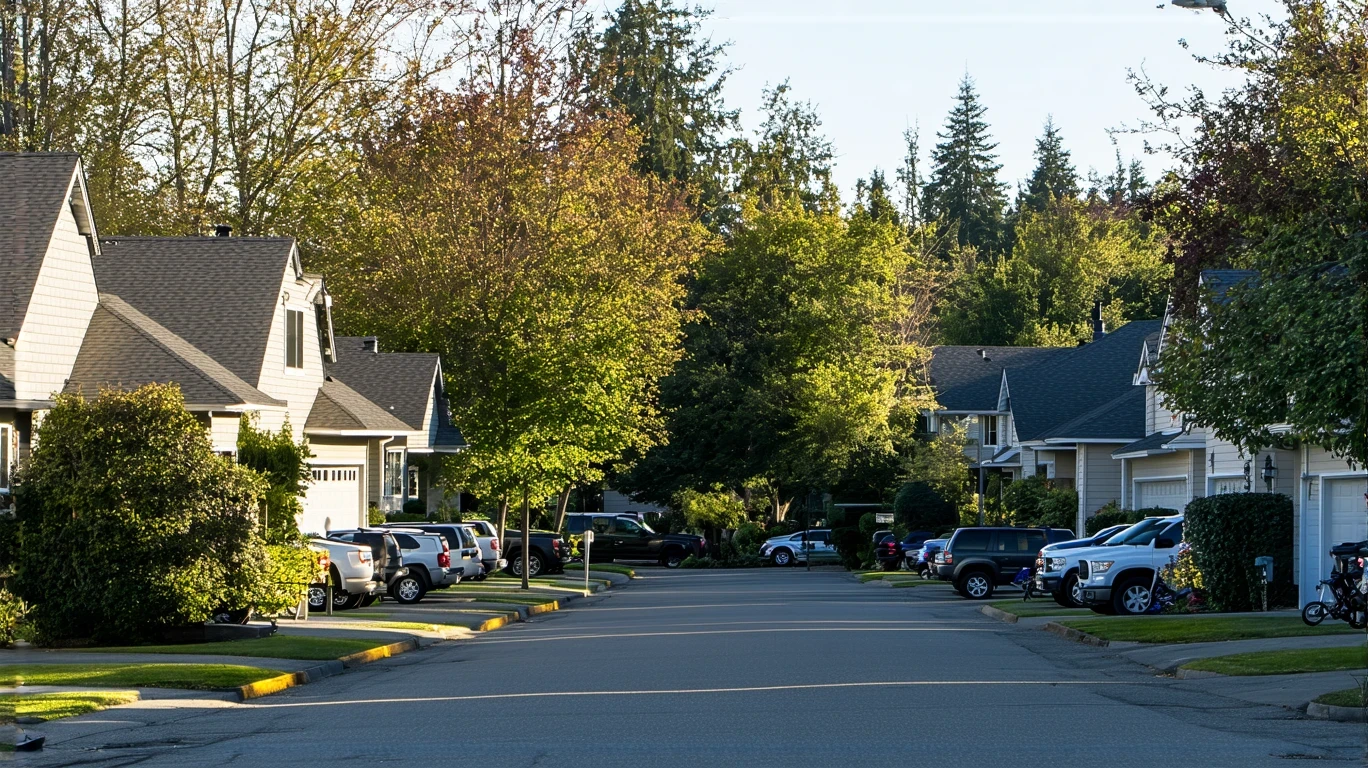
Auburn and Seattle sit within the same metro area, share the same utility providers, and experience similar Pacific Northwest weather patterns—yet the day-to-day cost experience in each city feels distinctly different. The choice between them isn’t about which is universally cheaper, but about where cost pressure concentrates and which household priorities dominate your decision. In 2026, families weighing space against convenience, commuters trading time for housing savings, and professionals balancing career access with predictability all face different tradeoffs depending on which costs matter most to their specific situation.
Auburn offers a lower housing entry point and integrated green space access, but households here navigate longer average commutes and errands that cluster along specific corridors rather than spreading evenly across neighborhoods. Seattle delivers shorter commutes, hospital-level healthcare access, and broadly accessible daily errands, but the housing market demands a significantly higher upfront commitment. Both cities provide rail transit and walkable pockets, yet the texture of daily logistics—how you move, where you shop, and how much time you spend managing household needs—differs in ways that reshape monthly budgets without changing a single line item’s price.
Understanding these structural differences matters more than comparing totals. The same gross income can feel stable in one city and tight in the other, not because prices are universally higher, but because the cost structure rewards different household strategies and penalizes different vulnerabilities.
Housing Costs
Housing represents the most visible cost difference between Auburn and Seattle, and it’s not subtle. Auburn’s median home value sits at $460,100, while Seattle’s reaches $879,900—a gap that translates directly into down payment requirements, monthly mortgage obligations, and property tax exposure. For renters, the difference is less dramatic but still meaningful: Auburn’s median gross rent is $1,594 per month compared to Seattle’s $1,945 per month. These aren’t just numbers on a lease—they represent the baseline cost that must be covered before any other household expense enters the picture.
The housing stock in each city reflects different development patterns and household priorities. Auburn’s mixed building height profile and corridor-clustered errands suggest a suburban form where single-family homes dominate, offering more space per dollar but requiring more intentional planning around where you live relative to grocery stores, schools, and services. Seattle’s more vertical building character and broadly accessible errands create a denser urban fabric where apartments and condos are more common, space costs more per square foot, but daily logistics require less driving and advance planning. Families prioritizing yard space, garage storage, and room for kids to spread out may find Auburn’s housing market more accommodating, while professionals valuing walkable access to daily needs and shorter commutes may accept Seattle’s higher entry cost as a trade for reduced friction elsewhere.
Ownership timelines matter here. Auburn’s lower home values mean smaller down payments and lower monthly mortgage obligations, but they also mean building equity more slowly in absolute dollar terms. Seattle’s higher entry barrier filters out some first-time buyers entirely, but those who clear it gain exposure to a market with historically stronger appreciation trends and more liquidity when it’s time to sell. Renters face a different calculus: Auburn’s lower rent leaves more monthly flexibility for other goals, while Seattle’s higher rent buys proximity to job centers, transit hubs, and amenities that can reduce transportation and time costs.
| Housing Type | Auburn | Seattle |
|---|---|---|
| Median Home Value | $460,100 | $879,900 |
| Median Gross Rent | $1,594/month | $1,945/month |
The housing takeaway is conditional, not universal. Auburn fits households where housing entry cost is the primary constraint—where getting into a home or securing a lease with lower monthly obligations creates breathing room for other financial goals. Seattle fits households where housing cost is secondary to access, time savings, and reduced logistical friction—where paying more upfront reduces the cumulative cost of commuting, errands, and managing a car-dependent lifestyle. Neither city is “cheaper” in housing; they simply reward different priorities and penalize different vulnerabilities.
Utilities and Energy Costs
Utility costs in Auburn and Seattle operate under identical rate structures—both cities pay 14.06¢/kWh for electricity and $24.71/MCF for natural gas—but the way those rates translate into household bills depends more on housing type, home age, and square footage than on geography. Pacific Northwest winters are mild compared to colder climates, but extended heating seasons still drive natural gas usage from October through April. Summers remain temperate, keeping cooling costs modest for most households, though newer construction with better insulation and modern HVAC systems consistently outperforms older housing stock in both cities.
Auburn’s mixed building height profile and prevalence of single-family homes mean many households heat and cool larger square footage than typical Seattle apartments or townhomes. A 1,500-square-foot house in Auburn will generally consume more energy than a 900-square-foot condo in Seattle, even at identical rates, simply because there’s more interior volume to condition. Older homes—common in both cities but more prevalent in Auburn’s suburban corridors—often lack modern insulation, double-pane windows, and efficient furnaces, which translates to higher baseline usage during heating months. Renters in Auburn may face less control over these variables, as landlords set the efficiency standard and tenants absorb the seasonal volatility.
Seattle’s more vertical building character introduces a different dynamic. Apartments and condos benefit from shared walls, reducing heat loss and lowering per-unit energy consumption. Multi-family buildings often centralize heating systems, which can smooth out individual volatility but also limit control over thermostat settings and usage patterns. Renters in Seattle may see more predictable utility bills year-round, while homeowners in Auburn experience wider swings between summer and winter months. Neither city escapes the Pacific Northwest’s damp, overcast climate, which keeps humidity levels moderate and reduces the need for dehumidifiers or aggressive air conditioning, but it also means heating systems run longer than in sunnier, drier regions.
Utility exposure varies most by household composition and housing choice. Single adults in small Seattle apartments face minimal baseline usage and predictable bills, while families in larger Auburn homes manage higher absolute costs but gain more space and storage. Couples splitting utility costs in either city find the burden manageable, but those in older, less efficient housing—regardless of location—face the steepest seasonal swings. Efficiency upgrades like programmable thermostats, weatherstripping, and attic insulation reduce exposure in both cities, but the decision to invest in those upgrades often depends on whether you own or rent, and how long you plan to stay.
Utility takeaway: Auburn households experience more volatility tied to home size and age, with heating costs dominating winter months and larger square footage amplifying baseline usage. Seattle households benefit from more predictable utility exposure in multi-family housing, though single-family homeowners face similar seasonal swings. The primary driver isn’t the city—it’s the housing type, insulation quality, and square footage you’re conditioning. Households sensitive to seasonal cost swings should prioritize newer construction and smaller footprints, regardless of location.
Groceries and Daily Expenses
Grocery and daily spending pressure in Auburn and Seattle stems less from price differences—both cities share the same regional price parity index of 113—and more from how accessibility, convenience, and household habits shape where you shop and how often. Auburn’s corridor-clustered food and grocery options mean households plan trips around specific commercial strips rather than walking to a nearby store on a whim. Seattle’s broadly accessible daily errands allow more spontaneous, smaller shopping trips, which can either reduce waste or increase convenience spending depending on household discipline.
In Auburn, grocery shopping typically involves driving to a big-box store or regional chain, loading up for the week, and minimizing return trips. This pattern rewards households that plan meals in advance, buy in bulk, and have storage space for pantry staples and freezer items. Families with kids, couples managing dual schedules, and anyone prioritizing cost per unit over convenience will find Auburn’s grocery landscape accommodating. The tradeoff is time: errands require intentional planning, and forgetting an ingredient means another drive rather than a quick walk.
Seattle’s denser urban fabric and higher concentration of neighborhood grocery stores, corner markets, and prepared food options create a different spending dynamic. Households here can walk or take transit to grab fresh produce, pick up dinner ingredients, or stop for coffee without starting the car. This accessibility reduces the friction of daily errands but increases the temptation to spend incrementally—grabbing takeout instead of cooking, buying smaller quantities at higher per-unit prices, or stopping for convenience items that add up over the month. Single adults and couples without kids often find this pattern liberating, while families managing larger grocery volumes may feel the cost creep of frequent, smaller trips.
Dining out and convenience spending follow similar patterns. Auburn’s car-oriented layout means fewer walkable restaurants and coffee shops, which naturally limits impulse spending but also reduces spontaneous social opportunities. Seattle’s walkable corridors and transit access make it easier to meet friends for dinner, grab lunch near work, or stop for a drink after errands—all of which feel frictionless in the moment but compound over the month. Households with tight budgets or specific savings goals may find Auburn’s structure protective, while those valuing flexibility and social access may prefer Seattle’s options despite the higher temptation to spend.
Grocery takeaway: Auburn fits households that plan ahead, buy in bulk, and prioritize cost per unit over convenience—families, couples with storage space, and anyone comfortable with weekly shopping trips. Seattle fits households that value spontaneous access, smaller living spaces, and walkable errands—single adults, professionals, and couples willing to trade higher convenience spending for reduced car dependence. The cost difference isn’t in the prices; it’s in how the built environment shapes your spending habits and whether you’re disciplined enough to resist the convenience premium.
Taxes and Fees
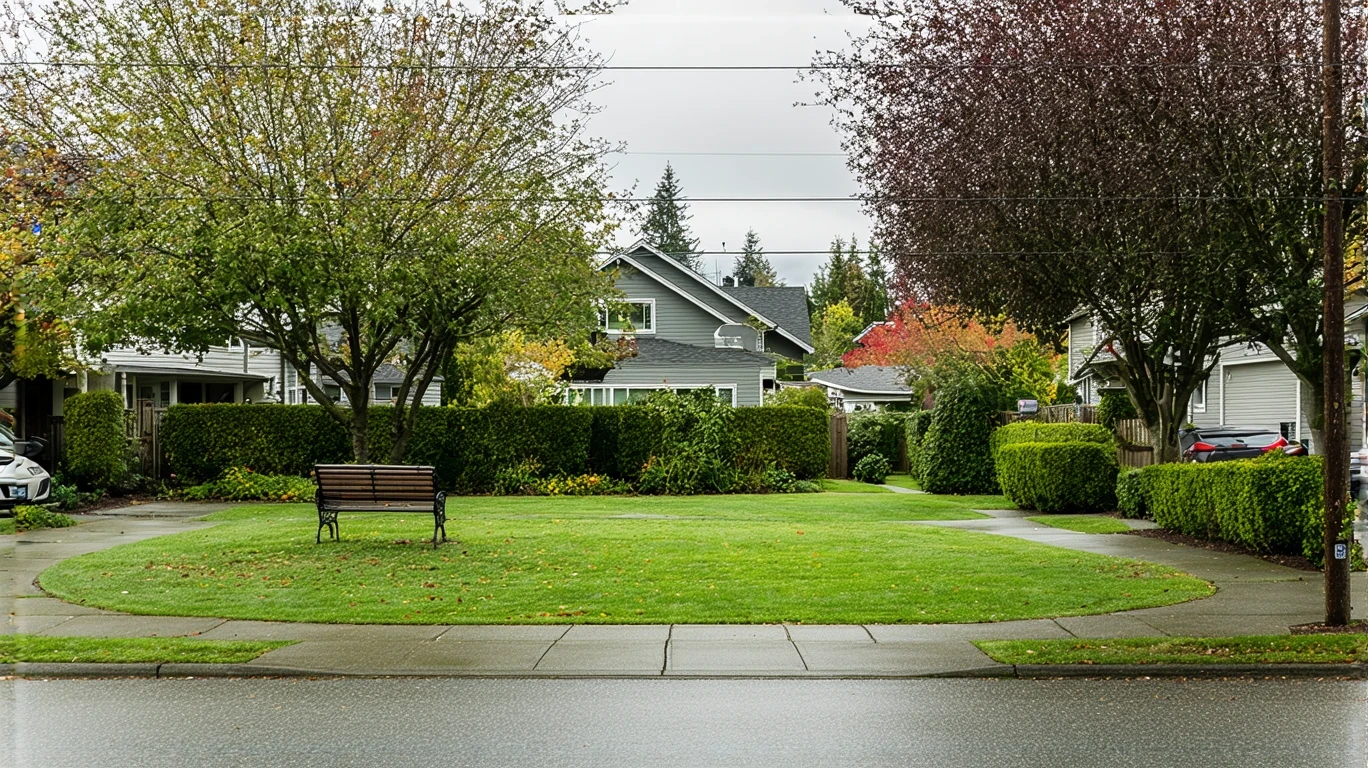
Washington State imposes no personal income tax, which simplifies the tax picture for both Auburn and Seattle residents—but property taxes, sales taxes, and local fees still create meaningful differences in how tax burdens distribute across household types. Property taxes in both cities fund schools, infrastructure, and local services, but the assessed value gap between Auburn and Seattle means homeowners in Seattle face significantly higher annual property tax bills in absolute dollars, even if the effective rate remains similar. A home valued at $460,100 in Auburn generates a smaller tax obligation than one valued at $879,900 in Seattle, and that difference compounds every year you own the property.
Sales taxes apply uniformly across the region, but spending patterns differ. Auburn households driving to big-box stores for bulk purchases pay sales tax on larger, less frequent transactions, while Seattle households making smaller, more frequent purchases at neighborhood retailers pay the same rate but spread it across more trips. The cumulative effect is similar, but the psychological experience differs—Auburn residents see bigger sales tax line items less often, while Seattle residents see smaller amounts more frequently. Neither city escapes Washington’s relatively high sales tax burden, but the structure of daily life shapes how visible that burden feels month to month.
Local fees introduce another layer of variability. Auburn’s suburban form means more single-family homes with individual utility hookups, trash service, and water billing, which can create more predictable but also more numerous monthly fees. Seattle’s denser housing stock often bundles some services into HOA fees or building assessments, which can simplify billing but also reduce transparency and control. Homeowners in both cities face ongoing maintenance costs, but Auburn’s larger lots and single-family homes often require more landscaping, exterior upkeep, and seasonal maintenance, while Seattle’s condos and townhomes shift some of that burden to HOA-managed services.
Renters in both cities avoid property taxes directly, but landlords pass those costs through in rent pricing. Auburn’s lower home values mean lower property tax exposure for landlords, which can translate to more stable rent renewals over time. Seattle’s higher property taxes create upward pressure on rent, especially in buildings where property values have appreciated significantly. Renters planning to stay several years should consider how property tax trends and local levy cycles might affect future rent increases, even if they don’t pay the tax bill directly.
Tax and fee takeaway: Auburn homeowners face lower absolute property tax obligations due to lower home values, while Seattle homeowners pay more in property taxes but gain access to denser infrastructure and services. Renters in Auburn benefit from lower baseline rent partly due to reduced property tax passthrough, while Seattle renters absorb higher property tax exposure but gain walkable access to amenities. The primary difference is magnitude and predictability—Auburn’s lower home values create smaller, more stable tax obligations, while Seattle’s higher values amplify both the tax burden and the potential for future appreciation.
Transportation & Commute Reality
Commute patterns in Auburn and Seattle reveal one of the most tangible daily cost differences between the two cities, and it’s not about gas prices—both pay $3.80/gal—but about time, frequency, and the structural friction of getting to work. Auburn residents face an average commute of 31 minutes, with 49.9% of workers enduring long commutes that stretch beyond typical thresholds. Seattle’s average commute is shorter at 27 minutes, and 43.2% face long commutes, a meaningful reduction that compounds over weeks and months. Only 14.4% of Auburn workers have the option to work from home, compared to just 6.3% in Seattle, suggesting Auburn’s job base skews toward roles requiring physical presence, while Seattle’s lower work-from-home rate may reflect its concentration of in-office professional roles despite tech industry flexibility.
Auburn’s longer commutes and corridor-clustered errands create a car-dependent daily rhythm for most households. Rail transit is present, offering a viable option for commuters heading into Seattle’s urban core, but the pedestrian-to-road ratio suggests walkability exists in pockets rather than uniformly across the city. Households here typically drive to work, drive to groceries, and drive to most errands, which means transportation costs show up not just in gas but in vehicle maintenance, insurance, and the time cost of managing a car-dependent lifestyle. Families with multiple drivers face compounded exposure—two cars, two insurance policies, two sets of maintenance schedules.
Seattle’s shorter average commute and broadly accessible daily errands reduce the necessity of car ownership for some households, particularly those living near transit hubs or within walkable neighborhoods. Rail service is present and cycling infrastructure is more developed, creating alternatives for commuters willing to adapt their routines. Single adults and couples without kids can often manage with one car or no car at all, relying on transit, biking, or walking for most daily needs. Families with school-age children face more complexity—Seattle’s strong family infrastructure (schools and playgrounds meeting density thresholds) helps, but juggling multiple schedules still often requires a vehicle.
The time cost of commuting matters as much as the financial cost. Auburn’s longer average commute means households lose more hours per week to transportation, which reduces flexibility for errands, childcare pickups, and personal time. Seattle’s shorter commute creates more breathing room in daily schedules, which can translate to less stress, more meal-prep time, and fewer convenience purchases driven by time scarcity. Households where both adults work full-time feel this difference most acutely—every extra minute spent commuting is a minute not available for cooking, exercise, or managing household logistics.
Transportation takeaway: Auburn fits households willing to trade longer commutes and car dependence for lower housing costs, particularly those with flexible schedules or single-earner households where one adult manages most errands. Seattle fits households prioritizing shorter commutes, transit access, and reduced car dependence, especially dual-income couples and professionals where time scarcity drives convenience spending. The cost difference isn’t just gas—it’s time, vehicle maintenance, and the cumulative friction of managing a car-dependent lifestyle versus a more walkable, transit-accessible routine.
Cost Structure Comparison
Housing dominates the cost experience in both Auburn and Seattle, but the pressure manifests differently. Auburn’s lower entry barrier—both for buyers and renters—creates immediate monthly flexibility, allowing households to allocate more income toward savings, debt repayment, or discretionary spending. Seattle’s higher housing costs consume a larger share of gross income upfront, but that investment buys proximity to job centers, shorter commutes, and walkable access to daily needs that reduce transportation and time costs. Families prioritizing space and lower baseline obligations lean toward Auburn, while professionals and couples valuing time savings and reduced logistical friction lean toward Seattle.
Utilities introduce more volatility in Auburn due to the prevalence of single-family homes with larger square footage and older housing stock. Seattle’s denser, more vertical building character smooths out seasonal swings for apartment and condo dwellers, though single-family homeowners in either city face similar heating-season exposure. The difference is less about the city and more about the housing type you choose—smaller, newer, multi-family units deliver more predictable utility costs regardless of location.
Transportation patterns matter more in Auburn, where longer commutes and car dependence create ongoing friction that compounds over time. Seattle’s shorter average commute and transit viability reduce the necessity of vehicle ownership for some households, particularly those without kids or with flexible work arrangements. The time cost of Auburn’s commute structure affects household logistics as much as the financial cost, limiting flexibility for errands, childcare, and personal time in ways that ripple through the monthly budget.
Daily living and groceries reveal structural differences in how households manage routine spending. Auburn’s corridor-clustered errands reward planning, bulk buying, and storage space, making it a better fit for families and couples who shop weekly and cook at home. Seattle’s broadly accessible daily errands reduce friction but increase the temptation to spend incrementally on convenience, takeout, and smaller, more frequent purchases. Households with tight budgets or specific savings goals may find Auburn’s structure protective, while those valuing spontaneity and walkable access may prefer Seattle’s options despite the convenience premium.
The better choice depends on which costs dominate your household. For families sensitive to housing entry barriers, Auburn’s lower home values and rent create immediate breathing room. For professionals sensitive to time scarcity and commute friction, Seattle’s shorter commutes and walkable errands reduce the cumulative cost of managing daily logistics. For households sensitive to convenience spending creep, Auburn’s car-oriented structure imposes natural discipline. For households sensitive to car dependence and vehicle maintenance, Seattle’s transit and bike infrastructure offer viable alternatives. Neither city is universally cheaper—they simply reward different priorities and penalize different vulnerabilities.
How the Same Income Feels in Auburn vs Seattle
Single Adult
Housing becomes non-negotiable first, and the difference between Auburn’s lower rent and Seattle’s higher rent determines how much flexibility remains for everything else. In Auburn, car ownership and insurance become mandatory due to corridor-clustered errands and limited transit coverage, which absorbs the savings from lower rent. In Seattle, transit and walkability create the option to skip car ownership entirely, freeing up cash but requiring proximity to transit hubs. Flexibility exists in Auburn if you’re disciplined about convenience spending, while Seattle’s walkable errands increase temptation to spend incrementally on takeout and coffee.
Dual-Income Couple
Housing and transportation costs hit simultaneously, and the tradeoff between Auburn’s lower entry cost and Seattle’s shorter commutes becomes the defining decision. In Auburn, two cars often become necessary, doubling insurance and maintenance exposure but allowing more housing space per dollar. In Seattle, one car or no car becomes viable if both adults work near transit, reducing vehicle costs but requiring higher rent for walkable proximity. Flexibility appears in Auburn through lower baseline obligations, while Seattle’s structure rewards couples who can coordinate schedules and share transportation without friction.
Family with Kids
Housing space and school access become non-negotiable first, and Auburn’s lower home values deliver more square footage and yard space for the same monthly obligation. Commute friction becomes a daily reality in Auburn, with longer drives and corridor-dependent errands requiring more advance planning and time management. In Seattle, shorter commutes and stronger family infrastructure (schools and playgrounds meeting density thresholds) reduce logistical friction, but higher housing costs and limited space create pressure elsewhere. Flexibility in Auburn comes from lower housing entry and more physical space, while Seattle’s flexibility comes from reduced time costs and walkable access to parks and services.
Decision Matrix: Which City Fits Which Household?
| Decision factor | If you’re sensitive to this… | Auburn tends to fit when… | Seattle tends to fit when… |
|---|---|---|---|
| Housing entry + space needs | You prioritize lower upfront costs and more square footage per dollar | Lower home values and rent create immediate monthly flexibility and space for families | You value proximity to job centers and walkable neighborhoods over space and entry cost |
| Transportation dependence + commute friction | You want shorter commutes and viable alternatives to car ownership | You’re willing to accept longer commutes and car dependence in exchange for housing savings | Shorter average commutes and transit access reduce time costs and vehicle dependence |
| Utility variability + home size exposure | You prefer predictable utility bills and smaller square footage to condition | You prioritize space over predictability and can manage seasonal heating swings | Denser housing and multi-family buildings smooth out seasonal volatility for most households |
| Grocery strategy + convenience spending creep | You plan meals in advance, buy in bulk, and avoid impulse purchases | Corridor-clustered errands reward weekly shopping trips and reduce convenience temptation | You value walkable access to groceries and dining even if it increases incremental spending |
| Fees + friction costs (HOA, services, upkeep) | You want lower absolute property tax obligations and predictable maintenance costs | Lower home values reduce property tax exposure and create more stable long-term obligations | You accept higher property taxes in exchange for denser infrastructure and bundled services |
| Time budget (schedule flexibility, errands, logistics) | You prioritize time savings and reduced logistical friction over lower baseline costs | You have flexible schedules or single-earner households where one adult manages errands | Shorter commutes and walkable errands reduce cumulative time costs and scheduling friction |
Lifestyle Fit
Auburn and Seattle offer distinct lifestyle textures shaped by their built environments, commute realities, and daily accessibility patterns. Auburn’s integrated green space access—park density exceeding high thresholds and water features present—creates strong outdoor recreation opportunities despite its suburban form. Families with kids benefit from ample park space, though limited school density means households should research specific neighborhoods carefully before committing. The city’s walkable pockets and rail transit presence provide alternatives to driving in certain areas, but the overall texture remains car-oriented, with errands clustering along commercial corridors rather than spreading evenly across residential neighborhoods.
Seattle’s more vertical building character and broadly accessible daily errands create a denser urban experience where walking, biking, and transit become viable daily tools rather than occasional alternatives. The city’s notable cycling infrastructure and high pedestrian-to-road ratio support active transportation, while hospital-level healthcare access and strong family infrastructure (both schools and playgrounds meeting density thresholds) reduce the logistical burden of managing household needs. Integrated green space access matches Auburn’s outdoor opportunities, but Seattle’s parks and water features sit within a more walkable, transit-connected framework that reduces the need to drive for recreation.
Cultural and recreational differences reflect each city’s role within the metro. Auburn functions as a commuter suburb with a quieter, more residential character, where social life often revolves around home-based activities, neighborhood parks, and regional destinations reached by car. Seattle serves as the metro’s urban core, with concentrated dining, entertainment, and cultural venues that support spontaneous social activity and walkable nightlife. Households valuing a slower pace, more private outdoor space, and separation between home and work life often prefer Auburn’s structure, while those prioritizing walkable social access, cultural density, and shorter commutes lean toward Seattle.
Lifestyle factors indirectly affect costs in both cities. Auburn’s car dependence increases transportation expenses and time costs, but lower housing costs create flexibility for other priorities. Seattle’s walkable structure reduces vehicle dependence and time costs, but higher housing costs and convenience spending temptation can erode that flexibility. Families with school-age children face different tradeoffs: Auburn offers more space and lower entry costs but limited school density, while Seattle provides stronger family infrastructure and shorter commutes but higher housing costs and less space per dollar.
Auburn’s average commute of 31 minutes exceeds Seattle’s 27-minute average by a meaningful margin that compounds over weeks and months.
Seattle’s 6.3% work-from-home rate is lower than Auburn’s 14.4%, suggesting different job base compositions despite both cities’ proximity.
Frequently Asked Questions
How do housing costs in Auburn compare to Seattle in 2026, and which city fits first-time buyers better?
Auburn’s median home value of $460,100 sits significantly below Seattle’s $879,900, creating a lower entry barrier for first-time buyers who prioritize getting into ownership with smaller down payments and monthly mortgage obligations. Seattle’s higher home values filter out some buyers entirely but offer proximity to job centers, shorter commutes, and walkable access to daily needs. First-time buyers sensitive to upfront costs and willing to accept longer commutes fit Auburn better, while those prioritizing time savings and reduced car dependence may find Seattle’s higher entry cost worthwhile despite the larger financial commitment.
Where do transportation costs hit harder—Auburn or Seattle—and how does commute time affect household budgets in 2026?
Transportation costs in Auburn show up more in time and vehicle dependence than in gas prices, with an average commute of 31 minutes and 49.9% of workers facing long commutes. Seattle’s shorter 27-minute average commute and broadly accessible errands reduce the necessity of car ownership for some households, particularly those near transit hubs. Auburn households typically need at least one car, often two for dual-income families, which compounds insurance, maintenance, and time costs. Seattle households can sometimes manage with one car or no car, reducing vehicle expenses but requiring higher rent for walkable proximity. The cost difference is less about gas and more about cumulative time lost to commuting and the friction of managing a car-dependent lifestyle.
Do groceries and daily expenses cost more in Seattle than Auburn in 2026, or is the difference about access and convenience?
Both cities share the same regional price parity index of 113, meaning grocery prices are similar at the checkout line. The difference is structural: Auburn’s corridor-clustered errands reward households that plan weekly shopping trips, buy in bulk, and have storage space, while Seattle’s broadly accessible daily errands make it easier to grab items on foot or via transit but increase the temptation to spend incrementally on convenience, takeout, and smaller purchases. Families and couples who cook at home and shop strategically often find Auburn’s structure protective, while single adults and professionals valuing spontaneous access may prefer Seattle’s walkable options despite the convenience premium.
How do utilities and energy costs compare between Auburn and Seattle in 2026, and which city has more predictable bills?
Both cities pay identical utility rates—14.06¢/kWh for electricity and $24.71/MCF for natural gas—but household bills differ based on housing type, square footage, and home age. Auburn’s prevalence of single-family homes means many households heat and cool larger spaces, creating more seasonal volatility during Pacific Northwest winters. Seattle’s denser, more vertical housing stock smooths out utility costs for apartment and condo dwellers, though single-family homeowners face similar exposure. Predictability is