
Which city gives you more for your money? Auburn and Kent sit just miles apart in Washington’s Seattle metro area, sharing the same regional economy, utility providers, and commute corridors—yet the way cost pressure shows up in daily life differs in ways that matter for renters, first-time buyers, and families managing tight budgets in 2026. Both cities attract households looking for more space than Seattle proper offers, but the decision between them isn’t about finding the cheaper option. It’s about understanding where your money goes first, which costs you can control, and how the structure of each city shapes what flexibility looks like when income stays the same but expenses don’t.
Auburn and Kent aren’t dramatically different on paper. Median household incomes hover around $87,000, unemployment sits at 4.1% in both cities, and energy costs reflect the same regional grid. But housing entry points diverge, transit access creates different time-versus-money tradeoffs, and the texture of daily errands—how far you drive, how often you plan trips, whether walking works—affects convenience spending in ways that compound over months. For households where every hundred dollars matters, these structural differences determine whether a place feels manageable or constantly tight, even when paychecks look identical.
This comparison explains how cost pressure concentrates differently in Auburn versus Kent, not which city costs less overall. The better choice depends on which expenses dominate your household, how much control you need over variable costs, and whether front-loaded housing barriers or ongoing transportation friction matter more to your financial stability.
Housing Costs
Housing entry costs separate Auburn and Kent more clearly than any other category. Auburn’s median home value sits at $460,100, while Kent’s reaches $478,400—an $18,300 difference that translates directly into down payment requirements, mortgage approval thresholds, and monthly principal-and-interest obligations for buyers. For renters, the gap narrows but persists: Auburn’s median gross rent is $1,594 per month, compared to Kent’s $1,742, a $148 monthly difference that accumulates to nearly $1,800 annually before any lease renewal adjustments.
These aren’t just numbers—they’re barriers. A household stretching to save for a down payment faces weeks or months of additional saving to access Kent’s housing stock, and that delay can mean missing favorable interest rate windows or watching inventory tighten further. For renters, the $148 gap might seem modest, but it’s the difference between meeting the 3x-income rule comfortably or needing a co-signer, between having a repair fund or living paycheck-to-paycheck. Auburn’s lower entry point doesn’t make housing cheap—it makes it accessible to households earning closer to the metro median without requiring dual incomes or financial help from family.
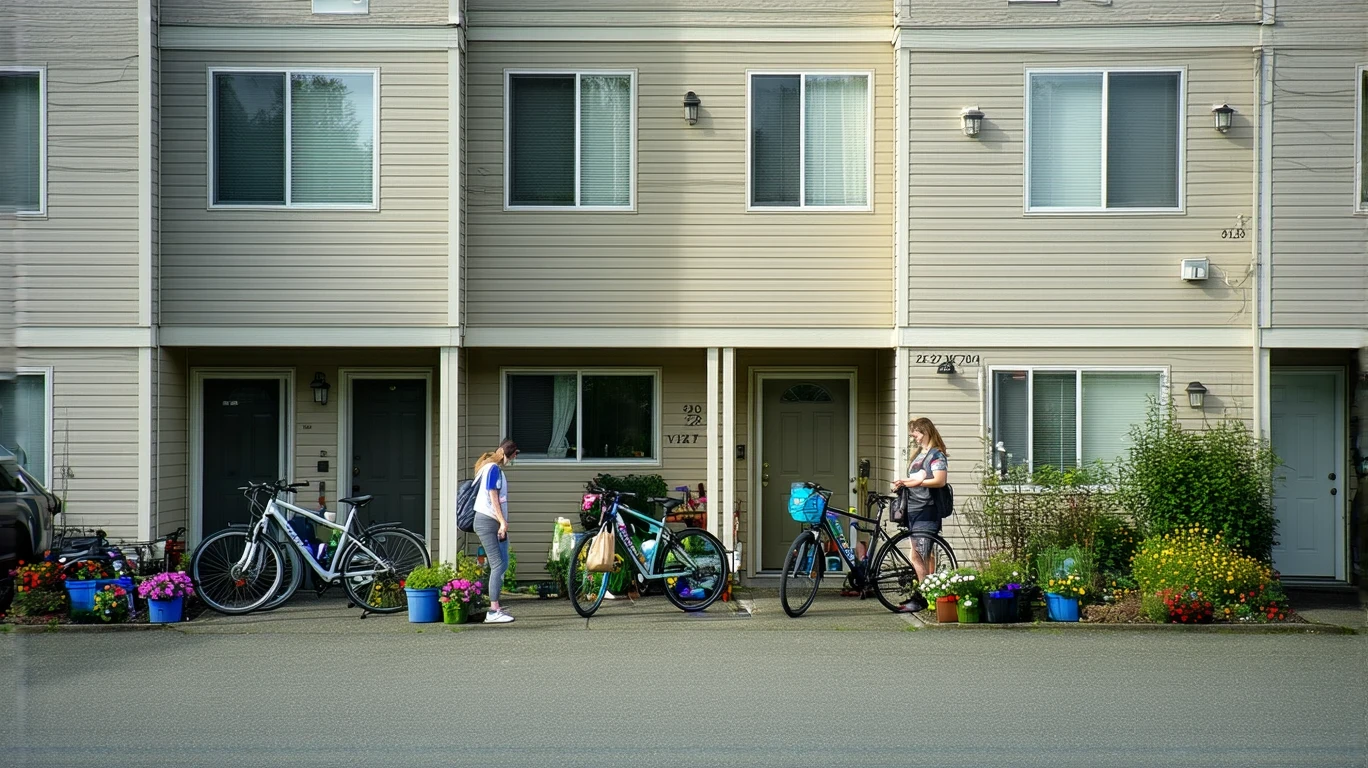
Both cities skew toward single-family homes rather than dense apartment corridors, which means renters often compete for a smaller pool of units, and rental availability can tighten faster than in cities with more multifamily construction. Auburn shows mixed building heights and integrated land use, suggesting more variety in housing form—duplexes, townhomes, older apartment complexes—that can create price flexibility for renters willing to trade square footage for location. Kent’s housing stock leans newer in many neighborhoods, which can mean lower immediate maintenance costs but higher base rents and stricter lease terms.
| Housing Type | Auburn | Kent | What This Means |
|---|---|---|---|
| Median Home Value | $460,100 | $478,400 | Kent requires higher down payment, stronger approval |
| Median Gross Rent | $1,594/month | $1,742/month | Auburn offers lower monthly obligation, easier income qualification |
| Housing Form | Mixed heights, integrated land use | Newer stock in many areas | Auburn may offer more variety; Kent may mean lower immediate upkeep |
For first-time buyers, Auburn’s lower entry cost reduces the time needed to save and the income required to qualify, making homeownership accessible sooner. For renters, Auburn’s rent structure leaves more room for emergency savings or debt paydown, while Kent’s higher baseline rent tightens monthly cash flow from day one. For families prioritizing space, both cities offer single-family options, but Auburn’s pricing allows larger homes or better school-zone access at the same budget level. The housing takeaway is clear: Auburn reduces the entry barrier and ongoing obligation, while Kent’s higher costs reflect newer construction and tighter rental markets that favor households with stronger income stability or dual earners.
Utilities and Energy Costs
Utilities in Auburn and Kent operate under identical rate structures—both cities pay 14.06¢ per kWh for electricity and $24.71 per thousand cubic feet (MCF) for natural gas, reflecting their shared position within the Puget Sound energy grid. This means the price per unit of energy doesn’t differ, but how much energy a household uses—and how predictably bills arrive each month—depends on housing age, home size, and how well insulation and HVAC systems manage the Pacific Northwest’s cool, damp winters and mild summers.
Auburn’s housing stock shows mixed building heights and integrated land use, suggesting a blend of older single-family homes, mid-century construction, and newer developments. Older homes often mean less efficient windows, minimal insulation, and aging furnaces that cycle more frequently during winter months, driving up natural gas usage when temperatures drop. Apartments and townhomes in Auburn’s more walkable pockets tend to share walls, reducing heating exposure but increasing baseline electricity use year-round. Kent’s newer housing stock in many neighborhoods typically means better insulation, modern HVAC systems, and tighter building envelopes that reduce both heating and cooling costs—but these homes often come with larger square footage, which offsets efficiency gains when heating or cooling more rooms.
Seasonality matters more than most households expect. Western Washington winters aren’t extreme, but they’re long and damp, requiring consistent heating from October through April. Natural gas bills rise steadily during these months, and households in older Auburn homes may see sharper spikes when cold snaps hit. Summer cooling costs remain modest compared to hotter regions—air conditioning isn’t universal, and many households rely on fans or open windows—but newer Kent homes with central AC face higher baseline electricity use even in mild weather. Predictability favors households in newer construction with programmable thermostats and better insulation, while volatility hits harder in older homes where drafts, poor seals, and aging systems create surprise bills.
Household size and home type amplify these differences. A single adult renting a one-bedroom apartment in Auburn faces lower total utility costs due to smaller square footage, but older buildings may lack individual climate control, leading to inefficient heating. A family in a 2,000-square-foot single-family home in Kent benefits from modern efficiency but heats and cools more space, raising baseline usage. Couples in townhomes split the difference—shared walls reduce heating exposure, but older Auburn townhomes may still see higher winter bills than newer Kent equivalents. Utility cost exposure in both cities depends less on rates and more on housing form, age, and how much control a household has over insulation, thermostat settings, and appliance efficiency.
The utility takeaway: Auburn and Kent share identical energy pricing, but Auburn’s older, mixed housing stock introduces more volatility and less predictability, especially for renters in older buildings. Kent’s newer construction offers more stable, efficient performance, but larger homes and higher baseline square footage mean efficiency gains don’t always translate to lower bills. Households sensitive to seasonal spikes and unpredictable heating costs may find Kent’s newer stock easier to manage, while those prioritizing lower baseline usage and smaller spaces may prefer Auburn’s apartment and townhome options.
Groceries and Daily Expenses
Grocery prices in Auburn and Kent reflect the same regional cost structure—both cities share a Regional Price Parity (RPP) index of 113, meaning staple items like bread, milk, eggs, and ground beef cost the same at checkout whether you’re shopping in one city or the other. But how grocery spending feels in daily life depends less on per-pound pricing and more on how far you drive to shop, how often you make trips, and whether your neighborhood supports quick errands or requires planned, consolidated runs that encourage bulk buying and reduce flexibility.
Auburn shows corridor-clustered food and grocery access, with food establishment density exceeding high thresholds but grocery density sitting in the medium band. This suggests that while restaurants, cafes, and convenience stores concentrate along main corridors, full-service grocery options require more intentional trips. Households living near these corridors can walk or make short drives for prepared food and daily essentials, but families stocking a week’s worth of groceries often drive farther or rely on big-box stores outside immediate neighborhoods. Kent’s grocery landscape isn’t captured in the available data, but its newer housing stock and suburban form typically mean grocery access clusters near major intersections and shopping centers, requiring car trips for most households.
The real cost difference shows up in convenience spending—how often you grab coffee, pick up takeout, or stop for a quick meal because planning a full grocery trip feels like too much friction. Auburn’s higher food establishment density along walkable corridors makes it easier to spend incrementally on prepared food, which can erode grocery budgets if not managed carefully. A household that walks to a cafe twice a week or picks up lunch near a transit stop spends less per trip than a sit-down restaurant, but those $8–$12 transactions add up faster than cooking at home. Kent’s car-oriented access reduces spontaneous spending but increases the planning burden—every grocery trip requires driving, parking, and loading, which encourages larger, less frequent shops that favor bulk buying and meal prep discipline.
Household size and income sensitivity shape how these patterns play out. A single adult in Auburn benefits from walkable food access and can balance convenience spending with smaller grocery hauls, but risks spending more on prepared food if proximity makes it too easy. A family with kids in Kent faces higher logistical friction—every grocery run requires coordinating schedules, loading car seats, and managing larger volumes—but bulk buying at warehouse stores or discount chains can lower per-unit costs if the household has storage space and discipline. Couples in either city split the difference, but those in Auburn’s corridor-clustered areas may find it easier to supplement grocery trips with quick stops, while Kent couples need stronger meal planning to avoid multiple car trips per week.
The grocery takeaway: Auburn and Kent share identical baseline grocery prices, but Auburn’s corridor-clustered access creates more convenience spending temptation and flexibility for smaller households, while Kent’s car-dependent grocery access rewards planning, bulk buying, and discipline. Households sensitive to incremental spending creep may find Kent’s structure easier to control, while those prioritizing walkable access and spontaneous errands may prefer Auburn’s food-dense corridors—as long as they manage the convenience spending that comes with proximity.
Taxes and Fees
Washington State operates without a personal income tax, which means Auburn and Kent households avoid the paycheck withholding and annual filing burden common in other states. Instead, cost pressure from taxes and fees shows up through property taxes for homeowners, sales taxes on everyday purchases, and local fees for utilities, trash, and services. Both cities sit within King County, sharing the same regional sales tax structure, but property tax rates, special assessments, and fee schedules can differ based on local levies, school district funding, and municipal service models.
Property taxes hit homeowners as a recurring annual obligation tied to assessed home value, and because Kent’s median home value sits higher at $478,400 compared to Auburn’s $460,100, Kent homeowners face a proportionally higher property tax bill even if millage rates align closely. Property taxes in both cities fund schools, fire districts, libraries, and local infrastructure, and voters periodically approve levies that adjust rates. Homeowners planning to stay several years should expect property tax obligations to rise gradually as home values appreciate, but the rate of increase depends on local levy outcomes and countywide assessment cycles, not individual home improvements.
Sales taxes apply uniformly across both cities for most purchases—groceries remain exempt, but dining out, retail goods, and services all carry the same regional rate. This means households don’t gain a tax advantage by shopping in one city versus the other, but spending habits still matter. Households that dine out frequently, buy new goods rather than used, or rely on services like car repairs and home maintenance pay sales tax on every transaction, and those costs accumulate invisibly over months. Renters avoid property taxes directly but often pay them indirectly through rent, as landlords factor tax obligations into lease pricing.
Local fees—trash collection, water, sewer, stormwater—vary by provider and service model. Some neighborhoods bundle these into HOA fees, while others bill separately through municipal utilities. Auburn’s mixed housing stock and integrated land use suggest a blend of fee structures, with older neighborhoods often paying a la carte and newer developments consolidating fees into HOA dues. Kent’s newer housing stock may mean higher HOA prevalence, which can simplify budgeting by bundling services but reduces flexibility if a household wants to opt out or negotiate individual costs. Homeowners in HOA-governed communities also face special assessments for capital improvements—roof replacements, road repaving, common area upgrades—that arrive as lump-sum bills or temporary fee increases.
The tax and fee takeaway: Auburn and Kent share the same sales tax structure and avoid state income tax, but Kent’s higher home values translate to higher property tax obligations for owners, and HOA fees may be more common in Kent’s newer developments. Auburn’s lower home values reduce ongoing property tax exposure, and its mixed housing stock offers more variety in fee structures, giving households more control over which services they pay for separately. Renters in both cities feel tax pressure indirectly through rent pricing, but homeowners planning to stay long-term face more predictable obligations in Auburn due to lower baseline home values and less reliance on HOA-bundled fees.
Transportation & Commute Reality
Commute patterns in Auburn and Kent look nearly identical on paper—Auburn averages 31 minutes per trip, Kent 30 minutes, and both cities see roughly half of workers enduring long commutes exceeding 45 minutes (49.9% in Auburn, 48.3% in Kent). Work-from-home rates remain modest, at 14.4% in Auburn and 12.0% in Kent, meaning the vast majority of households still depend on cars, transit, or a combination of both to reach jobs scattered across the Seattle metro. Gas prices sit at $3.80 per gallon in both cities, reflecting regional pricing rather than local variation, so fuel costs don’t differ based on where you fill up.
But commute friction—the time, predictability, and flexibility a household experiences getting to work and running errands—differs in ways that shape daily logistics and long-term cost exposure. Auburn shows rail transit presence and walkable pockets with a high pedestrian-to-road ratio, meaning households near transit stations or corridor-clustered commercial areas can reduce car dependency for some trips. Rail service connects Auburn to Seattle and other metro job centers, offering a predictable, fixed-cost alternative to driving during peak hours when traffic congestion adds unpredictability to commute times. Households that can walk to a station or bus stop avoid parking fees, reduce fuel consumption, and gain time back during commutes by working or reading instead of driving.
Kent lacks the same transit infrastructure detail in the available data, and its car-oriented suburban form typically means most households drive for nearly every trip—commuting, groceries, errands, school drop-offs. This doesn’t make Kent unlivable, but it does mean transportation costs concentrate in fuel, vehicle maintenance, insurance, and the time cost of driving. A household commuting 25 miles round trip five days a week burns roughly 5 gallons of gas weekly at typical fuel efficiency, translating to $19 per week or $76 per month in fuel alone before accounting for oil changes, tire wear, brake service, and the depreciation that comes with higher annual mileage. Kent’s slightly shorter average commute time suggests proximity to job centers or less congested routes, but without transit alternatives, every trip requires a car, and every car requires ongoing cash outflow.
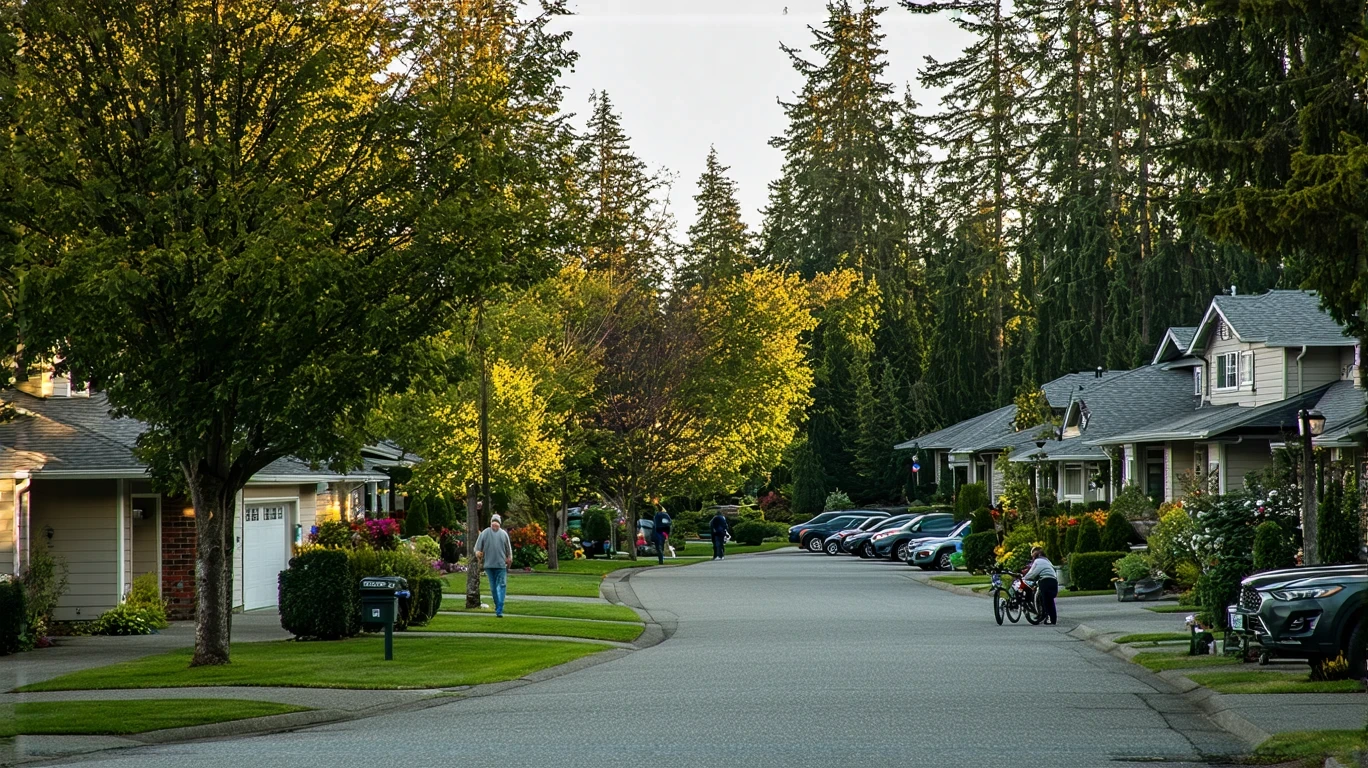
Auburn’s walkable pockets and integrated park access also reduce the need for recreational driving—households can walk to green space, run errands on foot in corridor-clustered areas, and combine trips more easily when destinations sit closer together. Kent’s newer, more spread-out development pattern often means driving to parks, gyms, and social activities, which adds mileage and time even on weekends. For families managing multiple schedules—school, activities, appointments—Auburn’s transit and walkable infrastructure can reduce the number of trips requiring a second car, while Kent’s car dependency makes dual-vehicle ownership more necessary for households with two working adults or older teens.
The transportation takeaway: Auburn and Kent share similar commute times and gas prices, but Auburn’s rail transit and walkable pockets reduce car dependency for households near transit corridors, lowering fuel costs and offering time-versus-money flexibility. Kent’s car-oriented structure concentrates transportation costs in vehicle ownership, fuel, and maintenance, with less opportunity to reduce driving through transit or walking. Households sensitive to ongoing vehicle costs and time friction may find Auburn’s transit access valuable, while those prioritizing shorter average commutes and newer road infrastructure may prefer Kent’s slightly faster drive times—as long as they accept the need for reliable car access.
Cost Structure Comparison
Housing dominates the cost experience in both Auburn and Kent, but the pressure shows up differently depending on whether you’re entering the market or managing ongoing obligations. Auburn’s lower median home value and rent create a more accessible entry point, reducing the savings timeline for buyers and leaving renters with more monthly breathing room. Kent’s higher housing costs reflect newer construction and tighter rental markets, which favor households with dual incomes or stronger financial cushions but offer more predictable maintenance and lower immediate upkeep risk. For households where the first few months of rent or the down payment timeline determines whether a move happens at all, Auburn’s structure reduces the barrier.
Utilities introduce similar exposure in both cities due to identical energy rates, but Auburn’s older, mixed housing stock creates more volatility—drafty windows, aging furnaces, and less efficient insulation mean winter heating bills can spike unpredictably. Kent’s newer homes perform more consistently, with better insulation and modern HVAC systems that smooth out seasonal swings, but larger square footage offsets efficiency gains. Households sensitive to surprise bills and seasonal budget strain may find Kent’s predictability easier to manage, while those prioritizing smaller baseline usage and lower rent may accept Auburn’s utility variability as a tradeoff for housing affordability.
Daily living costs—groceries, dining, convenience spending—don’t differ in baseline pricing, but Auburn’s corridor-clustered food access and walkable pockets create more opportunities for incremental spending. Households near Auburn’s commercial corridors can walk to cafes, restaurants, and convenience stores, which reduces driving but increases the temptation to spend on prepared food. Kent’s car-dependent grocery access rewards discipline and bulk buying, reducing spontaneous spending but requiring more planning and time. For households where convenience spending creep erodes budgets, Kent’s structure imposes more friction, while Auburn’s walkability offers flexibility that requires self-control.
Transportation patterns matter more in Auburn than Kent, not because commute times differ significantly, but because Auburn offers alternatives. Rail transit and walkable infrastructure let households near transit corridors reduce car dependency, lowering fuel costs and creating time-versus-money flexibility. Kent’s car-oriented structure concentrates transportation costs in vehicle ownership, fuel, and maintenance, with less opportunity to reduce driving. For households managing tight budgets or trying to avoid a second car, Auburn’s transit access provides meaningful relief, while Kent’s slightly shorter average commute time offers marginal time savings but requires reliable vehicle access.
The decision isn’t about which city costs less overall—it’s about which cost structure aligns with how your household earns, spends, and manages variability. Households sensitive to housing entry barriers and ongoing rent obligations may prefer Auburn’s lower baseline costs and transit flexibility, even if utility bills and convenience spending require more active management. Households prioritizing predictable utility performance, newer housing stock, and streamlined grocery logistics may find Kent’s higher entry cost worth the tradeoff for more stable ongoing expenses—as long as dual incomes or strong savings cover the initial barrier. For families where time friction, school access, and park availability matter as much as monthly cash flow, Auburn’s integrated green space and mixed land use offer logistical advantages, while Kent’s newer construction and lower immediate maintenance risk appeal to households willing to pay more upfront for fewer surprises later.
How the Same Income Feels in Auburn vs Kent
Single Adult
For a single adult, housing becomes the non-negotiable cost first, and Auburn’s lower rent leaves more room for debt paydown, emergency savings, or discretionary spending. Flexibility exists in transportation—Auburn’s rail transit and walkable corridors reduce the need for a car or allow a household to drive less, lowering fuel and maintenance exposure. Kent’s higher rent tightens monthly cash flow from the start, and car dependency eliminates the option to reduce transportation costs, meaning every dollar saved on groceries or utilities gets absorbed by housing and vehicle obligations. Commute friction matters less when you’re managing one schedule, but Auburn’s transit access creates time flexibility that Kent’s car-only structure doesn’t offer.
Dual-Income Couple
For a couple, housing costs still dominate, but dual incomes make Kent’s higher entry point more manageable if both partners work full-time. Predictability becomes more valuable—Kent’s newer housing stock and stable utility performance reduce the risk of surprise maintenance or seasonal bill spikes, which matters when both partners commute and have less time to manage household friction. Auburn’s lower rent and transit access offer more flexibility, but convenience spending creep—grabbing coffee, dining out near walkable corridors—can erode the savings if not managed carefully. The role of commute friction shifts depending on whether both partners work in the same direction or need separate vehicles, and Auburn’s rail transit can reduce the need for a second car if one partner works near a transit line.
Family with Kids
For families, housing space and school access become non-negotiable first, and Auburn’s lower home values allow larger homes or better school-zone access at the same budget level. Flexibility disappears quickly—childcare, groceries, activities, and medical appointments all require car trips, and Auburn’s integrated park access and walkable pockets reduce the need to drive for recreation. Kent’s higher housing costs and car dependency mean every trip requires planning, and dual-vehicle ownership becomes necessary if both parents work or kids have overlapping schedules. Time cost versus cash cost matters more for families than singles or couples—Auburn’s transit and walkable infrastructure reduce the logistical burden of managing multiple schedules, while Kent’s newer housing stock and predictable utility performance reduce the time spent managing maintenance and surprise bills.
Decision Matrix: Which City Fits Which Household?
| Decision Factor | If You’re Sensitive to This… | Auburn Tends to Fit When… | Kent Tends to Fit When… |
|---|---|---|---|
| Housing entry + space needs | Down payment timeline, rent qualification, or maximizing space per dollar | You need lower entry barriers and more housing variety at accessible price points | You prioritize newer construction and can absorb higher upfront costs for predictable performance |
| Transportation dependence + commute friction | Fuel costs, vehicle maintenance, or time flexibility during commutes | You live near transit corridors and want to reduce car dependency or avoid a second vehicle | You accept car-only logistics and value slightly shorter average commute times |
| Utility variability + home size exposure | Seasonal bill spikes, heating costs, or unpredictable maintenance | You prioritize smaller baseline usage and accept older housing stock with more volatility | You want stable, efficient performance and can manage higher baseline costs from larger square footage |
| Grocery strategy + convenience spending creep | Incremental spending on prepared food or planning burden for bulk shopping | You value walkable food access and can manage convenience spending through discipline | You prefer car-dependent grocery access that rewards planning and reduces spontaneous spending |
| Fees + friction costs (HOA, services, upkeep) | Predictability of bundled fees versus control over individual service costs | You want more variety in fee structures and lower baseline property tax exposure | You accept higher HOA prevalence and bundled fees for streamlined service management |
| Time budget (schedule flexibility, errands, logistics) | Managing multiple schedules, reducing recreational driving, or walkable errands | You benefit from integrated parks, walkable corridors, and transit access that reduce trip planning | You prioritize newer infrastructure and accept higher logistical friction from car-only access |
Lifestyle Fit
Auburn and Kent both offer suburban space and access to the broader Seattle metro, but the texture of daily life differs in ways that shape how much time you spend in the car, how easily you manage errands, and whether your neighborhood supports spontaneous activity or requires planning. Auburn shows walkable pockets, rail transit access, and integrated park density that exceeds high thresholds, meaning households near commercial corridors or transit stations can walk to restaurants, coffee shops, and green space without driving. Rail service connects Auburn to Seattle and other metro job centers, offering a predictable commute alternative that reduces fuel costs and parking hassles for households working downtown or along transit lines. Parks and water features appear frequently, creating accessible outdoor recreation without requiring weekend drives to trailheads or regional parks.
Kent’s lifestyle infrastructure isn’t captured in the same detail, but its newer housing stock and car-oriented suburban form typically mean most daily activities—groceries, dining, recreation—require driving. This doesn’t make Kent less livable, but it does mean households spend more time managing logistics, coordinating schedules, and planning trips. Families with kids face higher friction getting to parks, activities, and appointments, and dual-vehicle ownership becomes more necessary when both parents work or teens need independent mobility. Auburn’s mixed building heights and land-use variety suggest more neighborhood-level amenities within walking distance, while Kent’s newer developments often cluster retail and services near major intersections, requiring intentional trips rather than spontaneous stops.
Commute times sit nearly identical—31 minutes in Auburn, 30 minutes in Kent—but Auburn’s rail transit and walkable infrastructure reduce the need to drive for every trip, which lowers transportation costs indirectly by reducing fuel consumption, vehicle wear, and parking fees. Kent’s slightly shorter average commute suggests proximity to job centers or less congested routes, but without transit alternatives, every commute requires a car, and every car requires ongoing cash outflow. For households where time flexibility matters—working remotely part-time, managing irregular schedules, or avoiding peak-hour traffic—Auburn’s transit access creates more options, while Kent’s car-dependent structure rewards households with predictable 9-to-5 schedules and reliable vehicle access.
Auburn’s integrated park access and walkable corridors reduce recreational driving and create more opportunities for low-cost, spontaneous activity. Families can walk to playgrounds, couples can stroll to dinner, and individuals can run errands on foot without planning a full outing. Kent’s newer housing stock and lower immediate maintenance risk appeal to households prioritizing predictable performance and streamlined upkeep over walkable amenities. Both cities experience the Pacific Northwest’s cool, damp winters and mild summers, so outdoor activity remains accessible year-round, but Auburn’s higher park density and water feature presence make green space feel more integrated into daily routines rather than requiring dedicated trips.
Frequently Asked Questions
Is Auburn or Kent cheaper for renters in 2026?
Auburn’s median gross rent sits at $1,594 per month, compared to Kent’s $1,742, creating a $148 monthly difference that favors Auburn for households managing tight budgets or trying to qualify for leases without co-signers. The gap isn’t dramatic, but it accumulates to nearly $1,800 annually and affects whether a household meets the 3x-income rule comfortably or stretches to qualify. Auburn’s lower rent doesn’t make it cheap, but it reduces the entry barrier and leaves more room for emergency savings or debt paydown.
Which city has lower transportation costs, Auburn or Kent?
Gas prices and commute times look nearly identical, but Auburn offers rail transit and walkable pockets that reduce car dependency for households near transit corridors, lowering fuel costs and creating time-versus-money flexibility. Kent’s car-oriented structure concentrates transportation costs in vehicle ownership, fuel, and maintenance, with less opportunity to reduce driving. Households sensitive to ongoing vehicle costs may find Auburn’s transit access valuable, while those prioritizing slightly shorter average commute times may prefer Kent’s drive-only logistics.
Do Auburn