
Is Atlanta the kind of place you grow roots—or just pass through? The answer depends less on what the city offers and more on what you’re willing to navigate to get it. Atlanta delivers urban energy, cultural depth, and genuine neighborhood texture—but it asks you to manage growth friction, traffic reality, and the tension between old and new identities. People who thrive here tend to be those who want access without uniformity, who value opportunity over predictability, and who can handle a city that’s still figuring itself out in real time.
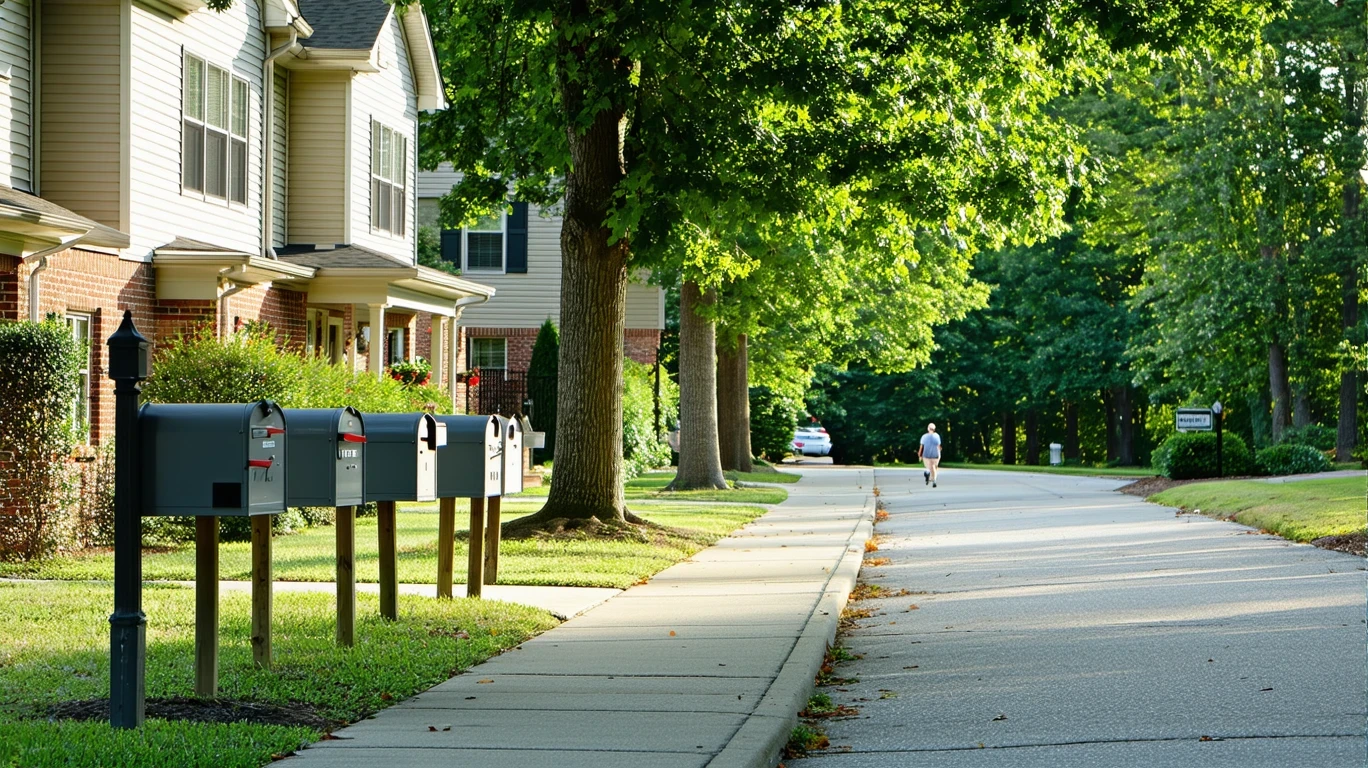
The Emotional Landscape of Atlanta
Atlanta’s vibe is defined by motion and contradiction. It’s a city with rail transit and walkable pockets, where you can live car-light in certain neighborhoods—but where most residents still spend meaningful time behind the wheel. It’s a place with integrated parks, high food and grocery density, and strong family infrastructure, yet it’s also a city where commute times and growth pressure shape daily mood more than amenities alone. The emotional tone here isn’t frustration or satisfaction—it’s negotiation. People constantly weigh access against logistics, vibrancy against friction, roots against restlessness.
What tends to feel rewarding: the cultural richness, the food scene that reflects genuine diversity, the neighborhoods with distinct personalities, the presence of green space woven into urban fabric, and the sense that you’re part of something dynamic rather than static. What tends to feel limiting: the traffic that turns short distances into long slogs, the uneven walkability that makes car ownership feel non-negotiable for many, the pace of change that can make familiar corners unrecognizable, and the sense that the city’s infrastructure is always catching up to its population.
People who feel “at home” here are often those who wanted a real city—not a postcard version—and who can tolerate the growing pains that come with it. People who feel restless tend to be those who expected either small-town ease or big-city polish, and found Atlanta delivers neither cleanly.
What People Talk About Online
Atlanta’s social media presence—across Reddit, Facebook groups, and X—reflects a community that’s protective, self-aware, and perpetually debating what the city should become. Conversations tend to cluster around traffic and day-to-day costs, neighborhood identity and gentrification, where to eat and what’s opening, and whether the city’s growth is a feature or a bug.
The tone is rarely neutral. You’ll see pride in the city’s food culture and creative energy, frustration with commute unpredictability and infrastructure lag, and a recurring theme of “it’s not for everyone, and that’s fine.” There’s also a strong current of locals explaining Atlanta to newcomers—clarifying that intown and suburbs are different worlds, that timing your drive matters as much as distance, and that the city rewards those who learn its rhythms rather than resist them.
Composite sentiment from public discussion includes statements like:
- “Atlanta has everything I need, but I have to plan around traffic like it’s a second job.”
- “The food scene here is unmatched—you just have to know where to look and be willing to drive.”
- “I love the energy intown, but I wouldn’t want to raise kids here without being near good schools and parks—and those exist, you just have to choose carefully.”
What’s notable is the lack of consensus. Atlanta doesn’t inspire unified boosterism or universal complaint. Instead, people describe tradeoffs, and the conversation tends to be: “Here’s what worked for me, but your mileage will vary.”
How Local Coverage Frames the City
Local news and community outlets tend to frame Atlanta through the lens of growth, change, and infrastructure strain. Coverage doesn’t declare the city “thriving” or “struggling”—it documents the tension between the two. Headlines and story themes reflect ongoing negotiation:
- “Neighborhoods Debate What Development Should Look Like”
- “Transit Expansion Plans Meet Funding and Timeline Questions”
- “New Restaurants and Retailers Arrive as Rents Shift”
- “Commuters Weigh Time vs Distance in Workplace Return Decisions”
- “Schools and Parks Remain Key Draw for Family-Focused Buyers”
The tone is rarely celebratory or alarmist. Instead, it’s observational and process-oriented, reflecting a city where change is constant but outcomes remain uncertain. Local coverage tends to treat growth as inevitable and asks: “Who benefits, who’s displaced, and what gets built next?”
Review-Based Public Perception
Public reviews—on Google, Yelp, Nextdoor, and similar platforms—reveal a city that meets or exceeds expectations for people who wanted urban texture, but disappoints those who expected suburban ease or small-town predictability. Praise tends to focus on food quality and variety, park access and green space integration, neighborhood character and walkability in certain pockets, and the presence of hospitals and healthcare infrastructure. Complaints tend to focus on traffic and commute unpredictability, uneven walkability outside core areas, parking challenges in denser neighborhoods, and the feeling that conveniences require more planning than expected.
What’s telling is the specificity. People don’t say “Atlanta is great” or “Atlanta is bad”—they say “this neighborhood worked because I could walk to groceries and had a park nearby,” or “I underestimated how much I’d need a car even though I’m close to transit.” The reviews reflect a city where quality of life depends heavily on where you live and what you prioritize, not just whether you live in Atlanta broadly.
Newer planned areas tend to get praise for family amenities and school access, but criticism for sameness and car dependency. Older pockets get praise for character and walkability, but mixed reviews on parking and upkeep. The through-line is expectation matching: people who wanted convenience and predictability often feel let down; people who wanted texture and access often feel rewarded, as long as they accept the logistics cost.
How Atlanta Compares to Nearby Cities
| Aspect | Atlanta | Marietta | Decatur |
|---|---|---|---|
| Overall Vibe | Urban energy with growth friction | Suburban comfort with historic charm | Walkable, family-friendly, tight-knit |
| Commute Reality | Variable; transit helps in pockets | Car-dependent, manageable distances | Shorter drives, bikeable core |
| Cultural Access | Deep and diverse | Growing but more limited | Strong local scene, smaller scale |
| Neighborhood Feel | Varied; intown vs suburbs are different worlds | Consistent suburban texture | Cohesive, community-oriented |
Atlanta offers more cultural depth and transit infrastructure than Marietta, but also more traffic complexity and growth pressure. Marietta delivers suburban predictability and easier logistics, but less walkability and fewer spontaneous options. Decatur splits the difference—offering walkable density and strong schools without Atlanta’s scale or commute burden, but with less variety and a smaller footprint.
If you want maximum access and are willing to navigate traffic and choose your neighborhood carefully, Atlanta fits. If you want suburban ease with some character, Marietta works. If you want a walkable, family-friendly environment without big-city friction, Decatur is worth the tradeoff in scale. None is objectively better—each serves a different set of priorities.
Voices from the Ground
Composite sentiment from residents across life stages and situations:
- “I moved here for work and stayed for the food and the people. The commute is rough, but I’ve learned to time it, and the weekends make up for it.” — Young professional, intown renter
- “We chose our neighborhood specifically for the schools and parks, and it’s been worth it. But we’re definitely car-dependent, even though we’re technically in the city.” — Parent of two, suburban homeowner
- “Atlanta has everything I wanted—culture, diversity, green space—but I didn’t realize how much energy I’d spend just getting from place to place.” — Transplant from the Northeast, first year
- “I’ve been here 20 years and watched whole neighborhoods transform. It’s exciting and unsettling at the same time.” — Long-time resident, older intown neighborhood
- “I work remotely and love that I can walk to coffee and groceries. I rarely drive during the week, and that’s made all the difference for me.” — Remote worker, walkable pocket near transit
- “We thought about Decatur, but wanted more space and easier parking. We’re happy out here, but we do miss being able to walk places.” — Couple, outer suburb
- “The city has good bones—transit, parks, hospitals—but it feels like it’s always under construction, literally and figuratively.” — Mid-career professional, considering a move
Understanding Atlanta’s Place Structure and Daily Life
One of the most important things to understand about Atlanta is that its infrastructure creates distinct lived experiences depending on where you settle. The city has rail transit and walkable pockets with high pedestrian-to-road ratios, meaning some residents genuinely can—and do—live car-light. Food and grocery density exceeds high thresholds, so daily errands are broadly accessible in many areas. Parks are integrated throughout, not just clustered in a few zones, and both schools and playgrounds meet density thresholds, creating strong family infrastructure.
But these features aren’t evenly distributed, and the city’s more vertical building form and mixed land use are concentrated in specific neighborhoods. What this means in practice: if you live in one of the walkable pockets near transit, your daily routine might involve walking to the grocery store, taking the train to work, and spending evenings in nearby parks. If you live in the outer suburbs, your daily routine will almost certainly involve driving—often significant distances—and planning around traffic windows. The city’s structure doesn’t force one lifestyle, but it does reward those who choose their location intentionally and understand what they’re opting into.
This is why so many Atlanta conversations center on neighborhood selection and commute strategy. The city offers genuine urban infrastructure, but accessing it requires being in the right place. For families, this often means weighing school quality and park access against walkability and commute length. For young professionals, it means deciding whether to pay more for intown convenience or accept longer drives for more space. The city doesn’t make these tradeoffs easy, but it does make them visible.
Does Atlanta Feel Like a Good Fit?
Atlanta tends to work for people who want a real city—with all the texture, opportunity, and friction that entails—and who are willing to navigate growth, traffic, and uneven infrastructure to get it. It works for families who prioritize schools, parks, and healthcare access and can choose neighborhoods strategically. It works for young professionals drawn to cultural vibrancy, career opportunity, and the energy of a place still becoming itself. It works for remote workers who can live in walkable pockets and avoid peak commute stress.
Atlanta tends to frustrate people who expected either small-town simplicity or big-city polish. It frustrates those who assumed proximity would mean convenience, without accounting for traffic reality. It frustrates residents who want their neighborhood to stay frozen in time, and those who feel the city’s infrastructure is always a step behind its population.
The city’s emotional profile isn’t “happy” or “unhappy”—it’s dynamic, negotiated, and deeply dependent on where you live and what you value. If you want access, diversity, and opportunity, and you’re willing to manage logistics and embrace change, Atlanta offers a lot. If you want ease, predictability, or a finished product, you’ll likely feel the gaps more than the gains.
For more context on how these tradeoffs play out financially and logistically, explore housing tradeoffs and the practical realities of building a life here.
How this article was built: In addition to public economic data, this article incorporates location-based experiential signals derived from anonymized geographic patterns—such as access density, walkability, and land-use mix—to reflect how day-to-day living actually feels in Atlanta, GA.
The perspectives shown reflect commonly expressed local sentiment and recurring themes in public discussion, rather than individual accounts.