

Which city gives you more for your money? Atlanta and Alpharetta sit within the same metro area, share the same regional economy, and experience the same climate—yet the cost pressures households face in each city differ in structure, not just scale. People compare these two cities because they represent a classic tradeoff: Atlanta offers urban density, transit access, and lower housing entry costs, while Alpharetta delivers suburban space, newer housing stock, and a higher-income resident base. The decision isn’t about which city is cheaper overall; it’s about which cost structure aligns with how your household earns, spends, and moves through daily life in 2026.
Both cities benefit from the same regional job market and infrastructure, but the way costs concentrate—and the flexibility households have to manage them—varies significantly. Atlanta’s housing market provides more entry points for renters and first-time buyers, while its rail transit and walkable errands reduce car dependence. Alpharetta’s housing costs skew higher, reflecting larger homes and lower-density development, and its reliance on cars for most errands introduces different time and cash tradeoffs. Understanding these differences requires looking at where pressure shows up, not just comparing median figures.
This article breaks down housing, utilities, groceries, transportation, taxes, and lifestyle fit to explain how the same income feels different in each city—and which households are better positioned to absorb the costs that matter most to them.
Housing Costs: Entry Barriers and Ongoing Obligations
Housing represents the most visible cost difference between Atlanta and Alpharetta, but the gap isn’t just about price—it’s about what that price buys and how it shapes household flexibility. Atlanta’s median home value sits at $395,600, while Alpharetta’s reaches $562,000. For renters, Atlanta’s median gross rent is $1,512 per month, compared to Alpharetta’s $1,767 per month. These figures reflect different housing markets: Atlanta offers more vertical living options, older housing stock, and a mix of single-family and multifamily units, while Alpharetta leans toward newer single-family homes on larger lots with more square footage per household.
The entry barrier matters most for first-time buyers and households stretching to enter homeownership. Atlanta’s lower median home value translates to smaller down payments and lower monthly mortgage obligations, making it more accessible for households with moderate incomes or those prioritizing liquidity over space. Alpharetta’s higher home values reflect demand for newer construction, larger yards, and proximity to top-rated schools, but they also require significantly more upfront capital and higher ongoing mortgage payments. For renters, the difference is less dramatic but still meaningful: Alpharetta’s rental market skews toward single-family homes and townhomes, while Atlanta offers more apartment options with lower per-unit costs and shorter lease commitments.
Ongoing housing costs extend beyond rent or mortgage payments. Property taxes, homeowners insurance, and maintenance expenses scale with home value and size, meaning Alpharetta homeowners face higher baseline obligations even after closing. Atlanta’s older housing stock may require more frequent repairs, but the smaller footprint and lower property values keep tax bills and insurance premiums more predictable. Renters in both cities avoid direct property tax exposure, but landlords pass those costs through in rent—Alpharetta’s higher property values mean renters indirectly subsidize more expensive housing infrastructure.
Housing takeaway: Atlanta fits households prioritizing lower entry costs, flexibility, and access to multifamily housing. Alpharetta fits households with higher incomes willing to absorb larger upfront and ongoing costs in exchange for space, newer construction, and suburban amenities. The difference isn’t about affordability in absolute terms—it’s about whether housing pressure concentrates at entry or spreads across long-term obligations.
Utilities and Energy Costs: Predictability vs. Exposure
Utility costs in Atlanta and Alpharetta start from the same baseline—both cities fall under the same regional electricity rate of 14.53¢/kWh and natural gas price of $32.21/MCF—but how those rates translate into household bills depends on housing type, home size, and cooling demand. Georgia’s long, hot summers mean air conditioning dominates energy usage for most of the year, with heating needs concentrated in a short, mild winter. Both cities experience the same climate, so the primary driver of utility cost differences isn’t weather—it’s the size and age of the home.
Alpharetta’s housing stock skews newer and larger, with more square footage to cool and heat. Larger homes with vaulted ceilings, open floor plans, and multiple HVAC zones push electricity usage higher during summer months, even if insulation and windows meet modern efficiency standards. Atlanta’s housing mix includes more apartments, condos, and smaller single-family homes, which naturally require less energy to maintain comfortable temperatures. Shared-wall construction in multifamily buildings also reduces heating and cooling loss, giving renters and condo owners in Atlanta a structural advantage in managing seasonal utility spikes.
Older homes in Atlanta may face higher baseline energy costs due to less efficient insulation, older HVAC systems, and single-pane windows, but the smaller footprint often offsets these inefficiencies. Households in Alpharetta benefit from newer construction standards but absorb higher usage simply because there’s more space to condition. Utility cost volatility in both cities follows the same seasonal pattern—summer bills spike, winter bills drop—but the magnitude of that spike scales with home size. Families in larger Alpharetta homes may see summer electricity bills climb significantly, while Atlanta households in smaller units experience more moderate swings.
Utility takeaway: Atlanta households in smaller or multifamily housing experience more predictable utility costs with lower seasonal peaks. Alpharetta households in larger, newer homes face higher baseline usage but benefit from modern efficiency features. The primary difference is exposure: larger homes amplify seasonal volatility, while smaller homes keep bills more stable year-round.
Groceries and Daily Expenses: Access and Price Sensitivity
Grocery costs in Atlanta and Alpharetta reflect the same regional price environment—both cities fall within the same metro area with identical Regional Price Parity indices of 101—but how households experience those costs depends on shopping patterns, access to different store types, and the friction involved in running errands. Atlanta’s broadly accessible food and grocery infrastructure means households can choose between discount chains, neighborhood grocers, and specialty stores without adding significant drive time. Alpharetta’s corridor-clustered grocery access concentrates options along major commercial strips, requiring more intentional trip planning and car dependence.
For staple items like bread, milk, eggs, and ground beef, prices don’t vary meaningfully between the two cities—what changes is how much effort it takes to access lower-cost options. Atlanta households benefit from denser grocery coverage, making it easier to comparison-shop, hit multiple stores in one trip, or walk to a nearby market for quick top-ups. Alpharetta households often consolidate grocery runs into weekly trips to larger stores, which can encourage bulk buying but also increases the temptation to add convenience items that inflate the cart total. The difference isn’t about per-pound pricing—it’s about how access patterns shape spending behavior.
Dining out and convenience spending follow similar logic. Atlanta’s mixed-use development and higher density support more neighborhood restaurants, coffee shops, and quick-service options within walking distance of residential areas. This accessibility can either reduce costs (by making it easy to grab affordable takeout) or increase them (by making it easy to spend frequently). Alpharetta’s lower density and car-oriented layout mean dining out requires more intentional planning, which can reduce impulse spending but also limits flexibility for households managing unpredictable schedules. Families with young children may find Atlanta’s walkable errands reduce the logistical burden of daily shopping, while Alpharetta households with more predictable routines may prefer consolidating trips to minimize time spent in the car.
Grocery takeaway: Atlanta fits households that value errand flexibility, walkable access, and the ability to adjust shopping patterns without adding drive time. Alpharetta fits households comfortable with car-dependent grocery runs and bulk shopping routines. The cost difference isn’t about prices—it’s about how access friction shapes spending habits and time budgets.
Taxes and Fees: Structure and Predictability
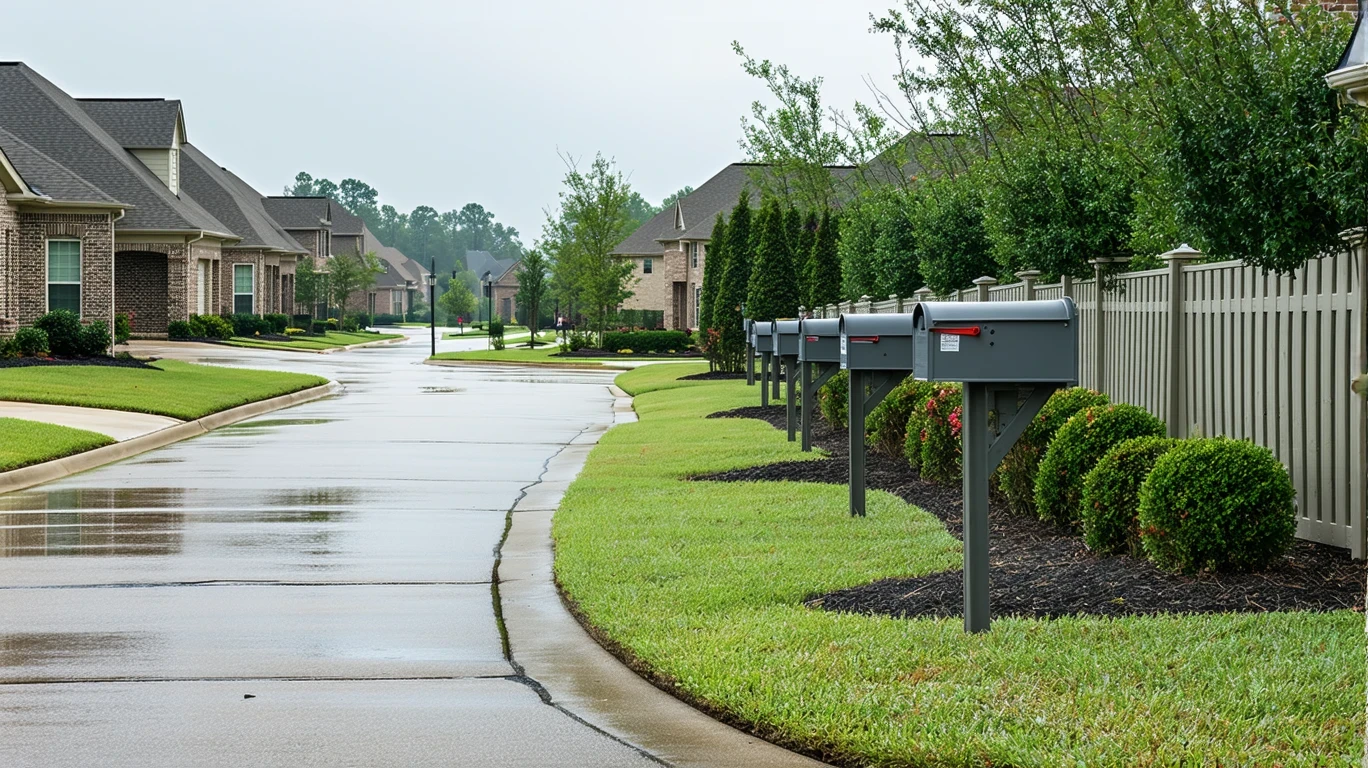
Property taxes represent the most significant recurring tax obligation for homeowners in both Atlanta and Alpharetta, and because both cities sit within the same metro area, the effective tax rates don’t differ dramatically—but the assessed values do. Alpharetta’s higher median home value of $562,000 means homeowners pay property taxes on a larger base compared to Atlanta’s $395,600 median, even if the millage rate remains similar. This translates to higher annual tax bills in Alpharetta, which homeowners must budget for alongside mortgage payments, insurance, and maintenance. Atlanta homeowners benefit from lower assessed values, which keep property tax obligations more manageable for households with moderate incomes or those prioritizing liquidity over home size.
Sales taxes apply uniformly across the metro area, so neither city offers an advantage on everyday purchases, dining, or retail spending. What differs is the prevalence of additional fees tied to housing type and neighborhood infrastructure. Alpharetta’s suburban development patterns often include homeowners association (HOA) fees, which can bundle services like landscaping, trash collection, and community amenities but also add a fixed monthly cost that homeowners can’t reduce through behavior changes. Atlanta’s housing mix includes more fee-simple properties and older neighborhoods without HOA structures, giving homeowners more control over discretionary spending on yard care and home services. Renters in both cities avoid direct property tax and HOA exposure, but landlords pass these costs through in rent—Alpharetta’s higher property values and HOA prevalence mean renters indirectly subsidize more expensive housing infrastructure.
Utility fees, trash collection, and water/sewer charges vary by provider and housing type rather than by city, but the structure of these fees can differ. Multifamily housing in Atlanta often includes water and trash in the rent, reducing billing complexity for tenants. Single-family homes in Alpharetta typically require separate utility accounts, adding administrative overhead and exposing homeowners to more variable monthly costs. For long-term residents, the predictability of these fees matters as much as their magnitude—households planning to stay several years benefit from understanding whether costs are fixed, indexed, or subject to periodic reassessment.
Tax and fee takeaway: Atlanta fits households seeking lower property tax exposure, fewer mandatory fees, and more control over discretionary home services. Alpharetta fits households with higher incomes who value bundled HOA services and are comfortable absorbing higher property tax bills tied to larger home values. The difference is less about total tax burden and more about whether costs are predictable, bundled, or subject to household control.
Transportation and Commute Reality
Transportation costs in Atlanta and Alpharetta hinge less on gas prices—which are nearly identical at $2.67/gal in Atlanta and $2.66/gal in Alpharetta—and more on how much driving households must do to manage work, errands, and daily logistics. Atlanta’s rail transit system and walkable errands infrastructure give households more options to reduce car dependence, while Alpharetta’s bus-only transit and corridor-clustered errands make car ownership effectively non-negotiable for most residents. The cost difference isn’t about fuel—it’s about whether households can avoid owning a second car, reduce mileage, or substitute transit for driving.
Commute patterns reveal the structural difference. Atlanta’s average commute time sits at 27 minutes, with 37.6% of workers facing long commutes, while Alpharetta’s average drops to 25 minutes with only 15.0% experiencing long commutes. These figures suggest Alpharetta residents benefit from shorter, more predictable drives, often because jobs and housing cluster within the same suburban corridor. Atlanta workers face more variability—some benefit from rail access that eliminates parking costs and reduces wear on vehicles, while others navigate congested highways without viable transit alternatives. The 8.6% work-from-home rate in Atlanta and 11.2% in Alpharetta reflect similar remote work adoption, meaning both cities include households that have eliminated commuting costs entirely.
For households that must drive, the real cost isn’t just fuel—it’s insurance, maintenance, depreciation, and parking. Atlanta households with rail access can often manage with one car per household, reducing insurance premiums and eliminating the need for a second vehicle payment. Alpharetta households typically require one car per working adult, doubling fixed transportation costs and increasing exposure to maintenance surprises. Walkable errands in parts of Atlanta further reduce trip frequency, while Alpharetta’s car-dependent layout means even short errands require ignition time, adding incremental mileage and wear. Over a year, these differences compound into meaningful cost gaps—not because gas is more expensive, but because the infrastructure demands more driving.
Transportation takeaway: Atlanta fits households that can leverage rail transit, reduce car dependence, or benefit from walkable errands to lower transportation costs. Alpharetta fits households with predictable, short commutes who value drive-time efficiency and are comfortable absorbing the fixed costs of multi-car ownership. The difference is less about commute distance and more about whether the city’s structure allows households to substitute transit, walking, or remote work for driving.
Cost Structure Comparison
Housing dominates the cost experience in both cities, but the pressure concentrates differently. Atlanta’s lower entry costs make homeownership and renting more accessible for households with moderate incomes, while Alpharetta’s higher home values and rents reflect demand for space, newer construction, and suburban amenities. Households sensitive to upfront costs—first-time buyers, young professionals, or families prioritizing liquidity—find Atlanta’s housing market more forgiving. Households with higher incomes and longer time horizons absorb Alpharetta’s higher entry and ongoing housing costs in exchange for larger homes and newer infrastructure.
Utilities introduce more volatility in Alpharetta due to larger home sizes, even though both cities share the same energy rates. Atlanta households in smaller or multifamily housing experience more predictable seasonal swings, while Alpharetta households in single-family homes face higher baseline usage and sharper summer peaks. The difference isn’t about efficiency—it’s about exposure. Larger homes amplify the cost of Georgia’s long cooling season, making utility budgets less stable for households in Alpharetta’s typical housing stock.
Transportation patterns matter more in Atlanta, where the presence of rail transit and walkable errands gives households real options to reduce car dependence. Alpharetta’s shorter average commute times suggest less time spent driving, but the lack of transit alternatives and corridor-clustered errands make multi-car ownership the norm. Households that can leverage Atlanta’s transit infrastructure or work remotely gain flexibility to avoid fixed transportation costs, while Alpharetta households trade drive-time efficiency for higher fixed costs tied to vehicle ownership and insurance.
Groceries and daily expenses don’t differ in price between the two cities, but access friction shapes spending behavior. Atlanta’s broadly accessible grocery and dining options reduce the logistical burden of errands, making it easier to comparison-shop or adjust spending patterns without adding drive time. Alpharetta’s corridor-clustered access requires more intentional trip planning, which can either reduce impulse spending or increase the cost of convenience depending on household routines. Families managing unpredictable schedules benefit from Atlanta’s flexibility, while households with stable routines find Alpharetta’s consolidated shopping trips more efficient.
The better choice depends on which costs dominate the household. For households sensitive to housing entry barriers, transit access, and errand walkability, Atlanta’s cost structure offers more flexibility and lower baseline obligations. For households prioritizing space, predictable commutes, and tolerance for higher fixed costs, Alpharetta’s cost structure aligns better with suburban living patterns. The difference is less about total cost and more about whether pressure concentrates at entry, spreads across ongoing obligations, or shows up in time budgets rather than cash outlays.
How the Same Income Feels in Atlanta vs Alpharetta
Single Adult
For a single adult, housing becomes the first non-negotiable cost, and Atlanta’s lower rent and home prices create more breathing room for discretionary spending or savings. Flexibility exists in transportation—rail access in parts of Atlanta allows some singles to avoid car ownership entirely, while Alpharetta requires a car for nearly all errands and commuting. The role of commute friction differs: Atlanta singles may trade longer or more variable commute times for lower housing costs, while Alpharetta singles pay more for housing but gain shorter, more predictable drives. Smaller housing footprints in Atlanta also keep utility bills more stable, while Alpharetta’s larger rental units amplify seasonal energy costs without adding meaningful flexibility.
Dual-Income Couple
For dual-income couples, the housing entry barrier in Alpharetta becomes more manageable with two incomes, but the trade-off is higher ongoing obligations that reduce flexibility for other goals. Non-negotiable costs include housing, transportation (likely two cars in Alpharetta, possibly one in Atlanta), and utilities scaled to home size. Flexibility exists in grocery and dining spending, but Atlanta’s walkable errands reduce the time cost of managing those expenses, while Alpharetta’s car-dependent layout adds logistical friction. The role of commute friction matters less for couples with remote work flexibility, but for those commuting daily, Atlanta’s transit options can eliminate parking costs and reduce wear on vehicles, while Alpharetta’s shorter drive times favor households prioritizing time over cash savings.
Family with Kids
For families, housing costs become non-negotiable first, and Alpharetta’s higher home prices reflect demand for space, yards, and proximity to schools—costs that families with higher incomes absorb willingly. Flexibility disappears quickly in Alpharetta: multi-car ownership is required, grocery runs demand advance planning, and larger homes push utility bills higher during summer months. Atlanta families face lower housing entry costs but must navigate trade-offs between space, school access, and neighborhood fit. The role of commute friction and car dependence shifts: Atlanta’s rail transit and walkable errands reduce the logistical burden of managing kids’ schedules, while Alpharetta’s car-dependent layout requires more driving but offers shorter, more predictable commute times for working parents. Front-loaded costs dominate in Alpharetta (higher down payments, larger mortgages), while ongoing costs remain more stable; Atlanta spreads pressure more evenly across rent, transportation, and time spent managing errands.
Decision Matrix: Which City Fits Which Household?
| Decision factor | If you’re sensitive to this… | Atlanta tends to fit when… | Alpharetta tends to fit when… |
|---|---|---|---|
| Housing entry + space needs | You prioritize lower upfront costs or need flexibility to move | You value lower entry barriers and multifamily housing options | You prioritize space and newer construction over entry cost |
| Transportation dependence + commute friction | You want to avoid multi-car ownership or reduce drive time | You can leverage rail transit or work remotely | You value short, predictable commutes and accept car dependence |
| Utility variability + home size exposure | You want predictable energy bills without seasonal spikes | You live in smaller or multifamily housing with shared walls | You accept higher baseline usage for larger, newer homes |
| Grocery strategy + convenience spending creep | You want errand flexibility without adding drive time | You value walkable access and frequent, smaller shopping trips | You prefer consolidated weekly trips and bulk shopping routines |
| Fees + friction costs (HOA, services, upkeep) | You want control over discretionary home services | You prefer fee-simple properties without mandatory HOA costs | You value bundled services and accept fixed monthly HOA fees |
| Time budget (schedule flexibility, errands, logistics) | You need to manage unpredictable schedules or reduce trip planning | You benefit from walkable errands and rail transit options | You have stable routines and prioritize drive-time efficiency |
Lifestyle Fit: How Daily Life Differs
Lifestyle differences between Atlanta and Alpharetta extend beyond cost structure into how households spend time, access amenities, and navigate daily routines. Atlanta’s urban density and rail transit create a rhythm where errands, dining, and recreation can happen without a car, reducing the logistical burden of managing a household. Walkable neighborhoods, mixed-use development, and integrated green space mean families, singles, and couples can access parks, restaurants, and grocery stores within a short walk or transit ride. Alpharetta’s suburban layout prioritizes space and quiet over density, with parks and outdoor amenities present but requiring a car to reach. The trade-off is clear: Atlanta offers convenience and flexibility in exchange for less space, while Alpharetta delivers larger homes and yards in exchange for more driving and trip planning.
Commute times reflect this difference in structure. Atlanta’s average commute of 27 minutes includes a mix of rail riders, highway commuters, and remote workers, while Alpharetta’s 25-minute average reflects shorter, more predictable drives within suburban job corridors. For households with young children, Atlanta’s strong family infrastructure—schools and playgrounds meeting density thresholds—reduces the need to drive kids to activities, while Alpharetta’s limited family infrastructure (school density below thresholds) means more car-dependent logistics for families managing school drop-offs and extracurriculars. Healthcare access is strong in both cities, with hospitals and pharmacies present, so medical errands don’t introduce meaningful lifestyle friction in either location.
Recreation and outdoor access differ in texture rather than availability. Atlanta’s integrated green space—park density exceeding high thresholds—means households can walk to parks for exercise, play, or relaxation without planning a trip. Alpharetta’s moderate park density requires more intentional outings, but water features and suburban trails offer quieter, less crowded outdoor experiences. Cultural and dining options skew urban in Atlanta, with more walkable restaurants, coffee shops, and entertainment venues clustered in neighborhoods. Alpharetta’s dining and retail concentrate along commercial corridors, requiring a car but offering ample parking and family-friendly chain options. The lifestyle fit depends on whether households value spontaneous access or prefer planned, car-based outings with more space and less density.
Quick lifestyle facts: Atlanta’s rail transit and walkable errands reduce car dependence for households that can leverage them, while Alpharetta’s shorter commute times favor households prioritizing drive-time efficiency. Both cities benefit from the same regional job market and unemployment rate of 3.6%, meaning employment access doesn’t differ meaningfully—what changes is how households navigate work, errands, and recreation within each city’s structure.
Frequently Asked Questions
Is Atlanta or Alpharetta cheaper for renters in 2026?
Atlanta’s median gross rent of $1,512 per month sits below Alpharetta’s $1,767 per month, making Atlanta more accessible for renters prioritizing lower monthly obligations. The difference reflects housing type: Atlanta offers more multifamily options, while Alpharetta’s rental market skews toward single-family homes and townhomes with more space. Renters sensitive to upfront costs and flexibility benefit from Atlanta’s lower entry barrier, while renters prioritizing space and newer construction absorb Alpharetta’s higher rent in exchange for larger units.
How do transportation costs differ between Atlanta and Alpharetta in 2026?
Gas prices are nearly identical—$2.67/gal in Atlanta and $2.66/gal in Alpharetta—but transportation costs diverge based on car dependence. Atlanta’s rail transit and walkable errands allow some households to avoid owning a second car, reducing insurance, maintenance, and depreciation costs. Alpharetta’s bus-only transit and corridor-clustered errands make multi-car ownership the norm, increasing fixed transportation costs. Households that can leverage Atlanta’s transit infrastructure or work remotely gain flexibility to lower transportation expenses, while Alpharetta households trade shorter commute times for higher fixed costs tied to vehicle ownership.
Which city has lower utility bills, Atlanta or Alpharetta, in 2026?
Both cities share the same electricity rate of 14.53¢/kWh and natural gas price of $32.21/MCF, so utility costs depend on home size and type rather than location. Atlanta’s housing mix includes more apartments and smaller single-family homes, which require less energy to cool and heat, keeping bills more predictable. Alpharetta’s larger, newer homes push electricity usage higher during Georgia’s long cooling season, amplifying seasonal volatility. Households in smaller or multifamily housing experience more stable utility costs, while larger homes in Alpharetta face higher baseline usage and sharper summer peaks.
Do groceries cost more in Atlanta or Alpharetta in 2026?
Grocery prices don’t differ meaningfully between Atlanta and Alpharetta—both cities fall within the same metro area with identical Regional Price Parity indices of 101. What changes is access friction: Atlanta’s broadly accessible grocery infrastructure makes it easier to comparison-shop or walk to nearby stores, while Alpharetta’s corridor-clustered grocery options require more intentional trip planning and car dependence. Households that value errand flexibility and walkable access benefit from Atlanta’s structure, while households comfortable with consolidated weekly shopping trips find Alpharetta’s layout manageable.
Which city is better for families, Atlanta or Alpharetta, in 2026?
The better city depends on whether families prioritize space and newer housing or lower entry costs and walkable family infrastructure. Alpharetta’s higher home values reflect demand for larger homes, yards, and proximity to suburban amenities, but school density falls below thresholds, meaning families may need to drive kids to activities. Atlanta’s strong family infrastructure—schools and playgrounds meeting density thresholds—reduces logistical friction for families managing daily routines, and lower housing costs create more flexibility for other expenses. Families with higher incomes and stable routines fit Alpharetta’s cost structure, while families prioritizing walkability and lower entry barriers fit Atlanta’s.
Conclusion
Atlanta and Alpharetta offer distinct cost structures that reflect their urban and suburban characters, but neither city is universally cheaper—what matters is which costs dominate your household and how much flexibility you have to manage them. Atlanta fits households prioritizing lower housing entry costs, transit access, and walkable errands, while Alpharetta fits households with higher incomes seeking space, newer construction, and shorter commutes. The decision hinges on whether you value flexibility and lower baseline obligations or are willing to absorb higher fixed costs in exchange for suburban amenities and predictability.
For renters and first-time buyers, Atlanta’s lower median rent and home values create more breathing room for discretionary spending or savings, while Alpharetta’s higher costs reflect demand for larger homes and newer infrastructure. For families, the trade-off is clear: Atlanta reduces logistical friction with walkable family infrastructure and transit options, while Alpharetta delivers more space and quieter neighborhoods at the cost of higher car dependence and front-loaded housing expenses. For singles and couples, the choice depends on whether transit access and errand flexibility outweigh the benefits of shorter commutes and larger living spaces. Both cities benefit from the same regional economy, identical utility rates, and similar grocery prices—what differs is how daily life feels and where cost pressure concentrates.
How this article was built: In addition to public economic data, this article incorporates location-based experiential signals derived from anonymized geographic patterns—such as access density, walkability, and land-use mix—to reflect how day-to-day living actually feels in Atlanta, GA.