
When Mia opened her first full utility bill after moving into a single-family rental in Atascocita, she expected something in the ballpark of her last apartment—maybe $120, tops. Instead, the envelope held a $210 charge, with electricity alone accounting for nearly three-quarters of it. She hadn’t changed her habits, but she had changed her structure: more square footage, a standalone AC system running against Gulf Coast humidity, and a billing cycle that landed squarely in July. Understanding how utilities cost in Atascocita requires looking past the rate sheet and into the forces that drive exposure—climate, housing type, and the seasonal rhythms that shape household energy demand across the Houston metro.
Understanding Utilities in Atascocita
Utility costs represent the second-largest fixed expense for most households after housing, and in Atascocita they behave less like a static line item and more like a variable tied to weather, home efficiency, and occupancy patterns. For renters, utilities are often billed separately, meaning the sticker price of rent doesn’t capture the full monthly obligation. For homeowners, utility volatility becomes part of the ownership equation—something that shifts with the season, the thermostat setting, and the age of the HVAC system.
In Atascocita, the core utility categories include electricity, water, natural gas, and trash and recycling services. Electricity typically dominates, especially during the long cooling season that stretches from late spring through early fall. Water costs vary by provider and usage tier, with some neighborhoods receiving bills bundled with trash service and others managing them separately. Natural gas plays a smaller role here than in colder climates, primarily serving water heaters, dryers, and occasional heating during brief winter cold snaps. Trash and recycling are sometimes included in HOA fees or billed independently depending on whether the home is part of a managed community.
For new movers, the difference between apartment and single-family utility exposure can be significant. Apartments benefit from shared walls, smaller square footage, and sometimes master-metered water or trash service. Single-family homes, by contrast, carry full climate control responsibility, larger volumes to heat and cool, and direct accountability for every gallon and kilowatt-hour consumed. Understanding this structure upfront helps households budget accurately and avoid the surprise Mia encountered when her first summer bill arrived.
Utilities at a Glance in Atascocita
The table below shows how core utility costs typically behave for a mid-size household in a single-family home in Atascocita. Where city-level prices are available in the data feed, they are shown directly. When exact figures are not provided, categories are described qualitatively to reflect how costs are structured and what drives variability.
| Utility | Cost Structure |
|---|---|
| Electricity | 16.11¢/kWh; usage-sensitive and seasonally volatile |
| Water | Tiered pricing; usage-dependent |
| Natural Gas | $30.71/MCF; winter-driven, heating-dependent |
| Trash & Recycling | Bundled with water or HOA in many neighborhoods |
| Total | Seasonal variability driven by electricity and cooling exposure |
This table reflects utility cost structure for a mid-size household in a single-family home in Atascocita during 2026. Where exact figures are not provided in the IndexYard data feed, categories are described directionally to reflect how costs behave rather than a receipt-accurate total.
Electricity is billed per kilowatt-hour, and in Atascocita the rate sits at 16.11¢/kWh. For illustrative context, a household using around 1,000 kWh per month—common during moderate weather—would see a bill in the neighborhood of $161 before fees and taxes. During peak summer months, usage can climb significantly higher as air conditioning runs nearly continuously against heat and humidity, pushing costs well above that baseline. Electricity is typically the most exposure-sensitive utility in Atascocita, driven more by climate and home efficiency than by base rates.
Water costs in Atascocita are structured on tiered pricing, meaning the rate per gallon increases as usage climbs. Households with irrigation systems, pools, or larger families tend to hit higher tiers, especially during dry stretches when outdoor watering becomes routine. Water bills are sometimes bundled with trash service, and in other cases billed separately depending on the municipal utility district or provider serving the neighborhood.
Natural gas plays a smaller role in Atascocita’s utility profile compared to northern climates. Priced at $30.71 per thousand cubic feet (MCF), it primarily fuels water heaters, dryers, and occasional heating during the handful of cold nights each winter. For illustrative context, a household using about 1 MCF per month during heating season would see a natural gas charge around $31 before fees. Outside of winter, many homes see minimal gas usage, making it one of the more stable and predictable components of the monthly utility load.
Trash and recycling services vary by neighborhood. In some areas, fees are bundled into water bills or covered by HOA dues, creating a streamlined single payment. In others, trash service is billed separately by the provider, typically as a flat monthly fee. Costs are generally stable and predictable, with little seasonal variation, making this one of the easier categories to budget for once the billing structure is understood.
How Weather Impacts Utilities in Atascocita
Atascocita sits squarely in the Houston metro’s climate zone, where summers are long, hot, and humid, and winters are brief and mild. This seasonal pattern creates a pronounced utility rhythm: cooling costs dominate from May through September, while heating exposure remains minimal and concentrated in December and January. The result is a utility calendar where summer bills can run two to three times higher than spring or fall, driven almost entirely by air conditioning demand.
During peak summer months, outdoor temperatures regularly push into the 90s, and humidity keeps the heat index even higher. Air conditioning doesn’t just cool the air—it also removes moisture, a process that requires sustained energy input. Homes with older HVAC systems, poor insulation, or significant sun exposure face even steeper usage, as the system works harder to maintain indoor comfort. Many Atascocita households notice their highest electric bills arriving in July and August, when daily highs rarely dip below the upper 80s and overnight lows offer little relief.
Winter, by contrast, brings mild temperatures and only occasional freezing nights. Natural gas usage ticks up slightly as furnaces or space heaters run intermittently, but the heating season is short and the demand modest. Electric heating, where present, can drive winter bills higher than gas-heated homes, but even then the exposure remains far below what summer cooling requires. The Gulf Coast’s proximity also means that humidity persists year-round, a quirk that keeps dehumidification and ventilation relevant even during cooler months, subtly affecting electricity usage outside the traditional peak season.
How to Save on Utilities in Atascocita
Reducing utility costs in Atascocita starts with recognizing that electricity is the primary lever. Small changes in cooling behavior, home efficiency, and usage timing can reduce exposure without sacrificing comfort. Many local providers offer programs designed to help households manage seasonal volatility, and state and federal incentives make efficiency upgrades more accessible than they once were.
- Enroll in off-peak or time-of-use billing programs if your provider offers them. Shifting heavy usage—laundry, dishwashing, EV charging—to evening or overnight hours can lower costs during peak-rate periods.
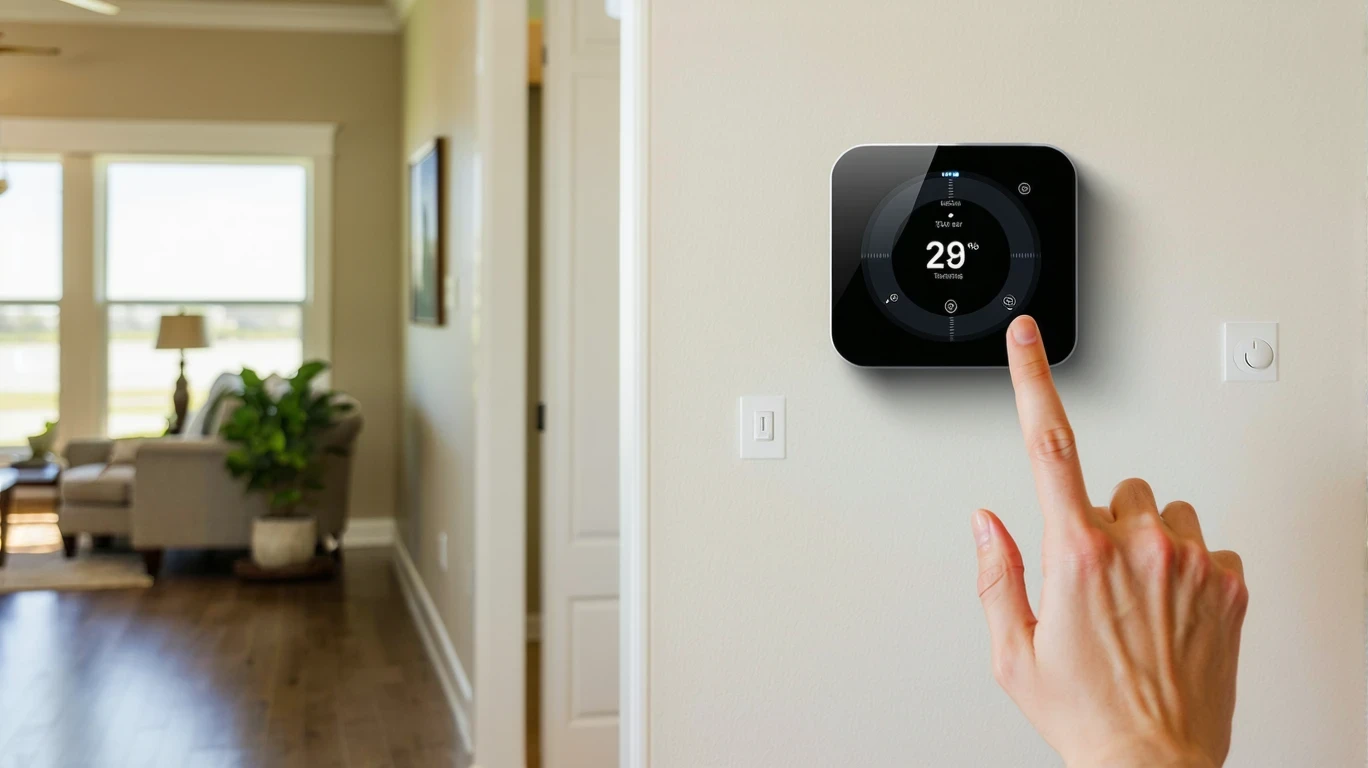
- Install a programmable or smart thermostat to reduce cooling when the home is empty or during overnight hours. Even a few degrees of adjustment during the workday can meaningfully reduce monthly usage.
- Improve insulation and seal air leaks around windows, doors, and attic access points. In a cooling-dominated climate, keeping conditioned air inside the envelope reduces how hard the AC has to work.
- Plant shade trees or install exterior shading on south- and west-facing walls. Reducing direct sun exposure on the home’s exterior lowers indoor temperatures and decreases cooling demand.
- Upgrade to energy-efficient appliances and HVAC systems when replacements are due. Many utilities and state programs offer rebates for high-efficiency air conditioners, water heaters, and refrigerators.
- Check for water efficiency rebates through your local provider. Low-flow fixtures, smart irrigation controllers, and drought-tolerant landscaping can reduce both water usage and the associated costs.
🏆 Tip: Check if your provider in Atascocita offers rebates for energy-efficient AC units or heating systems. Many utilities in the Houston metro provide incentives that cover part of the upfront cost, making upgrades more affordable and reducing long-term exposure to seasonal volatility.
FAQs About Utility Costs in Atascocita
Why are utility bills so high in Atascocita during summer? Atascocita’s extended cooling season and high humidity drive air conditioning usage well above what moderate climates require. Electricity dominates the utility load from May through September, and homes with older HVAC systems or poor insulation see even steeper bills as the system works harder to maintain comfort.
What is the average monthly electric bill for an apartment in Atascocita compared to a single-family home? Apartments typically see lower electric bills due to smaller square footage, shared walls, and reduced climate control responsibility. Single-family homes, by contrast, carry full heating and cooling exposure, often resulting in summer bills that run significantly higher—sometimes double or more—depending on home size, efficiency, and thermostat settings.
Do HOAs in Atascocita usually include trash or water in their fees? It varies by neighborhood. Some HOAs bundle trash and recycling into monthly dues, while others leave those services to be billed separately by the municipal utility district or private provider. Water is less commonly included in HOA fees, though some master-planned communities do incorporate it into assessments.
How does seasonal weather affect monthly utility bills in Atascocita? Summer drives the highest bills due to sustained air conditioning demand, while winter remains mild with minimal heating exposure. The result is a pronounced seasonal swing, with peak summer months often costing two to three times what spring or fall months require, almost entirely due to electricity usage.
Does Atascocita offer incentives for solar panels or energy-efficient appliances? Yes, both state and federal programs provide tax credits and rebates for solar installations and high-efficiency HVAC systems. Some local utilities also offer rebates for appliance upgrades, smart thermostats, and weatherization improvements. Checking with your specific provider reveals what’s available and how to apply.
How Utilities Fit Into the Cost Structure in Atascocita
Utilities in Atascocita function as a volatility layer within the broader household budget—predictable in structure, but variable in magnitude depending on season, home type, and occupancy. Electricity dominates exposure, especially during the long cooling season, while water, gas, and trash remain secondary and more stable. For households planning a move or evaluating affordability, understanding this seasonal rhythm matters as much as knowing the base rates, because the difference between a mild spring month and a peak summer month can represent a significant swing in monthly obligations.
The way Atascocita is structured also shapes how households manage day-to-day costs and logistics. With food and grocery options concentrated along certain corridors and a pedestrian-to-road ratio that supports some walkability but still leans car-dependent, most residents drive for errands, adding transportation fuel costs to the monthly equation. The presence of parks and water features offers outdoor access without requiring travel, which helps offset recreation spending, but the limited school density and absence of a hospital mean families and health-focused households may need to plan for longer trips to access certain services. These place-based realities don’t change the utility bill directly, but they do influence how much time, fuel, and planning households invest in managing their overall cost structure—making utilities one piece of a larger, interconnected financial picture.
For a clearer view of how utilities interact with housing, transportation, and other monthly expenses, the monthly budget breakdown provides a fuller accounting of where money goes and which categories drive the most variability. Utilities remain the second-largest fixed cost after housing, but their seasonal behavior and sensitivity to household decisions make them one of the most controllable elements of the budget—especially for those willing to invest in efficiency, adjust usage patterns, and take advantage of available rebates and programs.
Atascocita’s utility landscape reflects the realities of Gulf Coast living: long summers, high humidity, and cooling costs that dominate the annual cycle. But it also offers stability in other areas—mild winters, predictable trash and water structures, and access to efficiency incentives that help households reduce exposure over time. For renters and owners alike, understanding how utilities behave here turns what might feel like an unpredictable expense into a manageable, plannable part of the household financial structure.
How this article was built: In addition to public economic data, this article incorporates location-based experiential signals derived from anonymized geographic patterns—such as access density, walkability, and land-use mix—to reflect how day-to-day living actually feels in Atascocita, TX.