

Arnold, MO vs. Saint Louis, MO: Cost of Living Comparison (2025)
Arnold and Saint Louis represent two distinct living experiences within the same metropolitan region. Arnold, a suburban city in Jefferson County approximately 20 miles south of downtown Saint Louis, offers spacious single-family neighborhoods and a quieter pace of life. Saint Louis, Missouri’s second-largest city, delivers urban amenities, cultural institutions, and diverse housing options ranging from historic brick homes to modern loft apartments. For families, young professionals, and retirees weighing their options in 2025, understanding the financial implications of each location proves essential to making an informed decision.
The choice between Arnold and Saint Louis often comes down to lifestyle priorities versus budget constraints. Arnold attracts residents seeking newer construction, larger lots, and family-oriented communities with lower crime rates. Saint Louis appeals to those prioritizing walkability, nightlife, professional networking opportunities, and proximity to major employers and universities. However, these lifestyle differences carry significant cost implications that extend beyond simple rent or mortgage comparisons.
This comprehensive comparison examines housing expenses, utilities, groceries, transportation, taxes, and quality-of-life factors to help you determine which city aligns with your financial situation and daily needs. Whether you’re a first-time homebuyer, a renter exploring more affordable options, or a family planning a cross-metro move, understanding the cost of living in Arnold vs Saint Louis will clarify where your dollars stretch furthest in 2025.
Housing Costs
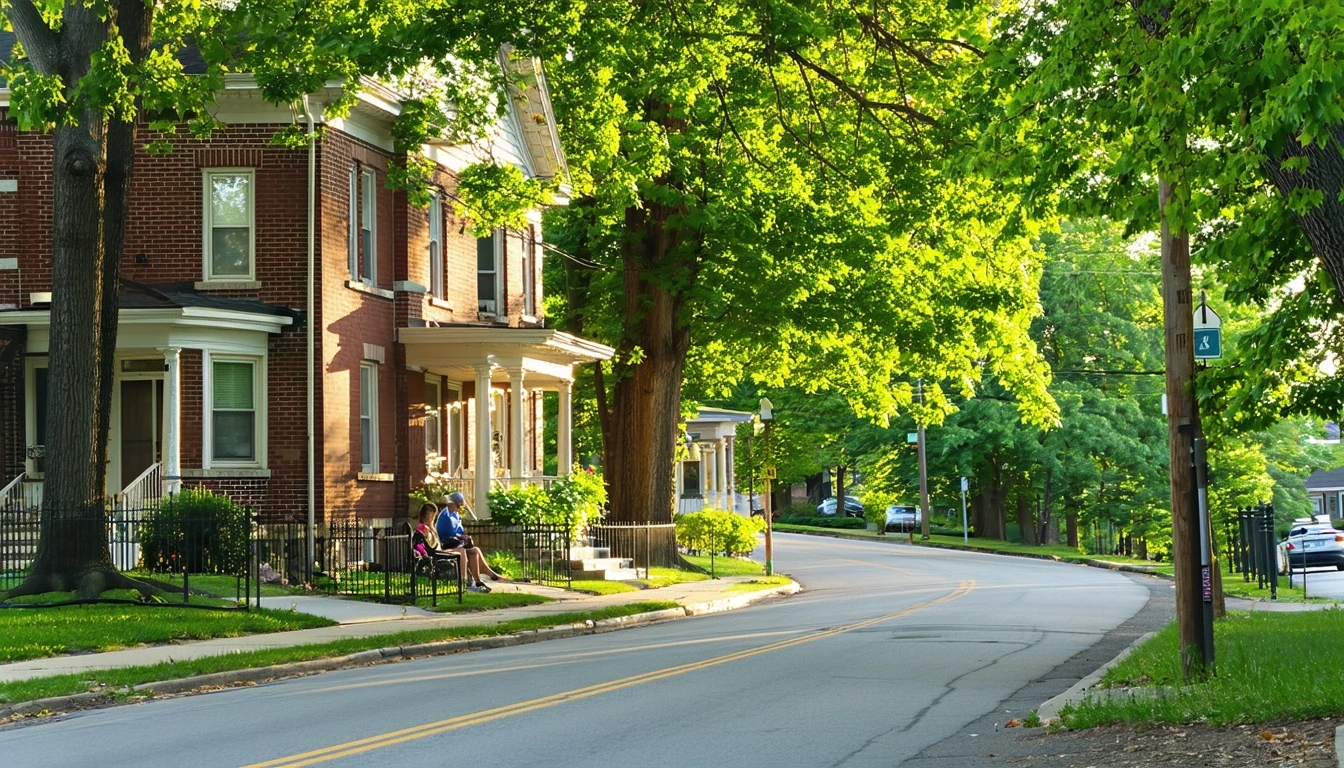
Housing represents the most significant cost differential between Arnold and Saint Louis. Arnold’s residential market consists predominantly of single-family homes built between the 1980s and 2010s, with median home prices typically ranging from $210,000 to $260,000 in 2025. The city offers limited apartment inventory, with most rental options concentrated in smaller complexes or converted single-family properties. Saint Louis presents a far more diverse housing landscape, from affordable apartments in emerging neighborhoods to premium lofts in the Central West End, with median home prices varying dramatically by neighborhood—from under $150,000 in north city areas to over $400,000 in Clayton and the Central West End.
Rental markets in both cities serve different demographics. Arnold’s rental stock remains limited, with most two-bedroom apartments ranging from $950 to $1,250 monthly, often in smaller buildings without extensive amenities. Saint Louis offers substantially more rental inventory, particularly in neighborhoods like Soulard, Tower Grove, and the Delmar Loop, where two-bedroom units typically range from $1,100 to $1,600 depending on building age, amenities, and proximity to entertainment districts. For homebuyers, Arnold delivers predictable suburban value with newer construction and larger lots, while Saint Louis rewards those willing to navigate neighborhood-by-neighborhood variations with potential bargains in revitalizing areas.
The ownership versus rental equation differs substantially between cities. Arnold’s housing stock skews heavily toward owner-occupied single-family homes, making it challenging for renters to find suitable long-term options. Saint Louis accommodates renters far more effectively, with approximately 55% of city residents renting rather than owning. This fundamental difference shapes not only immediate housing costs but also long-term wealth-building strategies and mobility flexibility.
| Housing Type | Arnold, MO | Saint Louis, MO |
|---|---|---|
| 2-Bedroom Apartment (Monthly Rent) | $950–$1,250 | $1,100–$1,600 |
| 3-Bedroom Home (Monthly Rent) | $1,400–$1,800 | $1,500–$2,200 |
| Median Home Price | $230,000–$260,000 | $180,000–$350,000 (varies by neighborhood) |
| Typical Monthly Mortgage (3BR, 20% down, 7% rate) | $1,550–$1,750 | $1,200–$2,350 |
For families prioritizing space, yard access, and newer construction, Arnold delivers better value per square foot with predictable costs. Young professionals and couples valuing urban amenities, walkability, and rental flexibility will find Saint Louis offers more housing diversity, though at higher price points in desirable neighborhoods. Renters specifically benefit from Saint Louis’s larger inventory and competitive pricing in mid-tier neighborhoods, while prospective homeowners seeking turnkey suburban properties find Arnold’s market more straightforward.
Winner: Arnold for homebuyers seeking predictable suburban value and families wanting newer, larger homes. Saint Louis wins for renters and buyers comfortable navigating neighborhood variations to find value.
Utilities and Energy Costs
Utility expenses in the St. Louis metro region reflect Missouri’s four-season climate, with significant heating demands in winter and air conditioning requirements during humid summers. Arnold residents typically experience slightly lower utility costs due to newer housing stock with improved insulation, modern HVAC systems, and energy-efficient windows. A typical three-bedroom home in Arnold might see combined electric and gas bills ranging from $140 to $220 monthly, with peaks during January and July. Saint Louis utility costs vary more dramatically based on housing age and type, with older brick homes and vintage apartments often lacking modern insulation, leading to monthly bills ranging from $160 to $280 for comparable square footage.
Both cities receive electricity from Ameren Missouri, ensuring rate parity, but consumption differences emerge from housing stock age and efficiency. Arnold’s predominantly 1990s-2010s construction incorporates better building standards, while many Saint Louis neighborhoods feature charming but energy-inefficient housing built between 1900 and 1960. Water and sewer costs remain comparable, though Saint Louis city residents pay for stormwater management fees that Arnold residents typically don’t encounter. Trash collection in Arnold is usually included in municipal services, while Saint Louis residents may pay separate private hauling fees depending on their neighborhood.
Seasonal variations affect both cities similarly, but the impact on household budgets differs based on home efficiency. Arnold residents benefit from programmable thermostats and zoned heating/cooling systems common in newer construction, allowing better control over peak-season expenses. Saint Louis residents in older housing stock often face higher winter heating bills due to drafty windows, uninsulated basements, and aging furnaces, though some historic neighborhoods benefit from thick masonry walls that provide natural temperature moderation.
Winner: Arnold due to newer housing stock with superior energy efficiency, resulting in 10-20% lower utility bills annually for comparable household sizes.
Groceries and Daily Expenses
Grocery costs between Arnold and Saint Louis remain largely comparable, as both cities access the same regional supermarket chains including Schnucks, Dierbergs, Walmart, and Aldi. A typical family of four can expect to spend $650 to $850 monthly on groceries in either location, with variations depending on shopping habits and store selection. Arnold residents benefit from newer, larger-format stores with ample parking and one-stop shopping convenience, while Saint Louis residents enjoy greater store density and specialty options including international markets, co-ops like Local Harvest Grocery, and neighborhood butchers that can offer competitive pricing on specific items.
Dining out presents more noticeable differences. Arnold’s restaurant scene centers on chain establishments and family-friendly venues where a typical dinner for two ranges from $35 to $55. Saint Louis offers substantially more dining diversity, from affordable ethnic eateries in neighborhoods like The Hill and South Grand to upscale restaurants in Clayton and the Central West End, with comparable meals ranging from $30 to $75 depending on neighborhood and cuisine type. Coffee culture also differs—Arnold residents typically rely on drive-through chains, while Saint Louis supports dozens of independent coffee shops where a daily latte habit costs roughly the same but delivers more variety.
Daily household expenses including personal care items, cleaning supplies, and over-the-counter medications show minimal price variation, as both cities access identical big-box retailers. However, Saint Louis residents benefit from greater competition and specialty retailers that can offer sales and variety, while Arnold residents enjoy the convenience of concentrated retail corridors with easy parking. Singles and couples who dine out frequently and value culinary variety will find Saint Louis offers better value and options, while families prioritizing efficient grocery shopping and predictable meal costs experience nearly identical expenses in both locations.
Winner: Tie for grocery staples, with Saint Louis offering slight advantages for dining diversity and specialty food shopping, while Arnold provides convenience and family-friendly restaurant value.
Taxes and Fees
Tax structures create significant long-term cost differences between Arnold and Saint Louis. Arnold residents pay Jefferson County property taxes, which typically range from 1.2% to 1.5% of assessed home value annually, translating to approximately $2,800 to $3,900 yearly for a $240,000 home. Saint Louis city residents face a more complex tax situation with effective property tax rates ranging from 1.8% to 2.5% depending on neighborhood and assessment practices, meaning a $240,000 home might generate $4,300 to $6,000 in annual property taxes. This substantial difference accumulates significantly over years of homeownership.
Sales tax rates also differ, though less dramatically. Arnold’s combined state, county, and local sales tax totals approximately 8.1% to 8.6% depending on specific location, while Saint Louis city sales tax reaches 9.679%—among the highest rates in Missouri. For households spending $3,000 monthly on taxable goods and services, this difference amounts to roughly $40 to $50 in additional monthly sales tax for Saint Louis residents, or $480 to $600 annually. These seemingly small percentages compound over time, particularly for larger purchases like vehicles, furniture, and appliances.
Additional fees and assessments vary by location. Arnold residents typically encounter minimal city fees beyond standard utilities, though some neighborhoods include HOA fees ranging from $200 to $600 annually for common area maintenance. Saint Louis city residents pay an earnings tax of 1% on income earned within city limits (affecting both residents and commuters), though this doesn’t apply to Arnold residents working in the city. Water and sewer fees, trash collection, and various municipal service charges tend to run higher in Saint Louis due to aging infrastructure maintenance costs. For homeowners, Arnold’s lower property tax burden and simpler fee structure create substantial long-term savings, while renters in both cities indirectly pay these costs through rent but may not feel the immediate impact.
Winner: Arnold with significantly lower property taxes, modestly lower sales taxes, and fewer municipal fees, creating thousands of dollars in annual savings for homeowners and measurable benefits for all residents.
Cost Summary Table
| Expense Category | Arnold, MO (Monthly) | Saint Louis, MO (Monthly) |
|---|---|---|
| Housing (3BR Home, Mortgage/Rent) | $1,550–$1,750 | $1,500–$2,200 |
| Utilities (Electric, Gas, Water) | $140–$220 | $160–$280 |
| Groceries (Family of 4) | $650–$850 | $650–$850 |
| Transportation (Gas, Insurance, Maintenance) | $400–$550 | $350–$500 |
| Property Tax (Prorated Monthly) | $235–$325 | $360–$500 |
| Miscellaneous (Dining, Entertainment, Personal) | $400–$600 | $450–$700 |
| Estimated Monthly Total | $3,375–$4,295 | $3,470–$5,030 |
The cost differential between Arnold and Saint Louis ranges from minimal to substantial depending on housing choices and lifestyle preferences. A family choosing comparable mid-range housing in each city might save $150 to $300 monthly in Arnold, primarily through lower property taxes and utility costs. However, Saint Louis residents who strategically select affordable neighborhoods and leverage urban amenities like walkability and public transit can narrow this gap considerably. The most significant savings in Arnold emerge for homeowners in the $200,000 to $300,000 price range, where property tax differences alone create $1,500 to $2,500 in annual savings.
Estimates reflect 2025 costs for a mid-size household (2-bedroom apartment or 3-bedroom home) using published regional data, local tax records, and utility provider information. Actual expenses vary with household size, lifestyle choices, specific neighborhood selection, and individual consumption patterns. Transportation costs assume one vehicle per adult with typical metro-area driving patterns.
Lifestyle Fit
Beyond raw cost comparisons, lifestyle factors significantly influence long-term satisfaction and indirect expenses. Arnold functions as a classic suburban community with a family-oriented atmosphere, excellent public schools in the Fox C-6 School District, and abundant recreational facilities including Arnold City Park and proximity to the Mississippi River greenway. The city’s layout requires personal vehicle ownership, with virtually no public transit options and limited walkability outside residential neighborhoods. Commuters working in downtown Saint Louis face 25-35 minute drives via I-55 during off-peak hours, extending to 45-60 minutes during rush periods, translating to higher transportation costs and time investment.
Saint Louis delivers urban lifestyle advantages including walkable neighborhoods like the Central West End, Soulard, and Tower Grove East, where residents can access restaurants, entertainment, and services without driving. The city supports MetroLink light rail and MetroBus service, allowing some residents to reduce or eliminate car ownership—a significant cost savings. Cultural amenities including the Saint Louis Art Museum, Missouri History Museum, Forest Park, and dozens of live music venues provide free or low-cost entertainment options. However, neighborhood selection proves critical, as Saint Louis exhibits dramatic variations in safety, school quality, and property appreciation potential within short distances.
The lifestyle cost equation extends beyond monthly budgets. Arnold residents invest more in transportation—fuel, vehicle maintenance, and time—but benefit from newer homes requiring less maintenance, larger yards for home-based recreation, and family-friendly community events. Saint Louis residents may spend less on transportation and home utilities while allocating more budget to dining out, entertainment, and urban conveniences. Arnold’s median household income typically ranges from $65,000 to $75,000 (gross monthly: $5,400–$6,250), reflecting its working- and middle-class suburban character, while Saint Louis city median household income varies from $38,000 to $85,000+ (gross monthly: $3,200–$7,100+) depending dramatically on neighborhood, with areas like Clayton and the Central West End far exceeding city averages.
For families with school-age children prioritizing safety, space, and community consistency, Arnold’s lifestyle delivers measurable value despite slightly higher transportation costs. Young professionals, couples without children, and individuals valuing cultural access, dining diversity, and potential car-free living will find Saint Louis’s urban neighborhoods offer lifestyle richness that offsets higher housing and tax costs. Retirees and empty-nesters split between both options depending on whether they prioritize suburban tranquility or urban engagement and walkability.
Frequently Asked Questions
Is Arnold more affordable than Saint Louis in 2025?
Arnold generally offers lower overall costs, particularly for homeowners, due to significantly lower property taxes and newer, more energy-efficient housing stock. However, Saint Louis provides more affordable entry-level housing options in certain neighborhoods and can be competitive for renters who don’t need extensive space.
Are rental prices lower in Arnold or Saint Louis?
Arnold’s limited rental inventory typically offers slightly lower base rents for standard apartments, but Saint Louis provides far more rental options across diverse price points and neighborhoods. Renters seeking variety, walkability, and urban amenities often find better overall value in Saint Louis despite comparable or slightly higher rents.
How do property taxes compare between Arnold and Saint Louis?
Arnold residents pay substantially lower property taxes, typically 1.2-1.5% of assessed value compared to Saint Louis city’s 1.8-2.5% rates. For a $240,000 home, this translates to $1,500 to $2,200 in annual savings in Arnold—one of the most significant long-term cost differences between the two cities.
Do utility bills tend to be higher in Arnold or Saint Louis during the winter?
Saint Louis residents typically face higher winter heating costs due to older housing stock with less efficient insulation and aging HVAC systems. Arnold’s newer construction generally includes better insulation and modern heating systems, resulting in 10-20% lower winter utility bills for comparable square footage.
What is the average monthly cost of living for a family of four in Arnold vs. Saint Louis?
A family of four can expect total monthly expenses of approximately $3,375 to $4,295 in Arnold compared to $3,470 to $5,030 in Saint Louis, depending on housing choices and lifestyle. The gap widens for homeowners due to property tax differences and narrows for renters who select affordable Saint Louis neighborhoods and reduce transportation costs through walkability.
Making Your Decision
The cost of living comparison between Arnold and Saint Louis reveals no universal winner—instead, the better choice depends entirely on your priorities, life stage, and financial strategy. Arnold delivers clear advantages for families seeking predictable suburban value, with lower property taxes saving homeowners thousands annually, newer housing stock reducing utility and maintenance costs, and safe, family-oriented neighborhoods with strong schools. The trade-off involves higher transportation costs, limited rental options, and less lifestyle diversity. For households earning $65,000 to $90,000 annually who prioritize homeownership, space, and long-term stability, Arnold presents compelling financial advantages that compound over years of residence.
Saint Louis offers distinct value propositions for different demographics. Young professionals, couples without children, and urban-oriented individuals benefit from walkable neighborhoods, cultural amenities, dining diversity, and potential transportation savings through reduced car dependency. While property taxes run higher and housing quality varies dramatically by neighborhood, strategic neighborhood selection can yield excellent value—particularly for renters and buyers willing to invest in revitalizing areas. The city’s lifestyle richness, professional networking opportunities, and entertainment options provide intangible value that pure cost comparisons can’t fully capture.
Ready to explore your next home? IndexYard’s moving cost calculator helps you estimate relocation expenses and compare neighborhoods across the St. Louis metro region. Whether you’re drawn to Arnold’s suburban predictability or Saint Louis’s urban energy, understanding the complete financial picture ensures your decision aligns with both your budget and your lifestyle aspirations for 2025 and beyond.