
Is Arlington Heights the kind of place you grow roots—or just pass through? That depends less on what the town offers and more on what you’re wired to need. Arlington Heights delivers suburban predictability with a few urban conveniences layered in—enough walkability in pockets to feel less car-trapped than many peer suburbs, enough rail access to make Chicago commutes tolerable, and enough parks and schools to anchor family life. But it’s not trying to be dense, spontaneous, or culturally textured. If you want a place that rewards planning, routine, and a yard, it tends to work. If you crave late-night energy, walkable variety, or car-free living, the friction shows up fast.
The Emotional Landscape of Arlington Heights
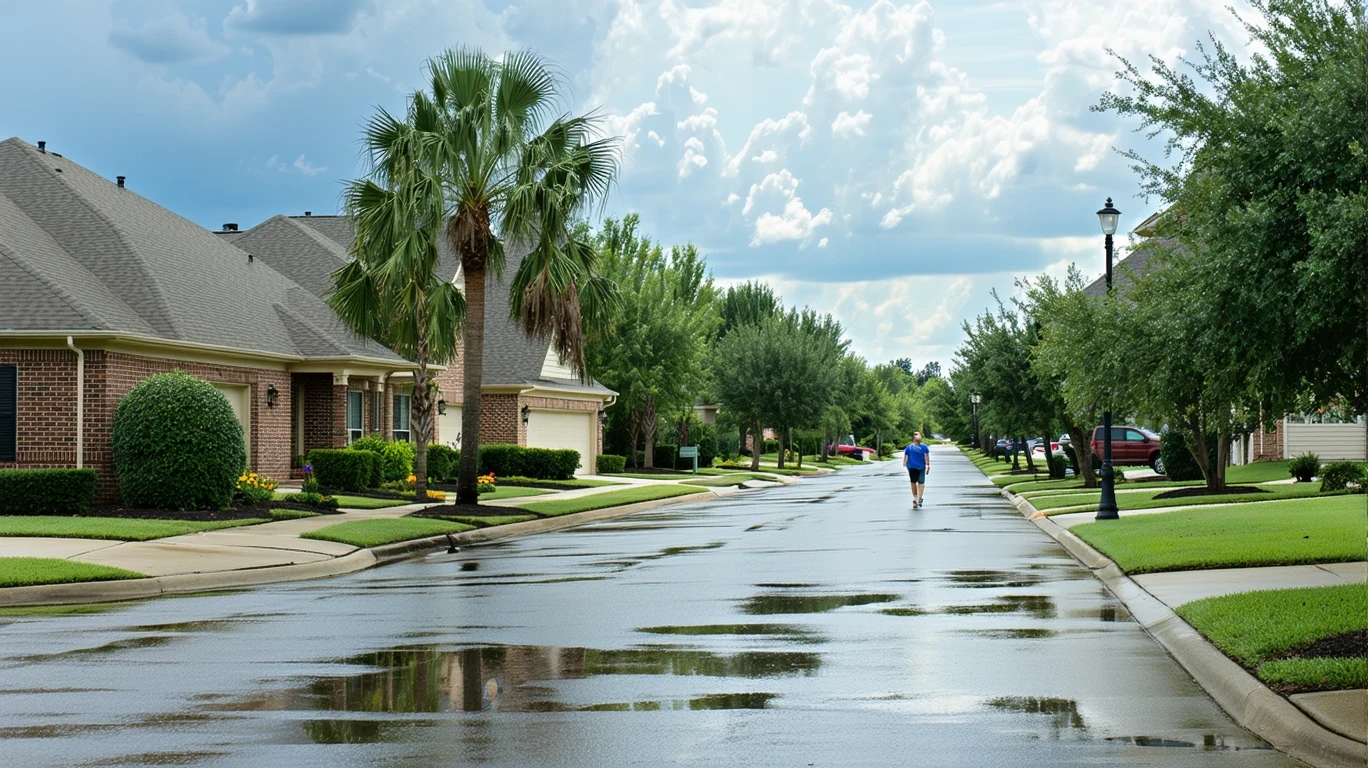
Arlington Heights occupies a specific emotional zone: it’s a place people describe with words like “solid,” “safe,” and “convenient,” but rarely “exciting” or “surprising.” The town’s vibe reflects its structure—residential neighborhoods with integrated green space, accessible grocery and errand options, and rail connectivity to Chicago, but a pace and texture that skew toward family rhythms and commuter logistics rather than independent social spontaneity.
What tends to feel rewarding here: the ability to run errands on foot in certain pockets, the density of parks and playgrounds, the presence of both schools and green space within walking distance, and the straightforward access to Metra for Chicago-bound workers. People who wanted suburban comfort without total car dependency often find that Arlington Heights delivers just enough walkable infrastructure to avoid feeling entirely isolated, especially near the downtown area.
What tends to feel limiting: the lack of late-night social options, the need for a car despite rail access (because walkability exists in pockets, not everywhere), and the absence of a local hospital. For younger professionals or households seeking dense, spontaneous urban living, Arlington Heights can feel like a placeholder—a place you tolerate for affordability or space, not a place that pulls you in emotionally.
The people who feel “at home” here tend to be families with school-age kids, Chicago commuters who value yard space over city walkability, and households that treat parks and predictability as lifestyle anchors. The people who feel restless tend to be younger singles, car-free idealists, and anyone who measures quality of life by the number of things they can do after 9 p.m. without driving.
Social Media Buzz Around Town
Public discussion about Arlington Heights—across platforms like Reddit, Facebook groups, and neighborhood forums—tends to cluster around a few recurring emotional themes: pride in the town’s parks and schools, frustration with commute logistics, and ongoing tension about what kind of growth the town should embrace.
The tone is often protective. Long-time residents express attachment to the “nice neighborhood” feel and worry that new development will erode the quiet, family-friendly character. Newcomers, meanwhile, tend to appreciate the accessibility of errands and the presence of Metra, but wish the town had more evening social options or better walkability outside the downtown core.
“It’s a great place to raise kids—parks everywhere, good schools, safe streets. But if you’re single and want a social life, you’re driving to the city or Schaumburg.”
“I love that I can walk to the grocery store and the train station from my place. It’s not the city, but it’s not totally car-dependent either.”
“The commute to Chicago is doable, but parking at the Metra lot is a nightmare. You have to plan your whole morning around it.”
Complaints tend to focus on commute friction (parking scarcity, train schedules), the lack of nightlife, and the feeling that the town is “sleepy” after dark. Praise centers on parks, school quality, and the ability to handle daily errands without highway trips. There’s little middle ground—people either feel the town fits their rhythm or they’re counting down until they can leave.
How Local Coverage Frames the Town
Local news and community coverage in Arlington Heights tends to frame the town through the lens of growth management, infrastructure updates, and community identity. The tone is rarely urgent or crisis-driven; instead, it reflects ongoing negotiation about what the town should become as the Chicago metro continues to expand outward.
Recurring topic buckets include:
- “Community Debates What Growth Should Look Like”
- “New Amenities Arrive as Town Identity Evolves”
- “Residents Weigh Convenience vs Quiet”
- “Metra Parking and Commuter Logistics Remain Hot Topics”
- “Parks and Schools Continue to Draw Families”
The framing is rarely celebratory or alarmist—it’s managerial. The town is portrayed as stable, functional, and incrementally changing, not as a place undergoing transformation or crisis. For readers seeking dramatic narratives, this can feel boring. For residents seeking predictability, it’s reassuring.
Review-Based Public Perception
On platforms like Google Reviews, Yelp, and Nextdoor-style forums, Arlington Heights earns consistent but not effusive praise. The town tends to meet expectations for suburban comfort—clean streets, accessible parks, reliable services—but it doesn’t exceed them in ways that generate excitement.
What delights people who wanted suburban comfort: the density of parks and playgrounds, the ability to walk to grocery stores and cafes in certain neighborhoods, the presence of Metra for Chicago commutes, and the overall “safe, quiet” feel. Families with young children frequently highlight the availability of schools and outdoor space within short distances.
What disappoints people who wanted texture, walkability, or variety: the limited dining and entertainment options after dark, the car dependency outside walkable pockets, and the lack of cultural or nightlife energy. Younger residents and remote workers often describe the town as “fine but boring,” a place that works logistically but doesn’t inspire attachment.
Neighborhood variation tends to show up in discussions of walkability. Newer planned areas closer to major roads feel more car-oriented, while older pockets near the downtown core offer more pedestrian-friendly infrastructure. But even in walkable zones, the pace and social texture remain suburban—this isn’t a place where spontaneous street life or late-night energy emerge organically.
Comparison to Nearby Suburbs
| Dimension | Arlington Heights | Schaumburg | Palatine |
|---|---|---|---|
| Overall Vibe | Suburban comfort with walkable pockets | Commercial hub, car-oriented, retail-heavy | Quieter, more residential, less walkable |
| Walkability | Strong in downtown core, mixed elsewhere | Minimal, designed for driving | Limited, car-dependent |
| Transit Access | Metra rail to Chicago | No rail, bus only | Metra rail to Chicago |
| Family Appeal | High—parks, schools, playgrounds | Moderate—retail focus, fewer parks | High—residential, quiet, family-oriented |
| Social Scene | Limited, quiet after dark | More dining/retail options, still suburban | Very quiet, minimal nightlife |
Arlington Heights sits between Schaumburg’s retail-heavy, car-oriented sprawl and Palatine’s quieter, more residential character. If you value walkability and rail access but still want suburban space, Arlington Heights offers the best balance of the three. If you prioritize shopping and dining variety and don’t mind driving everywhere, Schaumburg delivers more options. If you want maximum quiet and residential predictability, Palatine leans furthest in that direction.
None of these towns will satisfy someone seeking urban density, nightlife, or car-free living. The choice comes down to how much walkability and transit access matter to you within a suburban framework.
What Locals Are Saying
“We moved here for the schools and parks, and it’s been exactly what we hoped for. The kids can bike to the playground, we can walk to the grocery store, and the neighborhood feels safe. It’s not flashy, but it works.”
“I take the Metra into the city for work, and the commute is fine—except for parking. If you don’t get to the lot early, you’re circling or paying for a private spot. That’s the biggest pain point for me.”
“It’s a nice town, but there’s not much to do here at night. If I want to meet friends for drinks or see live music, I’m driving to Chicago or Evanston. Arlington Heights is where I sleep, not where I socialize.”
“I’ve lived here for 20 years, and it’s changed a lot—more development, more traffic, more people. I get that growth happens, but I miss the quieter feel it used to have.”
“As a remote worker, I appreciate the parks and the walkable downtown area. I can grab coffee, run errands, and get outside without needing a car every time. But I do feel isolated sometimes—there’s not a lot of spontaneous social energy here.”
“We chose Arlington Heights over Schaumburg because we wanted a place that felt more like a town and less like a shopping mall. We’re happy with that trade, but we do drive to Schaumburg when we need more retail options.”
“It’s a solid, predictable place. You know what you’re getting—good schools, safe streets, accessible parks. If that’s what you need, it’s hard to beat. If you want excitement, look elsewhere.”
Does Arlington Heights Feel Like a Good Fit?
Arlington Heights doesn’t ask you to fall in love with it. It offers a deal: suburban space, family infrastructure, accessible errands, and rail access to Chicago in exchange for a slower pace, limited nightlife, and car dependency outside walkable pockets. Whether that deal works depends entirely on what you’re optimizing for.
This tends to work for families with school-age children, Chicago commuters who value yard space and predictability, and households that treat parks and routine as lifestyle anchors. It tends to frustrate younger professionals seeking spontaneous social options, car-free or car-light households despite the presence of Metra, and anyone measuring quality of life by cultural variety or late-night energy.
If you’re deciding whether Arlington Heights fits your life, the question isn’t “Is this town happy?”—it’s “Does this town’s rhythm match mine?” If you want a place that rewards planning, supports family logistics, and offers just enough walkability to avoid total car dependence, Arlington Heights delivers. If you need density, spontaneity, or urban texture, the friction will show up in your first month.
To explore how the town’s structure translates into monthly expenses and budget planning, or to understand what lifestyle factors drive quality of life here, those guides offer decision-ready context. And if you’re weighing housing tradeoffs and availability, that breakdown explains how space, location, and cost interact in this market.
How this article was built: In addition to public economic data, this article incorporates location-based experiential signals derived from anonymized geographic patterns—such as access density, walkability, and land-use mix—to reflect how day-to-day living actually feels in Arlington Heights, IL.
The perspectives shown reflect commonly expressed local sentiment and recurring themes in public discussion, rather than individual accounts.