
Deciding whether to rent or buy in Antioch means understanding how this Nashville suburb’s housing market actually works—not just what homes cost, but how location, infrastructure, and household logistics shape your day-to-day experience. Antioch sits in a metro area where housing pressure is real, but the city’s suburban structure, corridor-based errands access, and strong family infrastructure create distinct tradeoffs that don’t show up in a simple price comparison.
This article explains housing cost behavior in Antioch: what drives rent and ownership exposure, how apartments and houses differ in practice, and which household types fit the city’s infrastructure. If you’re weighing what a budget has to handle in Antioch, housing is the anchor—but the full picture includes how you’ll move, shop, and manage daily errands once you’re here.
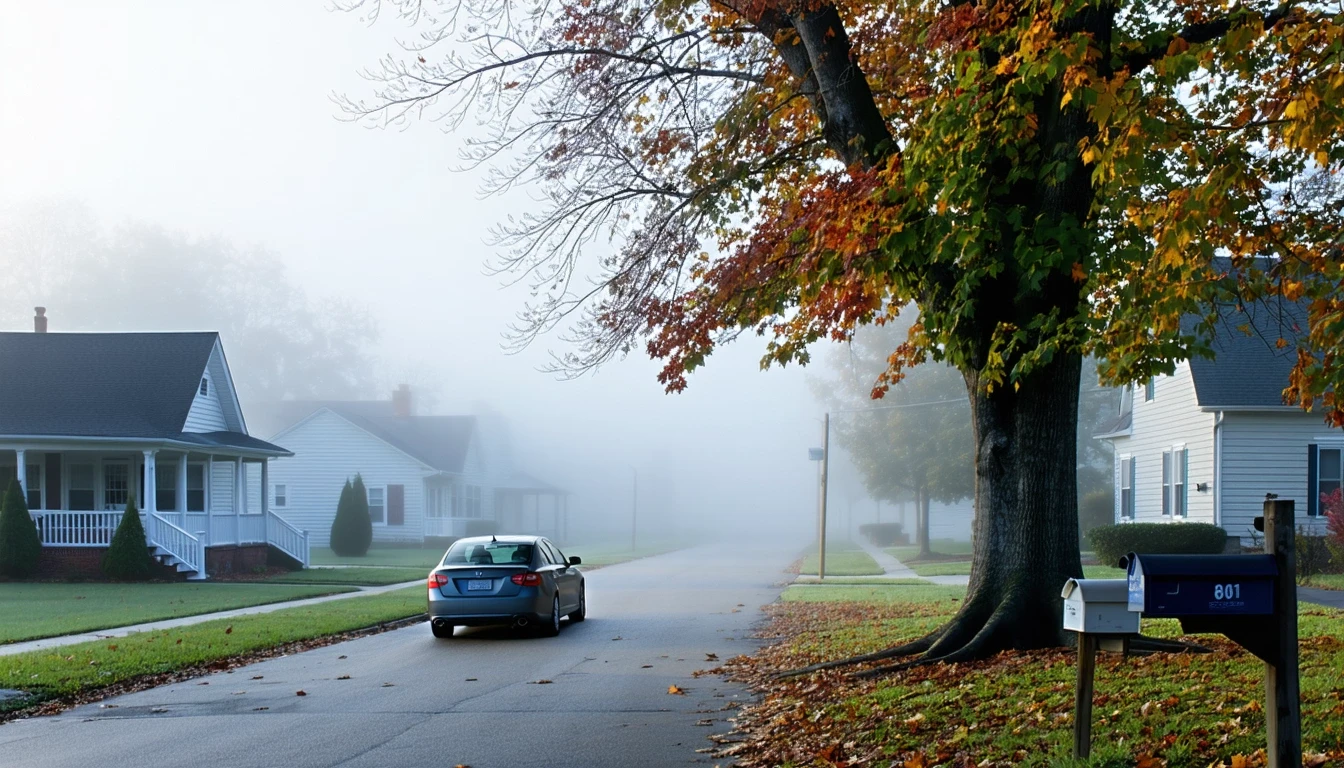
The Housing Market in Antioch Today
Antioch’s housing market reflects its role as a commuter-oriented suburb within the Nashville metro. The city developed as a bedroom community with mixed building heights and both residential and commercial land use woven throughout. This isn’t a downtown grid or a purely single-family subdivision—it’s a hybrid structure where walkability exists in pockets, errands cluster along corridors, and car dependence dominates outside those zones.
What newcomers often misunderstand is that Antioch’s housing stock isn’t uniform. The pedestrian-to-road ratio is high in specific areas, meaning some neighborhoods support walking and transit use, while others require a car for nearly every trip. Grocery density is high, but food establishments are moderately distributed, so proximity to the right corridor matters more than it would in a denser urban core.
The city’s unemployment rate of 2.9% signals a tight labor market, which typically supports housing demand. The regional price parity index of 97 suggests that Antioch’s overall cost structure sits slightly below the national baseline, but that doesn’t mean housing is cheap—it means the cost experience is shaped more by Nashville metro dynamics than by Antioch’s own infrastructure.
Renting in Antioch
Renting in Antioch means navigating a market where location determines logistics complexity. Because errands accessibility is corridor-clustered and transit is bus-only, renters without cars need to prioritize proximity to those corridors. The city’s walkable pockets support pedestrian life, but they’re not evenly distributed—choosing the wrong block can mean adding significant planning burden to routine tasks.
Rental pressure in Antioch is tied to Nashville metro growth, not just local supply. As the metro expands, Antioch absorbs commuter demand, which can tighten availability and push rents upward over time. Renters should expect that lease renewals reflect metro-wide trends, not just neighborhood conditions.
Apartment renters benefit from lower maintenance exposure and predictable utility costs, especially in newer complexes where efficiency standards reduce seasonal swings. House renters gain space and often yard access, but they inherit maintenance responsibility and higher utility exposure tied to square footage and building age. In Antioch’s climate—where cooling season is extended and summer heat is intense—utility volatility is a real factor for house renters.
Owning a Home in Antioch
Ownership in Antioch shifts cost exposure from rent volatility to property tax, maintenance, and long-term upkeep. Tennessee has no state income tax, but property taxes fund local services, and rates vary by jurisdiction within Davidson County. Owners should expect that tax assessments adjust over time, and that appeals or exemptions require active engagement with local governance.
Homeownership in Antioch also means managing climate-driven maintenance. Extended cooling seasons stress HVAC systems, and humidity accelerates wear on roofing, siding, and exterior finishes. Older homes—common in parts of Antioch’s housing stock—may require earlier intervention on insulation, windows, and ductwork to control utility costs and maintain comfort.
HOA presence varies widely. Some neighborhoods have mandatory associations that bundle services like landscaping, trash, or exterior maintenance, while others have none. This creates a spectrum of governance exposure: some owners gain predictability and shared amenities, while others gain autonomy but inherit full responsibility for upkeep and capital improvements.
Strong family infrastructure—high playground density and medium school density—makes Antioch attractive for family-oriented buyers, but it also means that neighborhood quality and school access drive resale value more than they would in a transient rental market.
Apartment vs House in Antioch — Cost Behavior Comparison
| Expense Category | Apartment | House |
|---|---|---|
| Cooling & Heating Exposure | Lower square footage and shared walls reduce load; newer complexes often have efficiency standards | Higher square footage and standalone structure increase load; older homes may lack modern insulation, raising summer cooling costs significantly |
| Maintenance Responsibility | Landlord handles HVAC, roofing, exterior; tenant exposure limited to interior damage | Owner handles all systems; humidity and extended cooling season accelerate wear on HVAC, roofing, and siding |
| Errands & Logistics | Apartments often cluster near corridors with higher grocery and food density, reducing trip frequency | Houses more dispersed; some areas require car for all errands due to lower walkability outside pockets |
| Outdoor Access | Limited to shared amenities or nearby parks; park density is moderate citywide | Private yard access common; proximity to parks varies, but water features and green space are present throughout Antioch |
| Family Infrastructure Fit | Suitable for smaller households; playground density is high, but school proximity varies by complex location | Better alignment with family needs; yard space, school access, and neighborhood stability support longer-term family planning |
Why these categories? The table reflects cost behavior differences that are pronounced in Antioch due to climate (extended cooling season, humidity), infrastructure (corridor-clustered errands, walkable pockets), and housing stock (mixed building heights, varied age). Generic categories like “base rent” or “parking” were omitted because they don’t vary meaningfully by housing type in this market—they’re negotiated individually and don’t reflect structural cost exposure.
Utilities & Upkeep Differences
Utility exposure in Antioch is shaped by climate intensity, not just rates. Electricity costs 13.06¢/kWh, and natural gas runs $20.33/MCF—both are moderate by national standards—but the extended cooling season means that summer air conditioning dominates household energy use. Apartments with shared walls and smaller footprints see lower absolute bills, while standalone houses face higher baseline consumption and greater sensitivity to insulation quality and HVAC efficiency.
Heating exposure is lighter. Antioch experiences mild winters with rare freezing nights, so natural gas or electric heating is a secondary cost driver compared to cooling. Households in older homes may still see noticeable heating costs if windows, doors, or ductwork are inefficient, but the seasonal impact is far less than in colder climates.
Maintenance differences are structural. Apartment dwellers avoid roof replacement, exterior painting, and HVAC capital costs—those fall to the landlord. House owners inherit all of it, and Antioch’s humidity accelerates the replacement cycle for roofing, siding, and outdoor finishes. Owners should budget for deferred maintenance on older homes, especially if the property sat vacant or was minimally maintained before purchase.
Yard upkeep is another dividing line. Houses with grass, trees, or landscaping require regular mowing, trimming, and irrigation during hot, dry stretches. Apartments shift that burden to property management, though tenants may still pay for it indirectly through rent.
Rent vs Buy: Long-Term Exposure in Antioch
Renting in Antioch means accepting that lease renewals will reflect Nashville metro housing pressure, not just local supply. Rent can rise annually, and tenants have limited control over timing or magnitude. The tradeoff is flexibility: renters can relocate without selling, avoid maintenance surprises, and adjust housing size as household needs change.
Owning shifts exposure from rent volatility to tax, maintenance, and capital improvement cycles. Property taxes adjust over time as assessments change, and owners must manage appeals or exemptions themselves. Maintenance costs are episodic—HVAC replacement, roof work, or siding repair can arrive in clusters—and older homes in Antioch’s stock may require earlier intervention than newer builds.
Ownership also locks in location. Families prioritizing school access or neighborhood stability benefit from this, but it reduces mobility for households that may need to relocate for work or family reasons. Selling a home takes months, incurs transaction costs, and depends on market timing in ways that lease termination does not.
The long-term cost profile favors ownership for households that value control, predictability in housing payments (excluding taxes and maintenance), and the ability to modify their living space. It favors renting for households that prioritize mobility, want to avoid maintenance exposure, or aren’t ready to commit to Antioch’s suburban infrastructure and car-oriented logistics outside walkable pockets.
FAQs About Housing Costs in Antioch
Is Antioch, TN affordable for renters without cars?
It depends on where you rent. Antioch has walkable pockets with high pedestrian-to-road ratios and bus service, but errands accessibility is corridor-clustered. Renters without cars should prioritize apartments near those corridors where grocery density is high and food establishments are accessible. Outside those zones, car dependence is the norm, and household logistics become significantly more complex.
How does Antioch’s climate affect housing costs?
Antioch’s extended cooling season and intense summer heat make air conditioning the dominant utility cost. Houses with poor insulation or aging HVAC systems face higher bills, while apartments with shared walls and smaller square footage see lower exposure. Heating costs are minor due to mild winters, but humidity accelerates maintenance cycles for roofing, siding, and exterior finishes, increasing long-term ownership costs.
What makes Antioch a good fit for families buying homes?
Antioch has strong family infrastructure: playground density exceeds high thresholds, and school density is in the medium band. Mixed building heights and diverse housing stock provide entry points for different household sizes. The city’s suburban structure supports yard access, and park density is moderate with water features present. Families benefit from neighborhood stability and proximity to family-oriented amenities, though school quality and location should be verified independently.
Are property taxes in Antioch predictable over time?
Property taxes in Antioch are set by Davidson County and adjust as assessments change. Tennessee has no state income tax, so property taxes fund local services. Owners should expect periodic reassessments and understand that appeals or exemptions require active engagement. Tax exposure is less volatile than rent, but it’s not fixed—it shifts with property value changes and local budget decisions.
How does owning a house in Antioch compare to renting long-term?
Owning shifts cost exposure from rent volatility to tax, maintenance, and capital improvements. Owners gain control and predictability in housing payments (excluding taxes and upkeep), but they lose mobility and inherit climate-driven maintenance cycles. Renting preserves flexibility and avoids maintenance surprises, but lease renewals reflect Nashville metro housing pressure. The better choice depends on whether you value stability and control or mobility and lower maintenance exposure.
Making Housing Choices in Antioch
Housing costs in Antioch are shaped by Nashville metro dynamics, suburban infrastructure, and climate exposure. Renters face metro-driven lease pressure and must choose locations carefully to manage car dependence and errands logistics. Owners gain control and stability but inherit property tax adjustments, maintenance cycles, and climate-driven upkeep.
The city’s corridor-clustered errands access, walkable pockets, and strong family infrastructure create distinct household fit profiles. Families benefit from playground density, school access, and neighborhood stability. Renters without cars can succeed in specific zones but struggle outside them. Owners of older homes face higher maintenance exposure due to humidity and extended cooling seasons.
Understanding where your money goes in Antioch means recognizing that housing is the anchor, but the full cost structure includes how you move, shop, and manage daily life. If you’re planning a move, reviewing logistics and timing through a best moving companies guide can help you avoid surprises during the transition.
Antioch’s housing market rewards households that align their choice—rent or buy, apartment or house—with their mobility needs, logistics preferences, and tolerance for maintenance exposure. The city’s infrastructure supports diverse household types, but only if you choose the right location and housing format for how you actually live.
How this article was built: In addition to public economic data, this article incorporates location-based experiential signals derived from anonymized geographic patterns—such as access density, walkability, and land-use mix—to reflect how day-to-day living actually feels in Antioch, TN.