
Nearly one in three residents in Ann Arbor is enrolled in higher education, creating a city where student life isn’t just accommodated—it’s embedded in the infrastructure, the economy, and the rhythm of daily routines. That density shapes everything from housing supply to transit design to the concentration of late-night study spots and affordable food options. For students evaluating where to spend their college years, Ann Arbor offers a rare combination: a walkable, transit-connected environment with strong academic support, integrated green space, and a rental market built around the academic calendar. But it also comes with elevated rent and a competitive housing search that requires early planning and realistic budget expectations.
This guide walks through what makes Ann Arbor work for students—and where the tradeoffs require careful decision-making. We’ll cover housing options, transportation infrastructure, monthly costs, social opportunities, and safety considerations, using both local data and place-based signals that reflect how students actually move through and experience the city.
Why Students Choose Ann Arbor
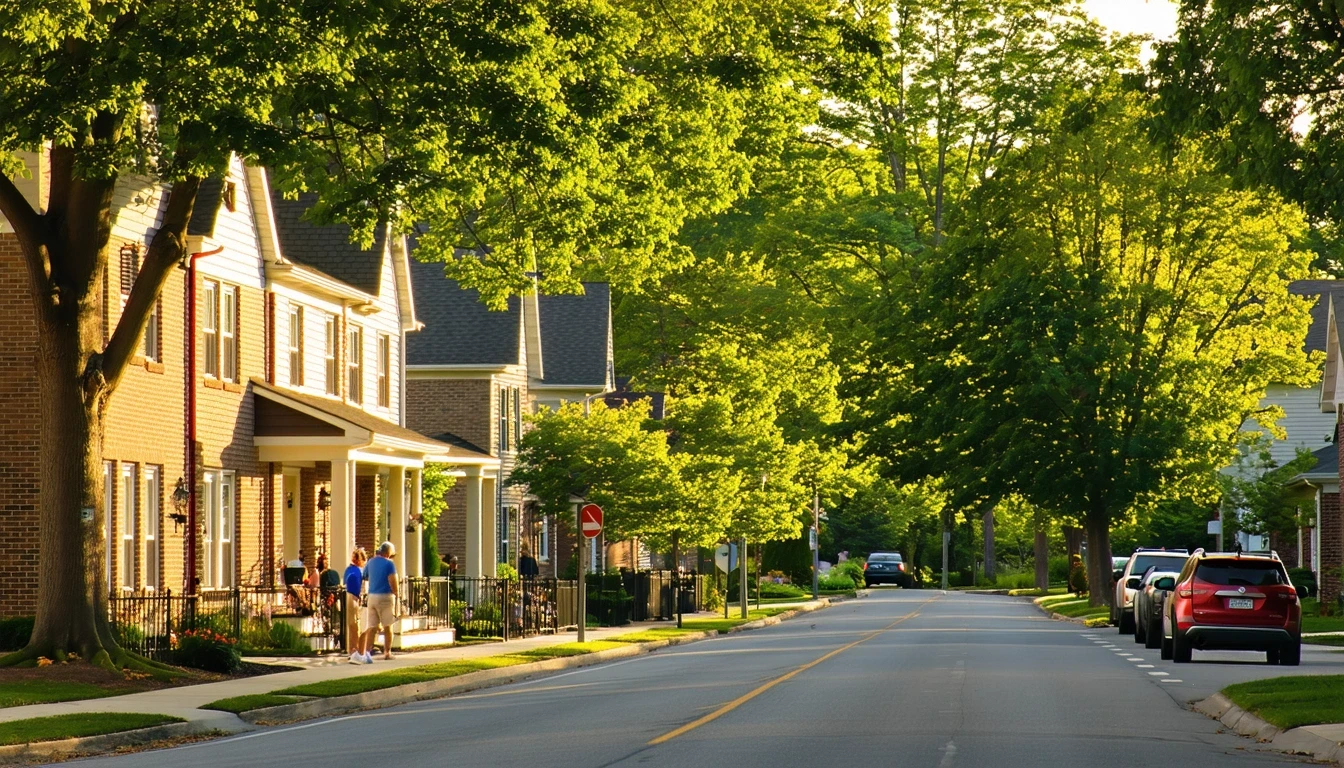
Ann Arbor earns a student-friendliness score of 82 out of 100, driven by its walkable infrastructure, transit accessibility, high concentration of food and grocery options, and integrated park network. The city’s pedestrian-to-road ratio exceeds high thresholds, meaning students can reach classes, errands, and social spaces on foot or by bike without defaulting to a car. Rail transit is present, and bike infrastructure is notable throughout parts of the city, creating a mobility environment where car ownership becomes optional rather than required.
The University of Michigan anchors the city’s identity, and that influence extends beyond campus borders. Local businesses cater to student schedules, offering late hours, student discounts, and flexible payment options. The job market reflects student availability, with part-time roles in retail, food service, tutoring, and campus employment widely accessible. The unemployment rate sits at 3.8%, indicating a stable local economy with consistent hiring activity. For students balancing coursework and income, that stability matters.
Food and grocery density in Ann Arbor exceeds high thresholds, meaning students have access to a broad range of options—from budget grocery chains to ethnic markets to late-night convenience stores—within walking or biking distance of most student neighborhoods. That accessibility reduces the logistical friction of meal planning and lowers the need for bulk shopping trips that require a car. Park density also exceeds high thresholds, with water features present, creating outdoor study spaces, running routes, and social gathering spots that are integrated into daily student life rather than requiring a drive to access.
Housing Options for Students
The median gross rent in Ann Arbor is $1,472 per month, which reflects the full rental market including non-student households and solo renters. For students, the practical path is shared housing, where that figure splits across two, three, or four roommates. A two-bedroom apartment shared between two students might run $700–$800 per person per month, while a four-bedroom house split four ways can bring individual costs closer to $500–$650 per month, depending on location and condition. Purpose-built student housing complexes near campus often include utilities, internet, and furniture in the lease, which simplifies budgeting but typically commands a premium over older off-campus units.
Lease terms in Ann Arbor follow the academic calendar, with most landlords offering 12-month leases starting in late August or early September. Some properties offer 9- or 10-month leases tailored to the academic year, but these are less common and may carry higher monthly rates. Security deposits typically equal one month’s rent, and some landlords require a guarantor or co-signer for students without established credit or income history. Roommate-finding resources include university housing boards, Facebook groups specific to incoming classes, and off-campus housing offices that maintain listings and tenant rights information.
On-campus housing is available primarily for first-year students, with limited availability for upperclassmen. Most students transition off-campus after their first year, creating a competitive rental market in neighborhoods within walking or biking distance of central campus. Popular student areas include neighborhoods near State Street, South University, and Packard Road, where proximity to campus, grocery stores, and transit stops drives demand. Students who start their housing search in late winter or early spring have the widest selection; waiting until summer narrows options significantly and often means accepting higher rent or longer commutes.
Getting Around: Transportation and Campus Access
Ann Arbor’s transportation infrastructure is designed to support a car-optional lifestyle, and students are the primary beneficiaries of that design. The city’s rail transit system and bus network provide frequent service to campus, downtown, and surrounding neighborhoods, with student discounts or free access often included in university fees. Bike infrastructure is notable throughout the city, with dedicated lanes, bike racks near academic buildings, and a culture that treats cycling as a primary mode of transportation rather than a recreational activity.
Because the pedestrian-to-road ratio exceeds high thresholds and both residential and commercial land use types are present throughout student neighborhoods, daily errands—picking up groceries, meeting a study group, grabbing coffee—rarely require motorized transportation. Students who live within a two-mile radius of campus can walk or bike to most obligations, reducing transportation costs to near zero during the academic year. For students living farther out, the bus system provides reliable access, though winter weather can make biking less appealing and increase reliance on transit or ride-sharing during cold months.
Students who bring cars to Ann Arbor face parking costs, which vary by neighborhood but typically add $50–$150 per month for off-street or permit parking. On-campus parking is limited and expensive, and many students find that the cost and hassle of maintaining a car outweigh the convenience, especially when the built environment supports walking, biking, and transit so effectively. Gas prices in Ann Arbor are currently $2.70 per gallon, and for students who do drive occasionally—weekend trips, grocery runs, or visits home—the cost remains manageable. But the city’s infrastructure reduces the frequency of those trips, meaning car ownership becomes a choice rather than a necessity.
Student Cost of Living
Monthly student expenses in Ann Arbor vary widely depending on housing arrangement, lifestyle, and whether a student owns a car. A frugal student sharing a four-bedroom house, cooking most meals, using transit and bikes exclusively, and limiting entertainment spending might operate on $900–$1,100 per month. A moderate student in a two-bedroom apartment, eating out occasionally, maintaining a modest social calendar, and using ride-sharing when convenient might spend $1,300–$1,600 per month. A comfortable student in a solo studio or one-bedroom, dining out regularly, owning a car, and participating in paid social activities could approach $2,000–$2,400 per month.
Food costs depend heavily on whether students cook or rely on dining plans and takeout. The high density of grocery options in Ann Arbor supports budget-conscious shopping, and students who cook can keep food costs to $200–$300 per month. Dining plans, if required or chosen, add $300–$500 per month depending on the plan tier. Eating out occasionally—coffee shops, casual dining, late-night food—adds another $100–$200 per month for most students. The presence of student discounts at many local restaurants and cafes helps moderate these costs, but the convenience of Ann Arbor’s food accessibility can also make it easy to overspend if students don’t track their habits.
Textbooks and course materials vary by major and semester but typically run $300–$600 per semester, or roughly $50–$100 per month when averaged across the academic year. Entertainment expenses—streaming subscriptions, concert tickets, recreational activities—depend entirely on individual preferences but often fall in the $50–$150 per month range. Personal care, including toiletries, haircuts, and occasional clothing purchases, adds another $50–$100 per month. Miscellaneous expenses—laundry, phone bills, occasional ride-sharing—round out the budget at $50–$100 per month.
Part-time job opportunities in Ann Arbor are widely available, with typical student wages ranging from $12–$16 per hour for retail, food service, and campus positions. Students working 10–15 hours per week can expect to earn $500–$900 per month before taxes, which can cover a significant portion of non-housing expenses or reduce reliance on loans and family support. The city’s low unemployment rate and student-oriented economy mean that job availability remains relatively stable throughout the academic year, though competition increases at the start of each semester as new students enter the market.
Monthly Student Budget in Ann Arbor
Here’s what a typical monthly student budget might look like in Ann Arbor, comparing shared housing and solo living scenarios:
| Expense Category | Shared Housing (Illustrative) | Solo Living (Illustrative) |
|---|---|---|
| Rent (share of total) | $600 | $1,472 |
| Utilities (electric, gas, internet) | $60 | $120 |
| Food (groceries + occasional dining out) | $300 | $400 |
| Transportation (bus pass or bike maintenance) | $30 | $30 |
| Textbooks & supplies (averaged monthly) | $75 | $75 |
| Entertainment & social | $100 | $150 |
| Personal care | $50 | $75 |
| Miscellaneous (laundry, phone, etc.) | $75 | $100 |
| Total (before financial aid/income) | $1,290 | $2,422 |
Estimates based on average student spending patterns and local costs. Rent for shared housing assumes a four-bedroom unit split among roommates. Solo rent reflects the median gross rent of $1,472 per month. Utilities, food, and transportation figures use typical student usage and local rates. These are illustrative context figures, not guarantees, and individual costs will vary based on lifestyle, housing location, and personal choices.
Student-Friendly Amenities and Services
Ann Arbor’s high density of food and grocery options extends to student-oriented amenities like coffee shops with reliable Wi-Fi, late hours, and seating designed for extended study sessions. These spaces function as informal study halls, and their concentration near campus means students can rotate between locations depending on crowd levels, noise, and proximity to their next class. The integrated park network provides outdoor study options during warmer months, and the presence of water features creates scenic spots for breaks between study sessions or group projects.
Recreational facilities include campus gyms, which are typically included in student fees, as well as public parks with sports fields, running paths, and open green space. The city’s mixed building height and land-use patterns mean that students encounter a variety of environments—quiet residential streets for evening walks, bustling commercial corridors for socializing, and green spaces for outdoor activities—all within a compact, navigable area. Student organizations are abundant, covering academic interests, cultural identity, recreational sports, and social causes, providing structured opportunities for connection and engagement outside of coursework.
Healthcare access in Ann Arbor includes clinics and pharmacies, which are present throughout the city and provide routine care, prescriptions, and urgent care services. While no hospital was detected in the immediate area through place-based signals, students have access to campus health centers that handle most routine medical needs, and nearby regional hospitals serve more serious health concerns. Mental health resources are available through university counseling services, and many students also access private therapists and support groups in the surrounding community. Campus job opportunities include research assistant positions, library roles, tutoring, and administrative support, offering flexible schedules that align with academic calendars and providing both income and resume-building experience.
Social Scene and Nightlife
The social scene in Ann Arbor revolves around campus events, student organizations, and a downtown corridor with bars, music venues, and restaurants that cater to college-age crowds. Intramural sports leagues are popular and provide low-barrier entry to recreational competition and social connection. Cultural activities—art exhibitions, theater productions, live music—are frequent and often discounted or free for students, supported by both university programming and local arts organizations. Festivals and seasonal events draw large crowds, and the city’s walkable layout means students can participate without needing to coordinate transportation or parking.
Nightlife options include bars and venues that welcome students of legal drinking age, as well as all-ages spaces like coffee shops, late-night diners, and music venues that host performances and open mic nights. The dating scene benefits from the high concentration of young adults and the variety of social settings—study groups, student organizations, recreational leagues, and casual hangouts—that facilitate meeting people with shared interests. Social networking opportunities are abundant, and the city’s compact geography means that students frequently encounter familiar faces, creating a sense of community and repeated interaction that supports relationship-building.
Safety and Practical Considerations
Campus safety measures in Ann Arbor include university police, emergency call boxes, late-night shuttle services, and well-lit pedestrian paths. The city’s walkable infrastructure and high pedestrian activity create natural surveillance, and student neighborhoods tend to have consistent foot traffic even during evening hours, which contributes to a sense of security. Local crime statistics reflect a college town environment, with property crime (bike theft, package theft) more common than violent crime. Students are encouraged to lock bikes securely, avoid leaving valuables visible in cars or apartments, and use campus escort services when walking alone late at night.
Emergency services, including police, fire, and medical response, are accessible throughout the city, and campus health centers provide urgent care during business hours. Academic support services—tutoring centers, writing labs, office hours, study groups—are widely available and often included in tuition or student fees. These resources help students manage coursework demands and provide structured support for students adjusting to college-level academics. Internship opportunities are strong in Ann Arbor, supported by the university’s career services office and the presence of local employers in healthcare, technology, education, and nonprofit sectors. Many students secure internships during the academic year or summer, building professional experience while remaining in the area.
FAQs About Student Life in Ann Arbor
What’s the average cost of student living in Ann Arbor?
Students sharing housing typically spend $1,100–$1,500 per month, including rent, utilities, food, transportation, and personal expenses. Solo students in one-bedroom or studio apartments may spend $2,000–$2,500 per month. These figures assume a car-optional lifestyle and moderate spending on entertainment and dining out. Students who cook most meals, use transit and bikes exclusively, and limit discretionary spending can operate on tighter budgets, while those who own cars or dine out frequently will see higher costs.
How safe is it for students to live off-campus?
Off-campus neighborhoods near the university are generally safe, with high pedestrian activity, well-lit streets, and active community presence. Property crime, particularly bike theft, is the most common concern, and students should use quality locks and avoid leaving valuables visible. Campus police and local law enforcement maintain a visible presence, and late-night shuttle services provide safe transportation for students returning to off-campus housing after evening classes or social events.
Are there good part-time job opportunities?
Yes. Ann Arbor’s student-oriented economy and low unemployment rate create consistent demand for part-time workers in retail, food service, tutoring, and campus roles. Typical wages range from $12–$16 per hour, and students working 10–15 hours per week can earn $500–$900 per month. Campus job boards, university career services, and local businesses near campus are reliable sources for job postings, and many employers offer flexible schedules that accommodate class times and exam periods.
What’s the social scene like for college students?
Ann Arbor’s social scene is driven by the university’s presence, with abundant student organizations, intramural sports, campus events, and a downtown area with bars, music venues, and restaurants. The city’s walkable layout and high concentration of students create frequent opportunities for spontaneous social interaction, and the variety of environments—quiet study spots, lively nightlife, outdoor green spaces—supports different social preferences. Cultural activities, festivals, and seasonal events provide additional opportunities for connection and engagement beyond campus-specific programming.
Making the Decision: Is Ann Arbor Right for Your College Years?
Ann Arbor offers a strong student living environment, particularly for students who value walkability, transit access, and a city where daily logistics—getting to class, buying groceries, meeting friends—don’t require a car. The rent is elevated compared to many college towns, but the ability to avoid car ownership, insurance, and parking costs offsets much of that premium. Students who prioritize outdoor access, a vibrant social scene, and a compact, navigable city will find Ann Arbor well-suited to their needs. Those who prefer lower rent at the expense of walkability or who plan to bring a car regardless of infrastructure may find the cost structure less favorable.
The key advantages are clear: excellent walkability, notable bike infrastructure, rail transit, high food and grocery density, integrated parks, and a strong job market for part-time student employment. The primary tradeoff is rent, which requires either shared housing or part-time income to manage comfortably. Students and families should start the housing search early, budget conservatively, and take advantage of the city’s car-optional infrastructure to minimize transportation costs. For students willing to share housing and leverage the city’s mobility and amenities, Ann Arbor delivers a high-quality college experience with strong academic support, social opportunities, and day-to-day convenience.
Prospective students should visit campus and surrounding neighborhoods, talk to current students about their experiences, and review monthly budget expectations to ensure the financial commitment aligns with available resources. Parents evaluating overall living costs should consider both the direct expenses—rent, food, transportation—and the indirect savings that come from a walkable, transit-connected environment where car ownership becomes optional. Ann Arbor’s student-friendliness score of 82 reflects a city that has built its infrastructure, economy, and culture around the needs of college students, and for those who fit that profile, it’s a decision that supports both academic success and quality of life during the college years.
How this article was built: In addition to public economic data, this article incorporates location-based experiential signals derived from anonymized geographic patterns—such as access density, walkability, and land-use mix—to reflect how day-to-day living actually feels in Ann Arbor, MI.