
“We moved to Ann Arbor for the schools, but stayed for the neighbors.”
That sentiment captures much of what defines life here: a college town where intellectual energy, progressive values, and family-oriented stability coexist—sometimes easily, sometimes with tension. Ann Arbor draws people who want cultural texture, walkable neighborhoods, and strong schools. But it also tests households on housing costs, seasonal weather extremes, and the question of whether you’re “in” the university ecosystem or just living alongside it.
Understanding Ann Arbor’s vibe means recognizing that it’s not one experience. The downtown and campus core offer dense, walkable urban life with transit access and abundant amenities. The outer residential areas feel more suburban, car-dependent, and quiet. The city’s identity is deeply tied to the University of Michigan, which shapes everything from housing demand to cultural programming to the rhythm of the academic calendar. For some, that university presence is the draw. For others, it’s a source of cost pressure and disconnection.
The Emotional Landscape of Ann Arbor
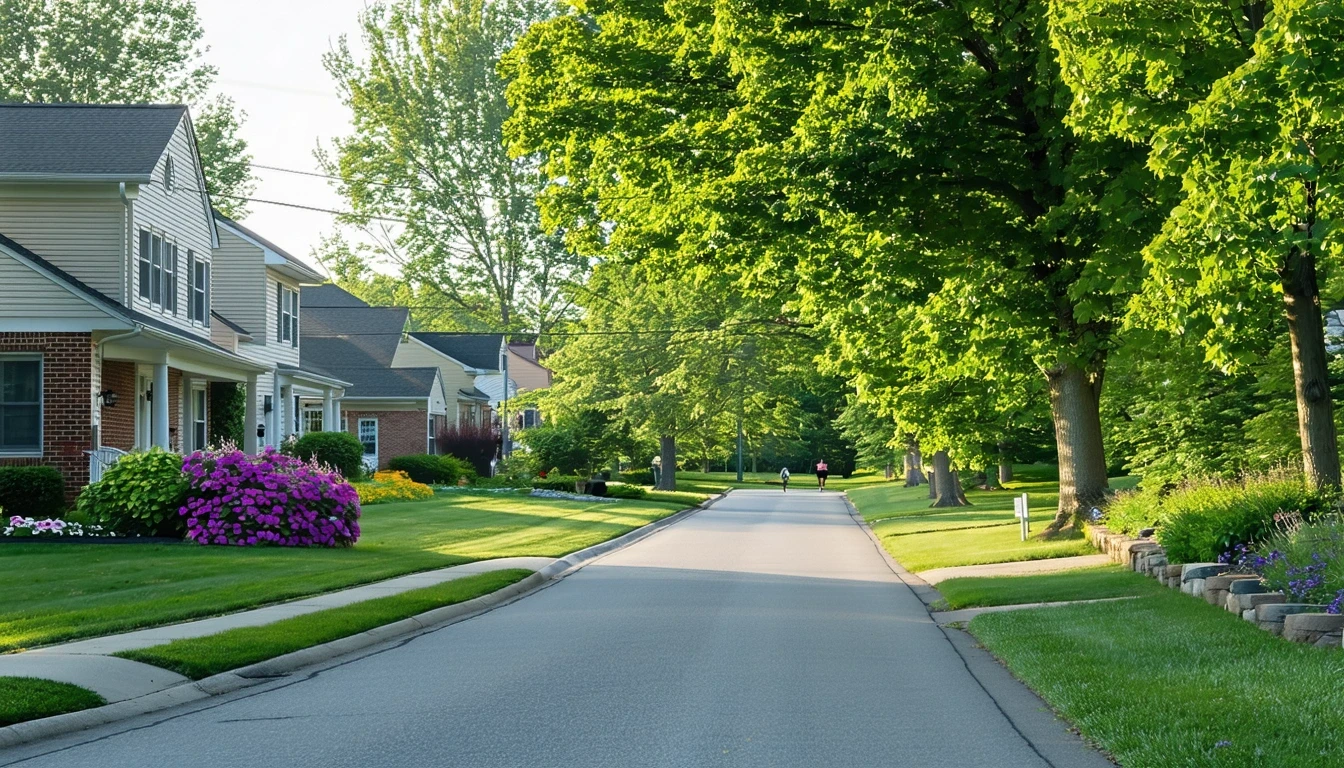
Ann Arbor tends to feel rewarding for people who value intellectual community, progressive politics, and access to cultural amenities unusual for a city this size. Residents often describe a strong sense of civic engagement, abundant green space, and neighborhoods where walking to coffee shops, bookstores, and farmers markets feels natural. The city’s infrastructure supports families well: schools are a major draw, playgrounds and parks are plentiful, and the community prioritizes safety and education.
But the city also generates friction. Housing costs are high relative to income for households without university ties. The cost of living can feel misaligned with the job market outside academia and healthcare. Seasonal weather—long, cold winters and hot, humid summers—requires adjustment and adds to utility expenses. And while the downtown core is walkable and transit-accessible, much of the city still requires a car for daily errands, creating a gap between the “Ann Arbor experience” people imagine and the logistics they actually face.
The people who tend to feel “this fits me” are those who align with the university’s rhythm, who prioritize schools and safety, or who value progressive community culture enough to absorb the cost premium. The people who tend to feel restless are those seeking affordability, faster-paced urban energy, or a lifestyle less centered on academia.
What People Talk About Online
Public discussion in Ann Arbor—across local subreddits, Facebook groups, and neighborhood platforms—tends to circle around a few recurring themes: housing costs and availability, town-gown dynamics, parking and transportation, and the tension between preserving neighborhood character and accommodating growth.
The tone is often protective. Long-time residents express pride in the city’s walkability, green space, and cultural offerings, but also worry about affordability and whether the city is pricing out non-university families. Newcomers often express surprise at how competitive the rental market is, especially near campus, and how much of the city’s identity revolves around the university calendar.
Composite themes that surface repeatedly:
“I love the walkability downtown, but once you’re outside that bubble, you’re back to needing a car for everything.”
“The schools are great, but the housing costs make it hard to justify staying long-term unless you’re tied to the university.”
“Ann Arbor has this amazing mix of culture and nature—you can walk to a concert and then hike the Arb the next morning.”
There’s also frequent discussion about seasonal rhythms: how the city empties out during summer and winter breaks, how traffic and parking ease when students leave, and how that ebb and flow affects local businesses and neighborhood energy.
How Local Coverage Frames the City
Local news and community media in Ann Arbor tend to frame the city through themes of growth management, town-gown relations, infrastructure investment, and cultural identity. Coverage often reflects tension between preserving what makes Ann Arbor distinctive and adapting to housing demand, climate goals, and economic diversification.
Recurring topic buckets that appear in local coverage:
- “Community Debates What Growth Should Look Like”
- “New Housing Developments Spark Conversation About Density and Character”
- “University Expansion Plans Meet Neighborhood Concerns”
- “Residents Weigh Walkability Goals Against Parking Needs”
- “Local Businesses Navigate Seasonal Shifts as Students Come and Go”
The framing is rarely alarmist, but it does reflect ongoing negotiation: between affordability and exclusivity, between growth and preservation, between university priorities and residential neighborhood needs. The tone suggests a community that cares deeply about its identity and wants to shape its future intentionally, even when that means slower decision-making.
What Reviews and Public Perception Reveal
On platforms like Google Reviews, Yelp, and Nextdoor-style community boards, Ann Arbor tends to receive praise for its schools, parks, walkable downtown, and cultural amenities. Families often highlight the sense of safety, the quality of public libraries, and the abundance of family-friendly programming. Professionals and retirees appreciate the intellectual community, the farmers market, and the accessibility of healthcare.
But expectations matter. People who move to Ann Arbor expecting a full urban experience—late-night transit, dense nightlife, car-free living—often express disappointment. Outside the downtown and campus core, the city feels more suburban: single-family homes, quiet streets, and car dependency for groceries and errands. Newer planned areas tend to feel more isolated and less walkable than older pockets closer to downtown.
Cost is a recurring complaint. Renters describe competitive markets, rising lease renewals, and limited inventory. Homebuyers note that prices feel high relative to what you get, especially compared to nearby Ypsilanti or other Midwest cities. Utility costs—driven by cold winters and hot summers—also surface as a surprise for newcomers unfamiliar with seasonal extremes.
The overall pattern: Ann Arbor delights people who wanted exactly what it offers—intellectual community, strong schools, walkable core, progressive values. It frustrates people who wanted more affordability, more urban density, or less dependence on university rhythms.
How Ann Arbor Compares to Nearby Cities
| City | Overall Vibe | Cost Sentiment | Walkability Feel |
|---|---|---|---|
| Ann Arbor | Intellectual, family-oriented, culturally rich | High cost, university-driven pressure | Strong downtown core, suburban edges |
| Ypsilanti | Grittier, more affordable, artsy undercurrent | Budget-friendly alternative to Ann Arbor | Walkable downtown, car-dependent elsewhere |
| East Lansing | College town energy, younger demographic | Moderate, student-oriented pricing | Campus-centric walkability, limited beyond |
Ann Arbor and East Lansing share college town DNA, but Ann Arbor skews older, more affluent, and more family-oriented. East Lansing feels more transient, with a younger student population and less established residential neighborhoods. Ypsilanti offers a more affordable, less polished alternative—closer proximity to Ann Arbor’s amenities without the same cost burden, but with fewer cultural institutions and less walkable infrastructure.
If you prioritize schools, safety, and cultural texture, Ann Arbor tends to win. If you need affordability and don’t mind trading some polish for cost relief, Ypsilanti becomes appealing. If you want college town energy without family-oriented stability, East Lansing might fit better.
Voices from the Community
“I’m a grad student, and Ann Arbor feels like the perfect size—big enough to have good food and music, small enough that you see familiar faces. But rent is brutal, even with roommates.”
“We moved here for the schools, and they’ve been worth it. But the housing market is competitive, and we’re constantly wondering if we can afford to stay once the kids are grown.”
“I love that I can walk to the farmers market, the library, and a dozen coffee shops. But once you leave downtown, it’s back to driving everywhere. The walkability is real, but it’s localized.”
“Ann Arbor has this great mix of progressivism and Midwestern friendliness. People care about climate, equity, and education—but they also shovel your sidewalk and bring you cookies.”
“I’m a remote worker, and Ann Arbor has been ideal—good internet, great parks, and enough cultural stuff to keep me engaged. But I do feel like an outsider sometimes, not being tied to the university.”
“Winter here is no joke. It’s cold, it’s long, and your heating bill reminds you every month. If you’re not prepared for that, it’s a tough adjustment.”
“I’ve been here 20 years, and the city has changed a lot—more expensive, more crowded, more focused on development. But the core of what makes it special is still here: the people, the parks, the sense of community.”
Does Ann Arbor Feel Like a Good Fit?
Ann Arbor works well for households who align with its identity: university-affiliated families, professionals who value intellectual community, and people willing to pay a premium for strong schools, walkable neighborhoods, and progressive culture. The city offers a rare combination of small-town accessibility and big-city cultural amenities, supported by infrastructure that encourages walking, biking, and transit use in the core areas.
But it frustrates households seeking affordability, car-free living beyond downtown, or a lifestyle less shaped by university rhythms. The cost of living—especially housing pressure—is real, and it’s not offset by proportionally higher wages outside academia and healthcare. Seasonal weather adds another layer of adjustment, particularly for people unfamiliar with long, cold winters and the utility costs that come with them.
The question isn’t whether Ann Arbor is “happy” in the abstract. It’s whether the tradeoffs align with what you need. If you value schools, culture, and community over affordability and urban density, Ann Arbor tends to deliver. If you need lower costs, faster-paced energy, or less dependence on a car outside the downtown core, the friction will show up quickly.
For a clearer sense of where money goes and how households manage day-to-day expenses, or to explore what quality of life factors matter most in practice, the related guides offer grounded context to help you decide whether Ann Arbor’s emotional profile matches your own priorities.
How this article was built: In addition to public economic data, this article incorporates location-based experiential signals derived from anonymized geographic patterns—such as access density, walkability, and land-use mix—to reflect how day-to-day living actually feels in Ann Arbor, MI.
The perspectives shown reflect commonly expressed local sentiment and recurring themes in public discussion, rather than individual accounts.