
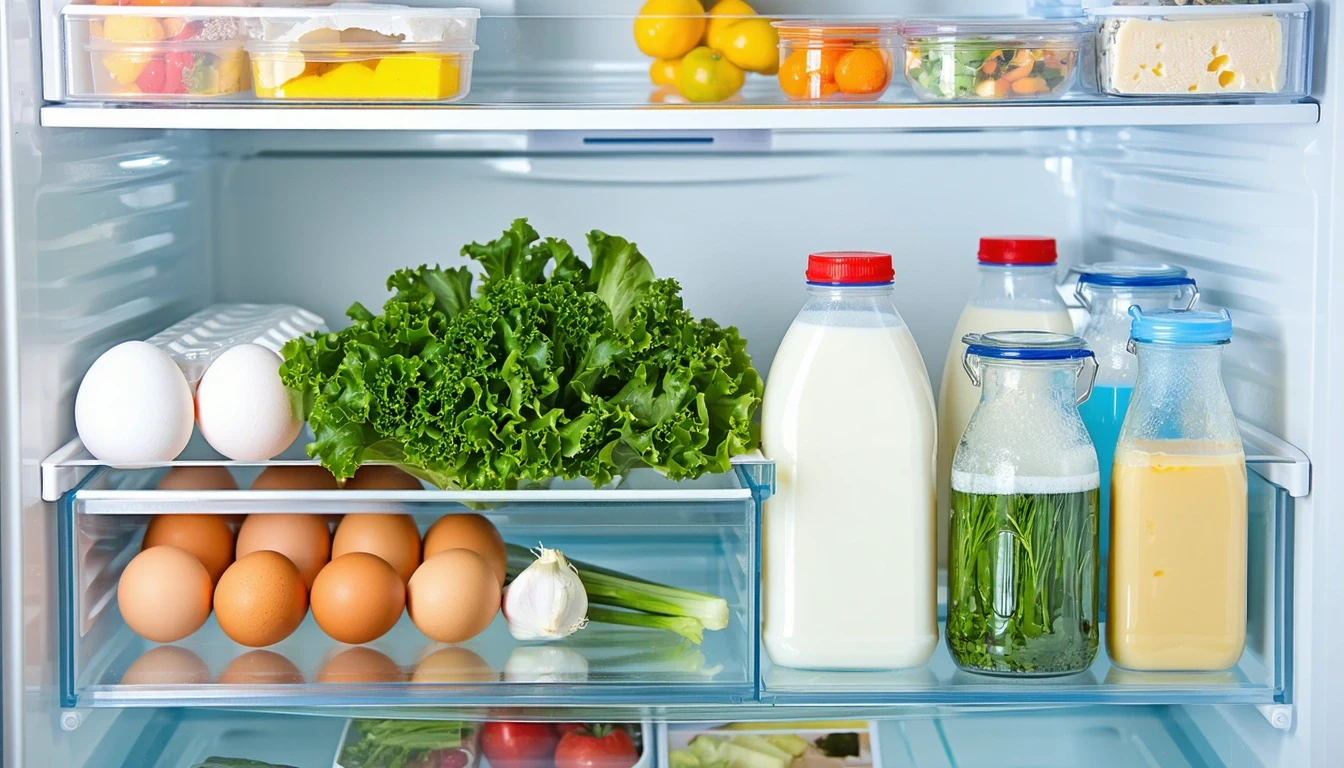
How Grocery Costs Feel in Ann Arbor
You’re standing in your kitchen on Sunday afternoon, planning meals for the week. Chicken for Monday, pasta for Wednesday, maybe tacos Friday. You mentally tally what’s already in the pantry—rice, canned beans, half a bag of frozen vegetables—and start building a shopping list. The question isn’t just what to cook; it’s where to shop, how much to buy at once, and whether this week’s grocery run will feel routine or tight. In Ann Arbor, that calculus plays out against a regional price environment that tracks close to the national baseline, but the pressure you feel depends heavily on household size, income cushion, and which store you choose.
Ann Arbor’s regional price parity index sits at 98, meaning overall costs run slightly below the national average. Grocery prices follow that pattern—neither bargain-bin cheap nor premium-inflated across the board. For a household earning near the city’s median income of $78,546 per year, grocery spending rarely dominates the budget the way housing does. But “affordable in aggregate” doesn’t mean every household experiences groceries the same way. Singles and couples without kids often find grocery costs manageable, even with room for organic upgrades or convenience purchases. Families with children, on the other hand, feel every price difference amplified by volume. A 50-cent gap per pound of chicken or a dollar more per gallon of milk compounds quickly when you’re feeding four or five people three meals a day.
What shapes grocery pressure in Ann Arbor isn’t just the price on the shelf—it’s access, choice, and habit. Food and grocery establishments here exceed high density thresholds, meaning residents have multiple stores within practical reach. That’s not universal; in many cities, “choosing a cheaper store” means driving 20 minutes each way. In Ann Arbor, walkable pockets and mixed-use neighborhoods allow some households to make smaller, more frequent trips rather than committing to a single weekly bulk haul. That flexibility changes how people think about price sensitivity. You can comparison-shop without burning an afternoon. You can buy just enough for three days and adjust if prices drop or plans change. For families especially, that access reduces the stakes of any single shopping decision.
Grocery Price Signals (Illustrative)
These prices illustrate how staple items tend to compare locally—not a full shopping list or a snapshot of any one store’s shelf. They’re derived estimates, adjusted for regional pricing patterns, and they serve as reference points for understanding relative cost pressure across categories. Actual prices vary by retailer, season, and promotion, but the relationships between items tend to hold.
| Item | Price |
|---|---|
| Bread | $1.75/lb |
| Cheese | $4.63/lb |
| Chicken | $2.00/lb |
| Eggs | $2.80/dozen |
| Ground Beef | $6.41/lb |
| Milk | $3.92/half-gallon |
| Rice | $1.04/lb |
Derived estimate based on national baseline adjusted by regional price parity; not an observed local price.
Protein costs—chicken, ground beef, eggs—anchor most weekly meal plans, and they’re where families feel volume pressure most. At $2.00 per pound, chicken remains one of the more budget-friendly proteins, but a family buying five pounds a week still commits $10 before adding sides. Ground beef at $6.41 per pound pushes some households toward chicken, turkey, or plant-based alternatives when stretching the budget. Eggs at $2.80 per dozen offer relief; they’re versatile, shelf-stable, and cost-effective per serving. Dairy and starches—milk, cheese, rice, bread—fill out the cart without spiking totals, though cheese at $4.63 per pound can add up quickly if you’re feeding a household that goes through a block a week.
These prices don’t tell you what your receipt will say on Saturday morning. They tell you where the pressure points are and why some households gravitate toward certain proteins, grains, or substitutions. A single person buying a half-pound of ground beef and a dozen eggs might not notice the price gap. A family of four buying three pounds of beef and two dozen eggs every week absolutely does.
Store Choice & Price Sensitivity
Grocery costs in Ann Arbor vary more by store tier than by any single “average” price level. Discount-tier retailers—no-frills formats, limited selection, house brands—offer the lowest price floor. You’ll find staples priced 15 to 25 percent below mid-tier competitors, but the tradeoff is less variety, fewer organic or specialty options, and a shopping experience built for efficiency over comfort. For families on a tight budget or anyone prioritizing cost over convenience, discount stores deliver meaningful savings. A household spending $150 a week at a mid-tier store might bring that closer to $120 at a discount chain without sacrificing nutrition or volume.
Mid-tier grocers—regional chains, mainstream supermarkets—occupy the middle ground. Prices run close to the regional baseline, selection is broad, and you’ll find both budget and premium options on the same shelf. Most Ann Arbor households shop mid-tier by default. It’s where you can buy organic strawberries and store-brand pasta in the same trip without feeling like you’re in the wrong store. Premium grocers—specialty markets, natural food stores, high-service formats—charge more across the board, often 20 to 35 percent above mid-tier pricing. You’re paying for curation, quality signals, prepared foods, and a shopping environment designed to feel less transactional. For some households, that’s worth it. For others, it’s a discretionary choice reserved for specific items, not the weekly haul.
Because Ann Arbor’s food and grocery density is high, switching between tiers doesn’t require a special trip. You can buy shelf-stable staples and proteins at a discount store, then stop at a mid-tier chain for produce and dairy, then grab a few specialty items at a premium market—all within a few miles. That flexibility matters. It means store choice is a lever you can actually pull, not an abstract suggestion. Families managing tight budgets use that lever constantly. Singles and couples with more income cushion use it selectively, optimizing for time and preference rather than cost alone.
What Drives Grocery Pressure Here
Household size is the single biggest driver of grocery cost sensitivity in Ann Arbor. A single person earning $50,000 a year and spending $250 a month on groceries is allocating roughly 6 percent of gross income to food at home—a comfortable margin. A family of four earning $80,000 and spending $800 a month is allocating 12 percent, and that’s before accounting for school lunches, snacks, or the occasional convenience purchase. The math isn’t just about percentages; it’s about volume and waste risk. Singles can buy small quantities, experiment with recipes, and let a half-empty carton of milk sit in the fridge without much consequence. Families buy in bulk to save per-unit costs, but that only works if nothing spoils. One bad week of meal planning can erase the savings from three smart shopping trips.
Income cushion determines how much attention you pay to price differences. A household earning $78,546—Ann Arbor’s median—has room to absorb a $20 or $30 swing in weekly grocery costs without restructuring the budget. You might not love paying $6.41 for ground beef, but you’re not switching to rice and beans because of it. A household earning $50,000 with two kids feels that same $20 swing as a meaningful budget event. It’s the difference between buying chicken thighs and chicken breasts, between name-brand cereal and store-brand, between shopping once a week and splitting trips across two stores to chase sales.
Seasonal variability plays a quieter role. Produce prices shift with growing seasons—berries cost more in winter, root vegetables cost less in fall—but those swings are predictable and manageable. Protein and dairy prices fluctuate with supply chain conditions and commodity markets, and those changes hit faster and harder. A 50-cent jump in egg prices or a dollar increase in ground beef can persist for months, and families notice. The regional price environment in Ann Arbor doesn’t insulate households from those shocks, but the density of store options gives you more ways to respond. You can switch proteins, shift to frozen vegetables, or move more of your cart toward shelf-stable staples until prices stabilize.
Practical Ways People Manage Grocery Costs
Store rotation is the most common strategy for reducing grocery pressure without sacrificing variety. Buy proteins and pantry staples at a discount-tier store, then pick up produce and dairy at a mid-tier chain where turnover is faster and quality is more consistent. You’re not doubling your shopping time—you’re splitting a single trip into two stops that might be five minutes apart. For families especially, that approach can lower weekly costs by 10 to 15 percent without requiring coupons, apps, or elaborate planning. It just requires knowing which categories each store handles best.
Meal planning reduces waste and smooths spending. When you know what you’re cooking for the week, you buy only what you’ll use, and you’re less likely to overbuy perishables or make impulse purchases that sit unused. Planning also lets you build meals around what’s on sale or in season, rather than defaulting to the same proteins and vegetables every week. A household that plans three dinners in advance and shops accordingly will almost always spend less than a household that wings it and buys based on what looks good in the moment.
Buying in bulk works when you have the storage space, the upfront cash, and the certainty that you’ll use what you buy. Rice, beans, pasta, canned goods, and frozen proteins all store well and cost significantly less per unit when purchased in larger quantities. Families with a chest freezer and a pantry can cut per-meal costs by buying meat in bulk and portioning it at home. Singles and couples in smaller apartments often can’t make that tradeoff—there’s nowhere to put a 10-pound bag of rice or a flat of canned tomatoes, and the upfront cost of bulk buying strains a tight weekly budget even if the per-unit math works out.
Store brands deliver the most straightforward savings. A box of store-brand cereal costs 30 to 40 percent less than the name-brand equivalent, and the nutritional content is nearly identical. The same holds for canned vegetables, pasta, dairy, and frozen staples. Premium and mid-tier stores both carry house brands, so switching doesn’t require shopping at a discount chain. For households managing grocery pressure, store brands are the easiest lever to pull—no planning required, no behavior change, just a different box in the cart.
Groceries vs Eating Out (Directional)
Cooking at home almost always costs less per meal than eating out, but the comparison isn’t purely financial. Groceries require time, planning, and cleanup. Eating out buys convenience, variety, and a break from the kitchen. The tradeoff depends on how much discretionary time and income you have. A household earning $78,546 with two working adults might cook five nights a week and eat out twice—not because groceries are unaffordable, but because the time saved on Friday and Saturday is worth the cost. A single person earning $50,000 might cook six nights a week and treat restaurant meals as a budget exception, not a routine.
The real tension isn’t between cooking and dining out—it’s between cooking efficiently and cooking reactively. A household that plans meals, shops once a week, and uses what it buys will spend far less than a household that orders takeout twice a week because they didn’t defrost chicken in time or ran out of a key ingredient. The cost of eating out isn’t just the restaurant bill; it’s the groceries you bought and didn’t use because you gave up and ordered pizza instead. In Ann Arbor, where grocery access is high and store choice is broad, the friction of shopping is low. That makes cooking at home more viable, but it doesn’t eliminate the planning burden. Households that manage that burden well keep grocery costs predictable. Households that don’t often end up paying twice—once for groceries, once for convenience.
FAQs About Grocery Costs in Ann Arbor (2026)
Is it cheaper to shop in bulk in Ann Arbor? Buying in bulk reduces per-unit costs for shelf-stable staples like rice, pasta, canned goods, and frozen proteins, but only if you have storage space and the upfront cash to commit. Families with a chest freezer and pantry see the most benefit; singles and couples in smaller apartments often can’t make the tradeoff work.
Which stores in Ann Arbor are best for low prices? Discount-tier retailers offer the lowest price floor, typically 15 to 25 percent below mid-tier chains, with a focus on house brands and no-frills formats. Mid-tier grocers provide broader selection at moderate pricing, while premium stores charge more for curation and quality signals. Because grocery density here is high, many households rotate between tiers depending on what they’re buying.
How much more do organic items cost in Ann Arbor? Organic products generally carry a premium, often adding 20 to 50 percent to the cost of conventional equivalents, depending on category. Produce, dairy, and eggs see the widest gaps, while shelf-stable organic goods sometimes price closer to conventional options during promotions. Households prioritizing organic typically allocate more of their grocery budget to fresh items and rely on conventional staples elsewhere.
How do grocery costs for two adults in Ann Arbor tend to compare to nearby cities? Ann Arbor’s regional price parity of 98 suggests grocery costs run close to or slightly below the national baseline, meaning two-adult households here face similar pricing to other mid-sized Midwest cities. The bigger variable is store access and tier availability—Ann Arbor’s high grocery density gives residents more flexibility to comparison-shop and switch retailers than in less dense areas.
How do households in Ann Arbor think about grocery spending when cooking at home? Most households treat groceries as a controllable expense, adjusting store choice, meal planning, and protein selection based on income cushion and family size. Families feel the most pressure and tend to rotate stores or buy in bulk to manage per-meal costs. Singles and couples with higher incomes often prioritize convenience and quality over strict cost minimization, while still staying within a predictable weekly range.
Does shopping more frequently save money or cost more? Shopping more frequently can reduce waste and allow you to buy only what you’ll use, but it also increases the risk of impulse purchases and adds time. In Ann Arbor, where walkable pockets and mixed-use neighborhoods make quick grocery stops practical, some households successfully shop two or three times a week for fresh items while keeping pantry staples stocked from less frequent bulk trips.
How does seasonal variability affect grocery costs here? Produce prices shift with growing seasons—berries cost more in winter, squash and root vegetables cost less in fall—but those swings are predictable. Protein and dairy prices fluctuate with supply chain conditions and can persist for months, creating more noticeable pressure. The density of store options in Ann Arbor gives households more ways to respond by switching proteins or shifting toward frozen and shelf-stable alternatives when prices spike.
How Groceries Fit Into the Cost of Living in Ann Arbor
Groceries rarely dominate your monthly budget the way housing does, but they’re one of the few major expenses where behavior and choice directly control outcomes. You can’t negotiate your rent or cut your property tax bill in half, but you can absolutely lower your grocery costs by 15 or 20 percent through store rotation, meal planning, and strategic use of house brands. That control matters, especially for families managing tight budgets or households adjusting to a higher cost-of-living environment after a move.
In Ann Arbor, grocery pressure is moderate, access is high, and store choice is broad. The regional price environment tracks close to the national baseline, so you’re not paying a premium just for living here. But the experience of grocery costs depends heavily on household size, income cushion, and how much attention you’re willing to pay to where and how you shop. Singles and couples earning near or above the median income of $78,546 generally find groceries manageable, even with room for organic upgrades or convenience purchases. Families with children, especially those earning below the median, feel volume pressure more acutely and benefit most from store rotation and bulk buying strategies.
For a complete picture of how groceries fit into your overall cost structure—including housing, utilities, transportation, and discretionary spending—refer to the monthly budget breakdown. That’s where you’ll see how much room your income leaves for food at home, how grocery costs interact with dining out, and where tradeoffs make sense. Groceries are a lever you can pull, but they’re just one part of a larger financial picture. Understanding how they fit helps you make decisions that reduce pressure without eliminating flexibility.
How this article was built: In addition to public economic data, this article incorporates location-based experiential signals derived from anonymized geographic patterns—such as access density, walkability, and land-use mix—to reflect how day-to-day living actually feels in Ann Arbor, MI.