
Allen is considered moderately priced in 2026, anchored by a median home value of $390,200 and median rent of $1,747 per month. The value proposition depends on housing entry cost versus car dependence, with the main exposure coming from ownership barriers and commuting rather than day-to-day expenses.
When Maya relocated to Allen for a new job in early 2025, she expected Texas to mean lower costs across the board. The grocery bills were manageable, gas prices reasonable, and parks plentiful. But the sticker shock came from housing: even modest single-family homes required substantial down payments, and rental options, while available, didn’t offer the savings she’d anticipated. Within weeks, she realized Allen’s cost structure wasn’t about expensive daily life—it was about clearing the entry threshold and managing the commute.
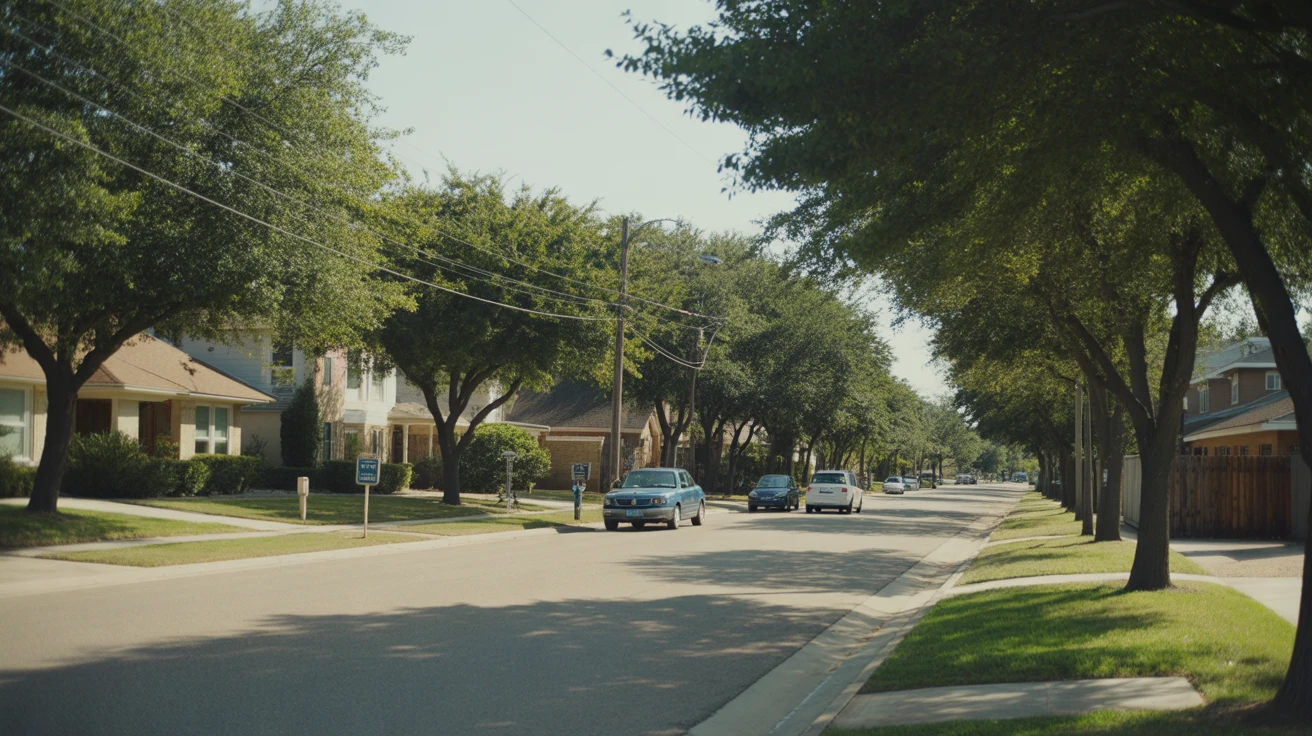
Overall Cost of Living Snapshot
Allen’s cost structure is shaped by elevated housing entry costs and moderate ongoing expenses. The regional price parity index stands at 103, placing the city slightly above the national baseline but well within the range of accessible suburban markets. Housing dominates financial pressure, particularly for buyers navigating a median home value of $390,200. Renters face a median gross rent of $1,747 per month, which reflects the city’s position within the Dallas metro area but doesn’t translate to dramatic monthly savings compared to ownership when insurance, taxes, and maintenance are considered.
Beyond housing, costs behave predictably. Electricity rates sit at 16.11¢/kWh—moderate for Texas—but the extended cooling season means air conditioning drives summer exposure. Natural gas pricing at $30.71/MCF remains a minor factor given the region’s mild winters. Transportation costs are tied to car dependency: gas prices average $2.41/gal, and the typical commute runs 30 minutes, with only 7.7% of workers able to work from home. Groceries and daily expenses track close to national norms, adjusted modestly for regional pricing.
The city’s cost profile rewards those who can absorb the upfront housing commitment and manage a vehicle-dependent lifestyle. Surprises come less from volatile bills and more from the structural realities of suburban living: finding a place requires capital or stable income, and getting around requires reliable transportation. The unemployment rate of 3.8% signals a stable local economy, but the cost structure itself is front-loaded rather than unpredictable.
Driver verdict: Housing entry cost dominates, followed by transportation dependency. Day-to-day expenses remain manageable, but the financial threshold to settle in Allen is higher than many expect for a Texas suburb.
Housing Costs (Primary Driver)
Housing is the single largest cost exposure in Allen, and the market leans decisively toward ownership. The median home value of $390,200 reflects the city’s appeal within the Dallas metro: strong schools, low crime, and family-oriented infrastructure. For buyers, this means navigating substantial down payments, property taxes, insurance premiums, and maintenance—all of which compound over time. Ownership isn’t just about the mortgage; it’s about absorbing the ongoing costs that come with suburban single-family homes.
Renters face a median gross rent of $1,747 per month, which includes some utilities but rarely covers all household expenses. Rental inventory exists, but it doesn’t offer the dramatic cost relief that might justify skipping ownership in a market where long-term residents tend to buy. The renting vs owning tradeoff here isn’t about affordability—it’s about timeline and commitment. Renters gain flexibility and avoid maintenance risk, but they don’t escape the cost pressure that defines Allen’s housing market.
The city functions as a buying market with a high entry barrier. Transitional residents—those planning to stay fewer than three years—may find renting more practical, but anyone settling in for the long term will likely face the ownership question sooner rather than later.
| Housing Type | Cost Anchor | What That Buys You |
|---|---|---|
| Median Home Value | $390,200 | Single-family home, typically 3–4 bedrooms, suburban lot, access to highly rated schools |
| Median Gross Rent | $1,747/month | Apartment or townhome, some utilities included, flexibility without maintenance burden |
Utilities & Energy Risk
Utility costs in Allen are driven primarily by electricity, with natural gas playing a minor supporting role. The electricity rate of 16.11¢/kWh is moderate for Texas, but the real exposure comes from usage intensity during the extended cooling season. Triple-digit summer heat is common, and air conditioning dominates household energy consumption from May through September. For illustrative context, a typical household using 1,000 kWh per month would face a baseline electricity cost of approximately $161 before fees and taxes during peak months.
Natural gas, priced at $30.71/MCF, becomes relevant during the brief heating season. Winters are mild, with rare freezing nights, so gas usage remains low compared to northern climates. For context, a household using 1 MCF per month during colder months would see a baseline cost of roughly $31 before fees and taxes. The real volatility risk here is minimal—heating exposure is short and predictable.
The city’s utility profile reflects a moderate risk classification. Electricity bills spike in summer but remain manageable with basic efficiency measures like programmable thermostats and insulation. Natural gas costs are stable and low. The main exposure is behavioral: households that overcool or undermanage usage will see higher bills, but the underlying rates don’t create structural cost shocks.
Risk classification: Moderate. Electricity drives seasonal exposure, but rates and usage patterns are predictable. Natural gas is a non-factor for most of the year.
Groceries & Daily Costs
Grocery costs in Allen track slightly above the national baseline, reflecting the regional price parity index of 103. The city’s food establishment density is high, with grocery stores broadly accessible throughout the area. This means residents face competitive pricing and convenient access, reducing the friction of daily errands even in a car-dependent environment.
Derived estimates based on national baseline adjusted by regional price parity suggest moderate grocery pressure: bread runs approximately $1.84/lb, ground beef around $6.74/lb, and eggs near $2.95/dozen. These figures are not observed local prices but illustrative context for understanding how regional pricing adjusts typical household costs. The overall grocery burden remains manageable for most households, with cost pressure coming more from household size and dietary preferences than from inflated local pricing.
Daily expenses beyond groceries—personal care, household supplies, occasional dining—follow similar patterns. The city’s mixed land use and strong retail presence mean errands are straightforward, even if they require driving. The cost structure here doesn’t penalize residents with scarcity or premium pricing; it simply reflects the modest regional adjustment typical of Dallas suburbs.
Note: Derived grocery estimates are based on national baseline adjusted by regional price parity; not observed local prices.
Transportation Reality
Transportation in Allen is car-dependent, despite the presence of walkable pockets and notable cycling infrastructure. The pedestrian-to-road ratio exceeds high thresholds in parts of the city, and bike infrastructure is present throughout, but these features support recreational activity and neighborhood-level errands rather than replacing vehicle ownership. The average commute runs 30 minutes, and only 7.7% of workers can work from home, meaning most residents face daily drives.
Gas prices average $2.41/gal, which is reasonable but becomes a recurring exposure when combined with commute length and errand patterns. For illustrative context, a typical commuter driving 25 miles round trip in a vehicle averaging 25 MPG would use approximately 1 gallon per day, translating to roughly $2.41 in fuel cost before accounting for maintenance, insurance, or parking. Over a month, that baseline fuel exposure alone approaches $50–60 for a single commuter, and households with multiple drivers or longer commutes face proportionally higher costs.
The city’s transportation structure rewards those who can minimize commute length or consolidate errands. Public transit options are limited, and the 21.5% of workers with long commutes face compounded time and cost exposure. The real tradeoff here isn’t about whether to own a car—it’s about how much you’ll drive and whether your work and lifestyle allow you to limit that exposure.
Cost Exposure Profiles
Allen’s cost structure creates distinct exposure profiles depending on housing status, commute length, and household composition. The dominant exposures are housing entry cost and transportation dependency, with utility seasonality adding moderate variability.
Low-exposure situations: Homeowners who purchased years ago and have locked in lower property tax bases, single-vehicle households with short commutes, and residents who can work from home or consolidate errands. These households benefit from Allen’s strong grocery and park access, stable electricity rates, and the absence of extreme utility volatility.
High-exposure situations: New buyers navigating the $390,200 median home value, renters paying $1,747/month without building equity, and multi-vehicle households with long commutes. These groups face compounded pressure from upfront housing costs, recurring transportation expenses, and the time burden of car dependency. The city’s limited school and playground density may also add logistical friction for families with young children, requiring more driving to access extracurriculars and childcare.
The city’s mixed building height and integrated green space suggest a suburban environment with pockets of walkability, but the overall structure still demands vehicle ownership. Healthcare access is strong—a hospital is present, along with pharmacies—so medical errands don’t add unusual cost or travel burden. The real exposure differential comes down to housing equity and commute length: those who clear the entry barrier and minimize driving face manageable ongoing costs, while those still navigating the threshold or commuting long distances absorb the highest pressure.
Frequently Asked Questions
Is Allen more affordable than nearby Dallas suburbs in 2026? Allen’s median home value of $390,200 places it in the mid-to-upper range for Dallas suburbs, with housing costs comparable to other family-oriented cities in Collin County. Renters face similar pressure, with median gross rent of $1,747/month reflecting regional norms rather than dramatic savings.
What does a typical cost profile look like in Allen? The typical profile is dominated by housing—whether a mortgage or rent—followed by transportation costs tied to car dependency. Utilities add moderate seasonal exposure during summer cooling months, while groceries and daily expenses track close to national averages adjusted for regional pricing.
Do utilities cost more in Allen than in nearby areas? Electricity rates at 16.11¢/kWh are moderate for Texas, and natural gas at $30.71/MCF is low given the mild winters. Utility costs are driven more by usage intensity during the long cooling season than by inflated rates.
What costs tend to surprise newcomers in Allen? The biggest surprise is usually the housing entry threshold—home values and rents are higher than many expect for a Texas suburb. Transportation costs also add up quickly for households with long commutes or multiple vehicles, even though gas prices are reasonable.
Are property taxes higher in Allen than in other Texas cities? Texas relies heavily on property taxes to fund local services, and Allen follows this pattern. While specific tax rates aren’t provided here, homeowners should expect property taxes to be a significant recurring cost, typical of the state’s tax structure.
Is Allen a good fit for renters or buyers? Allen functions primarily as a buying market. Renters gain flexibility and avoid maintenance risk, but the cost savings compared to ownership are modest. Long-term residents typically transition to ownership to build equity and stabilize housing costs.
How does car dependency affect monthly costs in Allen? Car dependency is high, with most residents driving daily for work and errands. Fuel, insurance, maintenance, and vehicle depreciation all add recurring costs, and households with multiple drivers or long commutes face compounded exposure.
What’s the biggest cost lever residents can control in Allen? Housing choice and commute length are the two largest controllable levers. Choosing a home closer to work or consolidating errands can reduce transportation costs, while managing electricity usage during summer months helps stabilize utility bills.
How this article was built: In addition to public economic data, this article incorporates location-based experiential signals derived from anonymized geographic patterns—such as access density, walkability, and land-use mix—to reflect how day-to-day living actually feels in Allen, TX.