
When Jenna opened her first full utility bill after moving into a duplex in Alexandria, she stared at the charges in confusion: electricity, water, natural gas, trash, stormwater—each with its own line item, rate structure, and seasonal footnote. She’d budgeted $150 a month total. The winter statement alone was nearly double that.
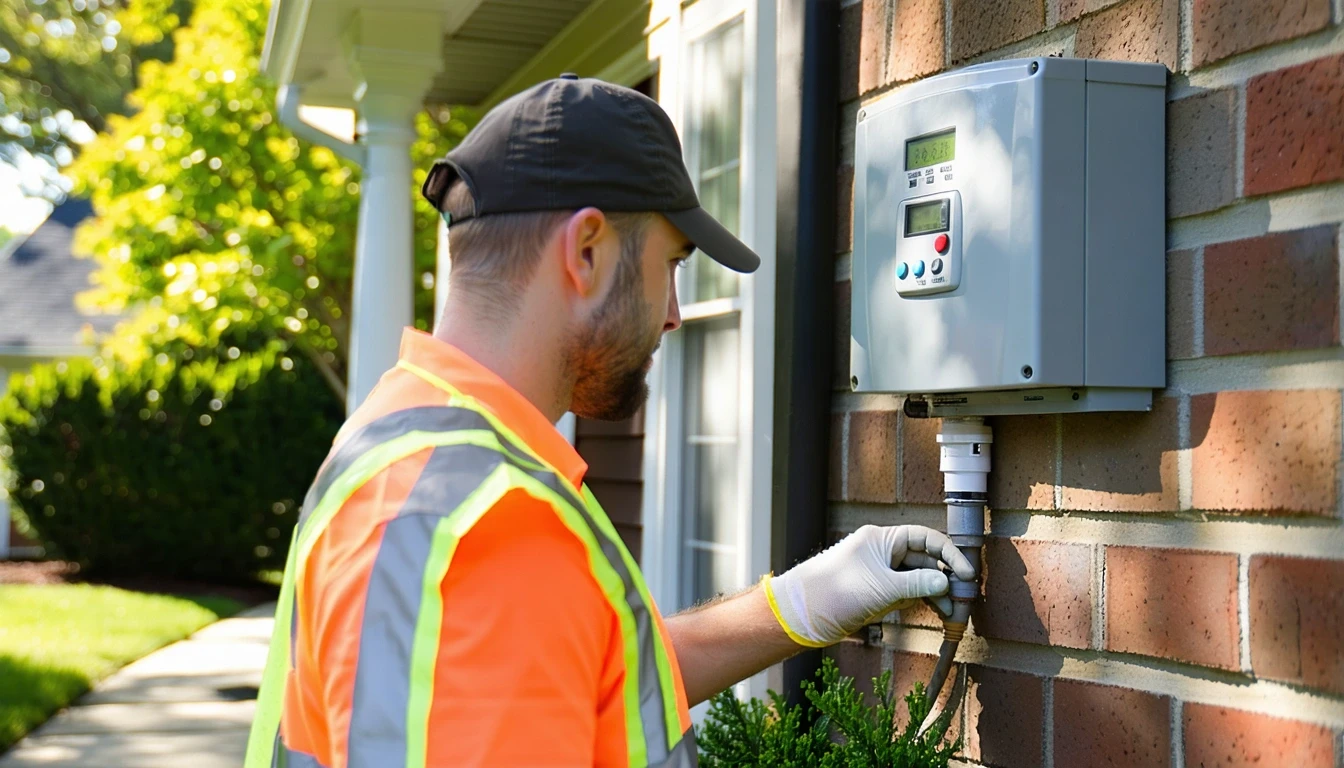
Understanding Utilities in Alexandria
Utility costs in Alexandria represent one of the most variable—and often underestimated—components of monthly household spending. Unlike rent or a mortgage, which remain fixed, utilities fluctuate with the seasons, your home’s efficiency, and how you live day to day. For most households, utilities rank as the second-largest recurring expense after housing, yet they’re frequently left as an afterthought during move-in budgeting.
In Alexandria, the core utilities typically include electricity, water and sewer, natural gas (if your home uses gas heating or appliances), and trash and recycling services. Some of these are billed separately by municipal or private providers; others may be bundled into HOA fees or included in apartment rent. The structure varies widely depending on whether you’re renting a one-bedroom apartment near the Metro, leasing a townhouse in a planned community, or owning a single-family home with a yard and central HVAC.
For newcomers, one of the biggest surprises is seasonal swing. Alexandria’s mid-Atlantic climate brings hot, humid summers that push air conditioning into overdrive, and cold winters that trigger heating systems for months at a stretch. A household that sees a $90 electric bill in April might face $180 in August and $210 in January when gas heating is factored in. Understanding these rhythms—and the levers you control—turns utilities from a budget mystery into a manageable, predictable expense.
Utilities at a Glance in Alexandria
The table below shows how core utility costs typically behave for a mid-size household in a single-family home in Alexandria. Where city-level prices are available in the data feed, they are shown directly. When exact figures are not provided, categories are described qualitatively to reflect how costs are structured and what drives variability.
| Utility | Cost Structure |
|---|---|
| Electricity | 16.36¢/kWh; usage-sensitive, climate-driven |
| Water | Tiered pricing; usage-dependent, billed with sewer |
| Natural Gas | $20.71/MCF; winter-driven, heating-dependent |
| Trash & Recycling | Often bundled with water or HOA; varies by provider |
| Total | Seasonal variability driven by electricity and heating |
This table reflects utility cost structure for a mid-size household in a single-family home in Alexandria during 2026. Where exact figures are not provided in the IndexYard data feed, categories are described directionally to reflect how costs behave rather than a receipt-accurate total.
Electricity is billed per kilowatt-hour at 16.36¢/kWh in Alexandria, making it highly sensitive to usage patterns. Homes with central air conditioning, electric water heaters, or older appliances will see the most dramatic swings between seasons. The rate itself is moderate, but total exposure depends almost entirely on how much you run and how efficiently your home retains conditioned air.
Water and sewer charges in Alexandria typically follow a tiered structure: the more you use, the higher the per-unit rate climbs. Families with irrigation systems, multiple bathrooms, or older fixtures face steeper bills, especially during dry summer months. Water is usually bundled with stormwater and sewer fees on a single statement, which can make the combined charge feel larger than expected.
Natural gas is priced at $20.71 per thousand cubic feet (MCF) and is primarily a winter expense in Alexandria. Homes with gas furnaces, water heaters, or ranges will see usage spike from November through March. If your home relies on electric heating instead, this line item may not appear at all—but your winter electric bill will reflect that shift.
Trash and recycling services vary by neighborhood and provider. In some parts of Alexandria, these fees are included in water bills; in others, they’re part of HOA dues or billed separately by a private hauler. The cost is generally stable month to month, but the billing entity and line-item visibility differ widely depending on where you live.
Electricity is typically the most exposure-sensitive utility in Alexandria, driven more by climate and home efficiency than by base rates.
How Weather Impacts Utilities in Alexandria
Alexandria sits in a climate zone that demands both cooling and heating for much of the year, creating a dual-season cost structure that catches many newcomers off guard. Summers are hot and humid, with stretches of upper-80s to mid-90s temperatures that keep air conditioners running from June into September. Humidity amplifies the cooling load: your system has to work harder to remove moisture from the air, not just lower the temperature. Many Alexandria households experience noticeably higher electric bills during peak summer compared to spring, even if they’re conservative with the thermostat.
Winter brings a different kind of pressure. Cold snaps and freezing nights from December through February push heating systems—whether gas furnaces, heat pumps, or electric baseboards—into sustained operation. Homes that rely on natural gas for heat will see sharp increases in gas usage during these months, while all-electric homes will experience their highest electric bills of the year. The shoulder seasons—spring and fall—offer a reprieve, when windows can stay open and HVAC systems can rest.
One regional quirk worth noting: Alexandria’s tree canopy and green space integration, visible throughout many neighborhoods, can provide meaningful passive cooling in summer. Homes with mature shade trees on the south and west sides often report lower air conditioning costs than comparable homes in full sun. Conversely, older homes with poor insulation or single-pane windows lose conditioned air quickly in both seasons, magnifying weather-driven swings regardless of the thermostat setting.
How to Save on Utilities in Alexandria
Reducing utility costs in Alexandria starts with understanding which expenses you can control and which are structurally baked into your home and climate. The most effective strategies target the dominant cost drivers—electricity and heating—by reducing waste, shifting usage timing, and improving efficiency at the building envelope level. Even modest changes compound over time, especially in a region where both cooling and heating seasons stretch across multiple months.
Start with the low-hanging fruit: programmable or smart thermostats let you avoid heating or cooling an empty home during work hours, and most utility providers in the region offer time-of-use or off-peak billing programs that reward shifting dishwasher or laundry loads to evenings or weekends. Sealing air leaks around windows, doors, and attic hatches prevents conditioned air from escaping, which reduces runtime for both furnaces and air conditioners. In summer, ceiling fans and blackout curtains lower the perceived temperature without touching the thermostat. In winter, reversing fan direction pushes warm air back down from the ceiling.
For longer-term savings, consider efficiency upgrades that directly reduce consumption: LED bulbs, Energy Star appliances, low-flow showerheads, and high-efficiency HVAC systems all lower baseline usage. Many regional utilities and state programs offer rebates for these improvements, particularly for heat pumps, insulation upgrades, and smart water heaters. Solar panel installations are increasingly common in Alexandria, supported by federal tax credits and state-level incentives, and can offset a significant portion of annual electric costs once the system is operational.
- Enroll in budget billing or equalized payment plans to smooth seasonal swings into predictable monthly charges
- Check for utility rebates on high-efficiency air conditioners, furnaces, or heat pump systems
- Install a smart thermostat and program it to reduce heating and cooling during unoccupied hours
- Seal gaps around windows, doors, and ductwork to prevent conditioned air loss
- Use shade trees, awnings, or exterior blinds to reduce solar heat gain in summer
- Switch to LED lighting throughout the home to lower electric baseline
- Run dishwashers, washing machines, and dryers during off-peak hours if your provider offers time-of-use rates
- Inspect and replace HVAC filters monthly during heavy-use seasons to maintain efficiency
- Consider a home energy audit to identify the most cost-effective upgrades for your specific property
🏆 Tip: Check if your provider in Alexandria offers rebates for energy-efficient AC units or heating systems—many regional utilities provide incentives that cover a portion of installation costs, especially for heat pump upgrades.
FAQs About Utility Costs in Alexandria
Why do utility bills in Alexandria vary so much from month to month?
Seasonal weather is the primary driver. Hot, humid summers push air conditioning usage higher, while cold winters increase heating costs—whether from natural gas furnaces or electric heat pumps. Shoulder seasons like spring and fall typically bring the lowest bills because HVAC systems run less frequently.
What is the average monthly electric bill for an apartment in Alexandria compared to a single-family home?
Apartments generally see lower electric bills due to smaller square footage, shared walls that reduce heating and cooling loss, and the fact that some units have utilities included in rent. Single-family homes face higher exposure because they condition more space, have more exterior walls, and typically run central HVAC systems year-round.
Do HOAs in Alexandria usually include trash or water in their fees?
It varies widely by community. Many townhouse and condo HOAs in Alexandria bundle trash, recycling, water, and sewer into monthly dues, while single-family neighborhoods typically bill these separately. Always confirm what’s included before budgeting, as bundled fees can add $50–$100 or more to HOA charges.
How does seasonal weather affect monthly utility bills in Alexandria?
Alexandria’s mid-Atlantic climate creates dual cost peaks: summer air conditioning drives electric bills higher from June through September, and winter heating—whether gas or electric—pushes costs up from December through February. Spring and fall offer relief, with many households seeing bills drop by a third or more during these milder months.
Does Alexandria offer incentives for solar panels or energy-efficient appliances?
Yes. Virginia residents can access federal solar tax credits, and some regional utilities offer rebates for high-efficiency HVAC systems, heat pumps, and smart thermostats. The specifics vary by provider and program year, so it’s worth checking with your utility company or the Virginia Department of Energy for current offerings in 2026.
How Utilities Fit Into the Cost Structure in Alexandria
Utilities represent a significant and volatile component of monthly household spending in Alexandria, but they don’t exist in isolation. For most households, monthly expenses are dominated by housing—whether rent or mortgage—with utilities forming the second tier alongside transportation and groceries. What makes utilities particularly challenging is their variability: unlike a lease payment, utility costs shift with the seasons, your home’s efficiency, and how you manage day-to-day consumption. A household that budgets $150 a month may find that figure accurate in April but inadequate in January or August.
The interplay between housing type and utility exposure is especially important in Alexandria. Renters in apartments or condos often benefit from smaller square footage, shared walls, and bundled utilities, which insulate them from the most extreme seasonal swings. Homeowners in single-family properties, by contrast, face full exposure: they pay for heating and cooling larger spaces, maintain their own systems, and absorb the cost of inefficiencies in older windows, insulation, or HVAC equipment. This structural difference doesn’t just affect the size of the bill—it changes how predictable and controllable utility costs feel month to month.
Understanding where money goes in Alexandria means recognizing that utilities are not a fixed expense you can set and forget. They respond to weather, behavior, and infrastructure in ways that housing costs do not. The households that manage utilities most effectively are the ones that treat them as a dynamic system: they track usage patterns, invest in efficiency where it pays off, and adjust consumption during peak seasons. For newcomers especially, building this awareness early—before the first summer or winter bill arrives—turns a common budget surprise into a manageable, plannable reality.
How this article was built: In addition to public economic data, this article incorporates location-based experiential signals derived from anonymized geographic patterns—such as access density, walkability, and land-use mix—to reflect how day-to-day living actually feels in Alexandria, VA.
—