
Is Alamo Heights the kind of place you grow roots—or just pass through? For many, this small, affluent enclave within the San Antonio metro feels like a refuge: tree-lined streets, a highly regarded independent school district, and a residential calm that insulates families from urban intensity. For others, the tradeoff is harder to accept—high housing costs, limited walkable errands, and a scarcity of parks and gathering spots that leave daily life feeling more car-dependent and less spontaneous than the tidy streets might suggest. The vibe here isn’t about energy or variety; it’s about stability, exclusivity, and the quiet pride of a community that knows what it values. Whether that feels like home or like friction depends entirely on what you’re looking for.
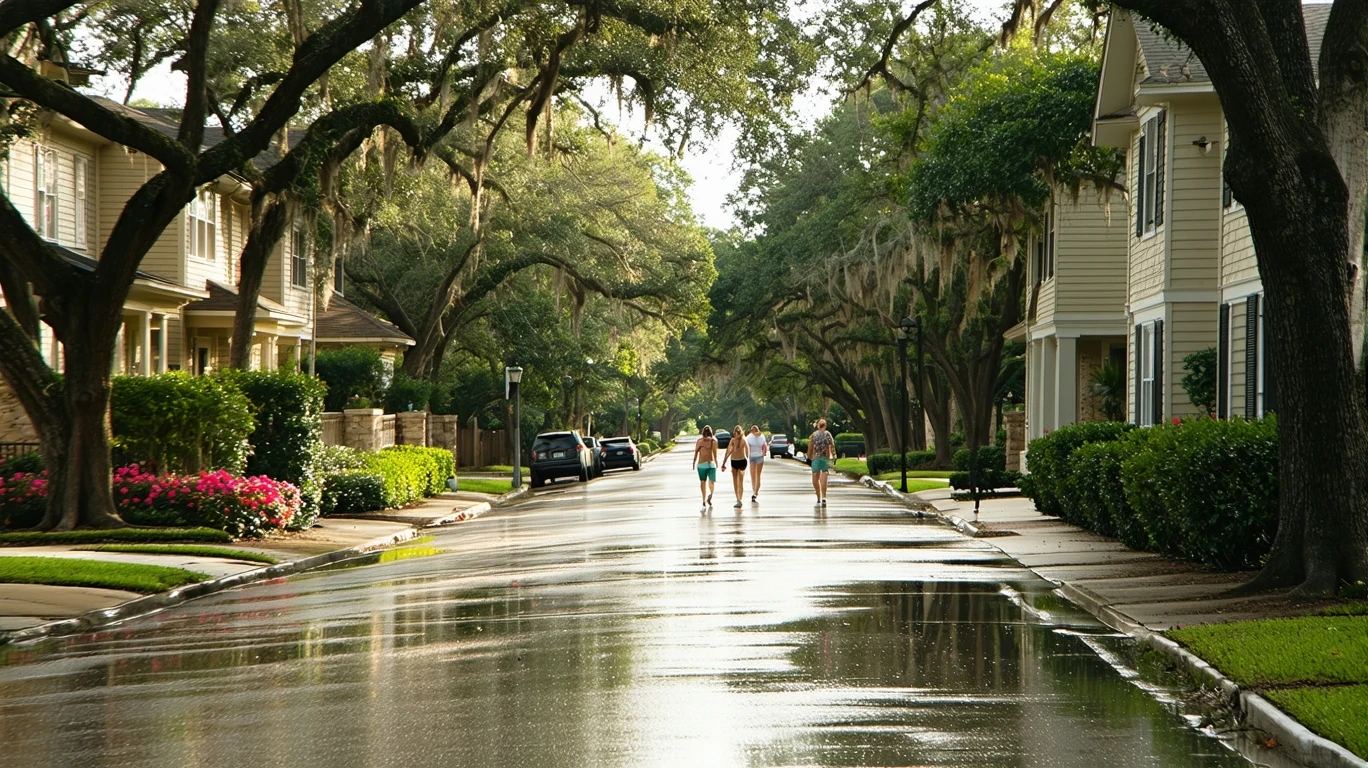
What Defines the Emotional Tone of Alamo Heights
Alamo Heights tends to reward people who prioritize educational quality, residential predictability, and a certain level of affluence. The city’s identity is tightly bound to its school district, and that draws families willing to pay a premium for access. The result is a place where neighbors share similar income brackets, similar concerns, and similar expectations about what a “good neighborhood” should look like. That homogeneity creates comfort for some—less friction, fewer surprises, a sense of shared investment in keeping things orderly. But it also creates pressure: the cost of entry is high, the social texture is narrow, and the infrastructure for spontaneous, walkable daily life is surprisingly thin given the price tag.
What tends to feel rewarding here is the sense of insulation. You’re close enough to San Antonio to access its jobs, dining, and culture, but you’re not immersed in its density, traffic, or variability. The streets are quiet, the homes are well-kept, and the school district is a known quantity. What tends to feel limiting is the lack of amenity density. Despite pockets of pedestrian infrastructure, grocery options are sparse, park access is below what many suburban families expect, and the daily rhythm leans heavily on driving. For households stretched by the housing costs or expecting more convenience in exchange for the premium, that gap between price and texture can feel disorienting.
Social Media Buzz in Alamo Heights
In cities like Alamo Heights, online discussion tends to center on pride, protectiveness, and occasional frustration with the cost-benefit equation. Facebook groups and neighborhood forums often reflect a community that sees itself as distinct—and wants to stay that way. Conversations about new development, zoning changes, or shifts in school enrollment can carry an undercurrent of anxiety: will this place stay the way it is, or will it lose what makes it special?
“We moved here for the schools, and we’re not disappointed—but the grocery situation is honestly baffling for a place this expensive.”
“It’s quiet, it’s safe, and the neighbors care. If you’re looking for nightlife or walkable coffee shops, you’re in the wrong zip code.”
“The property taxes are no joke, but you’re paying for a school district that actually delivers. It’s a tradeoff, and for us, it’s worth it.”
The tone is rarely angry, but it’s not uncritical either. People who feel aligned with the city’s priorities—schools, stability, residential character—tend to defend it fiercely. People who feel the friction—cost, convenience, lack of spontaneity—tend to express it with a mix of resignation and mild disbelief that a place this affluent doesn’t offer more day-to-day ease.
Local News Tone
Local coverage of Alamo Heights tends to frame the city through the lens of identity preservation and incremental change. Stories often explore how the community navigates growth pressures, debates over land use, and efforts to maintain its character while adapting to regional shifts. The tone is rarely alarmist, but it’s not celebratory either—it’s more about managing tension than declaring victory.
- “Community Debates What Growth Should Look Like”
- “School District Remains Draw as Housing Costs Climb”
- “Residents Weigh Convenience vs Quiet in Zoning Discussions”
- “How a Small City Holds Its Identity in a Growing Metro”
- “Infrastructure Gaps Surface as Expectations Rise”
The framing reflects a place that’s proud but not complacent, affluent but not immune to friction. The underlying question in much of the coverage is whether Alamo Heights can remain what it’s always been—or whether the pressures of cost, density, and expectation will force it to evolve in ways that make some residents uncomfortable.
Review-Based Public Perception
On platforms like Google Reviews, Yelp, and Nextdoor-style forums, Alamo Heights tends to earn praise for what it delivers—and mild criticism for what it doesn’t. The positive reviews cluster around schools, safety, and residential calm. Parents describe feeling confident in their choice, retirees appreciate the quiet, and long-time residents express loyalty to a place that feels stable and predictable.
The complaints, when they appear, are rarely about disorder or decline. Instead, they focus on expectation mismatches. Newcomers expecting suburban convenience—abundant parks, walkable shopping, easy errands—sometimes feel surprised by how car-dependent daily life actually is. The limited grocery density, the scarcity of green space, and the lack of mixed-use walkability don’t align with the premium price point. For households who wanted a polished, amenity-rich suburb, Alamo Heights can feel more like an exclusive residential enclave with gaps in the infrastructure that usually accompanies affluence.
Older pockets of the city tend to draw affection for their tree canopy and established character. Newer planned areas are seen as tidy but less distinctive. Across the board, the reviews reflect a place that works beautifully for people who value what it prioritizes—and feels incomplete for people who expected more texture, spontaneity, or public space.
Comparison to Nearby Cities
| Dimension | Alamo Heights | Terrell Hills | Olmos Park |
|---|---|---|---|
| Overall Vibe | Affluent, school-focused, residential calm with limited walkable amenities | Smaller, quieter, even more exclusive with minimal commercial presence | Compact, tree-lined, walkable pockets with slightly more mixed-use feel |
| Housing Pressure | High entry cost, driven by school district reputation | Very high, limited inventory, ultra-residential | High but slightly more accessible, smaller lots |
| Daily Errands | Sparse grocery access, car-dependent for most tasks | Minimal local options, rely on nearby areas | Slightly better walkable access, still car-oriented |
| Family Appeal | Strong schools, limited park density, residential focus | Quiet and safe, but fewer family amenities | Good schools, more compact, some outdoor access |
Alamo Heights sits in the middle of a cluster of small, affluent enclaves, each with slightly different tradeoffs. Terrell Hills is even quieter and more exclusive, but offers almost no commercial infrastructure—it’s purely residential. Olmos Park has a bit more walkable texture and mixed-use character, though it’s still car-dependent for most errands. Alamo Heights offers the strongest school district draw, but that comes with the highest housing pressure and the most pronounced gap between cost and day-to-day convenience. If you need walkability and spontaneity, Olmos Park might feel slightly more forgiving. If you want absolute residential calm and don’t mind driving for everything, Terrell Hills could work. If schools are the priority and you’re comfortable with the cost-convenience tradeoff, Alamo Heights delivers what it promises—just not much beyond that.
What Locals Are Saying
“We’ve been here fifteen years, raised our kids in the school district, and we’d do it again. But I won’t pretend the property taxes don’t sting, or that I don’t wish there were more parks within walking distance.”
“I moved here from Austin expecting a polished suburb with everything close by. The schools are great, but the grocery situation is weird, and I drive more than I thought I would. It’s not bad—it’s just not what I pictured.”
“If you want nightlife, walkable coffee shops, or a farmers market on the weekend, this isn’t your place. If you want quiet streets, good schools, and neighbors who care about their lawns, it’s perfect.”
“The housing costs are brutal, especially if you’re stretching to get in. We’re making it work, but there’s not a lot of margin, and the day-to-day amenities don’t match the price tag.”
“I love the tree-lined streets and the sense of stability. It feels like a place where people stay, not just pass through. That matters to me more than having a grocery store on every corner.”
“It’s a great place to raise kids if you can afford it. But ‘affording it’ means more than just the mortgage—it’s the taxes, the expectations, the keeping up. It’s not as relaxed as it looks.”
“I work remotely, and Alamo Heights gives me quiet and proximity to San Antonio without the chaos. I don’t need walkability—I need focus and a place that doesn’t drain me. This works.”
Does Alamo Heights Feel Like a Good Fit?
Alamo Heights isn’t a place that tries to be everything. It’s a small, affluent enclave that prioritizes school quality, residential calm, and a certain level of exclusivity. For families who value those things and can comfortably absorb the housing costs, it tends to feel like a sound investment—a place where the schools deliver, the streets stay quiet, and the neighbors share similar expectations. For households stretched by the cost or expecting more walkable convenience, abundant parks, or spontaneous daily texture, the friction is real. The city’s infrastructure doesn’t match the premium price point in every dimension, and that gap can feel disorienting.
This tends to work for established families who prioritize educational outcomes over amenity density, high-income households comfortable with car-dependent routines, and people who value stability and homogeneity over variety and spontaneity. It tends to frustrate newcomers expecting suburban convenience at this price level, young professionals looking for walkable dining and nightlife, and families who assumed affluence would come with more parks, more gathering spots, and less driving.
If you’re still weighing whether Alamo Heights aligns with your priorities, consider exploring [what drives housing costs in Alamo Heights](/alamo-heights-tx/housing-costs/) to understand the premium you’re paying, or review [your monthly budget in Alamo Heights](/alamo-heights-tx/monthly-budget/) to see how the cost structure plays out day-to-day. And if you’re curious whether your income and lifestyle needs match what the city actually offers, [can you feel comfortable in Alamo Heights on your income](/alamo-heights-tx/lifestyle-requirements/) walks through the tradeoffs in detail.
How this article was built: In addition to public economic data, this article incorporates location-based experiential signals derived from anonymized geographic patterns—such as access density, walkability, and land-use mix—to reflect how day-to-day living actually feels in Alamo Heights, TX.
The perspectives shown reflect commonly expressed local sentiment and recurring themes in public discussion, rather than individual accounts.