
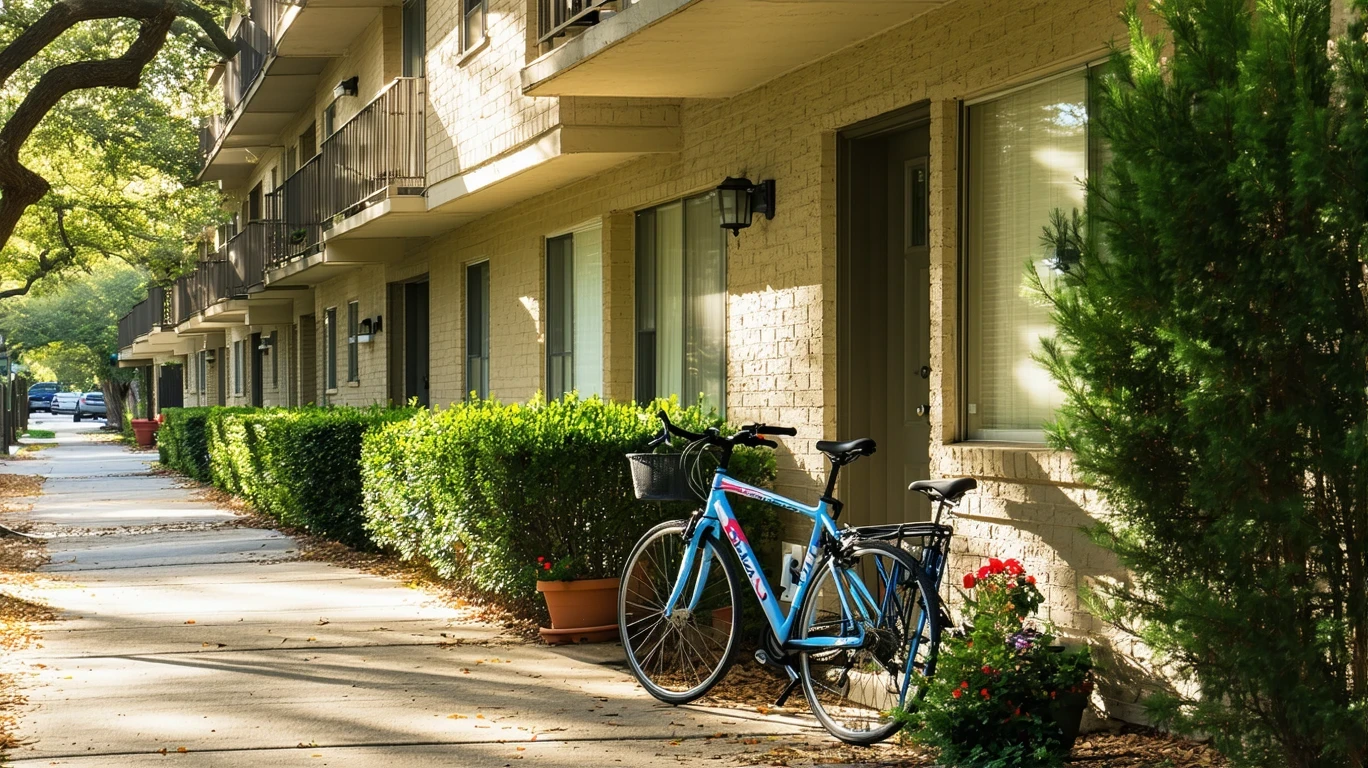
Here’s a common myth: the city with lower home prices is always the more affordable choice. When comparing Alamo Heights and New Braunfels—two Texas cities within the San Antonio metro area—that assumption falls apart quickly. Both cities attract households looking for suburban space, strong community character, and proximity to San Antonio’s job centers, but the cost pressures show up in completely different places depending on how you live, what you prioritize, and how your household operates day-to-day in 2026.
Alamo Heights sits just northeast of downtown San Antonio, known for its walkable pockets, high school density, and established residential character. New Braunfels lies about 30 miles northeast along I-35, offering a mix of historic downtown charm and newer suburban growth, with rail transit access and a hospital within city limits. The decision between them isn’t about which city costs less overall—it’s about which cost structure aligns with your household’s non-negotiables, whether that’s housing entry barriers, healthcare proximity, school access, or transportation flexibility.
This article breaks down where cost pressure concentrates in each city, how the same income feels different depending on household type, and which structural differences matter most when deciding where to live in 2026. We’ll compare housing entry and ongoing obligations, utility exposure driven by housing stock, daily errands and grocery access, transportation dependence, and the lifestyle factors that indirectly shape your monthly financial reality.
Housing Costs: Entry Barrier vs Ongoing Obligation
Housing dominates the cost conversation between Alamo Heights and New Braunfels, but not in the way most people expect. The median home value in Alamo Heights is $704,500, while New Braunfels sits at $290,800—a stark difference in upfront entry cost. For buyers, that gap translates directly into down payment requirements, mortgage approval thresholds, and the amount of equity you’re committing to a single asset. Alamo Heights housing stock skews toward established single-family homes on smaller lots within walkable distance of schools and local retail corridors, while New Braunfels offers a broader mix of newer construction subdivisions, older homes near the historic downtown, and more variability in lot sizes and home age.
Renters face a different reality. Median gross rent in Alamo Heights is $1,390 per month, compared to $1,426 per month in New Braunfels—nearly identical. The rent similarity means the decision isn’t about monthly payment differences; it’s about what you get for that rent and where cost pressure shows up elsewhere. In Alamo Heights, rental inventory tends toward smaller units, older apartment complexes, and single-family homes converted to rentals in established neighborhoods. New Braunfels offers more recently built apartment communities with amenities like pools and fitness centers, but those complexes are often located farther from the historic core, requiring more driving for errands and social activities.
For first-time buyers, the entry barrier in Alamo Heights is significant. Even with strong household income, the down payment and closing costs on a home above $700,000 require substantial liquid savings. New Braunfels lowers that threshold considerably, making homeownership accessible earlier in a household’s financial timeline. However, ongoing housing obligations differ in ways that aren’t immediately visible. Alamo Heights homes, being older on average, may carry higher maintenance and repair costs—aging HVAC systems, older windows, and outdated insulation all increase utility exposure and upkeep friction. New Braunfels homes, especially in newer subdivisions, often come with HOA fees that bundle landscaping, neighborhood amenities, and sometimes trash or water services, shifting costs from unpredictable repairs to predictable monthly dues.
| Housing Type | Alamo Heights | New Braunfels |
|---|---|---|
| Median Home Value | $704,500 | $290,800 |
| Median Gross Rent | $1,390/month | $1,426/month |
| Typical Housing Stock | Older single-family, smaller lots, walkable neighborhoods | Mix of new construction and older homes, larger lots, HOA common |
Families prioritizing school access and walkability may find Alamo Heights worth the entry cost, especially if they plan to stay long-term and value proximity to high-performing schools without needing a car for every errand. Households focused on building equity quickly or managing predictable monthly obligations may prefer New Braunfels, where lower home prices and newer construction reduce both entry friction and early-year maintenance surprises. Renters, facing nearly identical monthly costs, should weigh location-based tradeoffs—walkability and school proximity in Alamo Heights versus newer amenities and more space in New Braunfels—rather than focusing on rent alone.
Housing takeaway: Alamo Heights front-loads cost pressure into the purchase price, rewarding households with strong savings and long-term plans. New Braunfels spreads housing costs more evenly between entry, monthly obligations, and HOA predictability, fitting households prioritizing near-term affordability and newer housing stock. Renters face similar monthly costs but different access and lifestyle tradeoffs.
Utilities and Energy Costs: Housing Stock Drives Exposure
Electricity and natural gas rates are identical in both cities—16.11¢/kWh for electricity and $30.71/MCF for natural gas—because both Alamo Heights and New Braunfels sit within the same regional utility service area. That means the difference in utility costs comes entirely from how much energy your home uses, which is shaped by housing stock age, insulation quality, square footage, and cooling demands during Texas summers. In Alamo Heights, older homes with single-pane windows, minimal attic insulation, and aging HVAC systems tend to use more energy to maintain comfortable indoor temperatures, especially during the extended cooling season that dominates utility bills from May through October.
New Braunfels, with a higher share of homes built in the past two decades, benefits from modern building codes that require better insulation, energy-efficient windows, and more efficient HVAC systems. That doesn’t eliminate cooling costs—triple-digit summer heat affects both cities equally—but it does reduce the baseline energy required to cool a home to the same temperature. Families in larger homes, regardless of city, will see higher absolute utility bills simply due to square footage, but the efficiency gap between older and newer construction can mean the difference between predictable seasonal spikes and volatile month-to-month swings that are harder to budget around.
Apartment renters in both cities face different exposure. In Alamo Heights, older apartment complexes may lack central air or rely on window units, shifting cooling costs directly to tenants and making summer months particularly expensive. Newer apartment communities in New Braunfels often include central air and better insulation, but they may also have larger floor plans that increase total cooling load. Single adults and couples in smaller units will see lower absolute costs, but the percentage of income devoted to utilities can still feel significant during peak summer months when cooling dominates the bill.
Behavioral strategies—setting thermostats higher during the day, using ceiling fans, closing blinds during peak sun hours—help in both cities, but they matter more in older housing stock where inefficiency amplifies every degree of temperature difference. Households in Alamo Heights should budget for higher utility volatility and consider the age and condition of HVAC systems when evaluating a home or rental. In New Braunfels, newer construction offers more predictability, but larger homes and HOA-maintained landscaping (which may include automatic irrigation) can introduce hidden water and electricity costs that aren’t immediately obvious.
Utility takeaway: Both cities face the same rates and the same climate, but Alamo Heights households in older homes experience more utility volatility due to inefficient housing stock. New Braunfels households benefit from newer construction and better baseline efficiency, though larger homes and HOA-bundled services can still drive costs up. Utility pressure is less about location and more about housing age, size, and condition.
Groceries and Daily Expenses: Access Shapes Spending Patterns
Grocery costs in both Alamo Heights and New Braunfels reflect the same regional price environment—derived estimates suggest staples like bread cost around $1.68/lb, ground beef $6.15/lb, and eggs $2.69/dozen (derived estimate based on national baseline adjusted by regional price parity; not an observed local price). The difference isn’t in what groceries cost per pound, but in how access, store density, and household habits shape total spending. Alamo Heights offers moderate food establishment density but lower grocery density, meaning residents often drive to larger stores outside the immediate area for weekly shopping trips. New Braunfels shows similar patterns—moderate food density but sparse grocery options within easy walking distance—pushing most households toward car-dependent grocery runs.
That access friction matters more for some households than others. Single adults and couples who eat out frequently or rely on convenience stores for quick purchases may find Alamo Heights’ walkable pockets and proximity to San Antonio’s dining corridors reduce the need for large grocery hauls. Families managing larger volumes of groceries, meal planning for multiple people, and buying in bulk will feel the lack of nearby grocery density more acutely in both cities, but especially in Alamo Heights where older neighborhood layouts weren’t designed around big-box retail access.
Dining out and convenience spending also differ structurally. Alamo Heights’ established commercial corridors and proximity to San Antonio’s urban core mean more restaurants, coffee shops, and prepared food options within short driving distance, which can increase spending creep if households default to takeout or dining out when cooking feels inconvenient. New Braunfels, with its mix of historic downtown dining and newer chain restaurants along I-35, offers variety but often requires more intentional trips, reducing spontaneous spending but increasing the time cost of errands.
Households prioritizing grocery price sensitivity should focus less on which city they’re in and more on proximity to discount grocers, big-box stores, and wholesale clubs, which exist in both areas but require car access regardless of location. Families with young children, who tend to go through groceries faster and rely more on bulk purchasing, will feel grocery logistics more intensely in both cities due to sparse walkable grocery access. Single adults and couples with flexible schedules and higher dining-out frequency may find Alamo Heights’ proximity to San Antonio’s food scene reduces grocery volume but increases convenience spending.
Grocery takeaway: Both cities show sparse grocery density, making car-dependent shopping the norm. Alamo Heights offers more dining and convenience options nearby, which can increase spending creep. New Braunfels requires more intentional trips for both groceries and dining, reducing spontaneous costs but increasing time friction. Grocery pressure is driven more by household size and habits than by city-level price differences.
Taxes and Fees: Predictability vs Magnitude
Property taxes in Texas are high compared to many other states, and both Alamo Heights and New Braunfels rely heavily on property taxes to fund schools, infrastructure, and local services. The difference between the two cities isn’t in the tax structure—both use the same state and county frameworks—but in how property values and local tax rates combine to create different obligations for homeowners. In Alamo Heights, higher home values mean higher absolute property tax bills, even if the tax rate itself is competitive. A home valued at $704,500 will generate a larger annual tax bill than a home valued at $290,800, regardless of rate differences, and that gap compounds over time as property values adjust.
Renters don’t pay property taxes directly, but they absorb them indirectly through rent prices. In both cities, landlords factor property taxes into rent-setting decisions, but the near-identical median rents suggest that other factors—demand, housing stock age, amenities—play a larger role than tax pass-through alone. For renters, the more relevant fees are those tied to housing type: older apartments in Alamo Heights may have lower base rents but charge separately for parking, trash, or water, while newer complexes in New Braunfels often bundle utilities or services into rent but may include mandatory fees for amenities like fitness centers or pools.
HOA fees are more common in New Braunfels, especially in newer subdivisions, where they typically range from modest monthly dues covering basic landscaping to higher fees in master-planned communities that include pools, parks, and event spaces. Alamo Heights has fewer HOA-governed neighborhoods, but older homes may face higher maintenance and repair costs that function like unpredictable fees—replacing an aging roof, upgrading an HVAC system, or addressing foundation issues all create lumpy expenses that are harder to budget for than predictable monthly dues.
Sales taxes are identical across both cities, so differences in consumption-based tax burden come down to spending patterns rather than location. Households that spend more on taxable goods—furniture, electronics, home improvement materials—will see similar sales tax exposure regardless of which city they live in. The bigger difference is in how predictable or variable your housing-related fees feel over time. New Braunfels households in HOA communities know exactly what they’ll pay each month, while Alamo Heights households in older homes face more uncertainty around when large expenses will hit.
Tax and fee takeaway: Alamo Heights homeowners face higher absolute property tax bills due to higher home values, while New Braunfels homeowners benefit from lower entry costs but often pay predictable HOA fees. Renters see similar costs in both cities, with fee structures varying more by housing type than location. The primary difference is predictability versus magnitude—New Braunfels offers more predictable monthly obligations, while Alamo Heights front-loads costs into property taxes and lumpy maintenance expenses.
Transportation and Commute Reality
Transportation costs in both Alamo Heights and New Braunfels are shaped more by how you move through daily life than by fuel prices, which sit at $2.40/gallon in both cities. The structural difference lies in transit access and car dependence. Alamo Heights shows walkable pockets with a high pedestrian-to-road ratio, meaning some errands, school drop-offs, and local trips can happen on foot or bike in certain neighborhoods. However, bus service is present but limited, and there’s no rail transit, so most households still rely on cars for commuting to San Antonio, grocery runs, and accessing healthcare or entertainment outside the immediate area.
New Braunfels offers rail transit access, a significant advantage for households commuting to San Antonio or other points along the rail corridor. That doesn’t eliminate car dependence—most daily errands still require driving due to sparse grocery and food density—but it does create flexibility for commuters who can structure their schedules around rail service. The presence of rail also signals better regional connectivity, which matters for households with multiple working adults or those who value the option to reduce driving frequency even if they don’t use transit daily.
Both cities show moderate bike infrastructure in pockets, but neither is designed for car-free living. Families with school-age children in Alamo Heights benefit from high school density and walkable access to some campuses, reducing the need for daily car trips during the school year. In New Braunfels, lower school density means more households rely on cars or school buses for student transportation, adding time and coordination friction even if fuel costs remain modest.
Commute patterns matter differently depending on household structure. Single adults commuting to San Antonio for work may find New Braunfels’ rail access reduces driving stress and parking costs, even if the commute takes slightly longer. Dual-income couples juggling multiple work locations, childcare, and errands will likely need two cars in either city, but Alamo Heights’ proximity to San Antonio’s core reduces total miles driven per week. Families with flexible schedules or remote work arrangements may find transportation costs similar in both cities, with the bigger difference being time spent in the car versus time spent coordinating transit schedules.
Transportation takeaway: Alamo Heights offers walkable pockets and proximity to San Antonio, reducing total miles driven for some households. New Braunfels provides rail transit access, creating flexibility for commuters willing to structure schedules around service. Both cities require cars for most daily errands, but the balance between driving frequency, transit viability, and time cost differs depending on household type and work patterns.
Cost Structure Comparison
Housing pressure concentrates differently in Alamo Heights and New Braunfels, and that difference ripples through every other cost category. In Alamo Heights, the dominant cost driver is the entry barrier—median home values above $700,000 require substantial savings, strong credit, and long-term financial commitment. Once you’re in, ongoing housing costs shift toward maintenance and utility exposure in older homes, with less predictability month-to-month. Renters face similar monthly obligations to New Braunfels but gain walkable access to schools and local amenities, reducing transportation friction even if grocery density remains sparse.
New Braunfels spreads housing costs more evenly. Lower home values reduce the entry barrier significantly, making homeownership accessible earlier in a household’s financial timeline. However, HOA fees, newer construction premiums, and the expectation of maintaining larger lots or participating in master-planned community amenities shift costs from lumpy repairs to predictable monthly dues. Renters in New Braunfels pay nearly the same as Alamo Heights but often get newer construction, better insulation, and bundled amenities, though they sacrifice some walkability and proximity to San Antonio’s urban core.
Utilities introduce more volatility in Alamo Heights due to older housing stock, while New Braunfels benefits from energy-efficient construction that reduces baseline usage. Both cities face the same climate and rates, so the difference is entirely about housing age and size. Families in larger homes will see higher absolute costs in either city, but the efficiency gap between older and newer construction makes utility budgeting more predictable in New Braunfels.
Daily living costs—groceries, dining, convenience spending—show similar price levels but different access patterns. Alamo Heights’ proximity to San Antonio’s dining and retail corridors increases convenience spending opportunities, while New Braunfels requires more intentional trips, reducing spontaneous costs but increasing time friction. Both cities show sparse grocery density, making car-dependent shopping the norm regardless of location.
Transportation patterns matter more in New Braunfels for households that can use rail transit, and more in Alamo Heights for households prioritizing walkable school access and reduced driving frequency for local errands. Neither city eliminates car dependence, but the balance between driving, transit, and time cost shifts depending on household structure and work patterns.
The better choice depends entirely on which costs dominate your household’s financial reality. Households sensitive to housing entry barriers and prioritizing walkable school access may prefer Alamo Heights despite higher home values and older housing stock. Households focused on predictable monthly obligations, newer construction, and rail transit access may find New Braunfels a better fit, even if it requires more driving for daily errands. For renters, the decision is less about price—since rents are nearly identical—and more about whether walkability and proximity to San Antonio outweigh newer construction and bundled amenities.
How the Same Income Feels in Alamo Heights vs New Braunfels
Single Adult
For a single adult, housing becomes the first non-negotiable cost, and the difference between Alamo Heights and New Braunfels shows up in what you get for similar rent. In Alamo Heights, rent buys proximity to San Antonio’s job centers, walkable access to coffee shops and local dining, and the ability to run some errands on foot. Flexibility exists in transportation—fewer miles driven means lower gas and maintenance costs—but convenience spending creep can erode that advantage if dining out becomes the default. In New Braunfels, the same rent buys newer construction, better insulation, and bundled amenities, but daily life requires more driving, more planning, and more time spent coordinating errands. The time cost of logistics becomes the hidden friction, even if monthly cash obligations feel predictable.
Dual-Income Couple
For dual-income couples, transportation and time coordination become non-negotiable first. In Alamo Heights, proximity to San Antonio reduces commute friction for one or both partners, and walkable pockets mean fewer two-car trips for errands. Flexibility exists in housing—older homes with character and walkable neighborhoods appeal to some couples, while others prioritize space and modern finishes. In New Braunfels, rail transit access creates flexibility for one commuter, but the other likely still needs a car, and daily errands require more driving regardless. Housing entry costs are lower, which frees up cash for other priorities, but the time cost of driving and coordinating schedules becomes the ongoing friction. Predictability in monthly obligations—HOA fees, newer construction, stable utilities—offers control, but less flexibility in how you spend your time day-to-day.
Family with Kids
For families, school access and healthcare proximity become non-negotiable first, and the difference between Alamo Heights and New Braunfels is stark. In Alamo Heights, high school density means walkable or short-drive access to campuses, reducing daily transportation friction during the school year. Flexibility disappears in housing—entry costs are high, and older homes require ongoing maintenance that’s hard to predict. Utility exposure in older housing stock adds volatility, and grocery logistics require car trips regardless of walkability. In New Braunfels, hospital access and rail transit create flexibility for medical needs and commuting, but lower school density means more driving for student transportation. Housing entry costs are lower, which matters for families building equity, and newer construction reduces utility volatility. The tradeoff is more time spent in the car for daily logistics, even if monthly costs feel more predictable and front-loaded expenses are lower.
Decision Matrix: Which City Fits Which Household?
| Decision Factor | If You’re Sensitive to This… | Alamo Heights Tends to Fit When… | New Braunfels Tends to Fit When… |
|---|---|---|---|
| Housing entry + space needs | Down payment size, equity timeline, home age | You have strong savings and prioritize walkable neighborhoods over newer construction | You need lower entry costs and prefer predictable monthly obligations in newer homes |
| Transportation dependence + commute friction | Driving frequency, transit access, time in car | You value walkable errands and proximity to San Antonio’s core over rail access | You can structure your commute around rail service and accept more driving for errands |
| Utility variability + home size exposure | Seasonal bill swings, insulation quality, HVAC age | You’re willing to manage older housing stock and accept higher utility volatility | You prioritize energy efficiency and predictable utility costs in newer construction |
| Grocery strategy + convenience spending creep | Dining out frequency, bulk shopping, time spent on errands | You value proximity to dining and retail even if it increases convenience spending | You prefer intentional trips and lower spontaneous costs despite more driving time |
| Fees + friction costs (HOA, services, upkeep) | Predictable monthly dues vs lumpy repair costs | You prefer no HOA fees and accept unpredictable maintenance expenses in older homes | You value predictable HOA-bundled services and newer construction with lower repair risk |
| Time budget (schedule flexibility, errands, logistics) | Coordination complexity, driving time, transit schedules | You prioritize walkable access and reduced driving frequency for daily errands | You accept more driving and coordination in exchange for rail access and hospital proximity |
Lifestyle Fit: Schools, Healthcare, and Daily Rhythms
Lifestyle differences between Alamo Heights and New Braunfels shape costs indirectly, but they matter just as much as housing or utilities when deciding where to live. Alamo Heights offers high school density, meaning families with school-age children can often walk or drive short distances to campuses, reducing daily transportation friction and creating more predictable morning and afternoon routines. That walkability extends to some local errands—coffee shops, small retail, and neighborhood parks—though grocery shopping and healthcare still require driving. The established neighborhood character appeals to households valuing mature trees, older architecture, and proximity to San Antonio’s cultural and dining amenities.
New Braunfels provides hospital access within city limits, a significant advantage for families with young children, elderly relatives, or anyone managing chronic health conditions. The presence of a hospital reduces the time cost and stress of medical emergencies and routine care, and nearby clinics and pharmacies create a more complete healthcare ecosystem. Rail transit access adds flexibility for commuters, though most daily errands still require a car. The mix of historic downtown charm and newer suburban growth means households can choose between walkable older neighborhoods near the Comal River and newer master-planned communities with pools, trails, and organized events.
Outdoor access differs meaningfully. Alamo Heights shows limited park density, though water features are present, meaning families seeking regular outdoor recreation may need to drive to larger regional parks or San Antonio’s greenways. New Braunfels offers moderate park density and water features, including proximity to the Guadalupe and Comal Rivers, which support tubing, kayaking, and swimming during warmer months. That outdoor access can reduce entertainment spending and create low-cost family activities, though it also requires time and planning to take advantage of.
Quick fact: Alamo Heights’ walkable pockets and high school density make it a strong fit for families prioritizing education access and reduced driving for school-related logistics.
Quick fact: New Braunfels’ hospital presence and rail transit access create flexibility for healthcare needs and commuting, fitting households managing medical care or long commutes to San Antonio.
Frequently Asked Questions
Is Alamo Heights or New Braunfels more affordable for renters in 2026?
Median rent is nearly identical—$1,390/month in Alamo Heights and $1,426/month in New Braunfels—so the decision isn’t about monthly cost. Alamo Heights offers walkable access to schools and local amenities in older housing stock, while New Braunfels provides newer construction, better insulation, and bundled amenities but requires more driving for errands. The better choice depends on whether you prioritize walkability and proximity to San Antonio or newer construction and predictable utility costs.
How do housing entry costs compare between Alamo Heights and New Braunfels in 2026?
Alamo Heights’ median home value of $704,500 creates a significant entry barrier, requiring substantial savings and long-term financial commitment. New Braunfels’ median home value of $290,800 lowers that threshold considerably, making homeownership accessible earlier. The tradeoff is between front-loaded costs in Alamo Heights with walkable school access versus lower entry and predictable monthly obligations in New Braunfels with newer construction and HOA-bundled services.
Which city has better transit options, Alamo Heights or New Braunfels, in 2026?
New Braunfels offers rail transit access, a significant advantage for commuters traveling to San Antonio or other points along the rail corridor. Alamo Heights has bus service but no rail, meaning most households rely on cars for commuting and errands. Both cities require cars for daily grocery shopping and most errands, but New Braunfels provides more flexibility for households that can structure schedules around rail service.
Do utility costs differ between Alamo Heights and New Braunfels in 2026?
Electricity and natural gas rates are identical—16.11¢/kWh and $30.71/MCF—because both cities share the same regional utility service area. The difference comes from housing stock age and energy efficiency. Alamo Heights’ older homes with aging HVAC systems and minimal insulation tend to use more energy, creating higher utility volatility. New Braunfels’ newer construction with modern insulation and efficient systems reduces baseline usage and makes bills