
Budgeting Smarter in Carlsbad
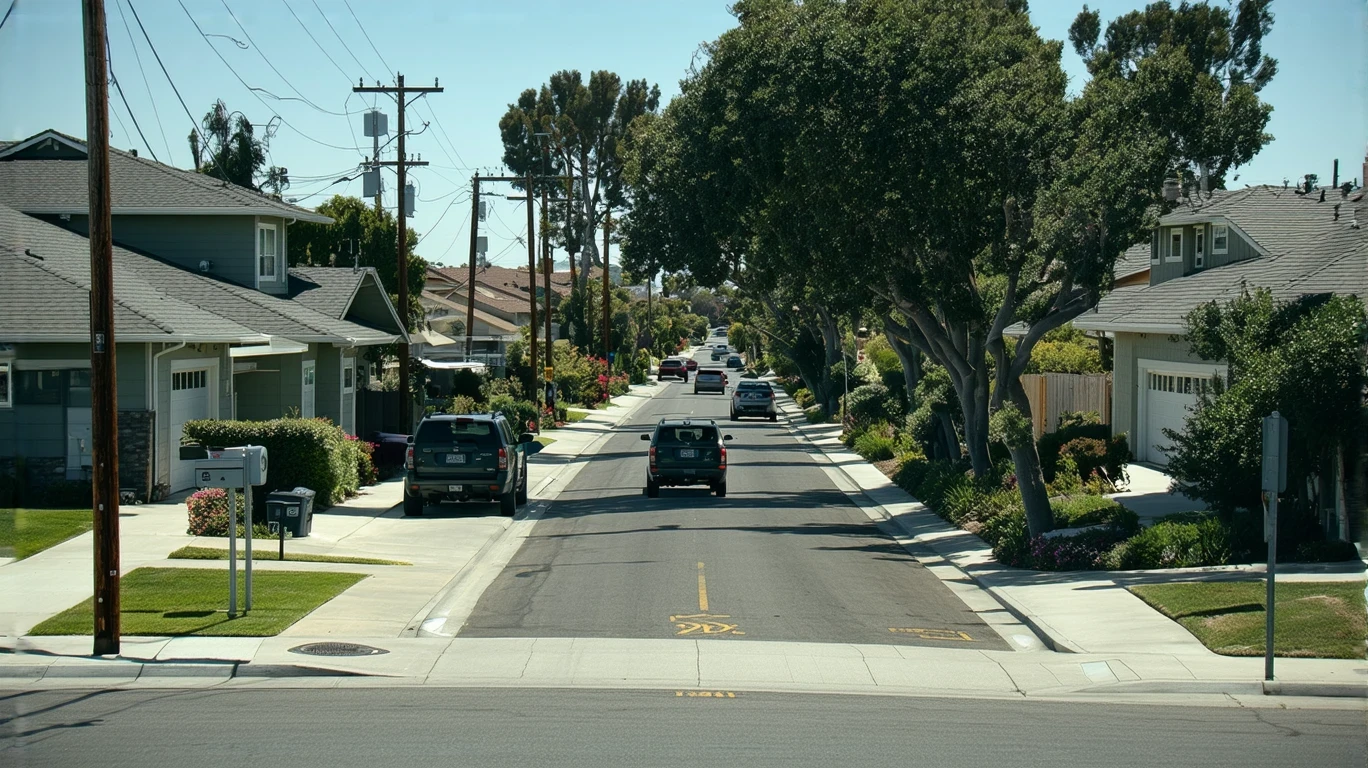
Understanding a monthly budget in Carlsbad starts with recognizing that this coastal California city operates on a different cost structure than most of the country. Median gross rent sits at $2,477 per month, and the median home value reaches $1,070,500—figures that immediately signal housing will anchor any household’s financial plan. But what newcomers often underestimate isn’t the headline rent or mortgage number; it’s how costs stack once you’re living here. Carlsbad’s layout means errands cluster along specific corridors rather than spreading evenly across neighborhoods, so even households in walkable pockets still rely on cars for most weekly tasks. That changes how transportation, time, and convenience interact with your budget in ways that aren’t obvious until you’re managing it month to month.
Median household income in Carlsbad is $134,139 per year (roughly $11,178 gross monthly), which provides meaningful capacity—but the city’s cost structure rewards planning over income alone. Electricity runs 33.60¢ per kWh, natural gas costs $21.94 per MCF, and gas prices sit at $4.22 per gallon, all reflecting California’s higher energy and fuel costs. The average commute is 28 minutes, and while rail transit is present and bike infrastructure is notable in parts of the city, the corridor-clustered errands pattern means most households still budget for regular driving. The budget challenge in Carlsbad isn’t surviving on too little—it’s managing a cost structure where housing, transportation, and convenience friction all pull in different directions.
A Simple Budget Map: How Costs Behave by Household Type
Let’s walk through a sample budget line by line, showing how costs behave rather than what any single household pays. Start with housing: a single renter like Jasmine faces $2,477 median rent, a fixed monthly anchor that doesn’t flex with season or usage. For a couple like Sam and Elena, that same rent becomes more manageable when split, but if they’re renters, it’s still the largest single line item. The Ortiz family, as owners, carries a mortgage on a $1,070,500 median home value, which translates to a larger fixed cost than rent—but one that stabilizes over time rather than resetting annually.
Next, utilities: Jasmine’s apartment likely bundles some costs and keeps electricity modest due to smaller square footage. Sam and Elena in a larger rental see more seasonal swing, especially if cooling is needed during warmer months at 33.60¢/kWh. The Ortiz family, in a owned single-family home, faces the most exposure—larger space, full responsibility for heating and cooling, and natural gas at $21.94/MCF when heating is needed. Utilities aren’t just about rates; they’re about control, size, and how much weather affects your space.
Food (groceries plus eating out) behaves differently depending on household size and errands accessibility. Carlsbad’s corridor-clustered grocery and food density means trips require planning rather than convenience. Jasmine can grab quick meals near work or home, but grocery runs still require a car for most stock-up trips. Sam and Elena batch errands to reduce frequency, which helps control costs but adds planning overhead. The Ortiz family, with two kids, faces the largest food footprint and the most logistics complexity—school lunches, weekend meals, and the need to minimize last-minute trips due to the corridor layout.
Transportation is where Carlsbad’s structure really shows up. Gas sits at $4.22/gallon, and while the average commute is 28 minutes, the corridor-clustered errands pattern means most households drive beyond just work trips. For illustrative context, assuming a standard work schedule and a typical 25-mile round-trip commute at 25 MPG, a solo commuter like Jasmine might see roughly $85–$90 per month in commute fuel alone before adding errands, weekend trips, or parking. Sam and Elena can share some commute costs if their work locations align, reducing per-person exposure. The Ortiz family juggles school drop-offs, errands, and work commutes, meaning transportation becomes a multi-trip, multi-purpose budget line that’s harder to optimize.
| Category | Jasmine (Single Renter) | Sam & Elena (Couple) | Ortiz Family (2 Kids, Owners) |
|---|---|---|---|
| Housing (Rent or Mortgage) | $2,477 median rent; fixed monthly | $2,477 median rent shared; largest fixed cost | Mortgage on $1,070,500 median; largest fixed cost, long-term stable |
| Utilities | Stable in apartment; modest square footage limits exposure | Seasonal swing in larger rental; electricity at 33.60¢/kWh | Highest exposure; owned home, full HVAC responsibility, natural gas $21.94/MCF |
| Food (Groceries + Eating Out) | Flexible solo budget; corridor-clustered errands require car for stock-up trips | Shared grocery runs; batching reduces frequency, adds planning | Largest footprint; school meals, weekend planning, logistics-heavy due to corridor layout |
| Transportation | Solo commute at $4.22/gal; illustrative ~$85–90/month commute fuel; errands add trips | Shared commute possible; reduces per-person fuel cost; errands still car-dependent | Multi-trip exposure: work, school, errands; highest total driving footprint |
| Fees / Friction Costs | Minimal if renting; possible parking or trash fees | Renter friction low; possible parking or shared amenity fees | HOA common; trash, water, sewer separate; highest admin burden |
| Discretionary (Life + Surprises) | Flexible; compressed by rent but controllable timing | Shared discretionary; more capacity than solo, still compressed by housing | Compressed by fixed costs; episodic (kids’ activities, home maintenance) |
| What Changes This Most | Commute distance and errands batching | Shared vs solo commute; housing type (apartment vs house) | Home size, school proximity, and errands logistics |
Methodology: This guide uses only city-level figures provided in the IndexYard data feed for 2026. Where exact category totals aren’t provided, categories are described directionally to show budget behavior rather than a receipt-accurate total.
The Real Cost Drivers in Carlsbad
In Carlsbad, the budget stress point is rarely one big bill—it’s the stack of small “friction” costs that show up after move-in. Housing pressure dominates the fixed-cost picture, whether you’re paying $2,477 median rent or carrying a mortgage on a home valued over a million dollars. But housing is predictable. What catches households off guard is how the city’s corridor-clustered errands structure interacts with transportation costs. You’re not walking to the grocery store on a Tuesday evening; you’re planning a weekend run to a specific corridor, which means every trip decision has a fuel cost attached at $4.22/gallon. Even in neighborhoods with walkable pockets and notable bike infrastructure, most weekly errands still require a car because food and grocery density sits in the medium band, concentrated rather than distributed.
Utilities add another layer of exposure, especially for homeowners. Coastal California’s moderate climate keeps heating and cooling demands lower than extreme-weather regions, but electricity at 33.60¢/kWh and natural gas at $21.94/MCF mean any seasonal load—whether summer cooling or winter heating—translates to noticeable monthly swings. Renters in apartments see the least volatility here; owners in single-family homes see the most. The difference isn’t just square footage; it’s control. Renters often have landlords managing some utilities or benefiting from shared walls that reduce heating and cooling needs. Owners carry full responsibility for efficiency, maintenance, and seasonal planning.
Then come the friction costs—small, recurring charges that don’t fit neatly into “housing” or “utilities” but add up quickly:
- HOA or association dues: Common in owned properties, often covering landscaping, community amenities, and exterior maintenance; structures vary widely.
- Trash and recycling: Typically billed separately rather than bundled into rent or mortgage; frequency and service level affect cost.
- Water and sewer: Usually metered and billed separately for owners; renters may see it included or charged as a flat fee.
- Parking permits or fees: Relevant in denser pockets or near transit corridors; less common in single-family neighborhoods.
- Seasonal upkeep: HVAC servicing, landscaping, and coastal-area maintenance (salt air, exterior wear) add episodic costs for homeowners.
These aren’t catastrophic individually, but they’re admin-heavy and easy to underestimate when you’re calculating whether you can afford a place. A household budgeting $2,500 for rent might not account for an extra $150–$250 in monthly friction once trash, water, parking, and HOA fees land. That’s where the budget tightens—not in the rent check, but in the coordination tax of living here.
How Households Keep the Budget Under Control (Without Living Like a Monk)
The households that manage Carlsbad’s cost structure best aren’t necessarily the highest earners—they’re the ones who understand where flexibility lives and where it doesn’t. Getting around efficiently matters more than optimizing every grocery trip. Because errands cluster along corridors rather than spreading evenly, the biggest transportation lever isn’t cutting trips—it’s batching them. A household that plans one weekly grocery run, combines it with other errands, and avoids mid-week top-up trips can meaningfully reduce fuel exposure at $4.22/gallon without feeling deprived. The same logic applies to commuting: shifting work hours slightly to avoid peak congestion doesn’t just save time; it reduces stop-and-go fuel waste.
Utilities offer another control point, especially for homeowners facing the highest exposure. Coastal California’s moderate climate means heating and cooling demands are seasonal rather than year-round, so the biggest wins come from timing and efficiency rather than deprivation. Running cooling during the hottest afternoon hours at 33.60¢/kWh costs more than pre-cooling in the morning or using fans to extend comfort. Similarly, natural gas heating at $21.94/MCF during winter months responds well to programmable thermostats and zone heating—keeping occupied rooms comfortable rather than heating the whole house uniformly. These aren’t dramatic sacrifices; they’re small adjustments that reduce seasonal bill swings without changing how you live.
Discretionary spending is where households find the most psychological relief. Carlsbad’s layout and cost structure mean you’re already managing logistics complexity—school runs, errands batching, commute timing. The budget breathing room comes from controlling when and how you spend on non-essentials, not eliminating them. Timing bigger purchases outside of high-utility months, planning dining out around grocery cycles, and recognizing that some months will simply cost more (back-to-school, holiday travel, home maintenance) lets you smooth volatility rather than fight it. The goal isn’t perfection; it’s predictability.
Practical tactics that work in Carlsbad:
- Batch errands into one or two weekly trips to reduce fuel costs and planning overhead.
- Shift commute timing slightly to avoid peak congestion and reduce stop-and-go fuel waste.
- Pre-cool or pre-heat your home during off-peak hours to reduce peak-rate electricity exposure.
- Use programmable thermostats to manage heating and cooling by zone rather than whole-house.
- Plan grocery stock-up trips to corridor clusters rather than making frequent small runs.
- Time discretionary purchases outside of high-utility months to smooth monthly volatility.
- Track seasonal patterns (summer cooling, winter heating) to anticipate bill swings rather than react to them.
- Coordinate household logistics (school, work, errands) to minimize multi-trip days.
FAQs About Monthly Budgets in Carlsbad (2026)
What’s the biggest budget surprise for people moving to Carlsbad?
It’s not the rent or mortgage—those are visible upfront. It’s the friction costs that show up after move-in: HOA dues, separate trash and water bills, parking fees, and the fuel cost of running errands in a city where grocery stores and services cluster along corridors rather than spreading evenly. These small recurring charges add up quickly and require more coordination than newcomers expect.
How much should I budget for transportation in Carlsbad?
That depends on your commute distance and how often you drive for errands. Gas sits at $4.22/gallon, and the average commute is 28 minutes. For illustrative context, a solo commuter driving a typical 25-mile round trip at 25 MPG might see roughly $85–$90 per month in commute fuel alone, before adding errands, weekend trips, or parking. Households that can batch errands or share commutes reduce this exposure meaningfully.
Are utilities a major budget factor in Carlsbad?
They’re seasonal and size-sensitive. Electricity runs 33.60¢/kWh and natural gas costs $21.94/MCF, which means cooling in summer and heating in winter create noticeable monthly swings—especially for homeowners in single-family homes. Renters in apartments see less volatility due to smaller square footage and shared walls. The key is anticipating seasonal load rather than reacting to surprise bills.
Is $11,000 gross monthly income enough to live comfortably in Carlsbad?
It depends on household size and whether you’re renting or owning. A single renter paying $2,477 median rent has meaningful capacity left for utilities, transportation, food, and discretionary spending. A couple can share that rent, which improves flexibility. A family of four owning a home on the $1,070,500 median value faces a larger fixed cost, and comfort depends on how well they manage transportation, utilities, and the logistics complexity of school, errands, and work commutes.
What’s the best way to reduce monthly costs in Carlsbad without feeling deprived?
Focus on the categories where you have the most control: transportation and utilities. Batching errands into fewer weekly trips reduces fuel costs at $4.22/gallon without cutting out activities. Shifting cooling or heating to off-peak hours and using programmable thermostats reduces utility swings without sacrificing comfort. The biggest wins come from timing and coordination, not deprivation.
How this article was built: In addition to public economic data, this article incorporates location-based experiential signals derived from anonymized geographic patterns—such as access density, walkability, and land-use mix—to reflect how day-to-day living actually feels in Carlsbad, CA.
Planning Your Next Step
Budgeting in Carlsbad comes down to three big drivers: housing costs that anchor your fixed expenses, transportation costs shaped by the city’s corridor-clustered layout, and utilities that swing seasonally based on home size and ownership status. The households that thrive here aren’t necessarily the highest earners—they’re the ones who understand where flexibility lives and plan accordingly. If you’re trying to understand food costs and grocery shopping patterns, how seasonal utility swings affect your monthly picture, or whether your commute and errands logistics fit the city’s structure, those details matter more than any single headline number.
The budget challenge in Carlsbad isn’t surviving on too little—it’s managing a cost structure where housing, transportation, and convenience friction all pull in different directions. Start by mapping your own fixed costs (rent or mortgage, insurance, any HOA fees), then layer in the variable categories (utilities, fuel, food) based on your household size and daily patterns. The goal isn’t to eliminate flexibility; it’s to know where your budget has room to breathe and where it doesn’t. Once you see the structure clearly, the month-to-month decisions get easier—and you stop reacting to surprise bills and start managing the rhythm of costs instead.